Sweatshirts can be a star seller for many boutique owners. They keep customers cozy and fashionable no matter the weather, but the secret to selling them successfully all comes down to brand alignment.
Boring sweatshirts in unflattering cuts and colors are an outdated item that customers consistently avoid. What does far better on the shelves (or online) is carefully curated selections of on-trend styles that match both your brand’s identity, and your customer’s taste preference. Here’s how you can level up your sweatshirt game.
Begin By Creating a Clear Brand Identity
If you’re purchasing random wholesale sweatshirts (or any other clothing item for that matter) without a strategy, they’ll likely be in your store so long they start to collect dust. The very first step to making clothing selections that your customers love is getting crystal clear on your brand identity.
This means a cohesive aesthetic across branding materials, storefront presentation, and the clothing style of your inventory, but it’s much more than this. It really comes down to figuring out the values and identity you want to portray.
Selecting a specific identity will attract customers who connect with them. A high-end and eco-friendly outdoorsy brand for example is likely to have well off customers who care about the environment and love nature flocking to their store.
This helps customers know what to expect from your brand, and it helps you stand out among a sea of other clothing brands selling wholesale sweaters that don’t have a strategic brand.
Conduct Market Research
The next step after formulating a clear brand identity is to stay on top of the fashion trends within that specific niche. This can be done on a broad scale by looking at overarching trends that have become popular as of late, or it can be done on a smaller scale by looking at your customers specifically. The best option is generally to do a mix of both.
Social media and fashion magazines are great tools for broad trend research. Streetstyle observation can also be a good tool since it caters to a specific location. Lastly, observing purchasing trends in your own store, paying attention to what customers wear, and interacting with them via email or social media surveys can help collect important trend interest data.
Select Sweatshirt Trends That Match Your Brand
Last of all after forming a brand aesthetic and figuring out what your customers like, you’ll need to find wholesale sweatshirts that overlap between both criteria. Classic crewnecks in solid colors are perfect for minimalist and preppy styles, and hoodies are at the opposite end of the spectrum since they work better with a more casual and grungy style.
Slouchy wholesale sweatshirts are a great option for streetwear inspired fashion popular with many younger shoppers, and quarter zips are a more classy option that can be workwear appropriate for a more office-oriented customer base.
Graphic sweatshirts can be a fun option for laid back and funky aesthetics, and textured cozy sweatshirts made of materials like fleece are often popular for sporty and outdoorsy shoppers. With all of these sweatshirt options, there’s something out there perfect for any brand. All it takes to make the right selection is some thought, some research, and plenty of online inventory shopping!
A lookbook is more than just a catalog—it’s a visual manifesto. It tells the story of a collection, defines seasonal aesthetics, and invites the viewer into the brand’s universe. Traditionally, lookbooks have been created through high-budget photoshoots involving models, stylists, photographers, and creative directors. But in an era of tight timelines, lean marketing budgets, and digital-first strategies, many fashion brands are reimagining the lookbook using a surprisingly powerful tool: stock photography.
When curated carefully and styled strategically, stock photos can elevate your lookbook to editorial heights without the need for a custom shoot. In this post, we explore how to create a high-impact, fashion-forward lookbook using stock images that align with your brand’s identity and visual goals.
What Is a Lookbook?
A fashion lookbook is a visual guide designed to showcase a clothing line, collection, or style concept. It can be physical or digital and is often used to:
Present seasonal or capsule collections
Highlight how pieces can be styled
Inspire retailers, buyers, and media outlets
Connect with customers on an emotional, aspirational level
Lookbooks sit at the intersection of marketing, branding, and design. They’re not just about showing clothing—they’re about creating desire.
Why Reimagine It with Stock Photography?
While a bespoke lookbook has its advantages, it’s not always practical or affordable. Stock photography offers a range of benefits that make it a smart alternative or supplement:
Affordability: Eliminate costs for models, photographers, studio rentals, and post-production.
Speed: Need to launch quickly? Stock photos are ready to go.
Flexibility: Pull from a broad array of images—street style, studio shots, lifestyle, flatlays—to build a cohesive visual story.
Consistency: Today’s stock photography often features editorial-quality lighting, styling, and composition, making it easier to find images that align with your aesthetic.
Step-by-Step: Creating a Lookbook with Stock Photography
1. Define Your Narrative
Every great lookbook has a story. Whether it’s an urban-chic autumn drop or a coastal resort collection, your narrative guides your image selection. Ask yourself:
What mood or emotion do I want to convey?
Who is my ideal customer?
What colors, textures, or settings match my brand?
Once you establish your concept, you’ll have a blueprint for curating stock imagery that tells your story.
2. Curate a Cohesive Visual Palette
Consistency is crucial in any lookbook. Aim to source stock photos with:
A good rule of thumb: if the images could have been taken at the same shoot, they belong in the same lookbook.
3. Mix Product Shots with Lifestyle Imagery
A powerful lookbook balances direct product displays with aspirational lifestyle moments:
Product Shots: Use flat lays, mannequin shots, or models wearing items similar to your pieces.
Lifestyle Scenes: Incorporate images that capture your brand’s mood—e.g., a woman walking in a city, someone journaling in a café, or friends lounging in stylish outfits.
Even if the specific products aren’t yours, these lifestyle images enhance the story and create context.
4. Add Texture with Detail and Abstract Shots
Stock photos featuring fabric swatches, patterns, accessories, and close-up textures help break up the layout and add richness to the visual narrative.
A macro shot of linen
Jewelry on a marble table
A belt or handbag detail
These visual elements elevate the lookbook and create moments of visual breathing room.
5. Personalize with Branding and Design
Make the lookbook your own by integrating your brand’s:
Color palette
Typography
Logo and tagline
Consistent filters or overlays
Design platforms like Canva, Adobe InDesign, or Figma allow you to drag and drop images into custom layouts, add callouts, and create dynamic spreads that feel high-end and branded.
6. Include Style Tips or Editorial Copy
Stock images can’t show your exact products, but they can support a styled concept. Enhance your lookbook with:
Styling notes (e.g., “Pair with ankle boots and a wool trench”) Quotes or taglines that set the mood Mini editorials or collection overviews
This helps create a more immersive experience and gives context to the visuals.
Best Practices for Selecting Stock Photography
Avoid Overused Tropes: Seek out fresh, editorial-style photos that feel unique.
Watch for Branding Conflicts: Avoid images with visible logos, trademarks, or items that clash with your collection.
Prioritize Authenticity: Choose images with real energy and emotion. Posed, stiff imagery can kill the aspirational vibe.
Check Licensing: Ensure you have rights for commercial use, especially if distributing your lookbook to press or using it in ad campaigns.
Use Cases for a Stock-Driven Lookbook
Pre-Launch Teasers: Create buzz before your full line is ready.
Seasonal Promos: Build quarterly inspiration guides that align with fashion trends.
Retail Partner Toolkits: Give stockists a branded visual asset to share with customers.
Digital Lookbooks: Upload to your website, send via email, or post as Instagram carousels.
The Role of Stock Photography in Fashion Storytelling
Far from being a compromise, using stock photography in your lookbook can enhance your ability to tell richer, more diverse stories. By blending professionally shot, fashion-forward imagery with intentional layout and design, you’re able to create an experience that’s both visually compelling and highly shareable.
Plus, with access to a wide array of images—from studio portraits to editorial street scenes—you can expand your brand’s visual language and connect with different audiences more effectively.
Final Thoughts
The fashion lookbook has evolved. While once the domain of exclusive photoshoots, today it’s a versatile, accessible format that can be built with high-quality stock photography. When carefully curated and creatively designed, stock images can tell your brand’s story just as powerfully as a custom campaign.
So whether you’re launching your first collection or refreshing your seasonal brand visuals, consider reimagining your lookbook with stock photography. You might be surprised at how polished, professional, and on-brand your final product can be—all without setting foot in a photo studio.
Disclosure: Some of the links below are affiliate links. At no cost to you, I will earn a commission if you click through and make a purchase.
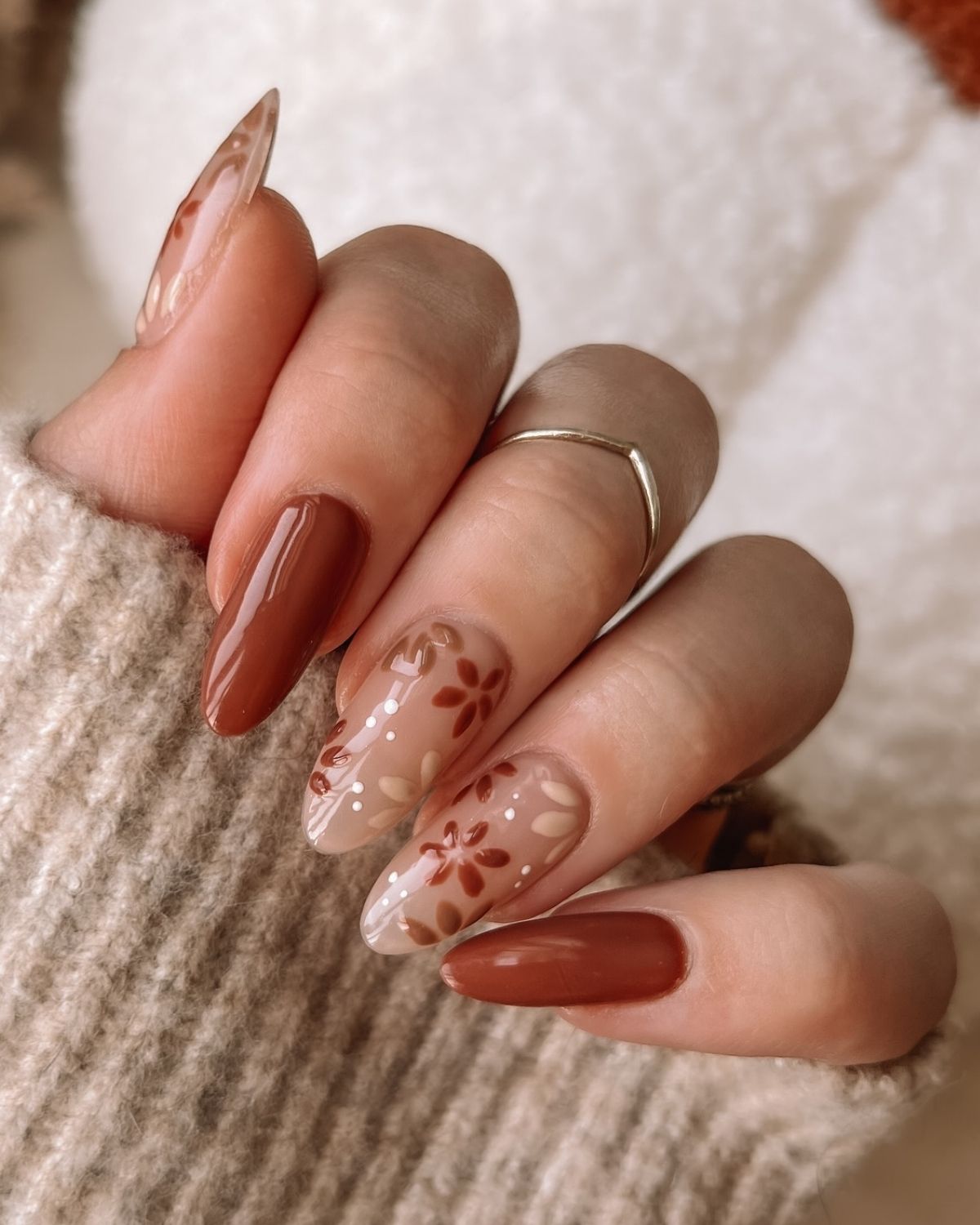
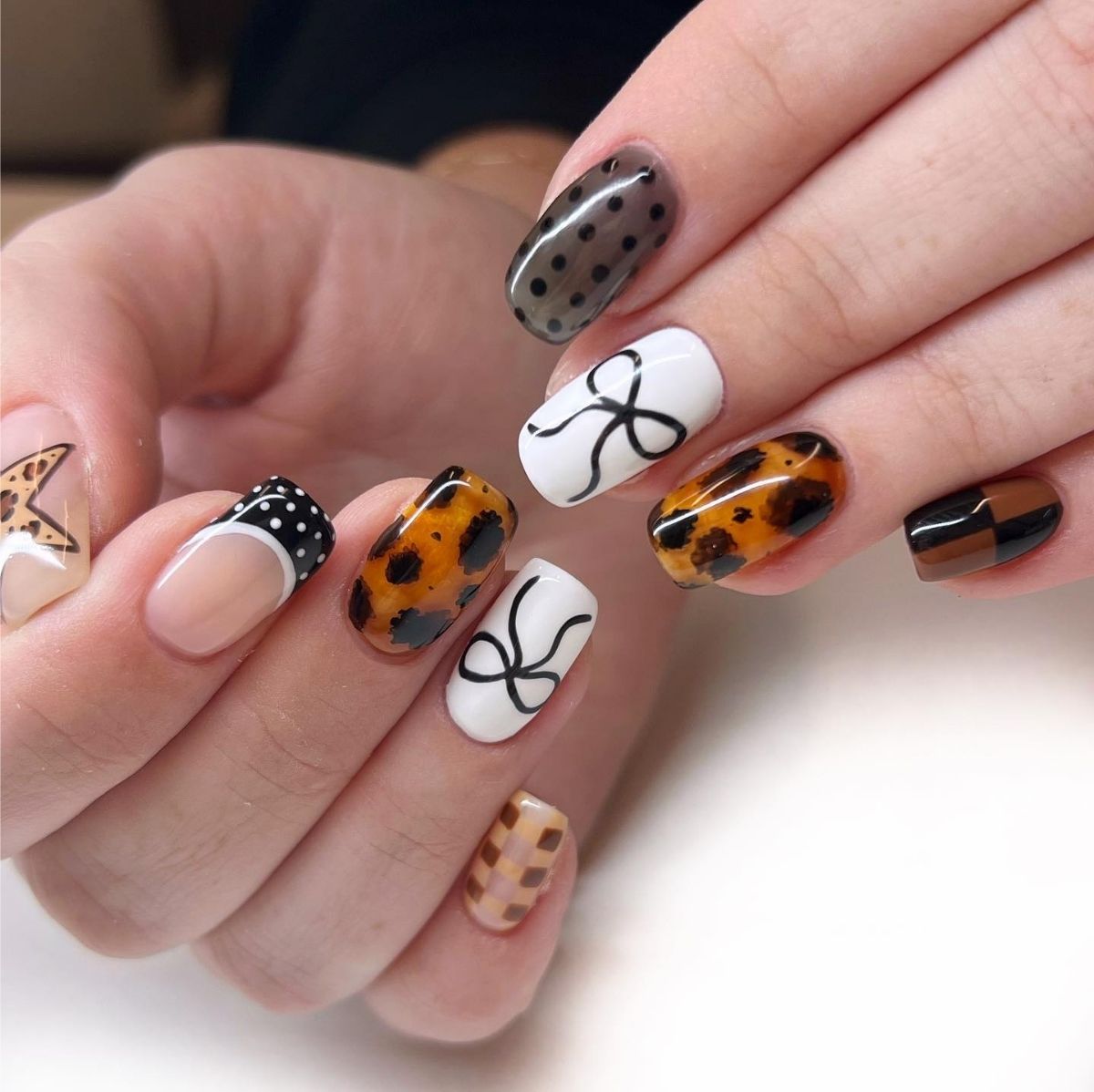
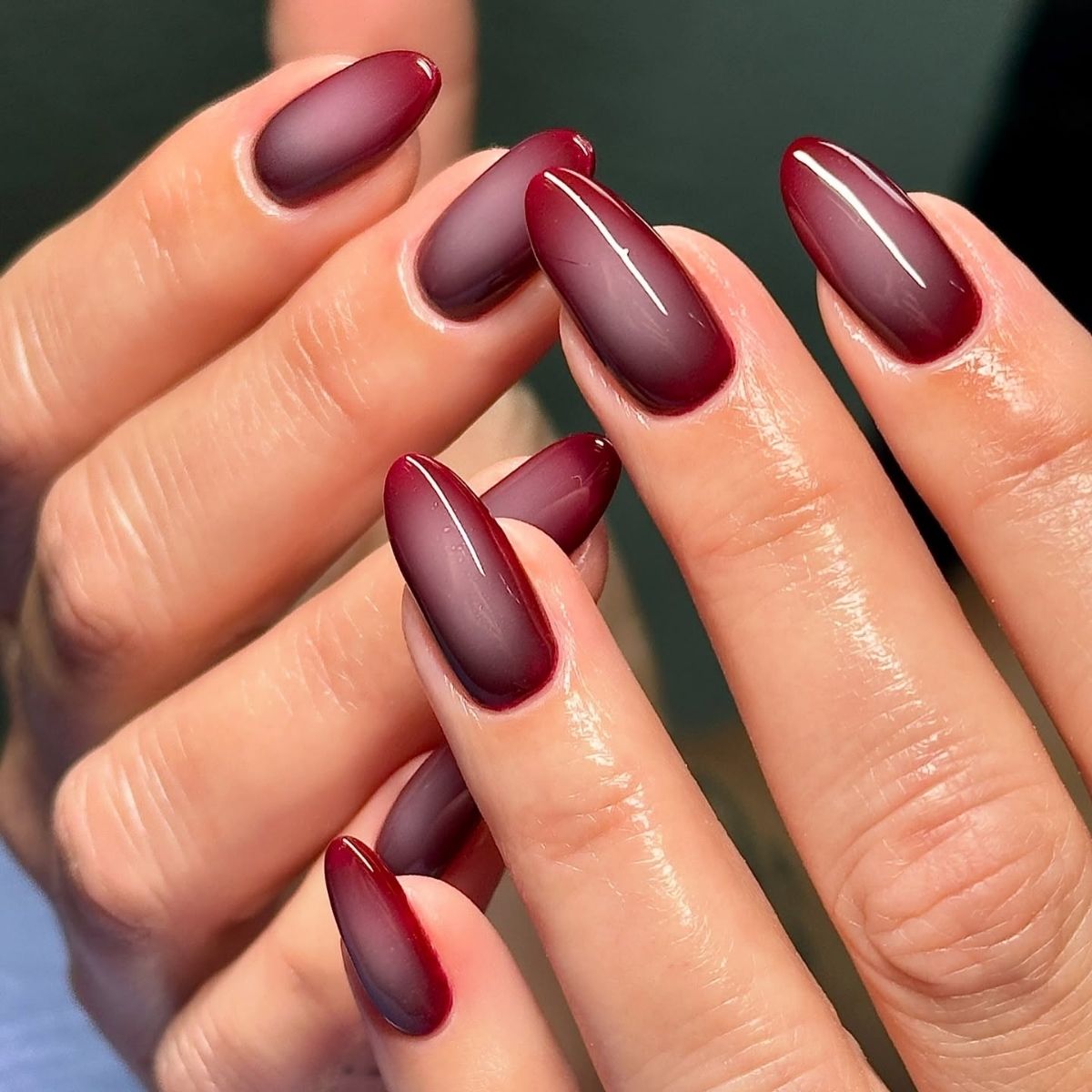
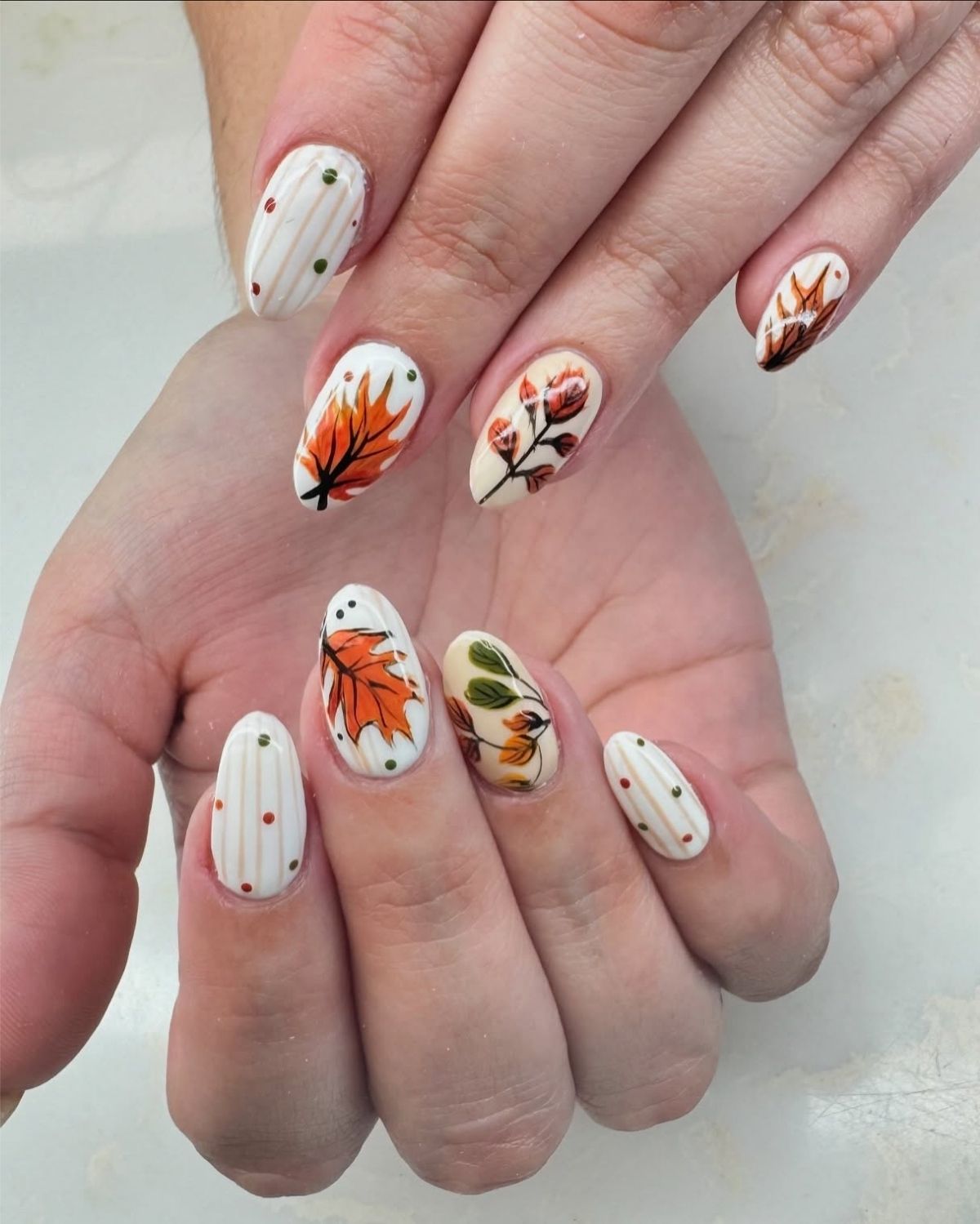
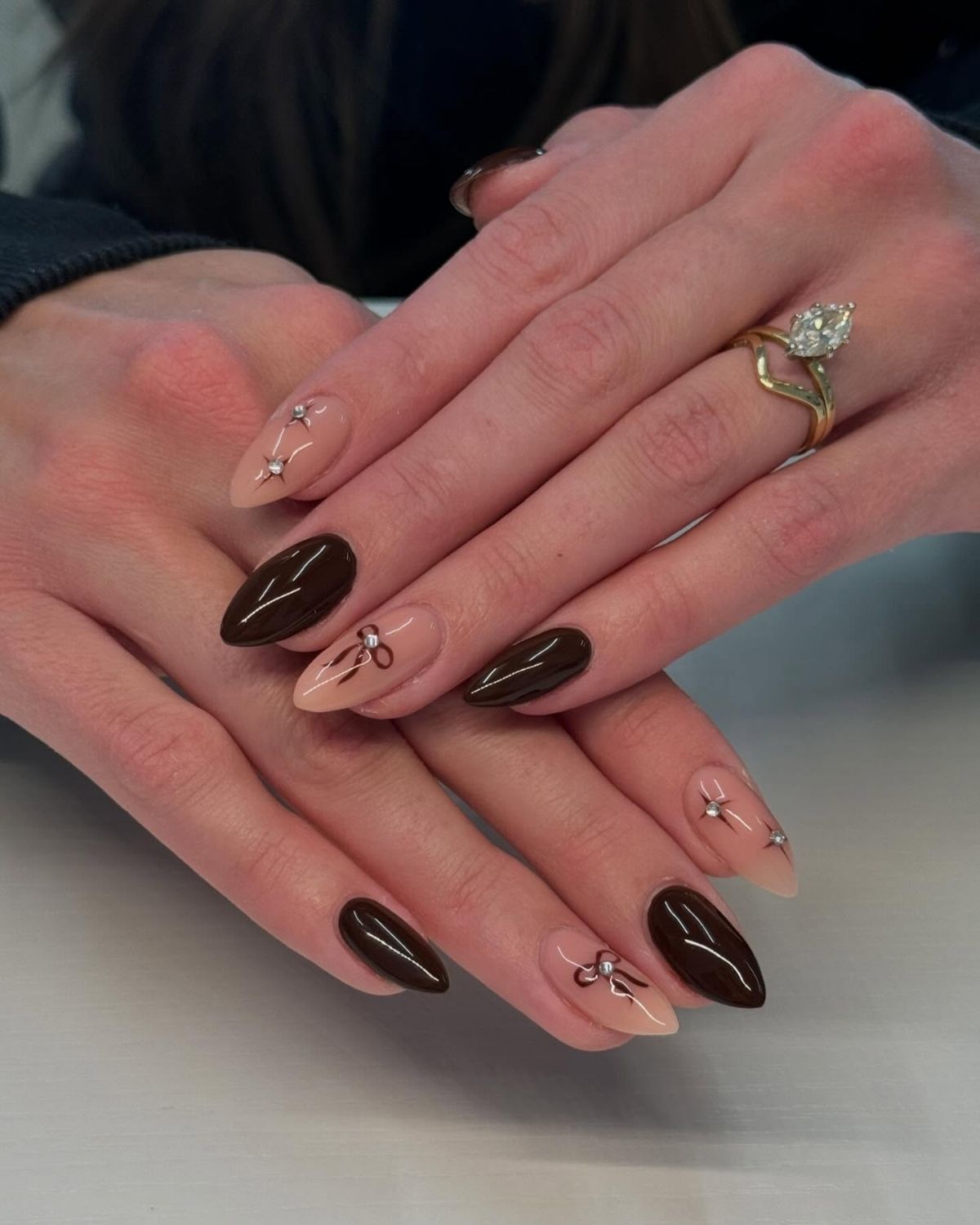
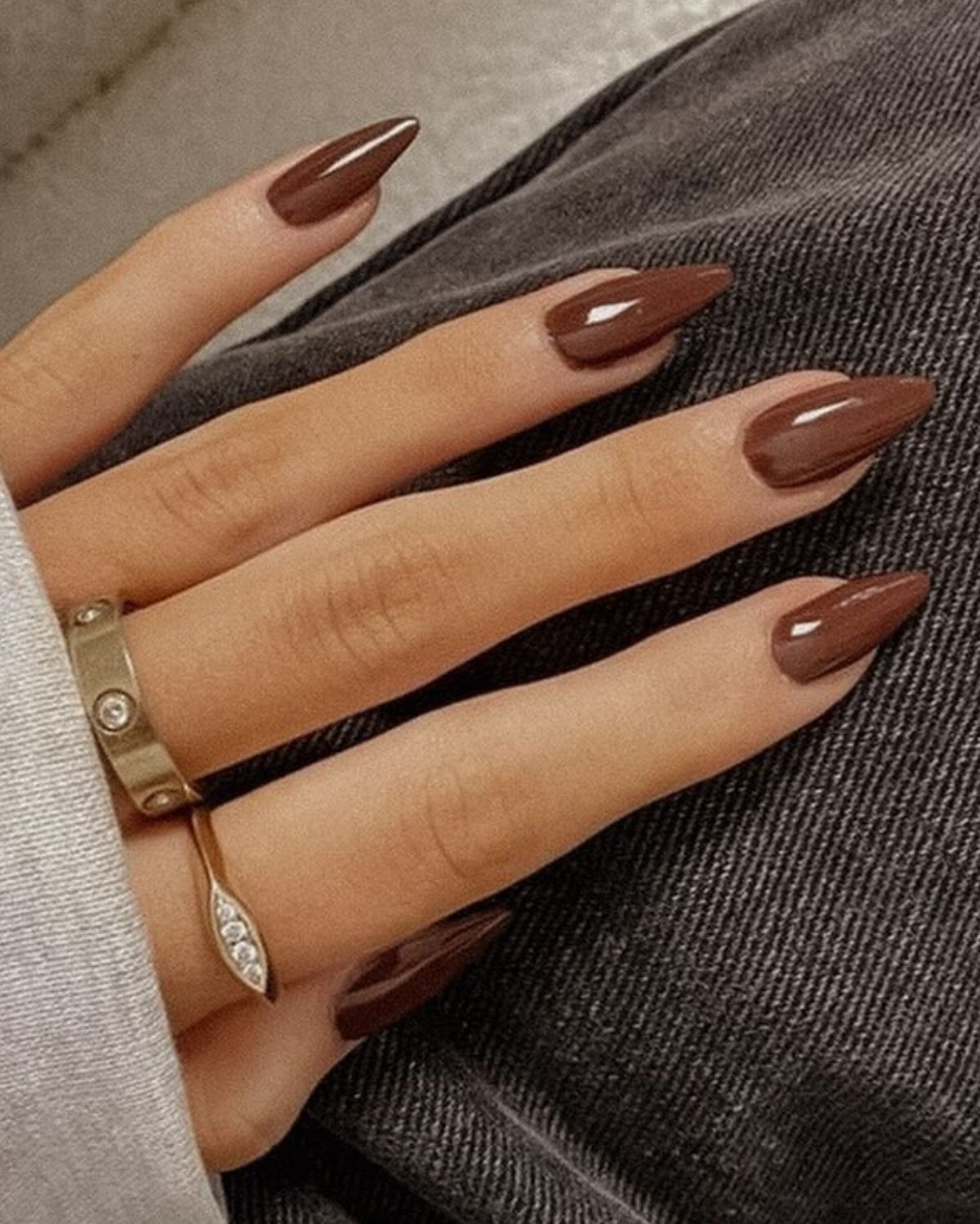
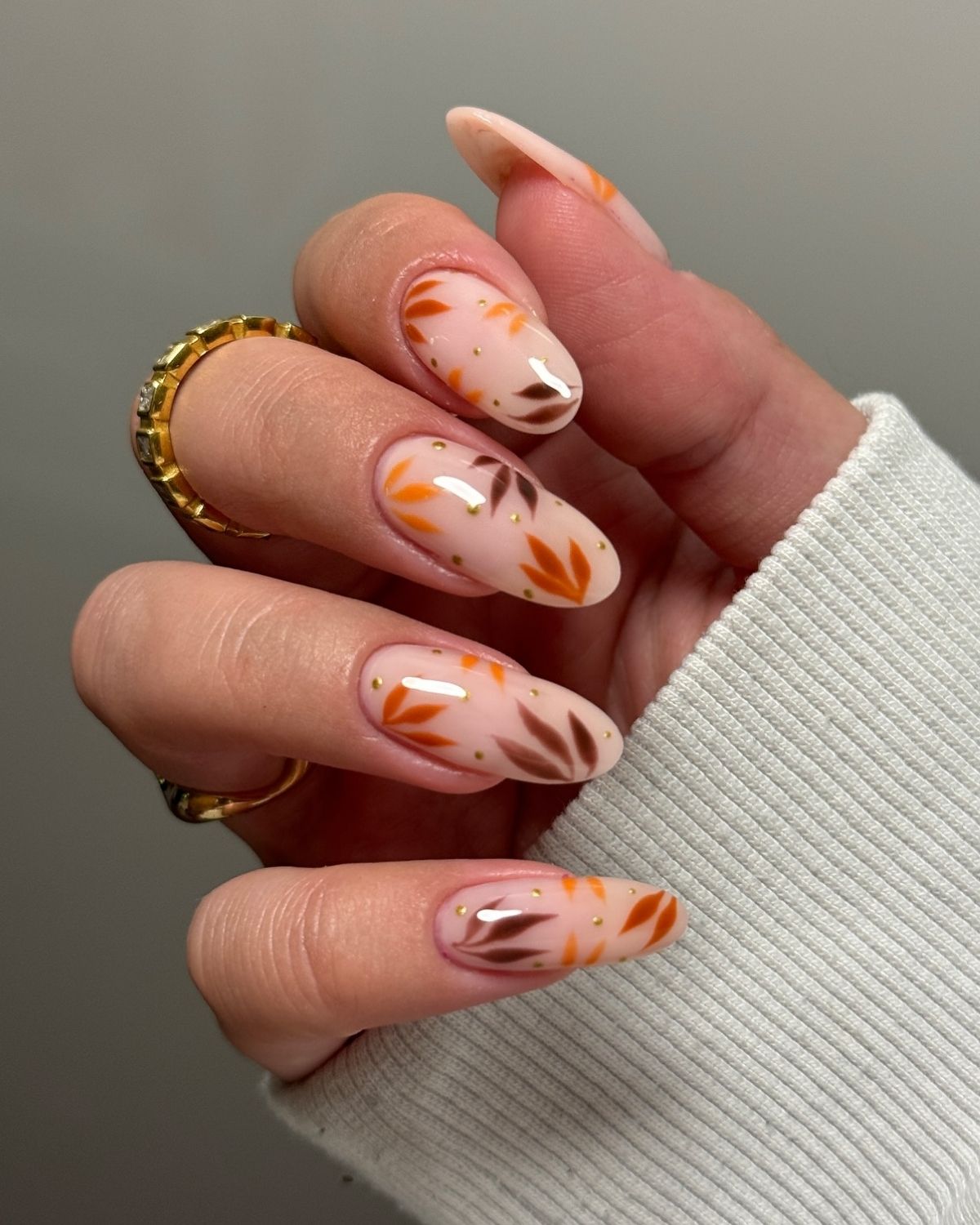
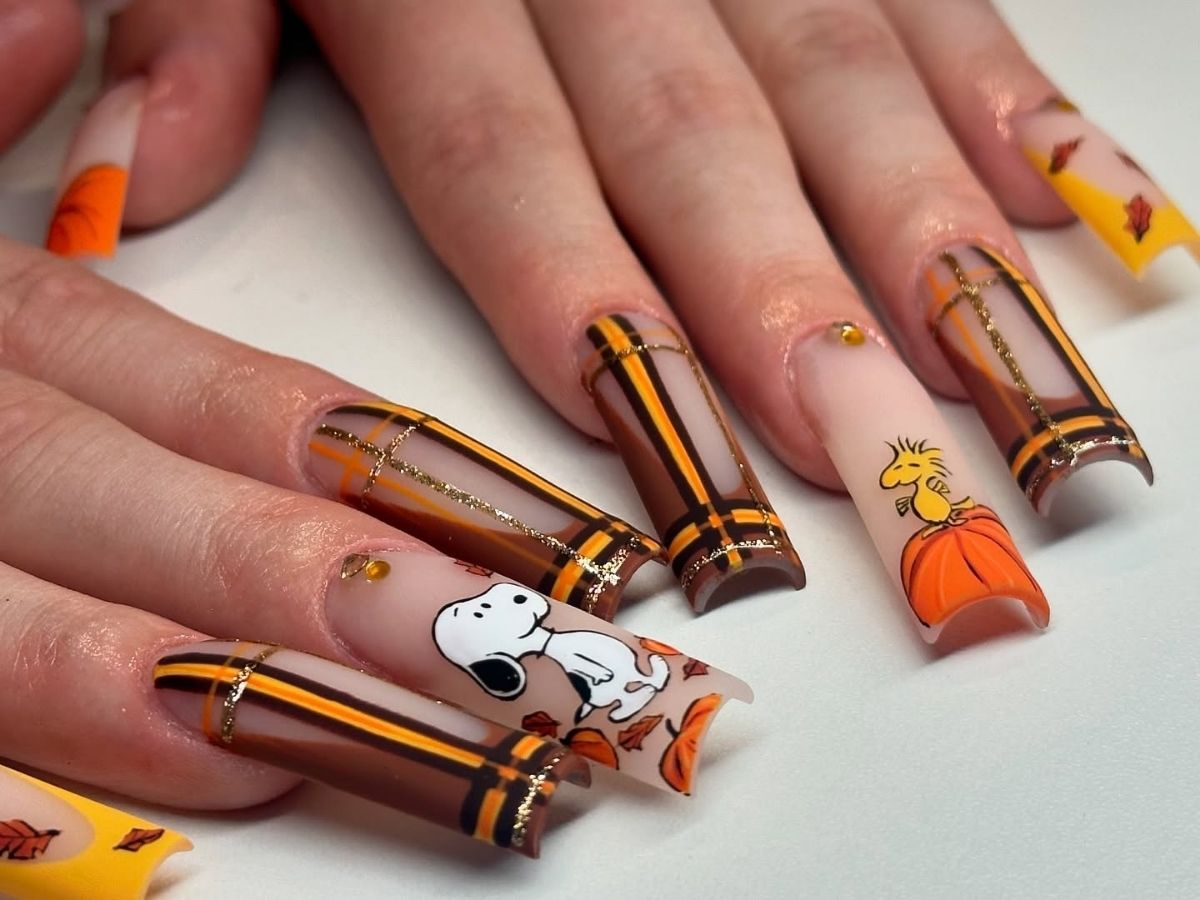
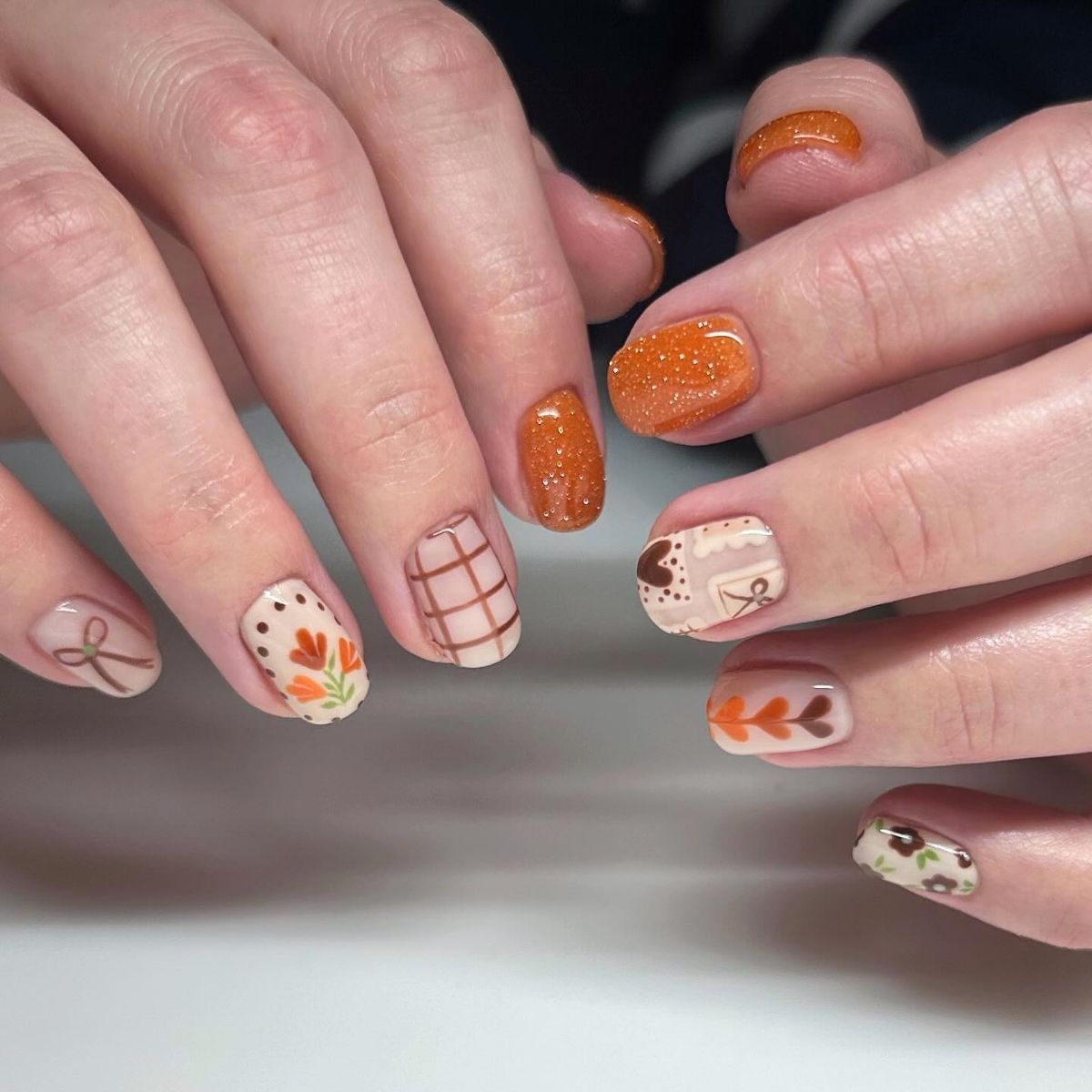
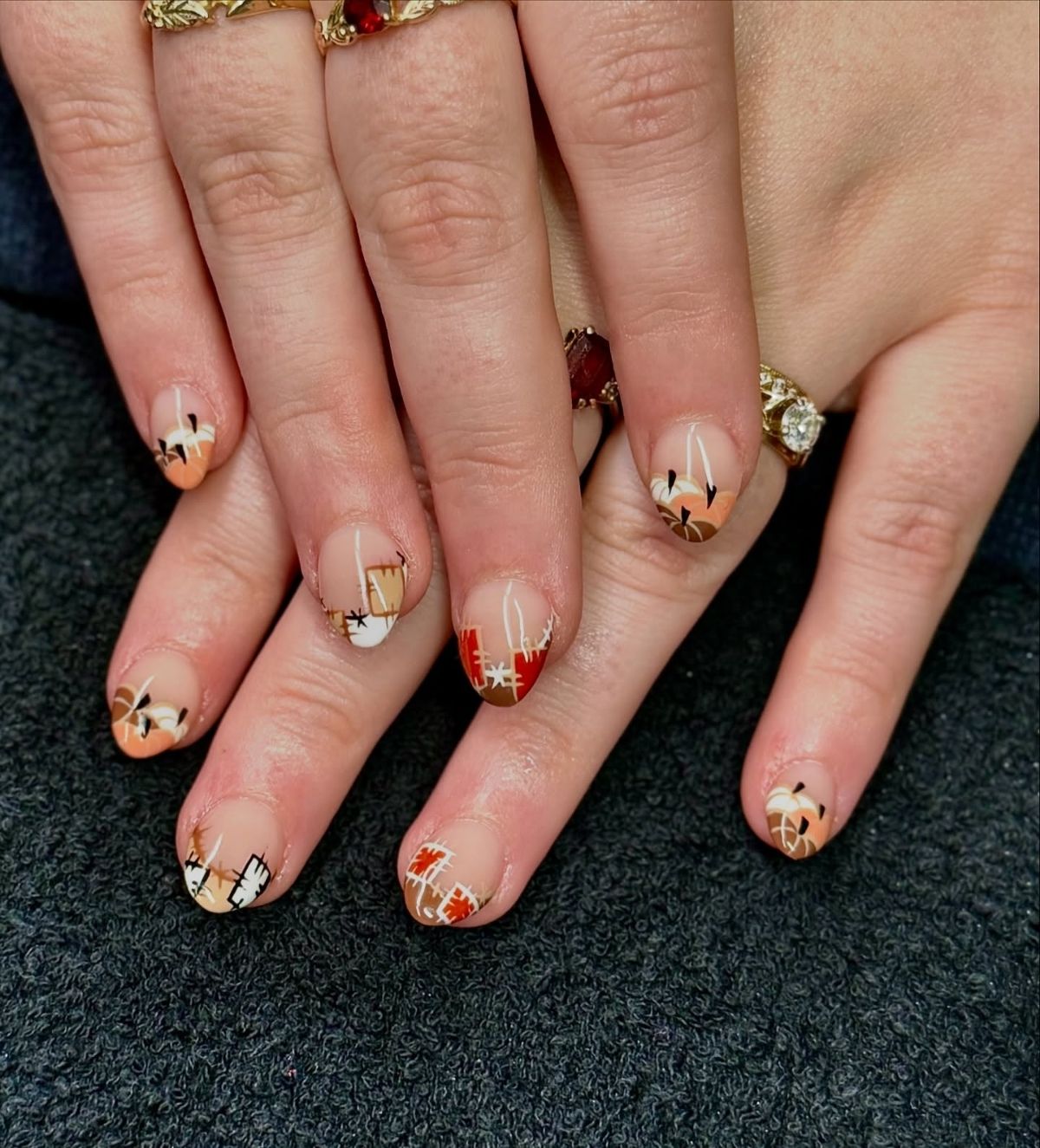
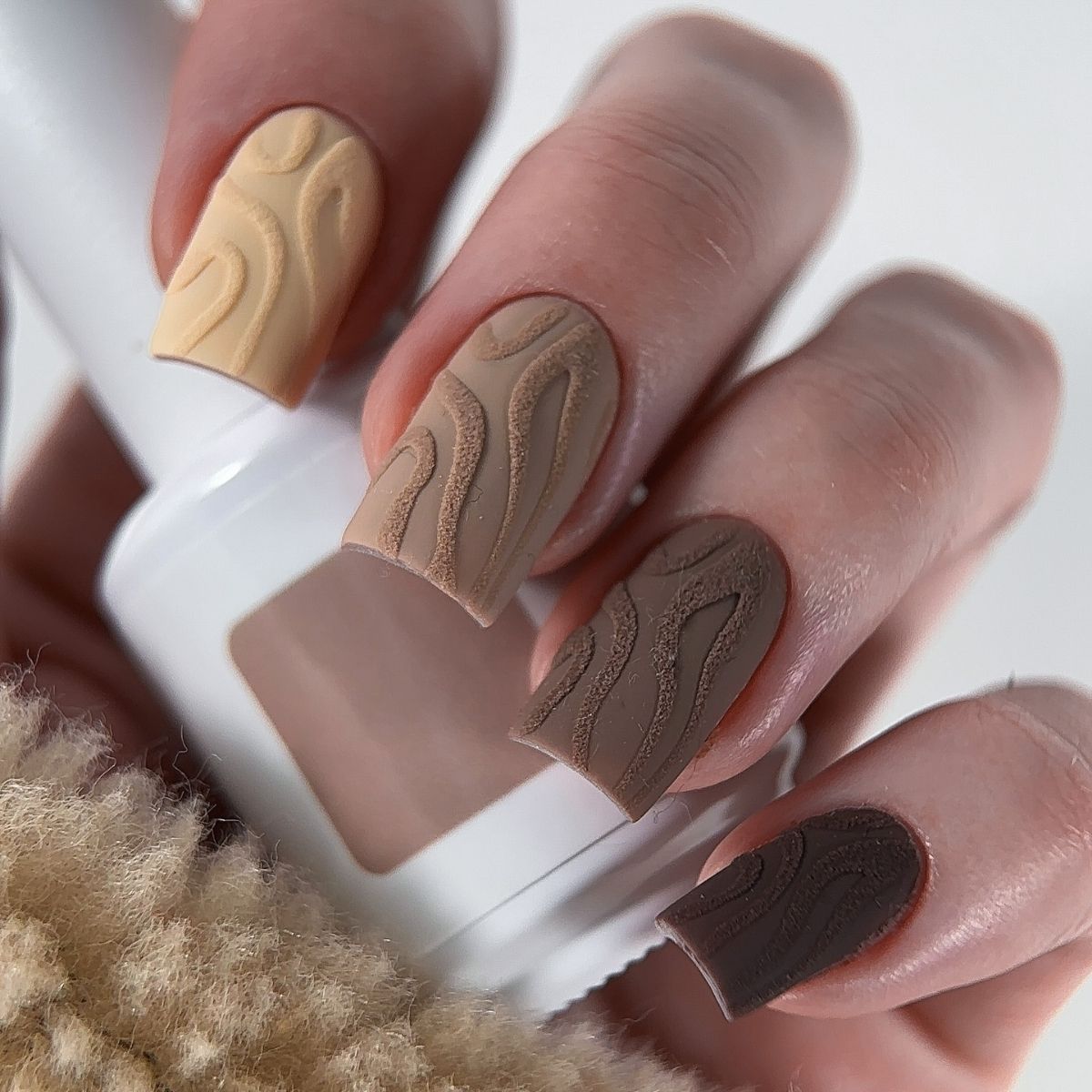
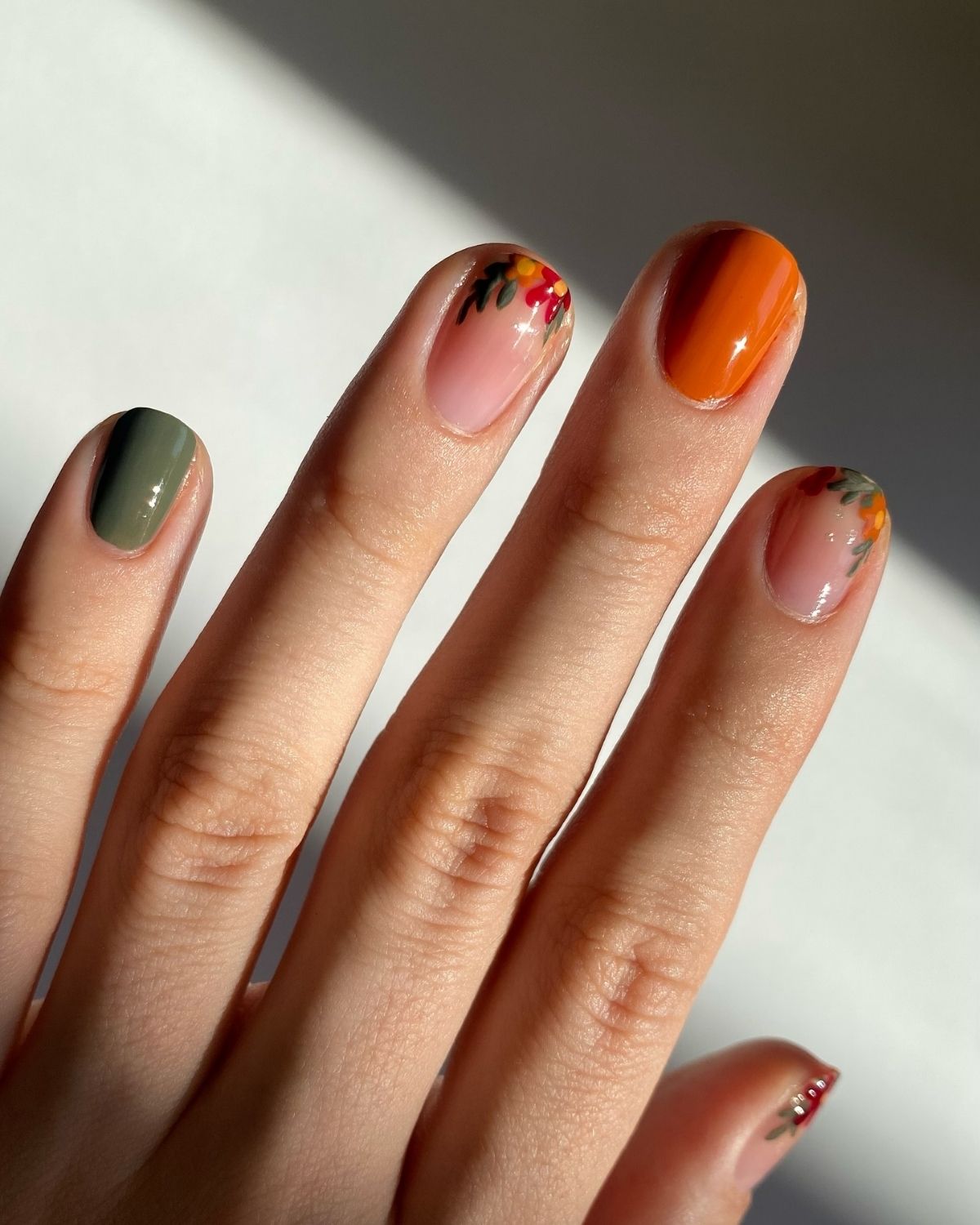
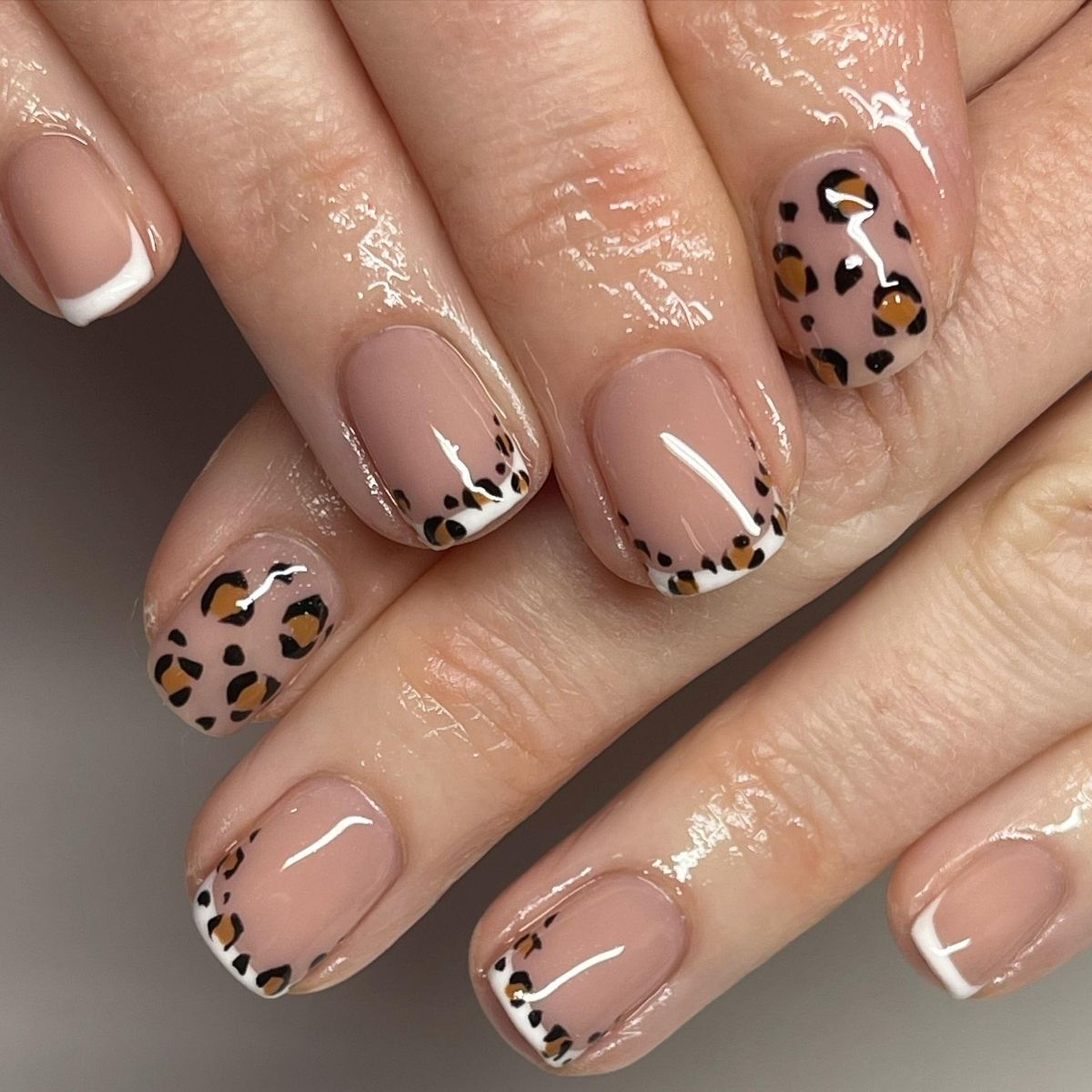
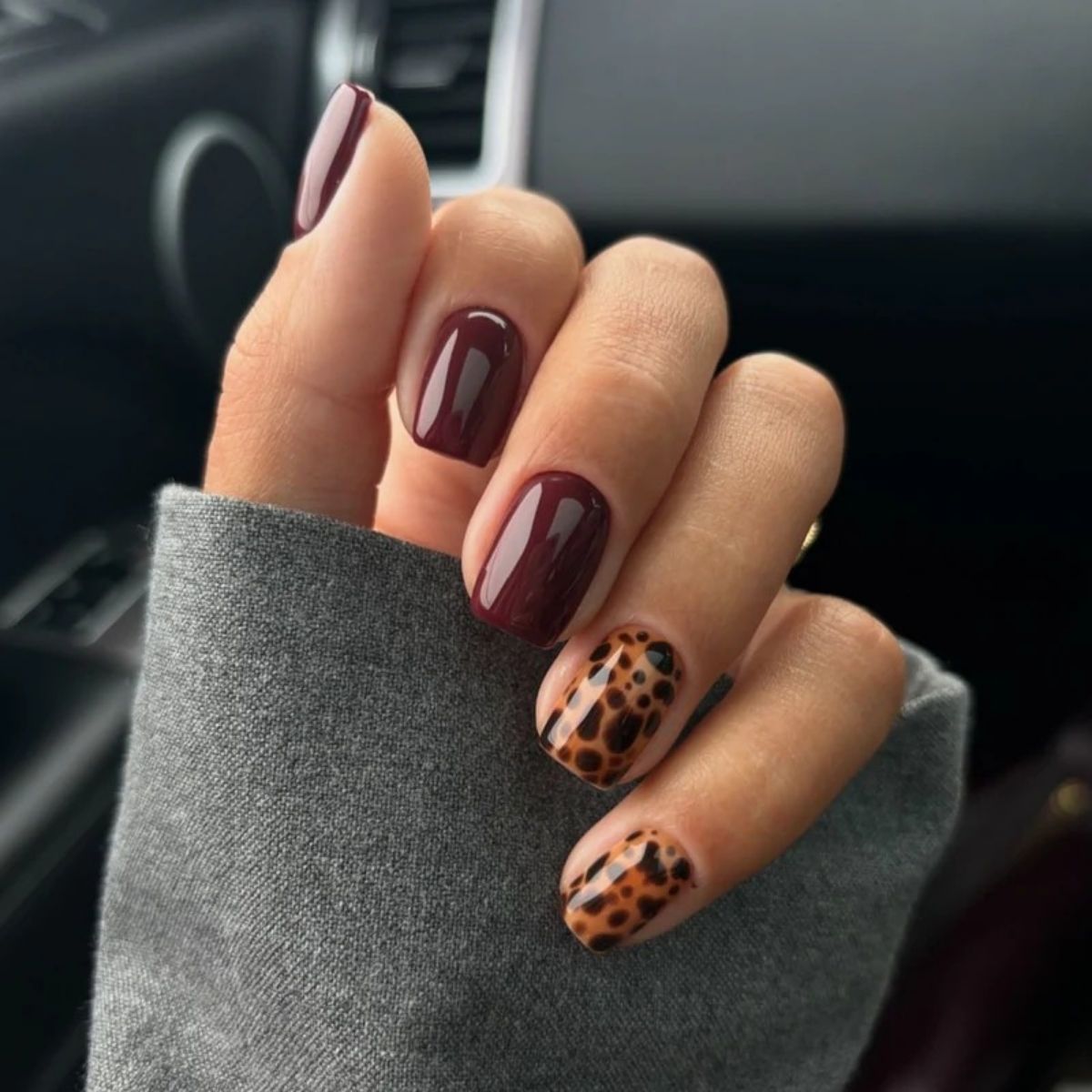
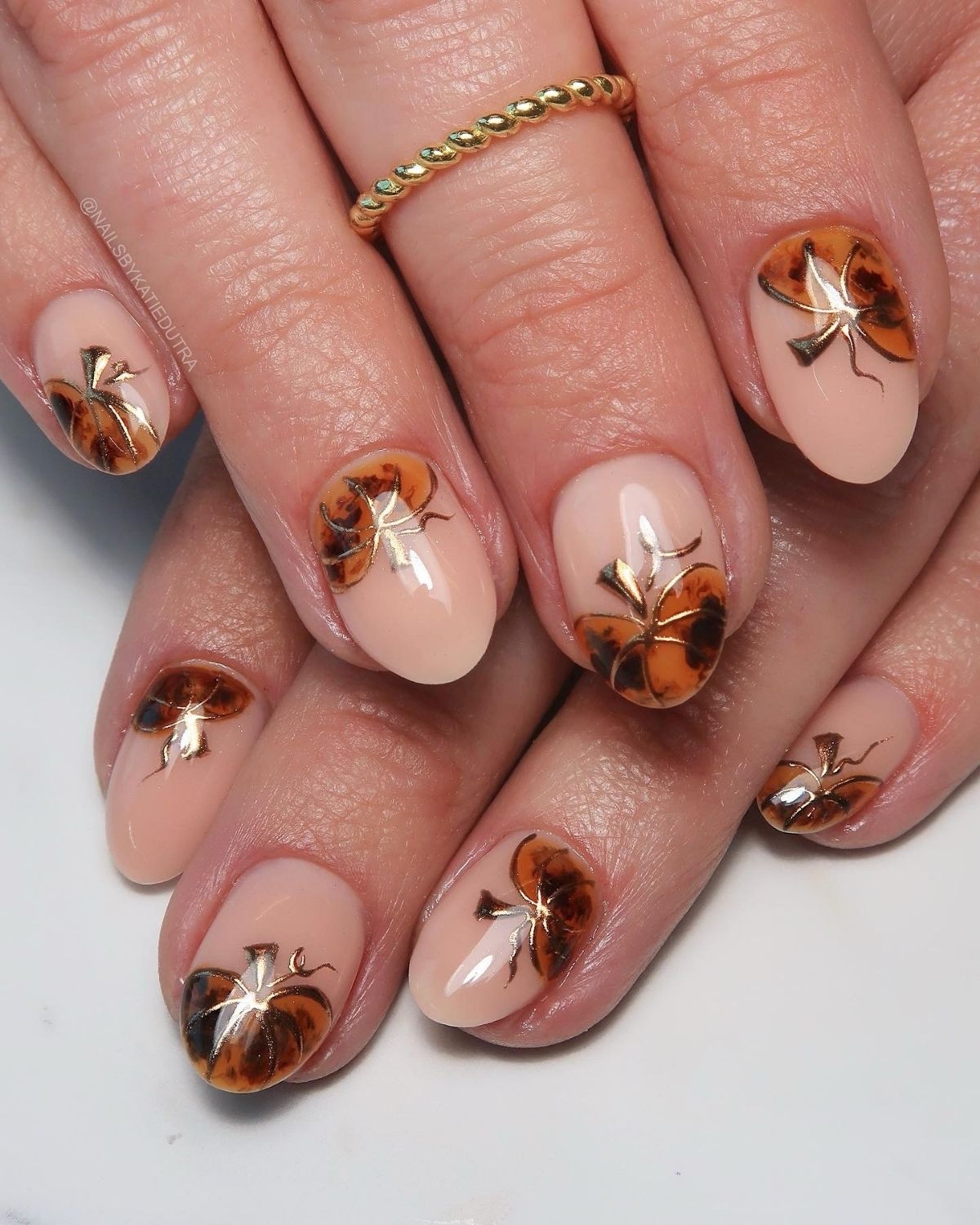
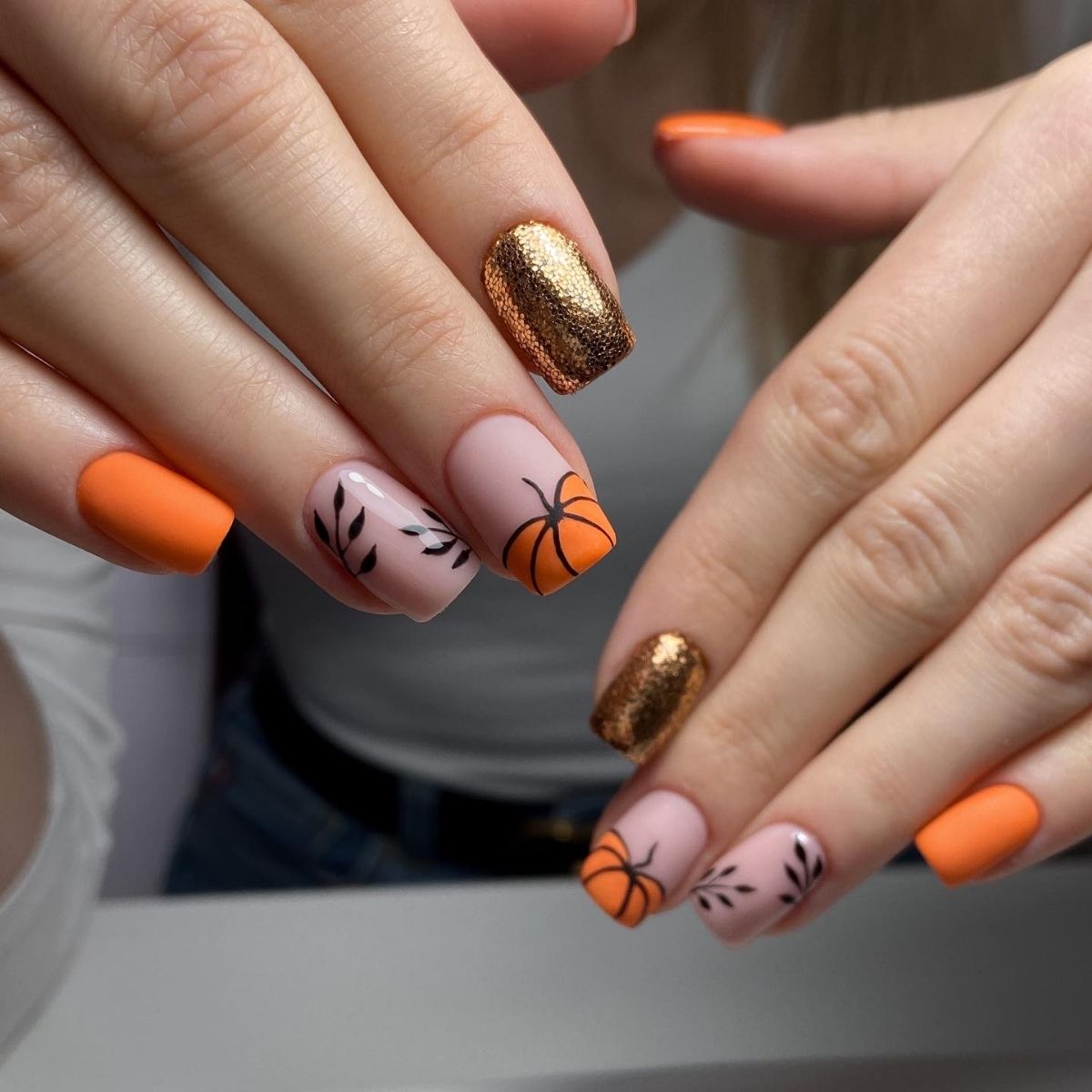
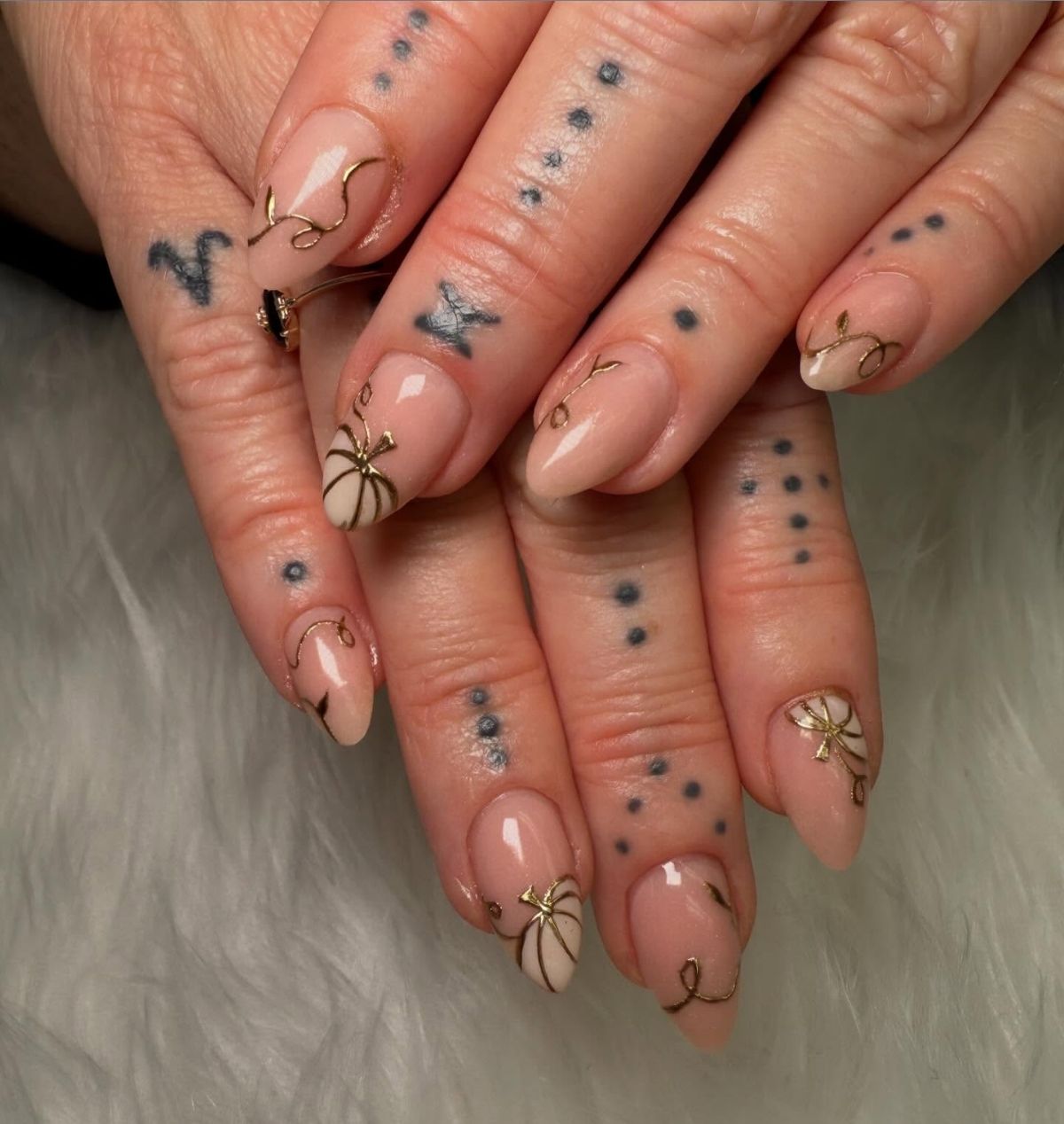
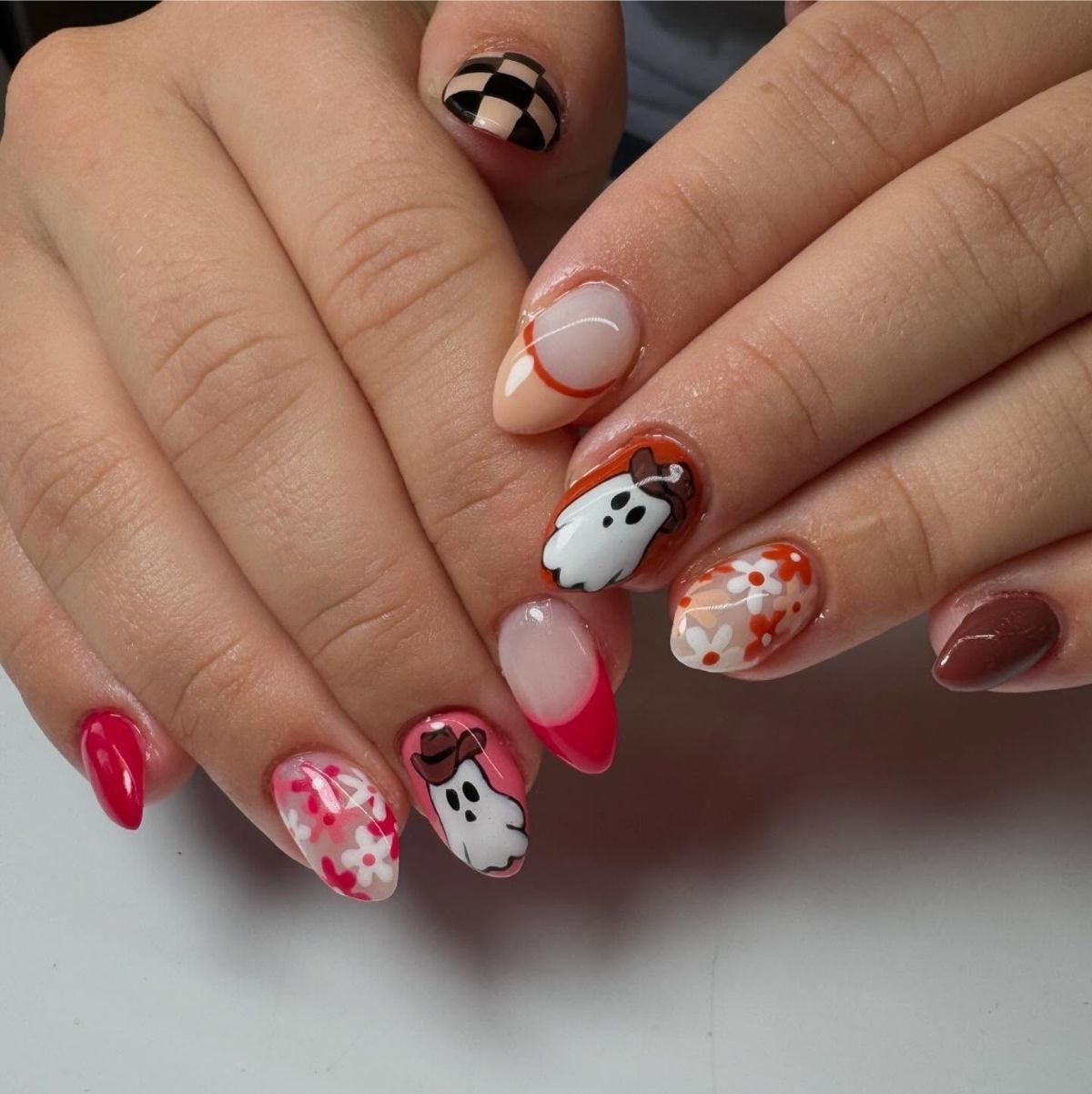
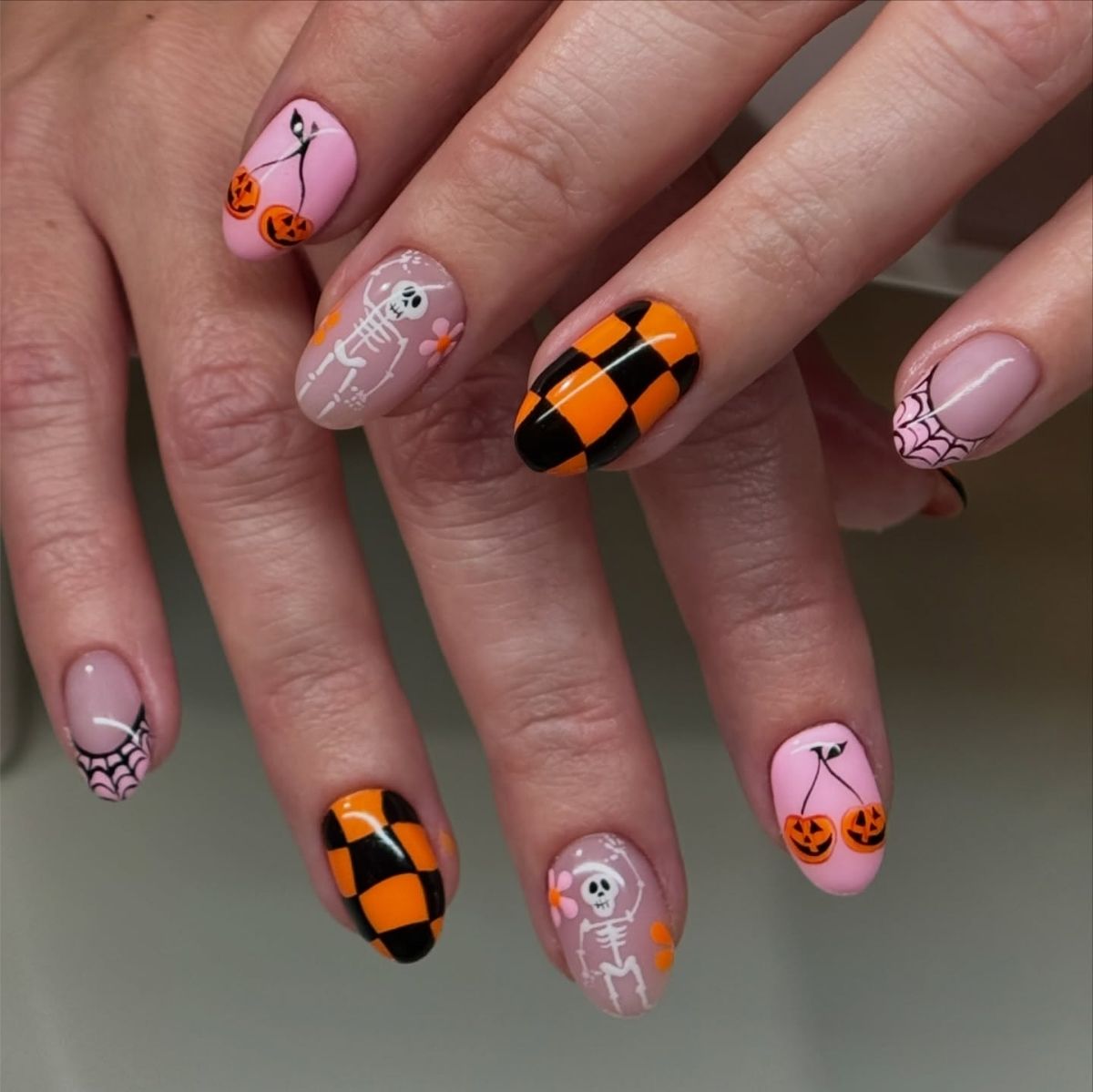
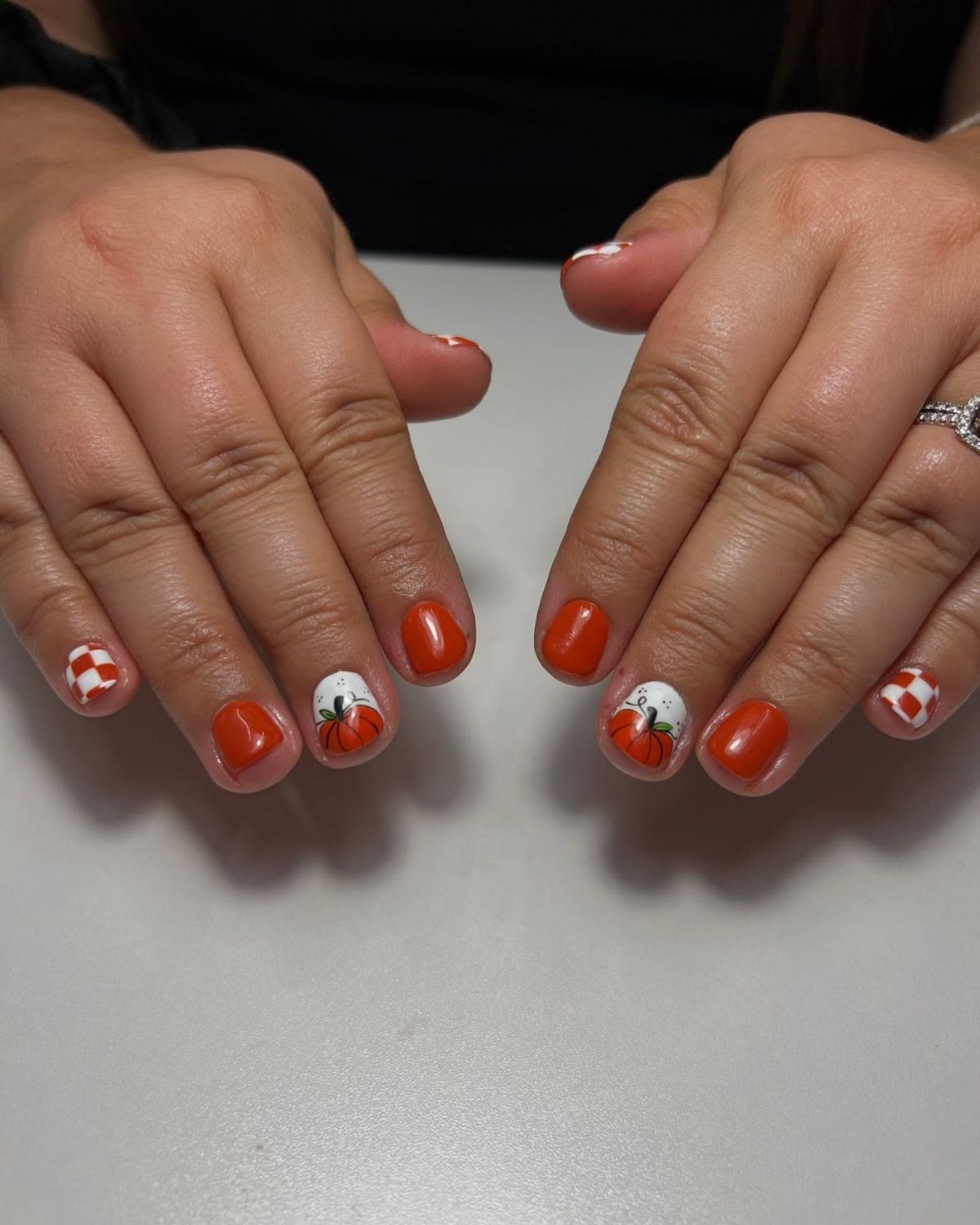
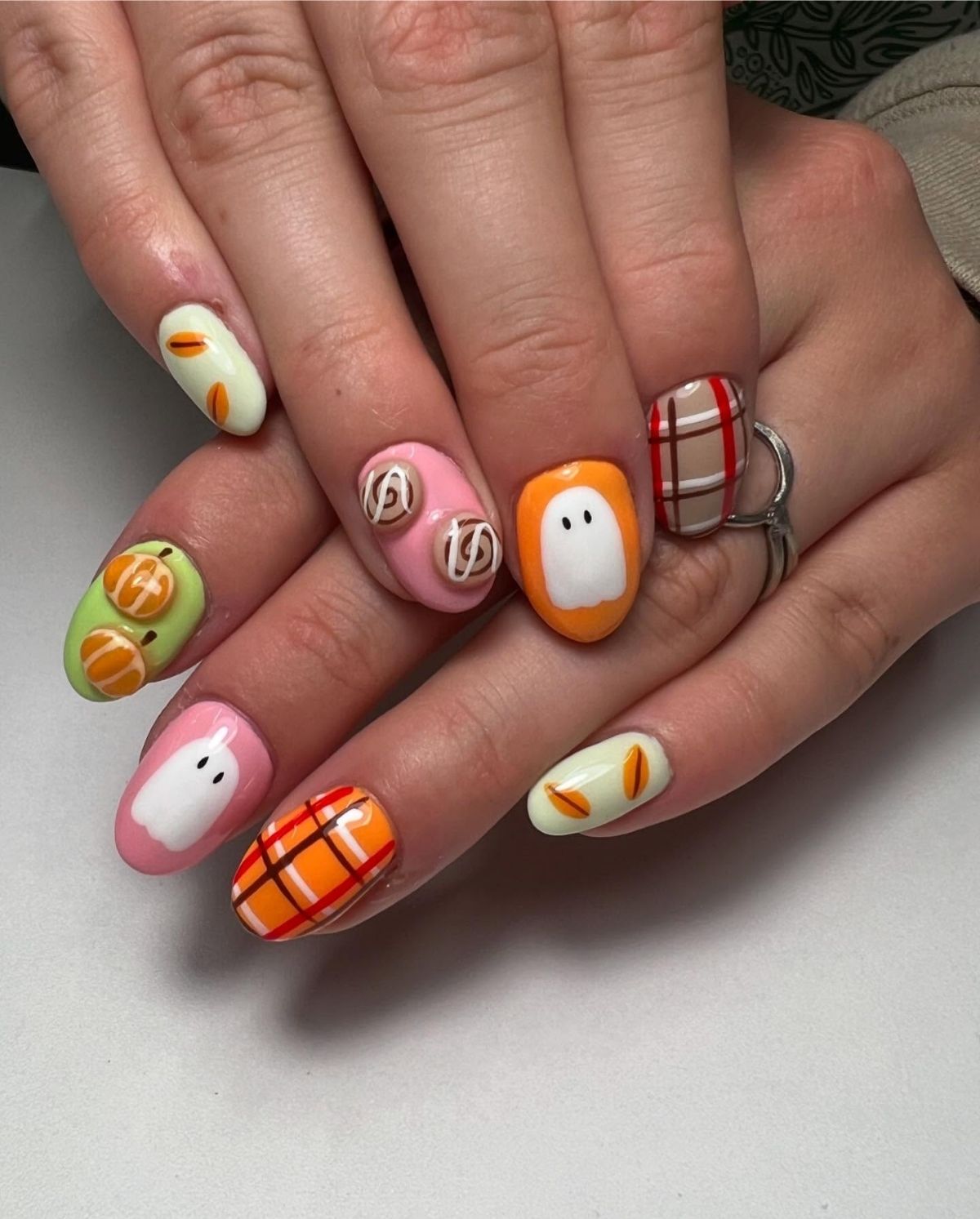
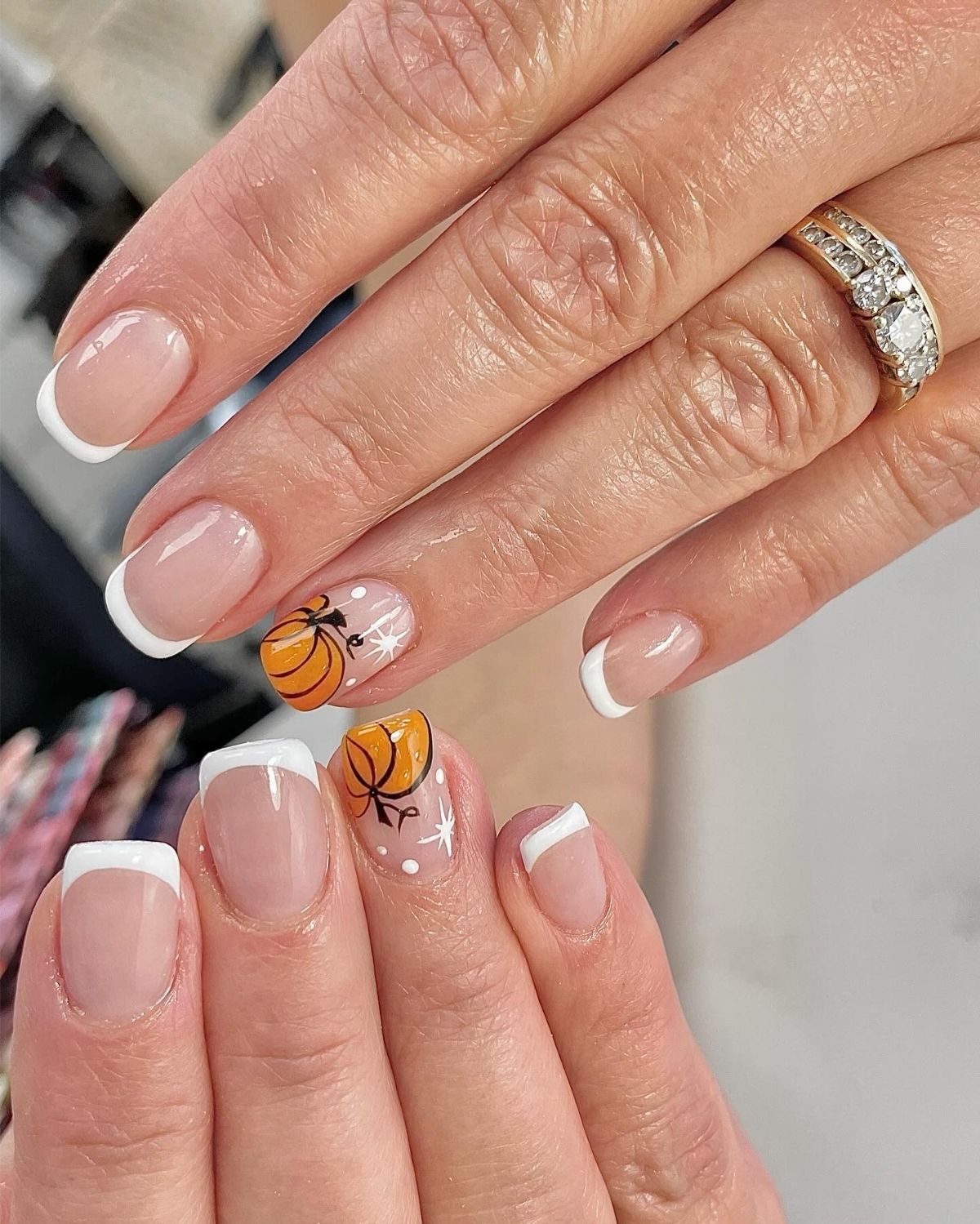
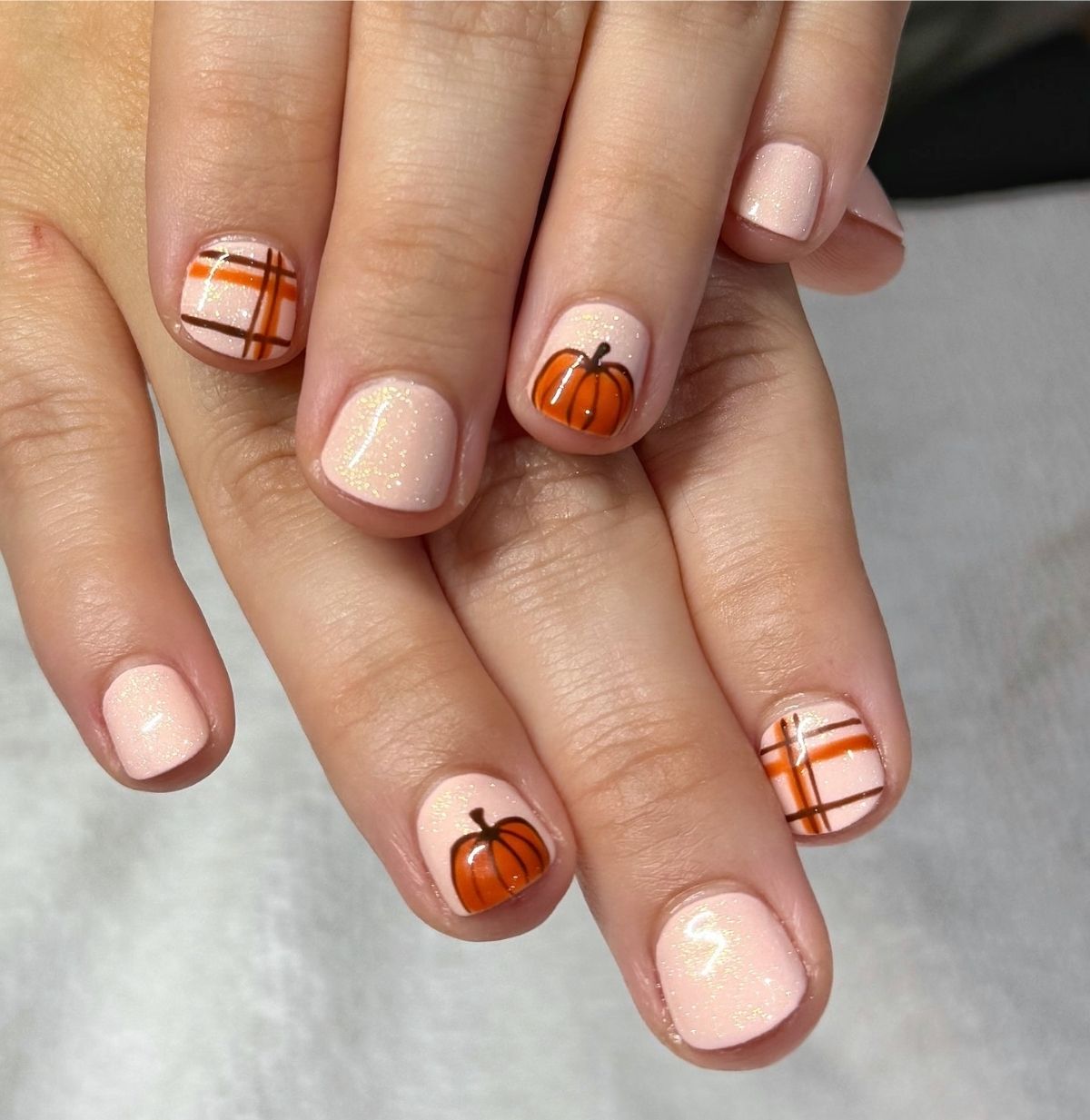
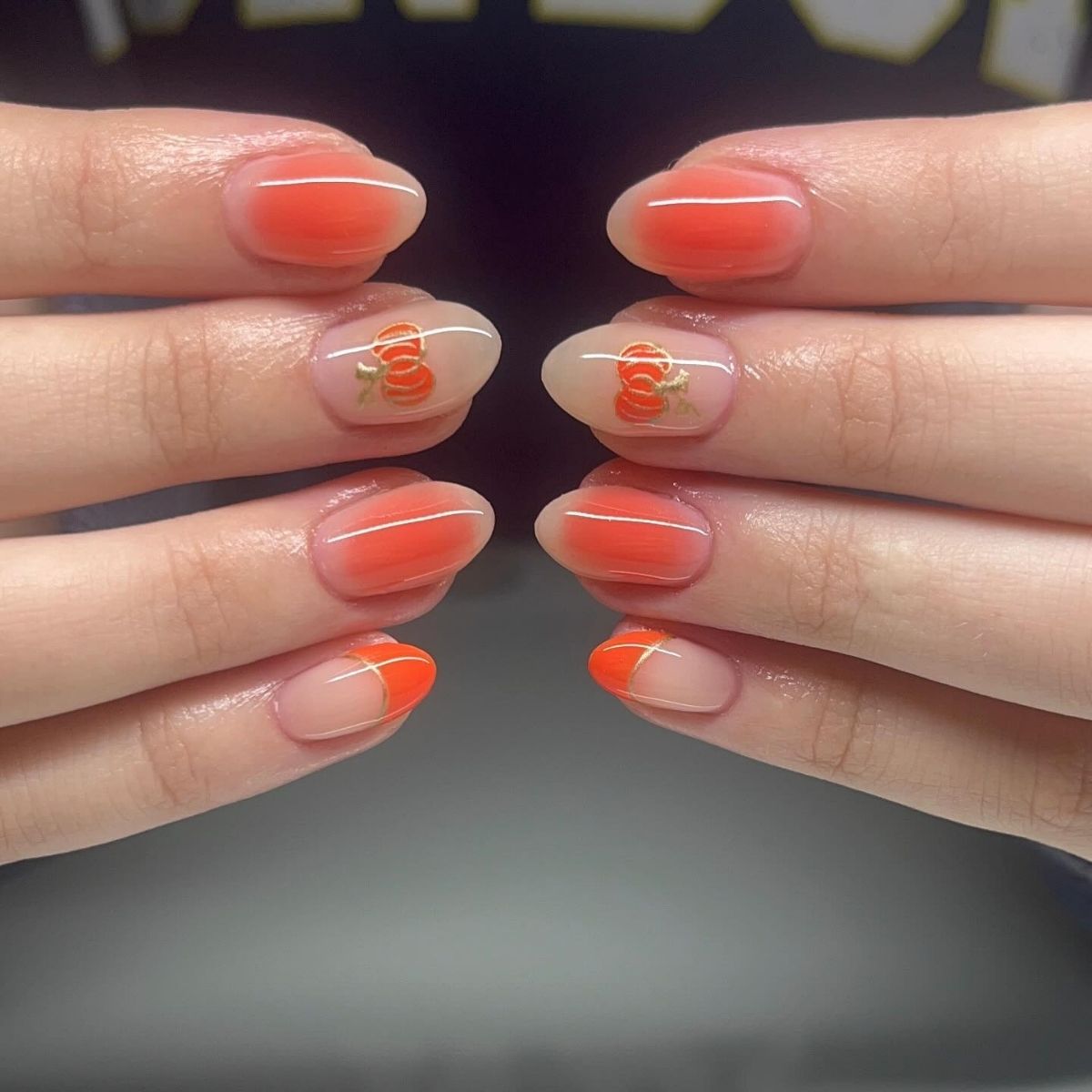
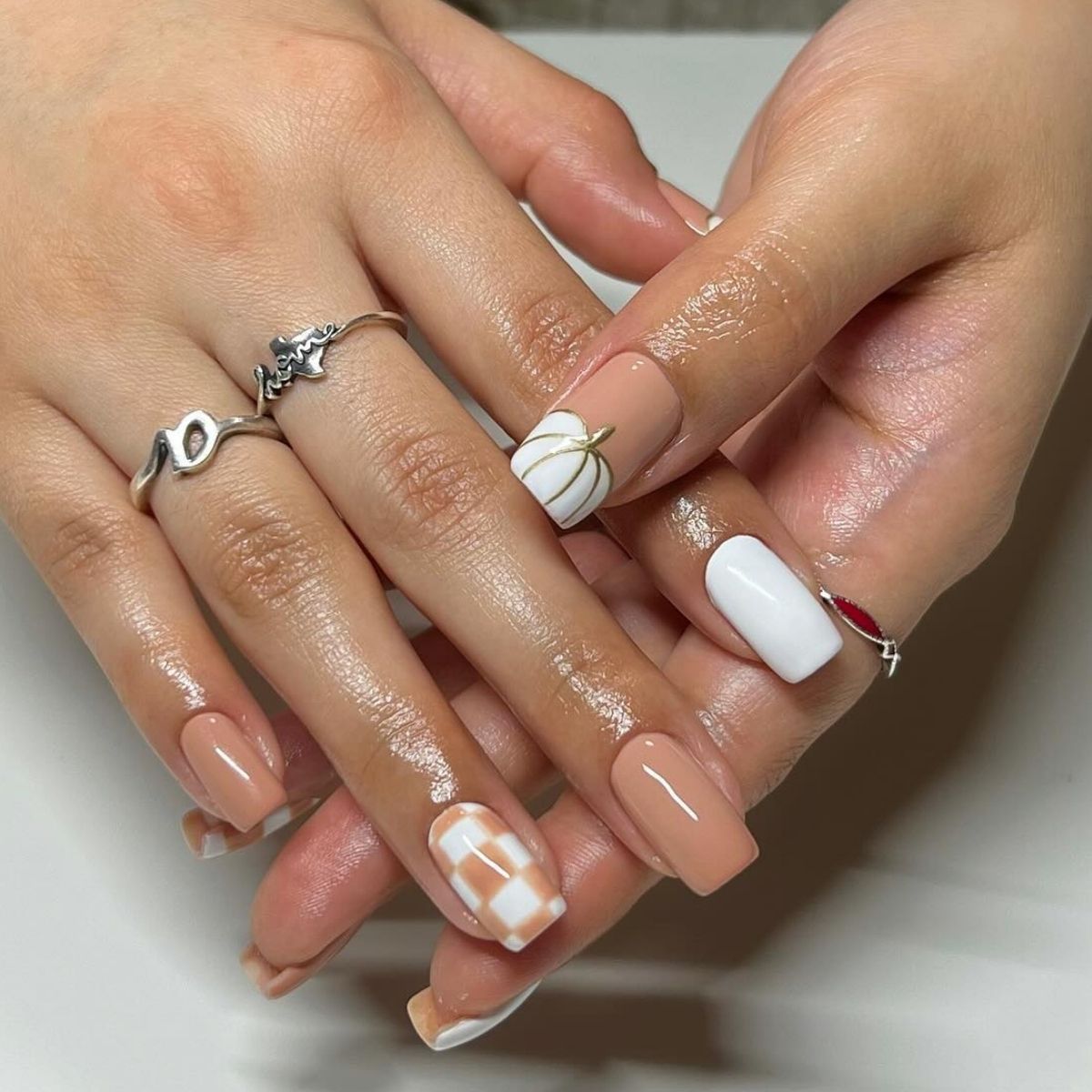
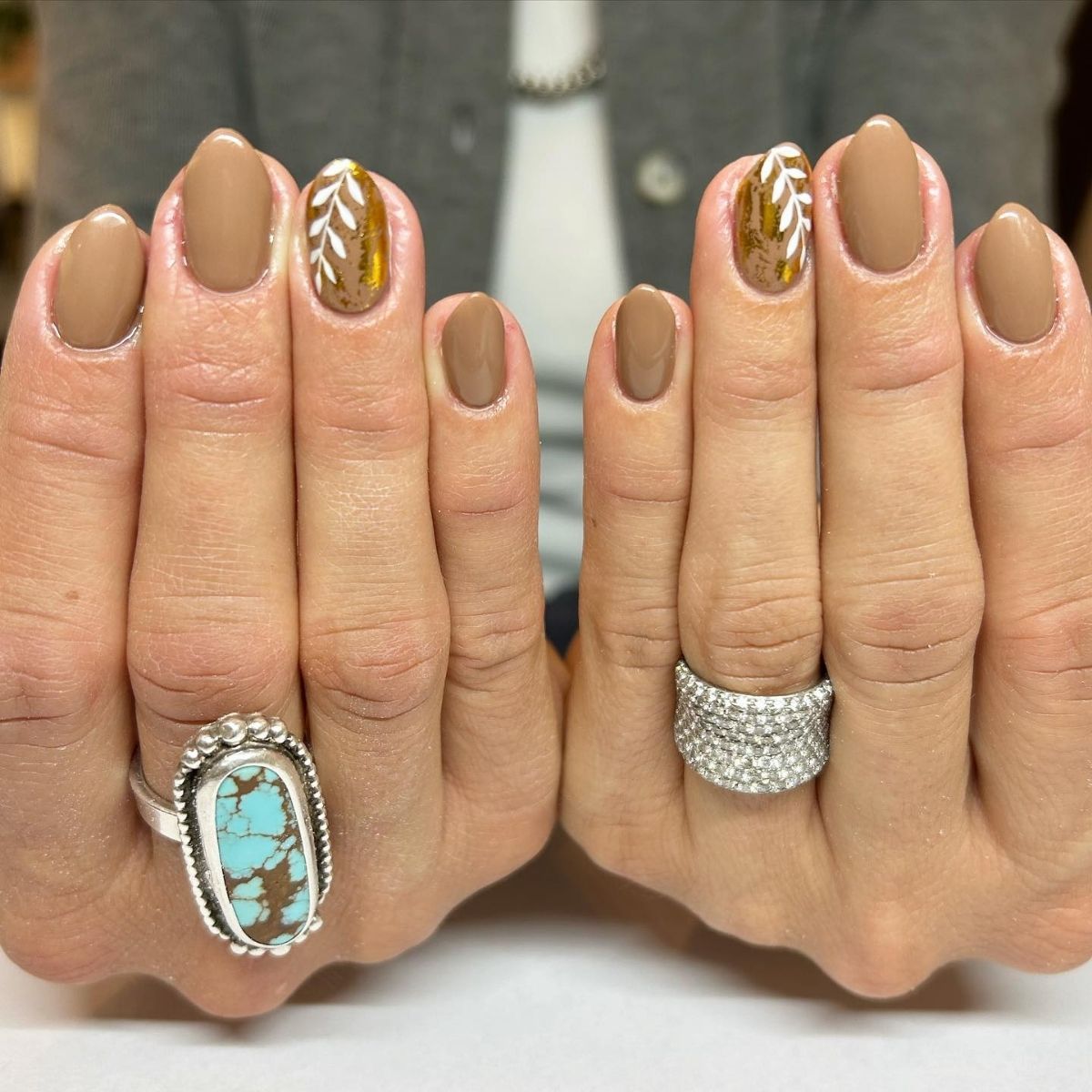
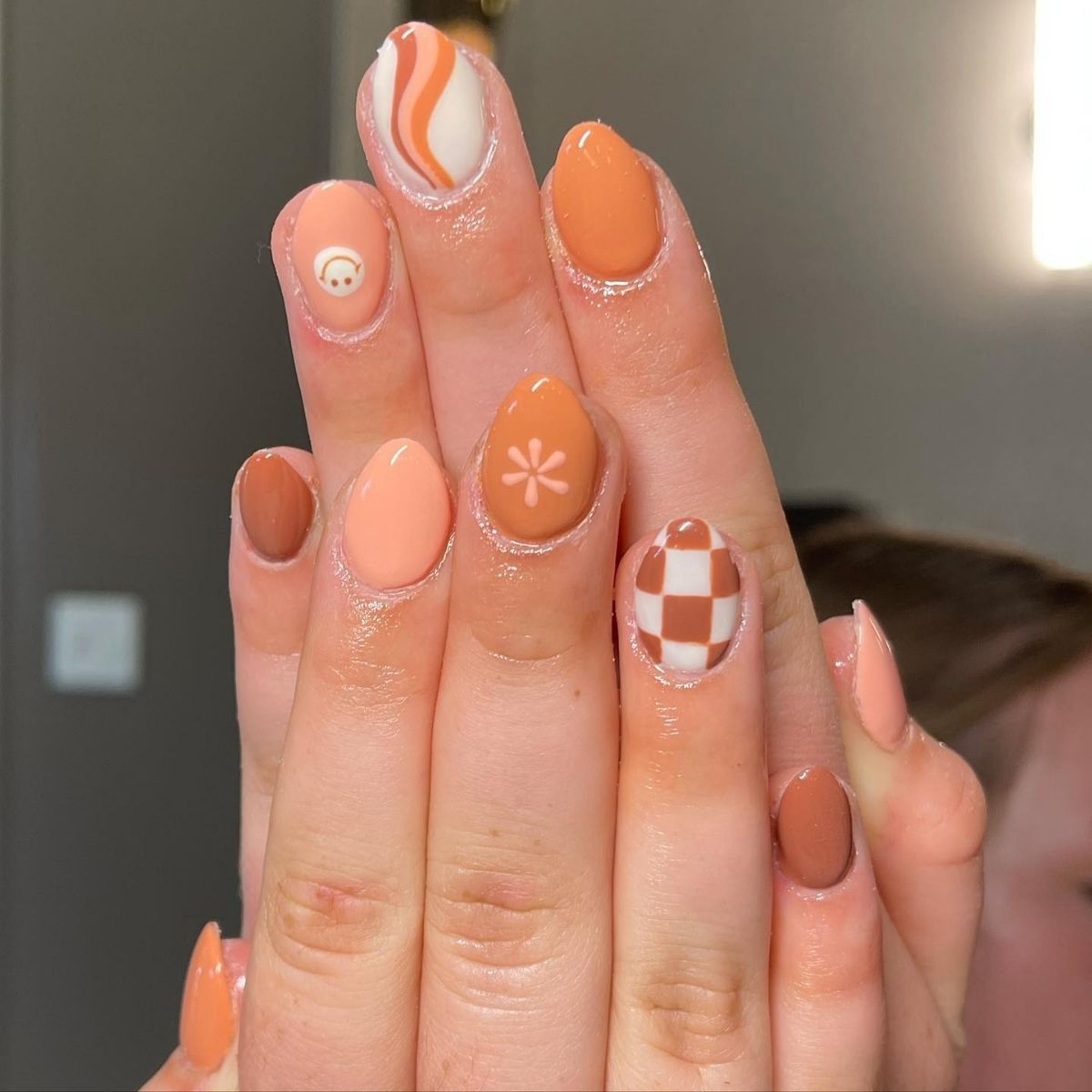
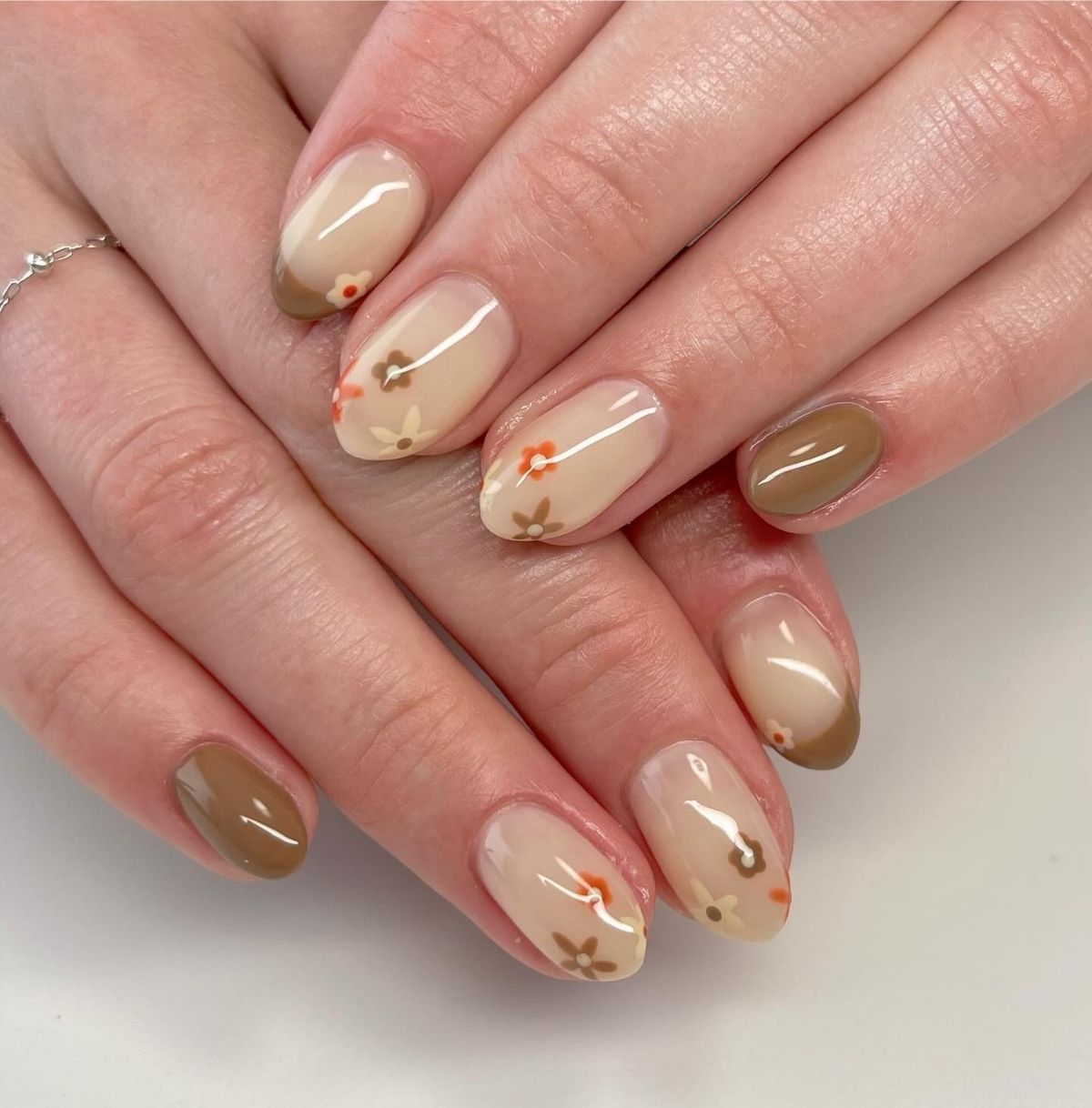
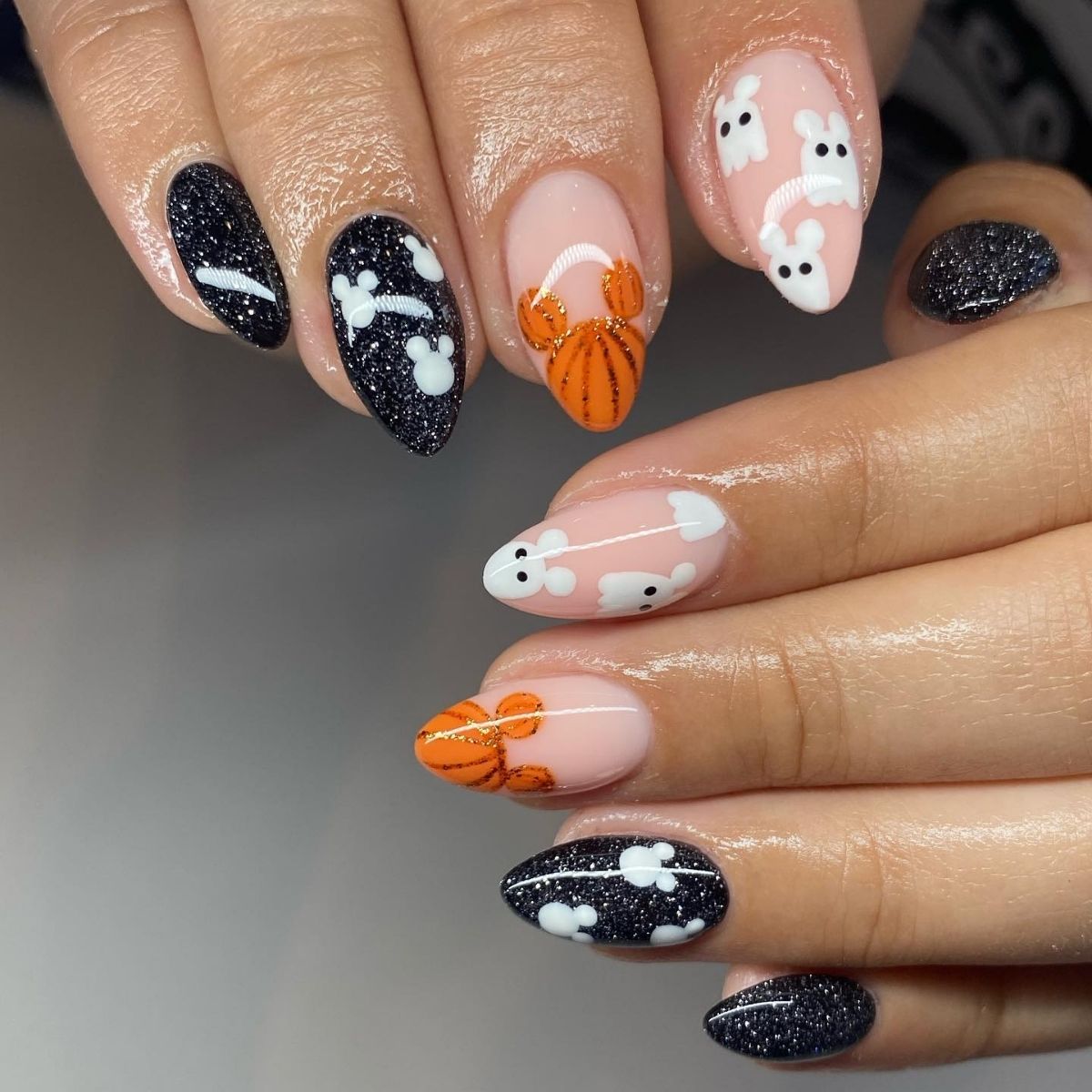
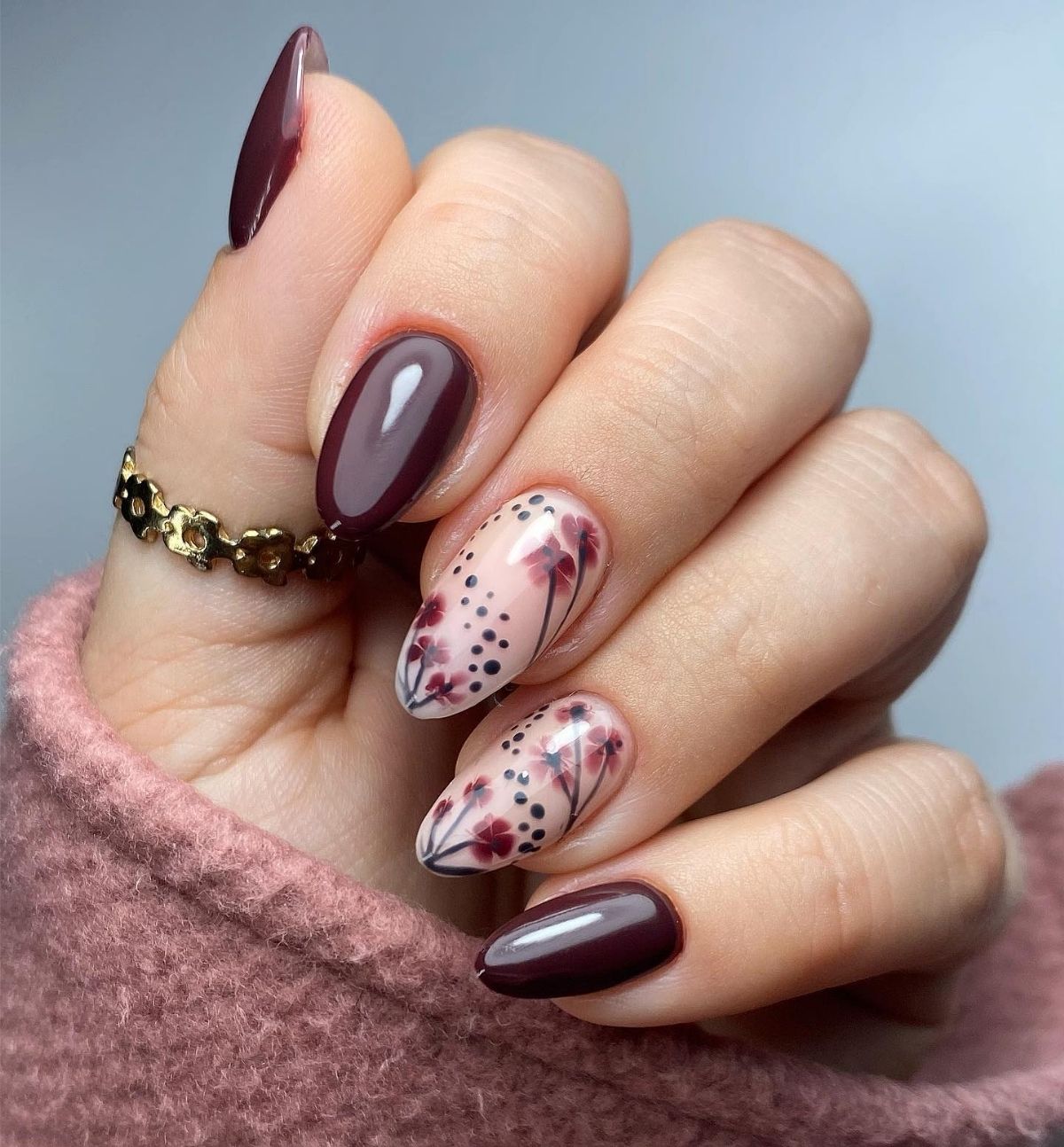
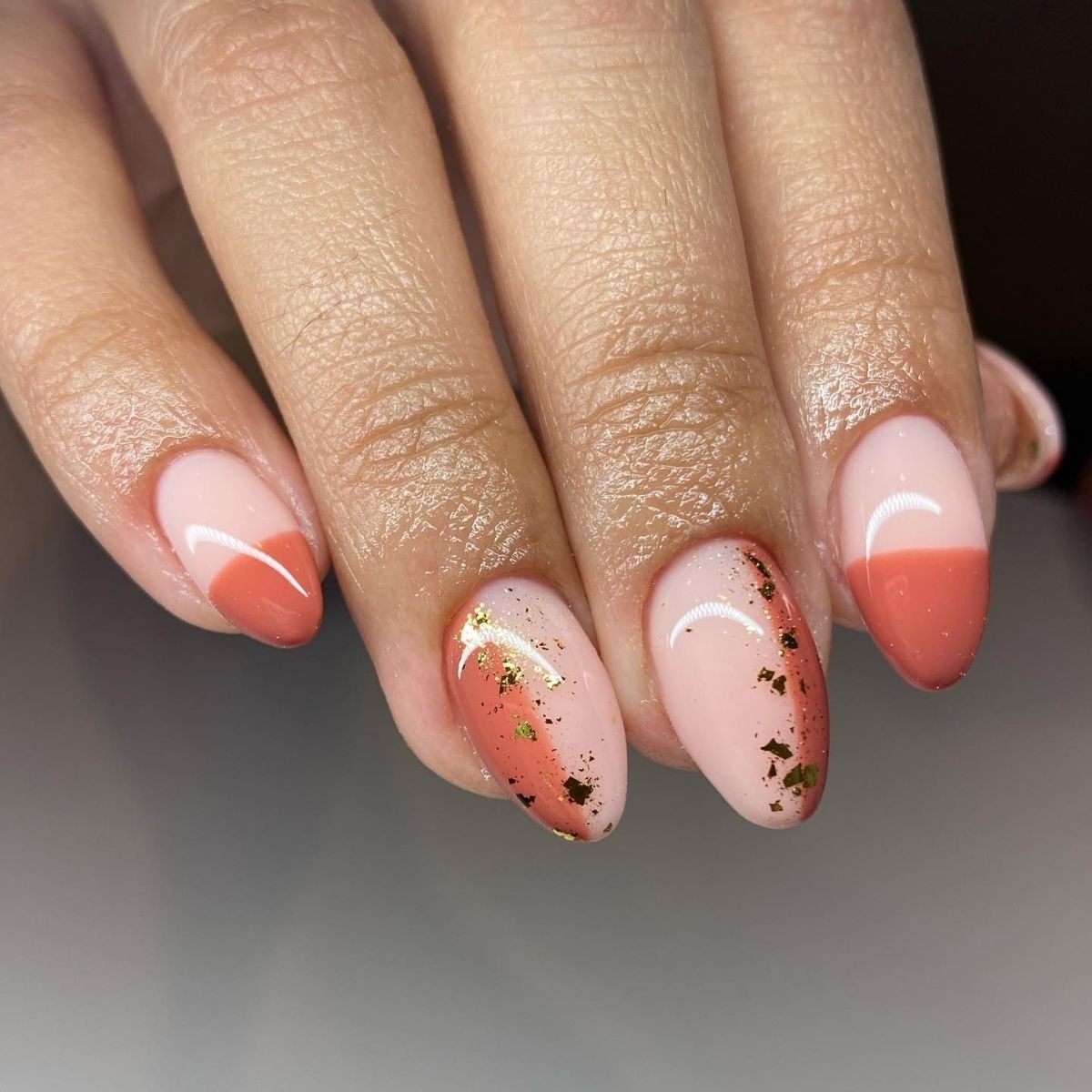
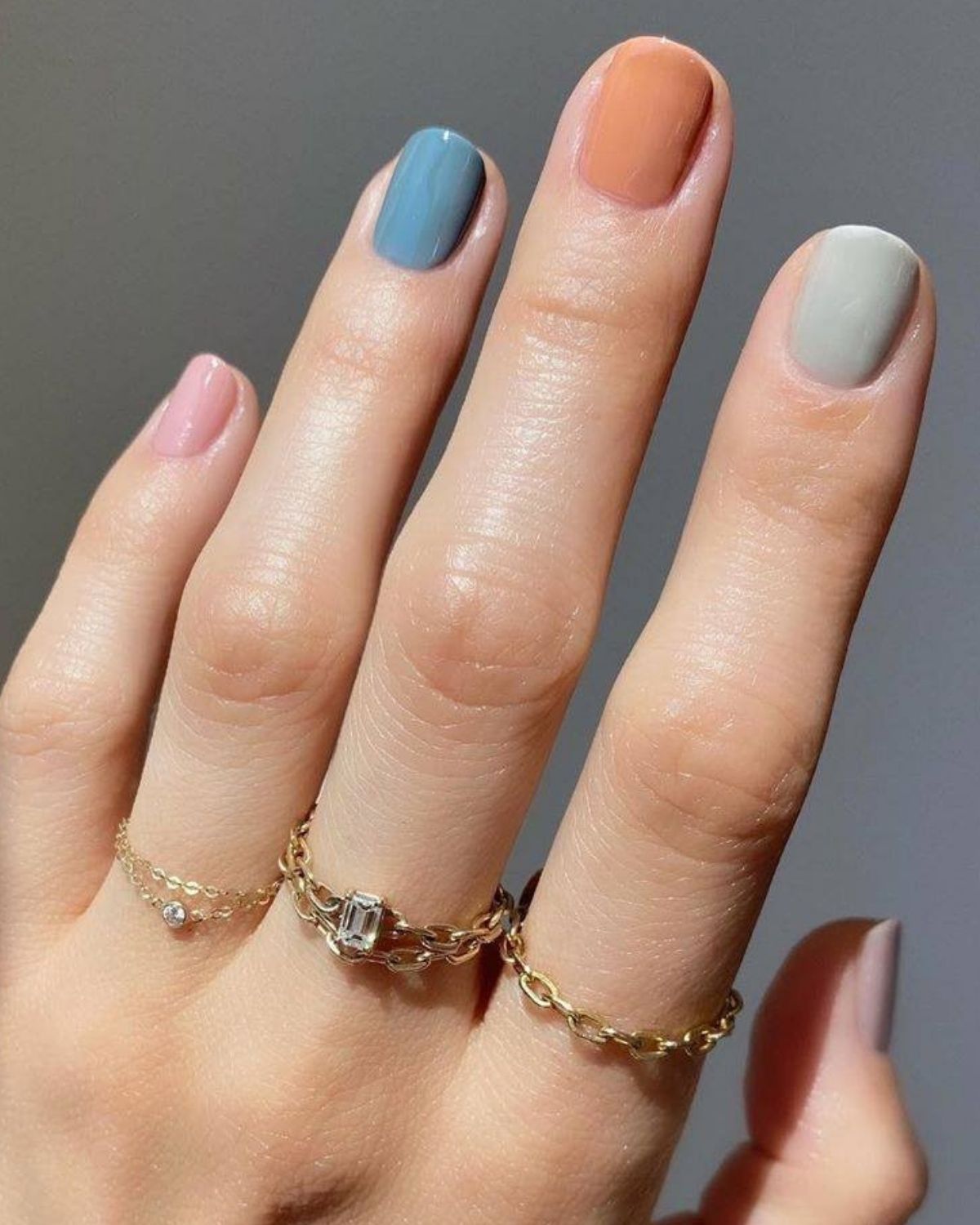
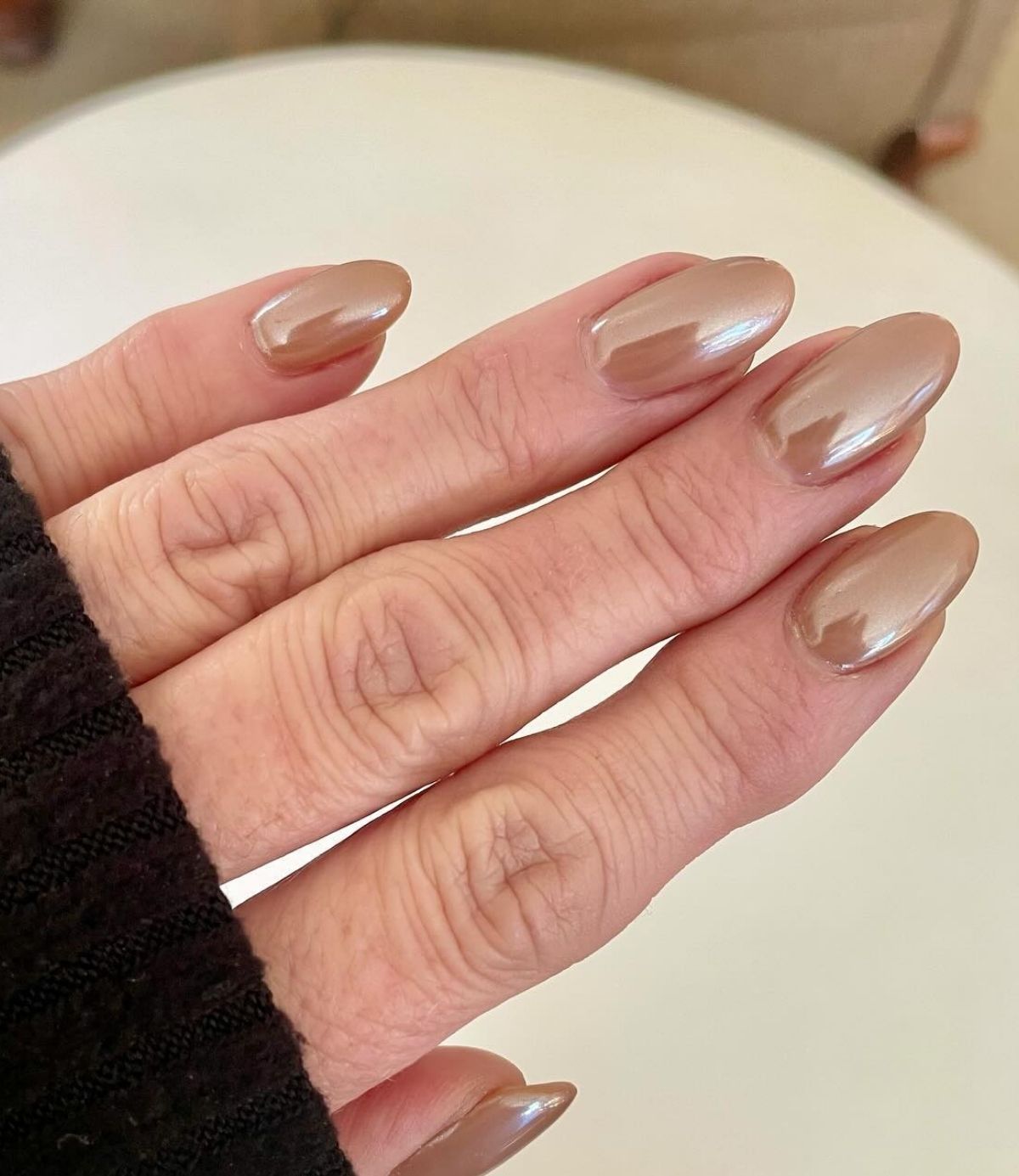
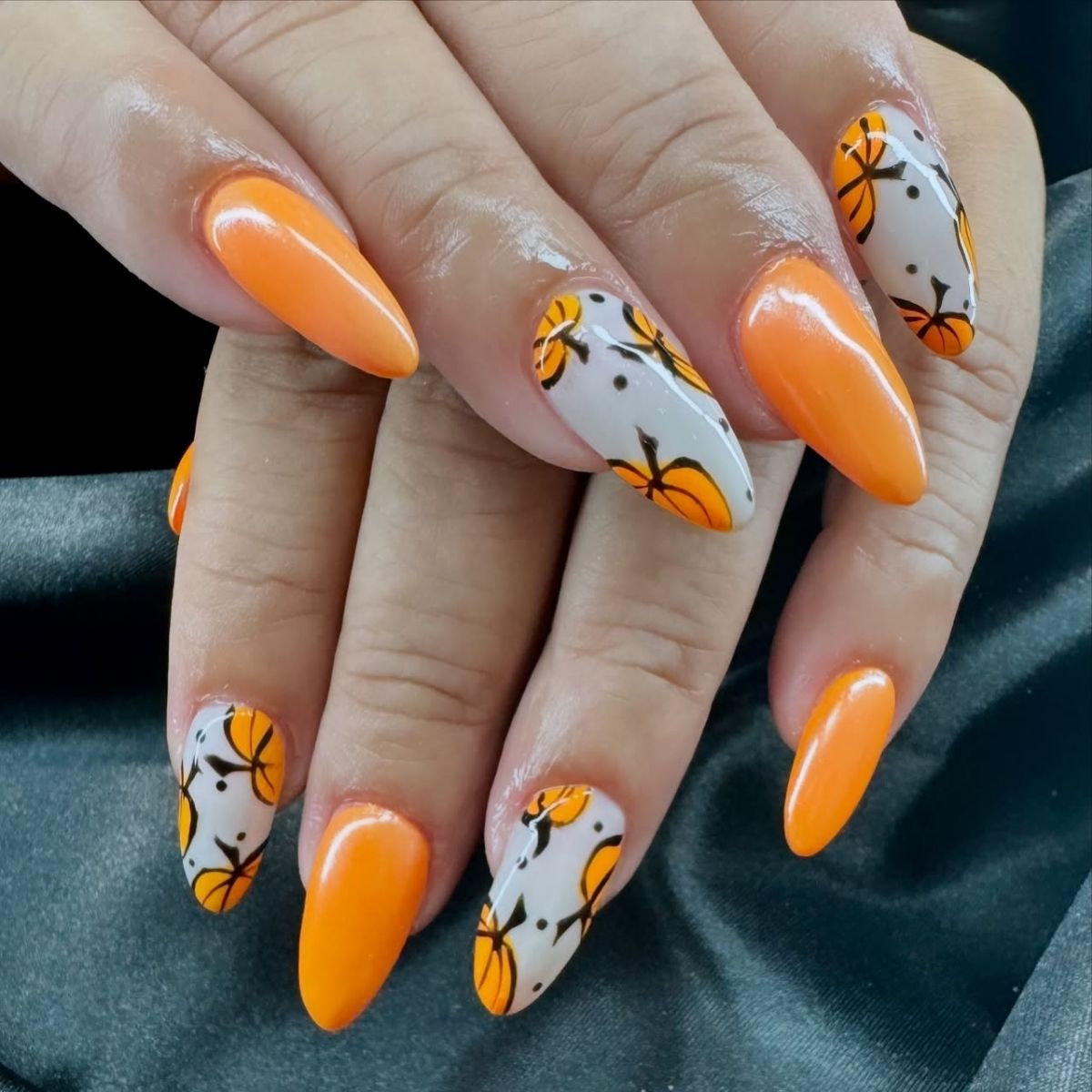
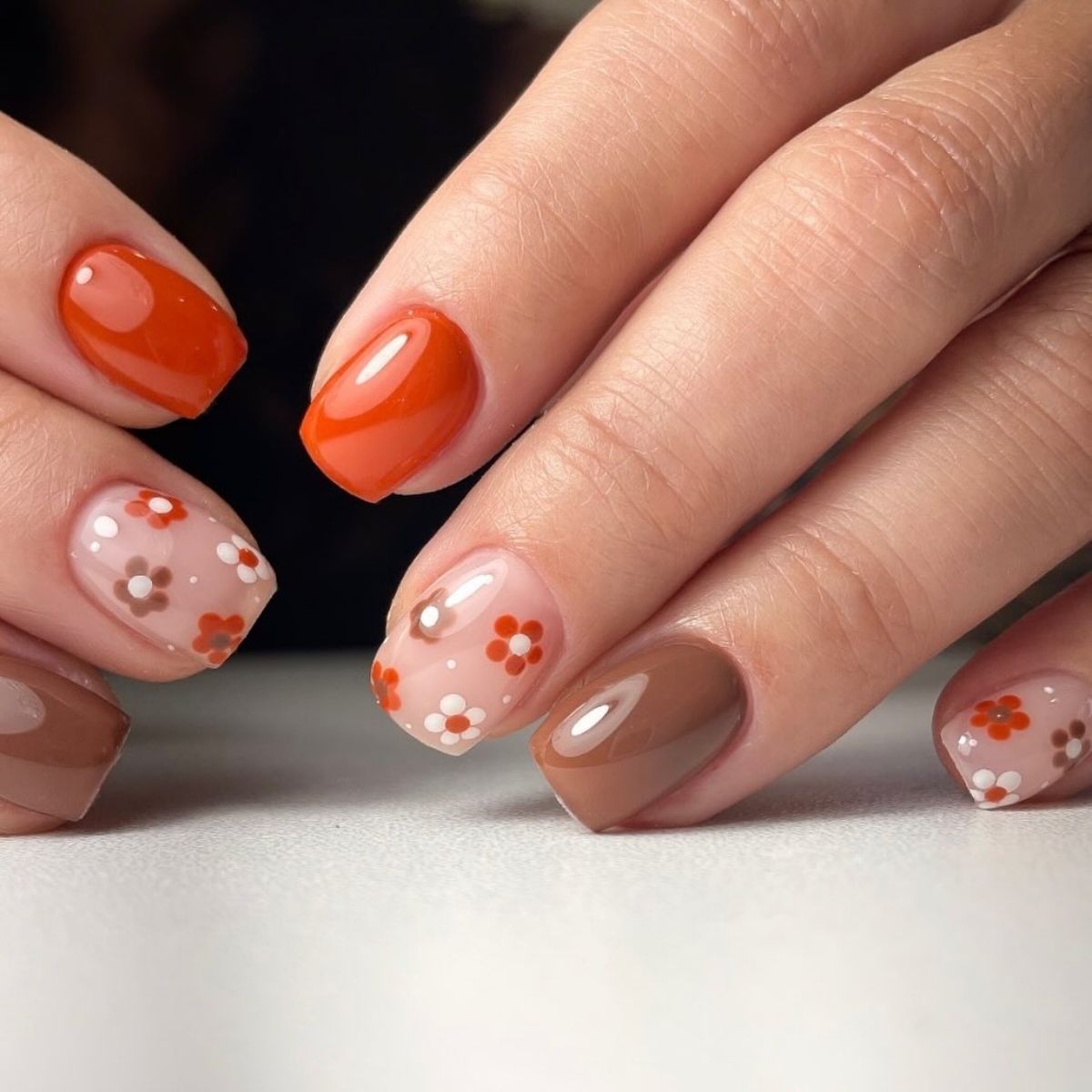
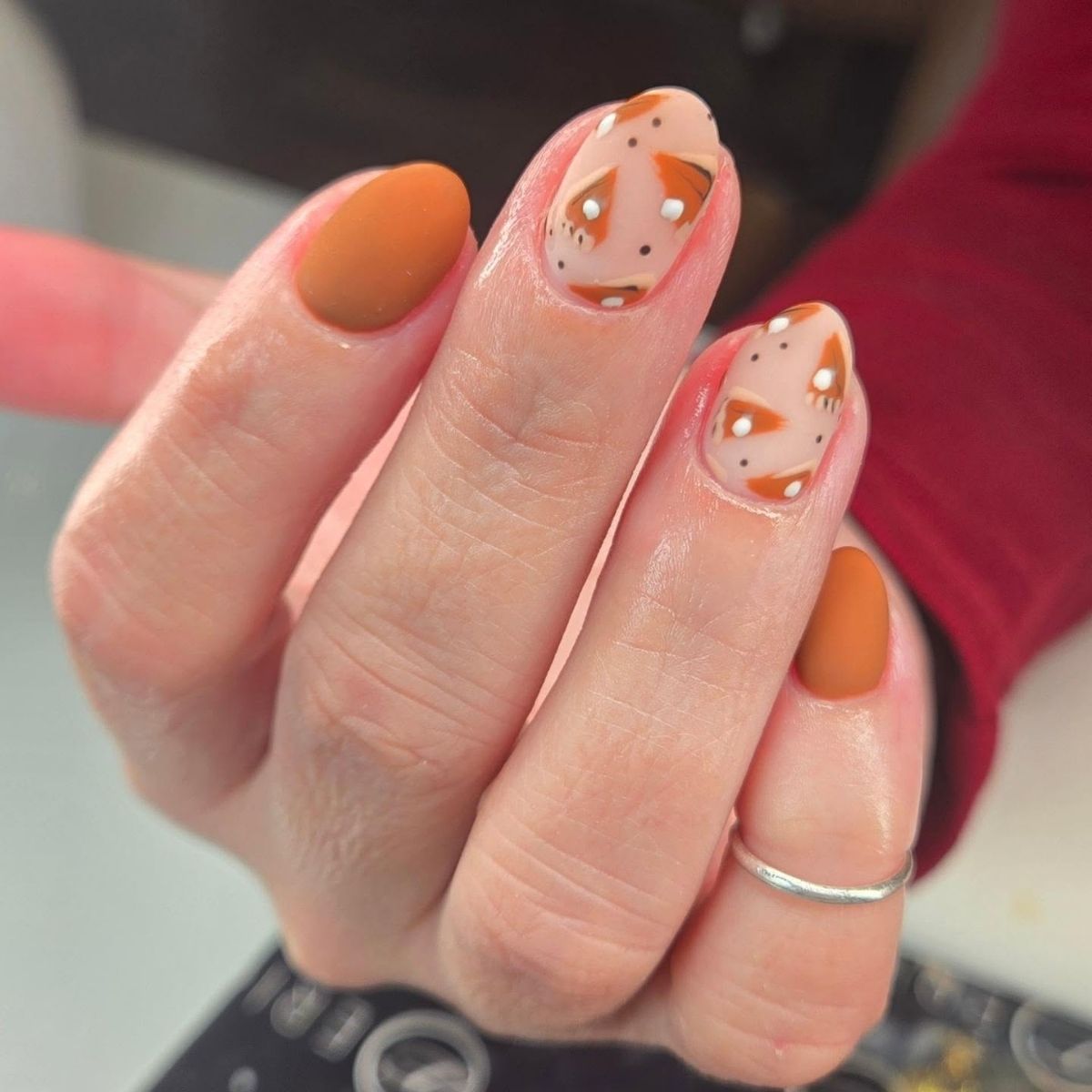
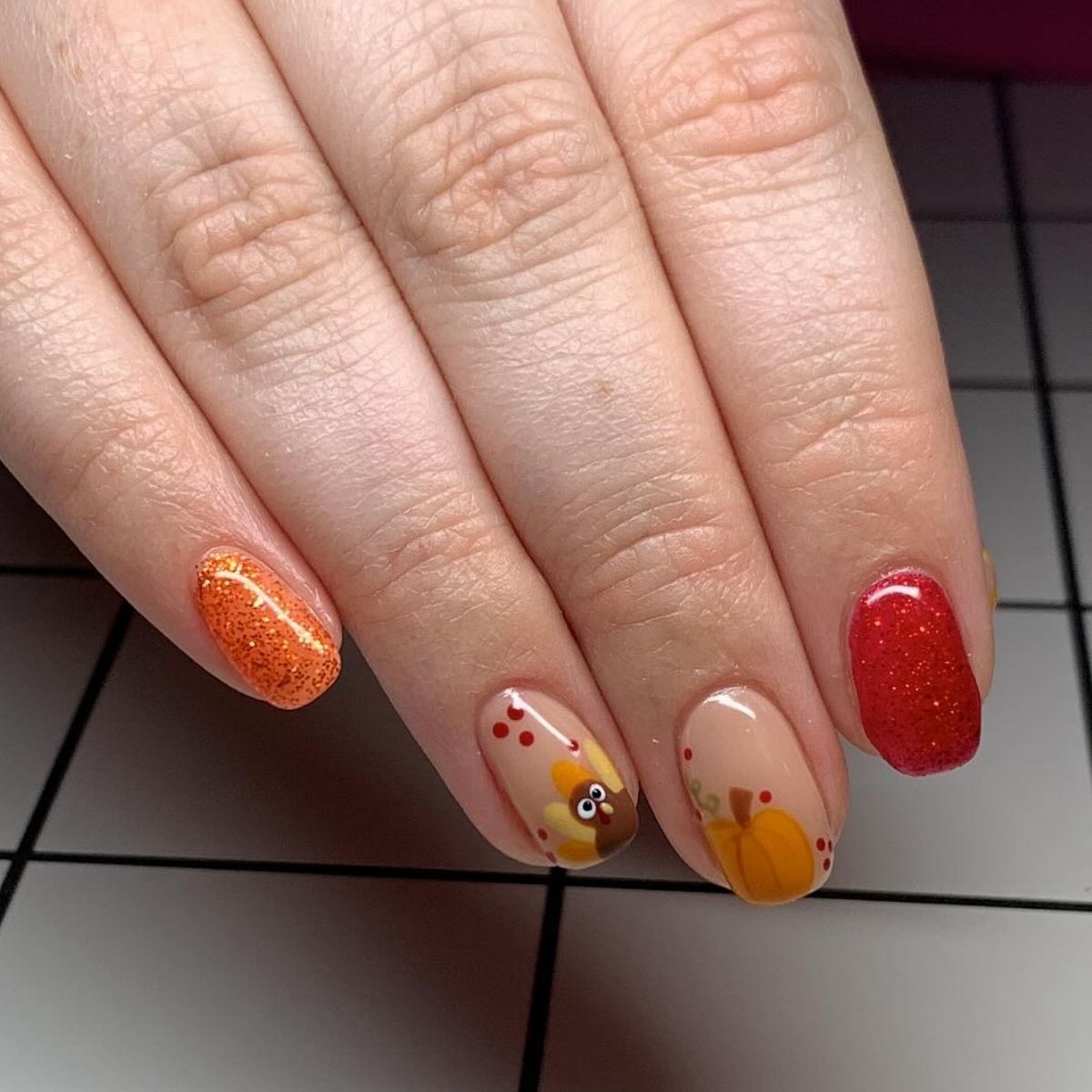
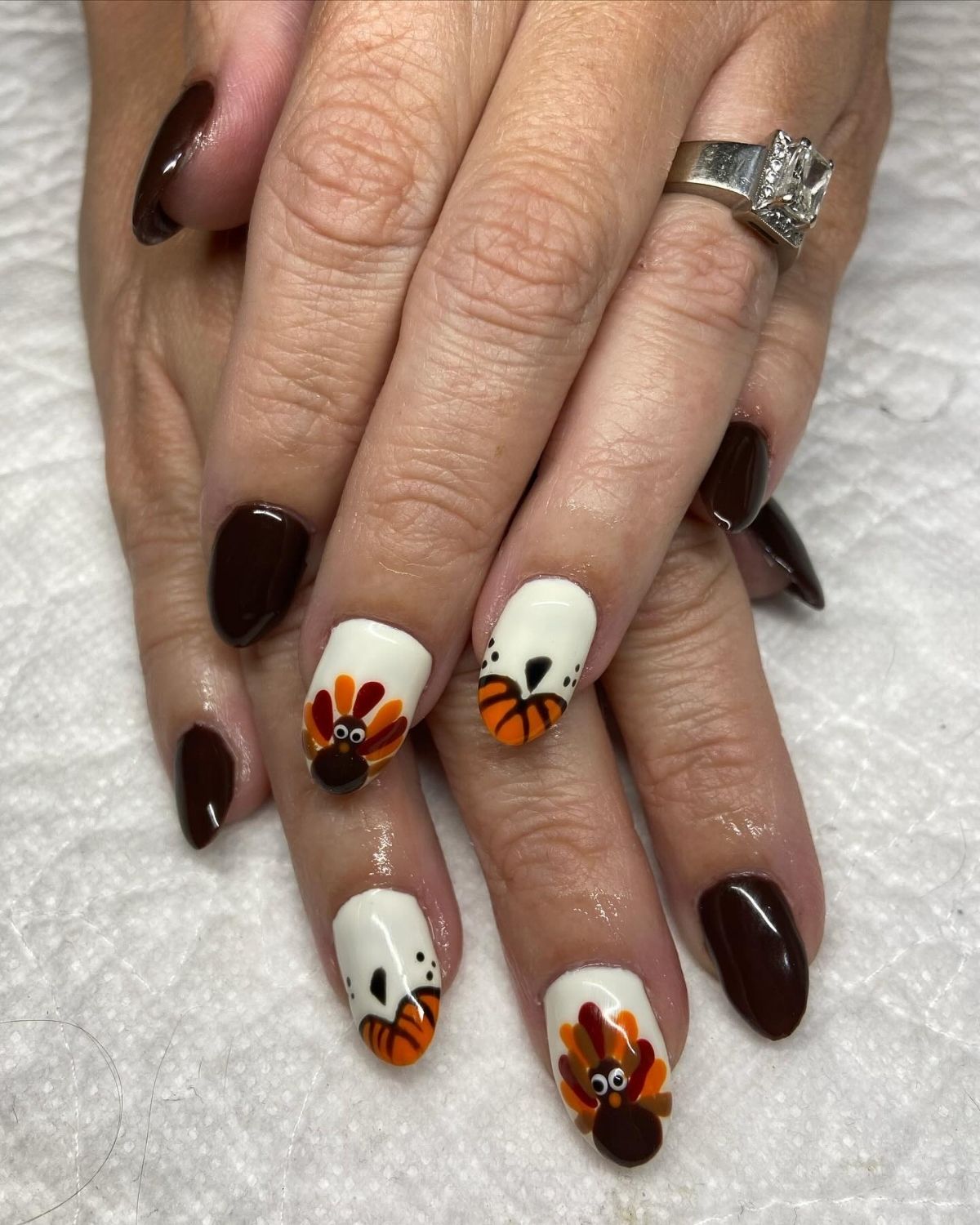
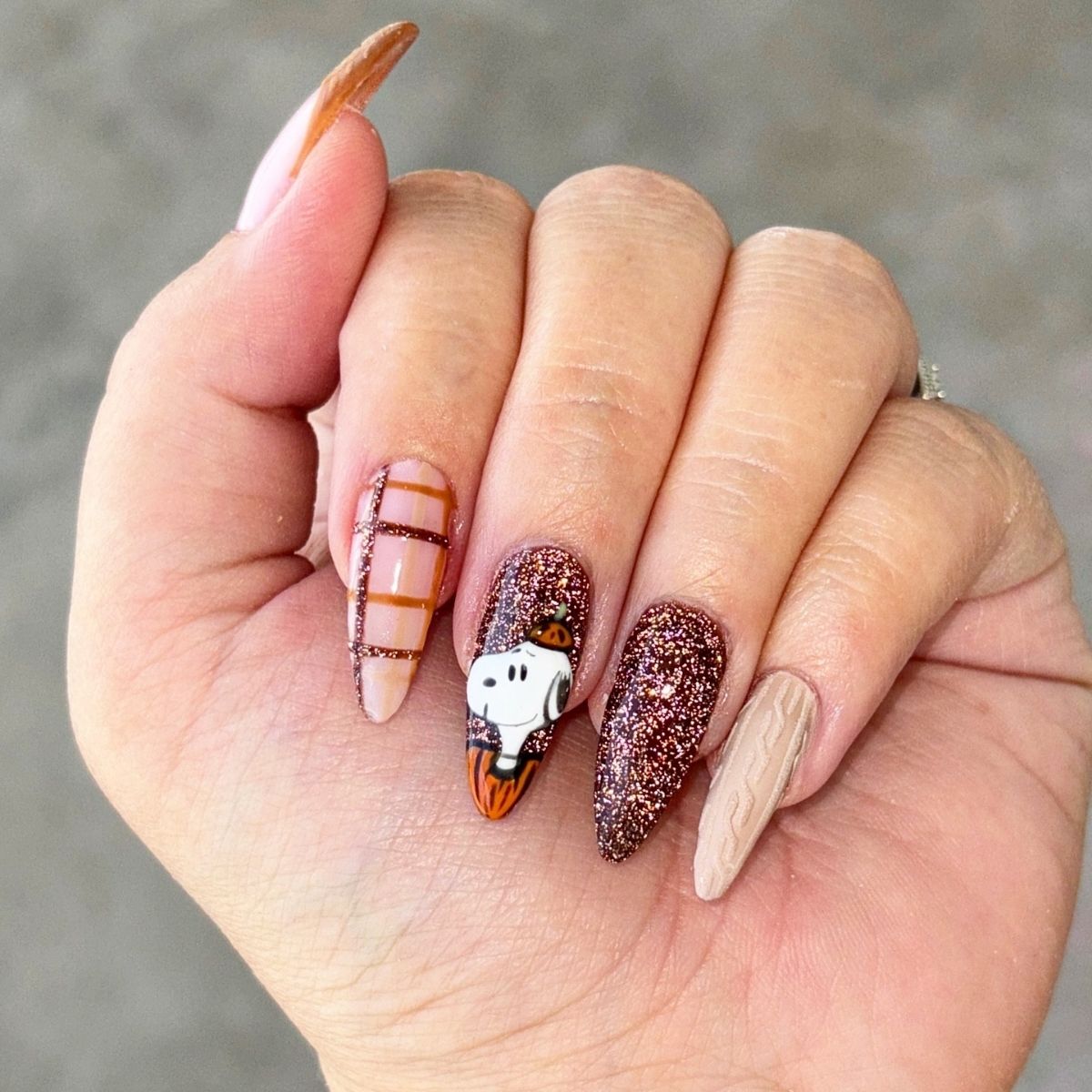
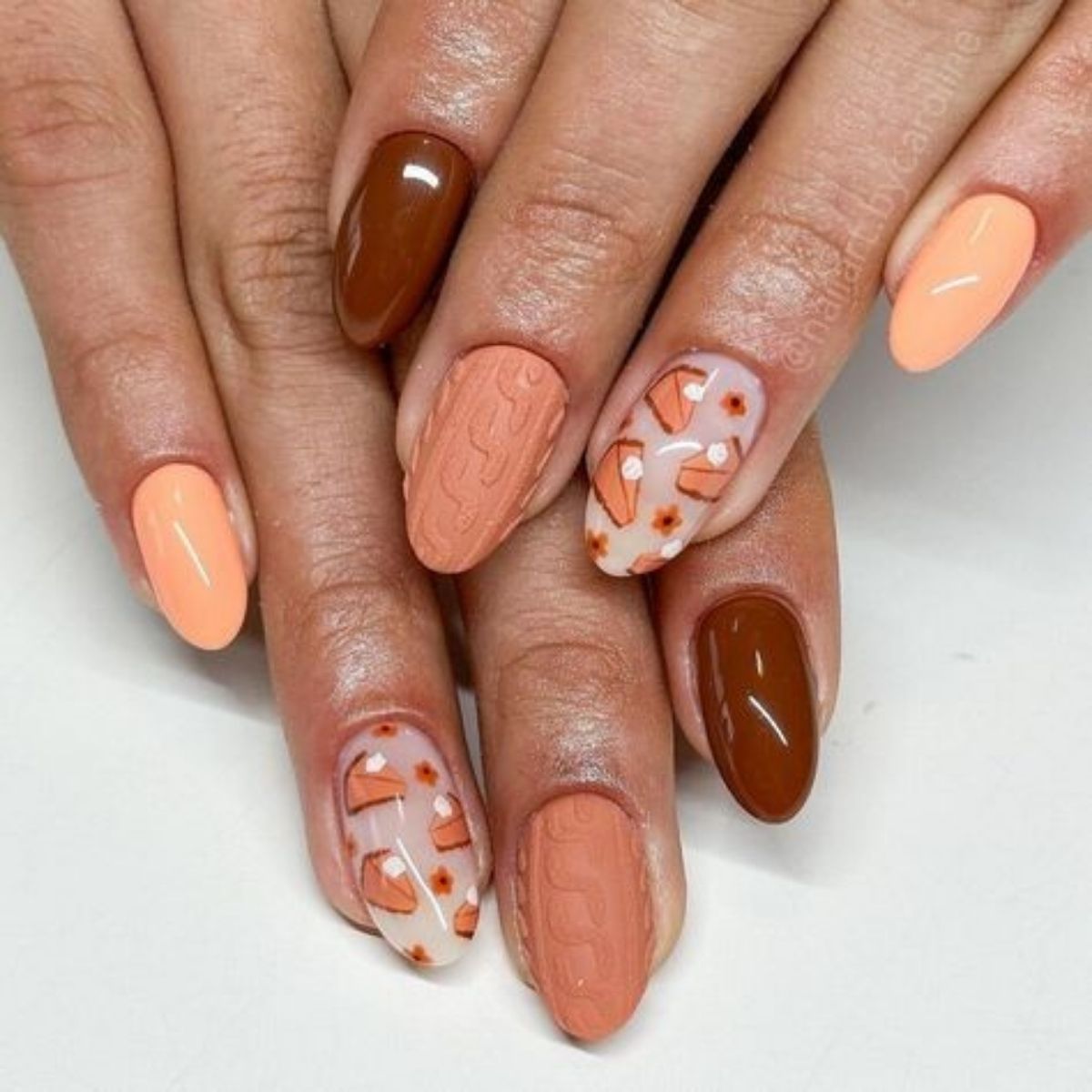
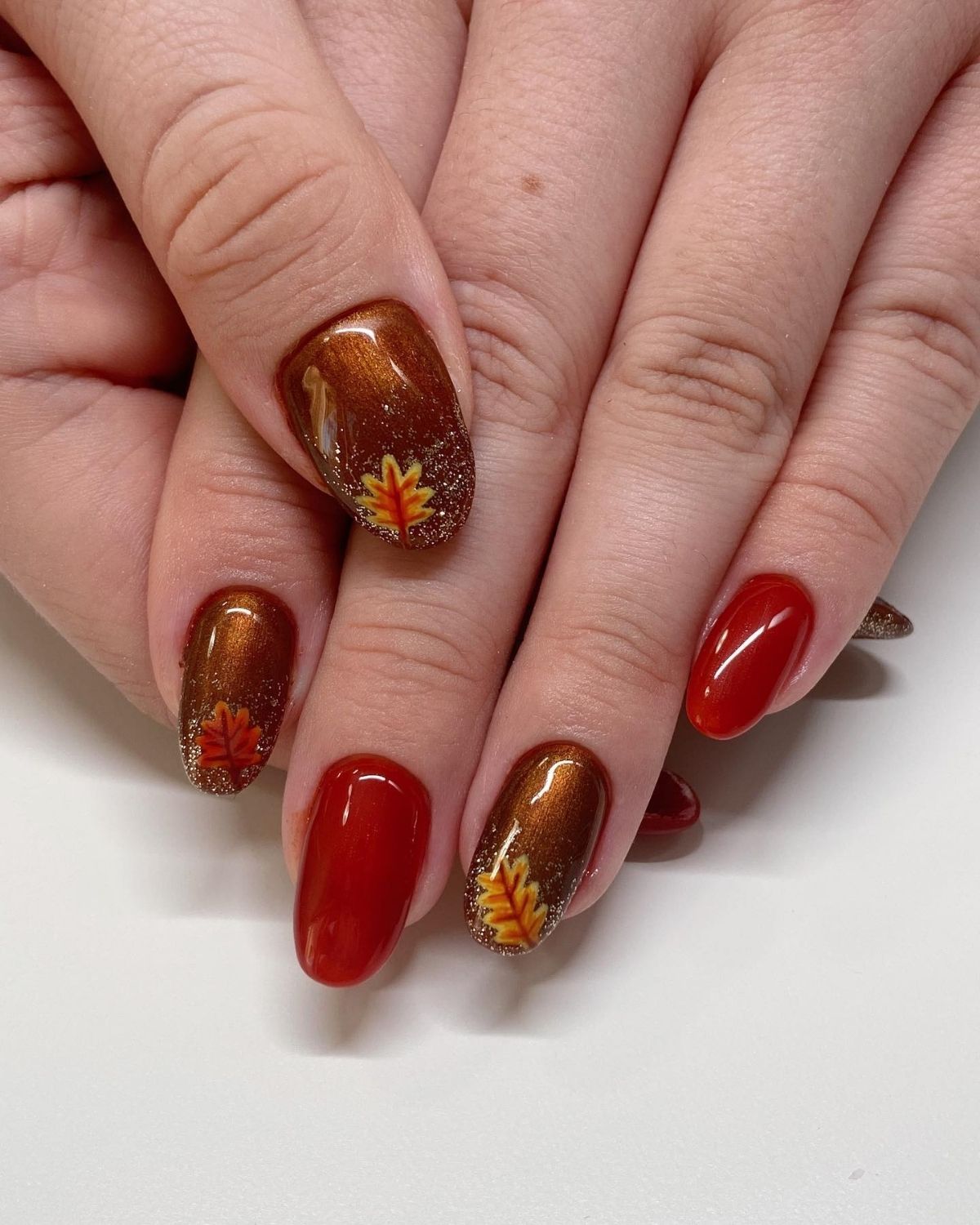
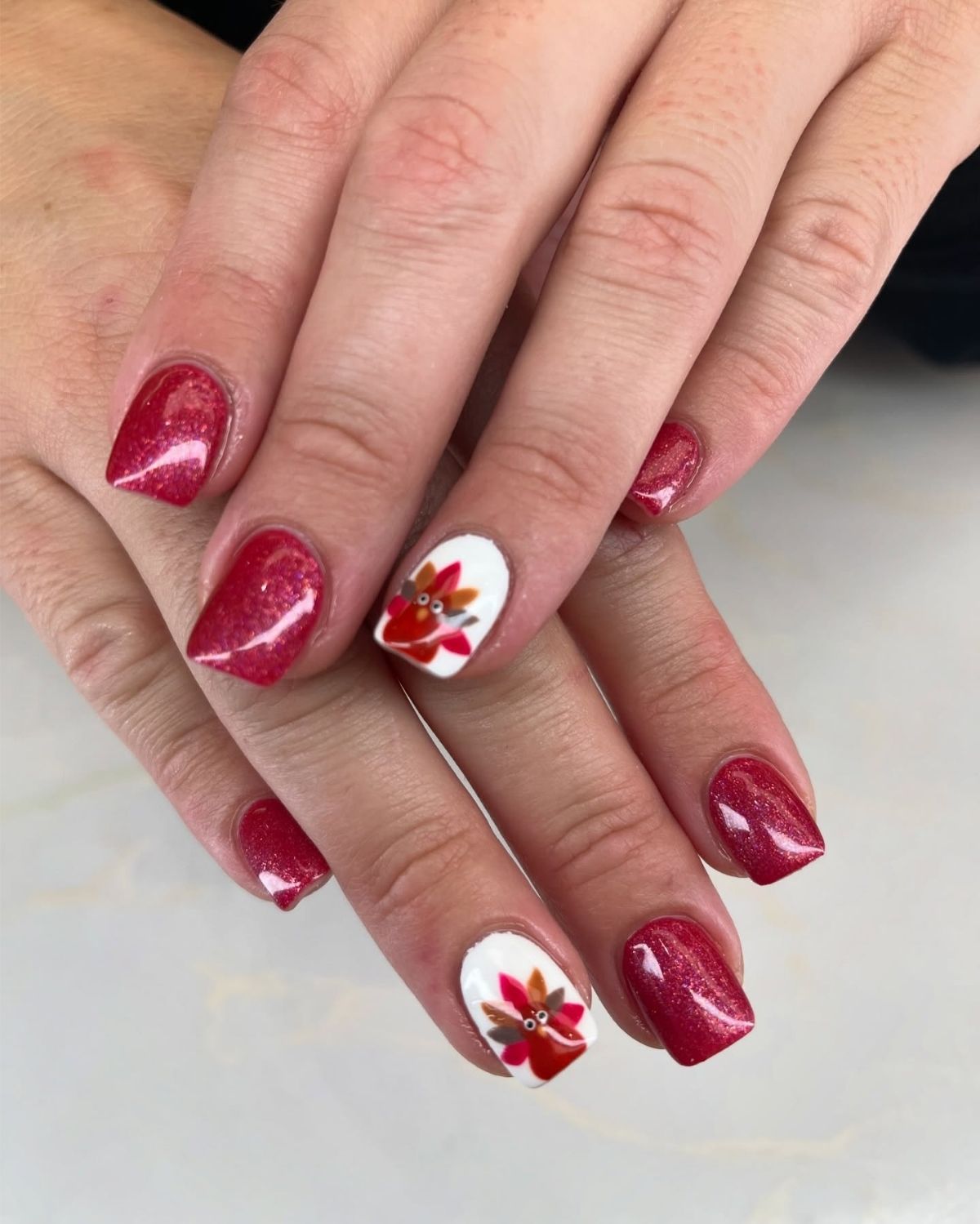
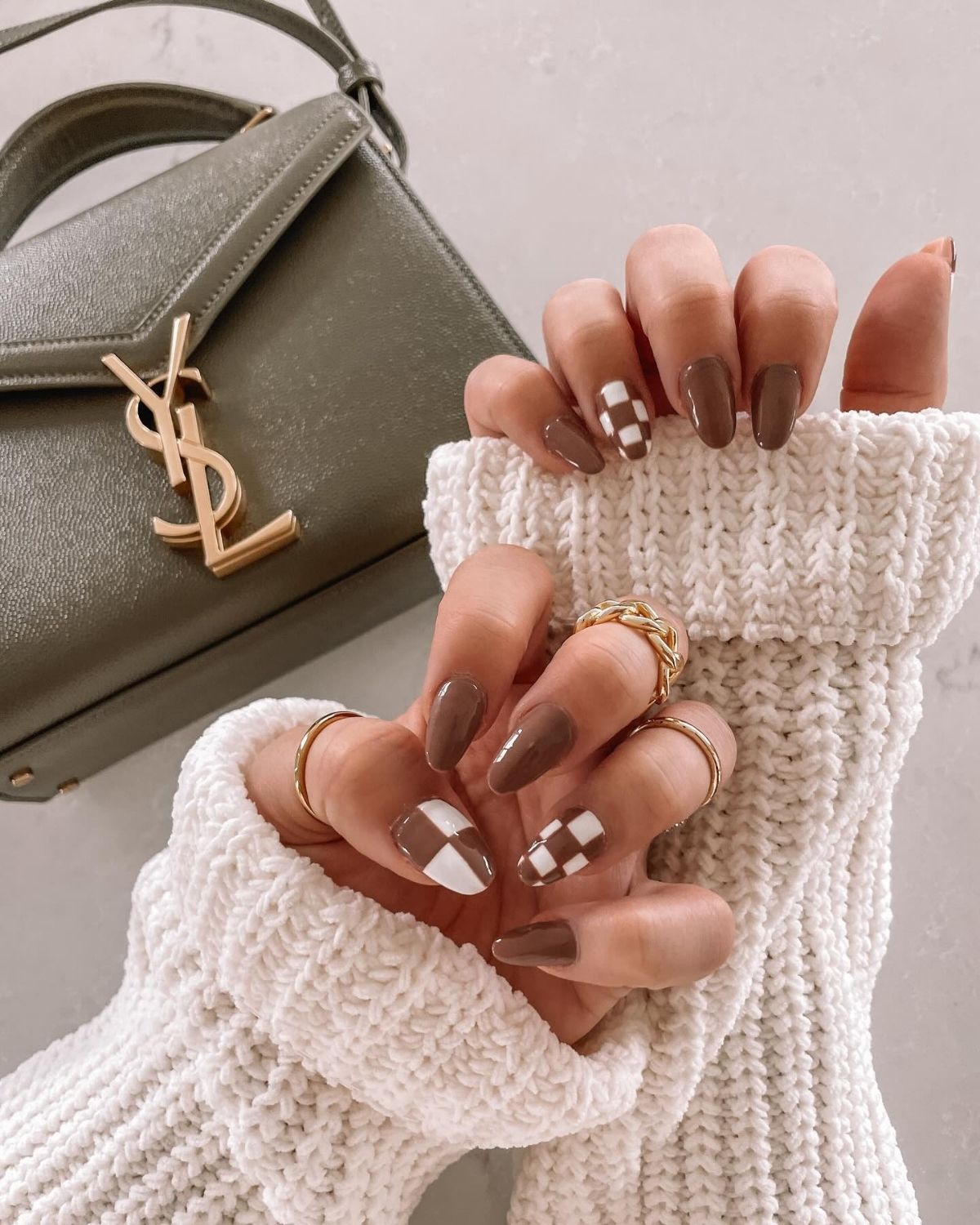
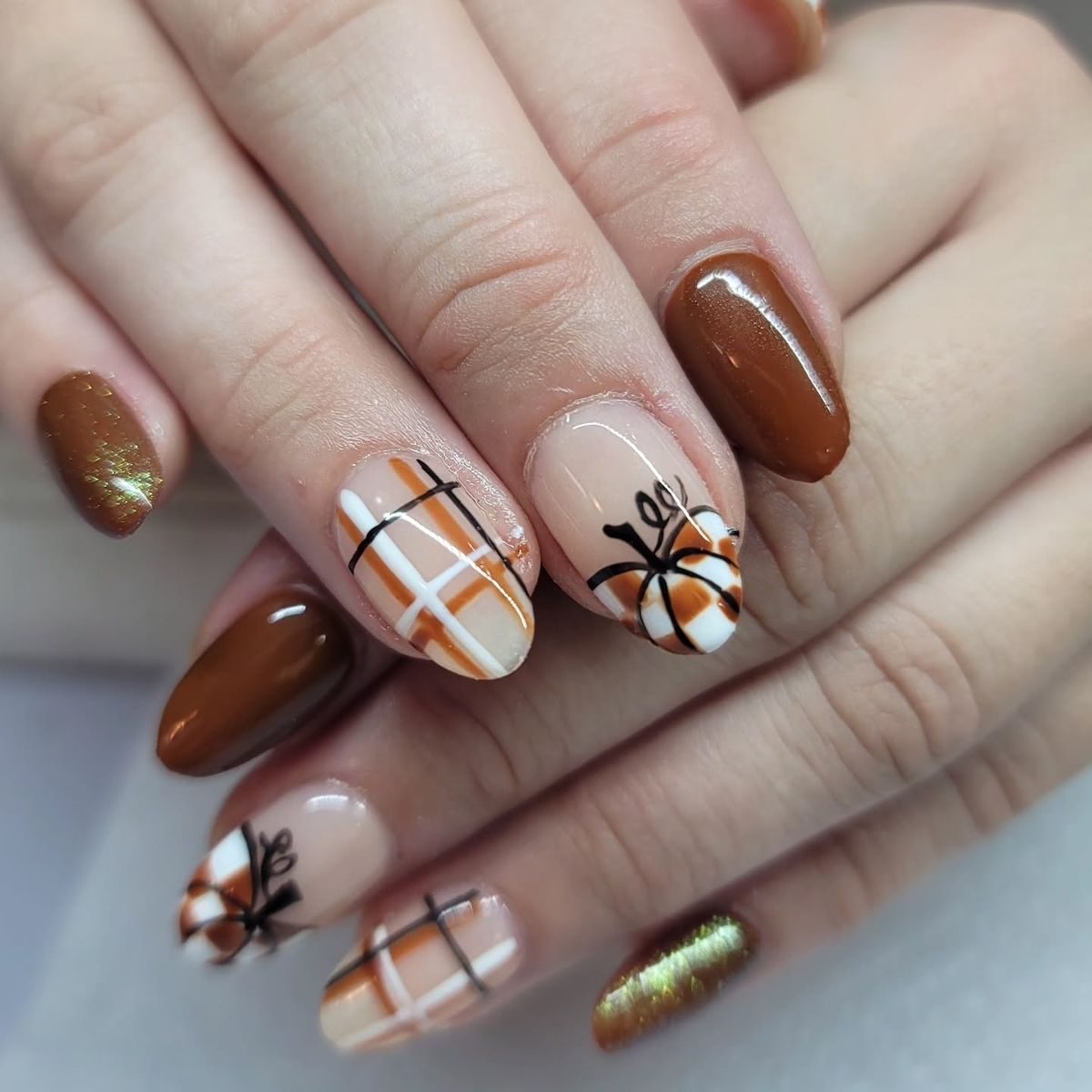
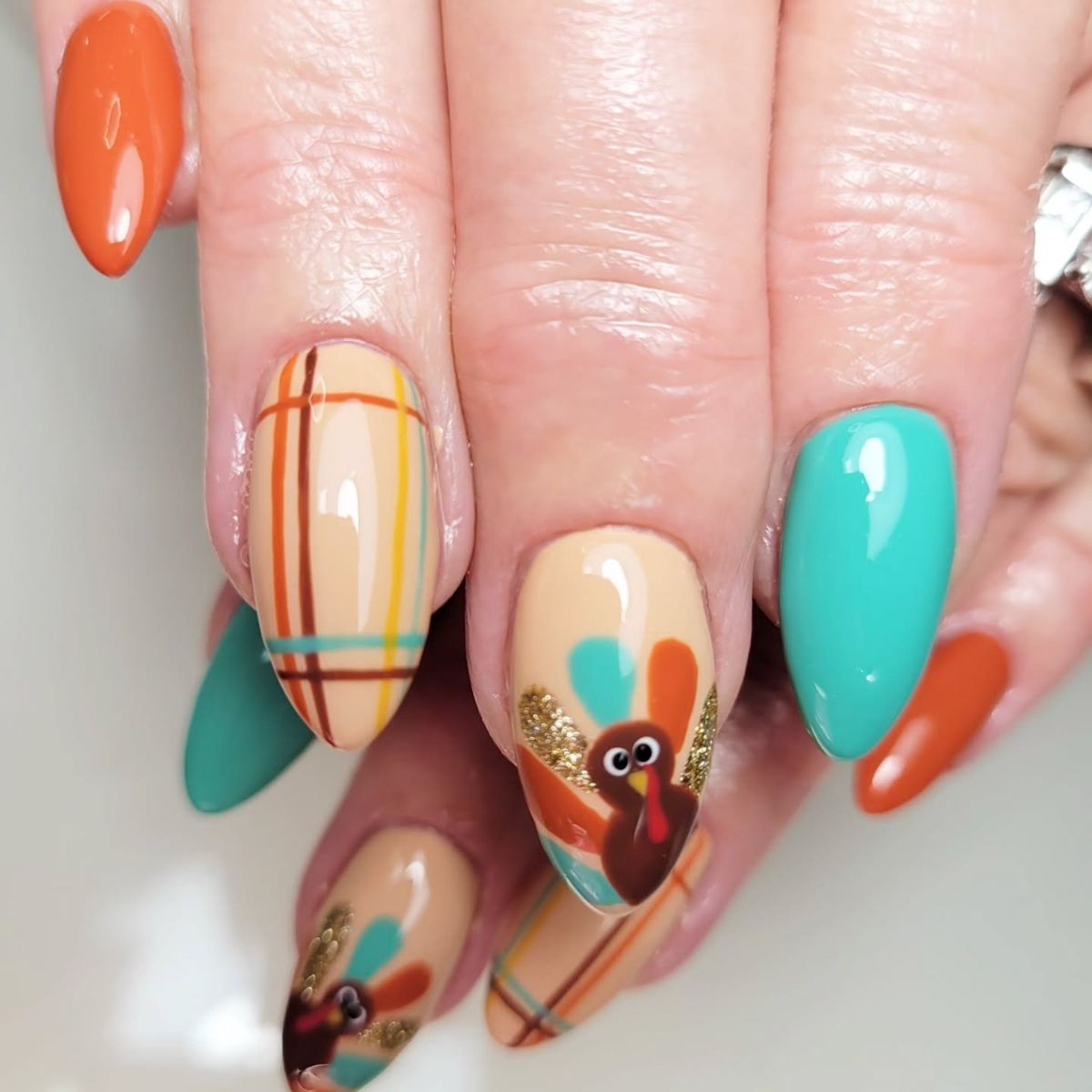
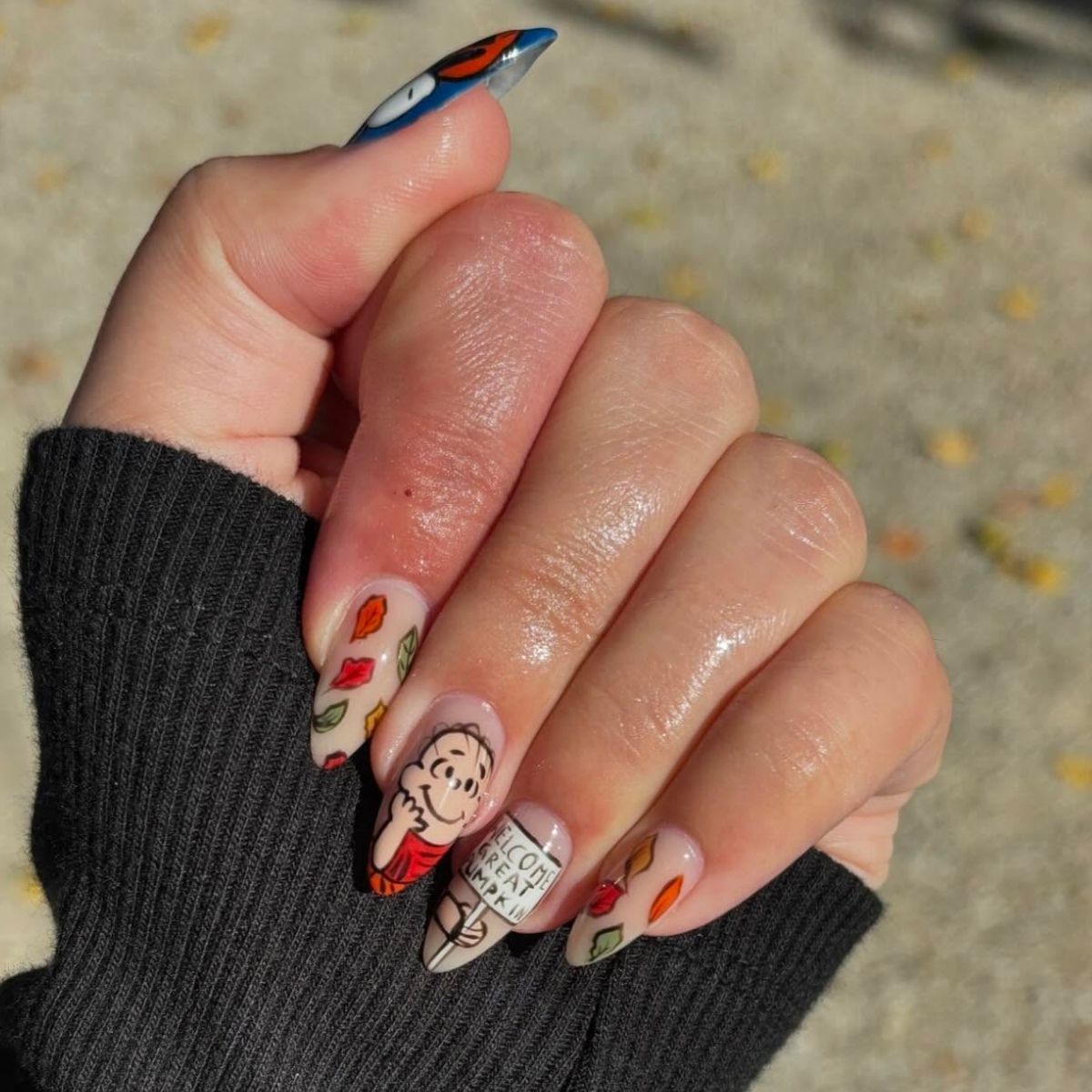
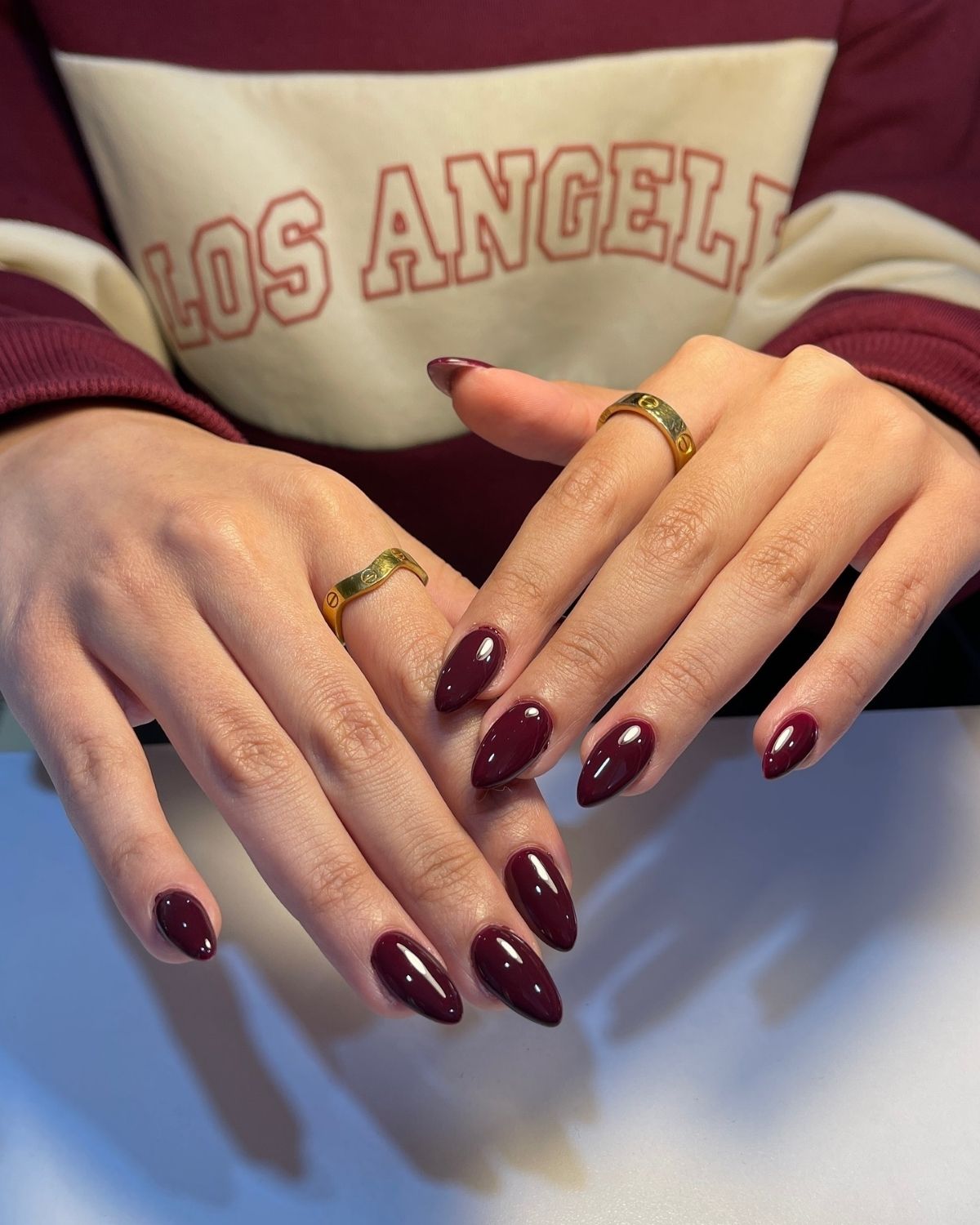
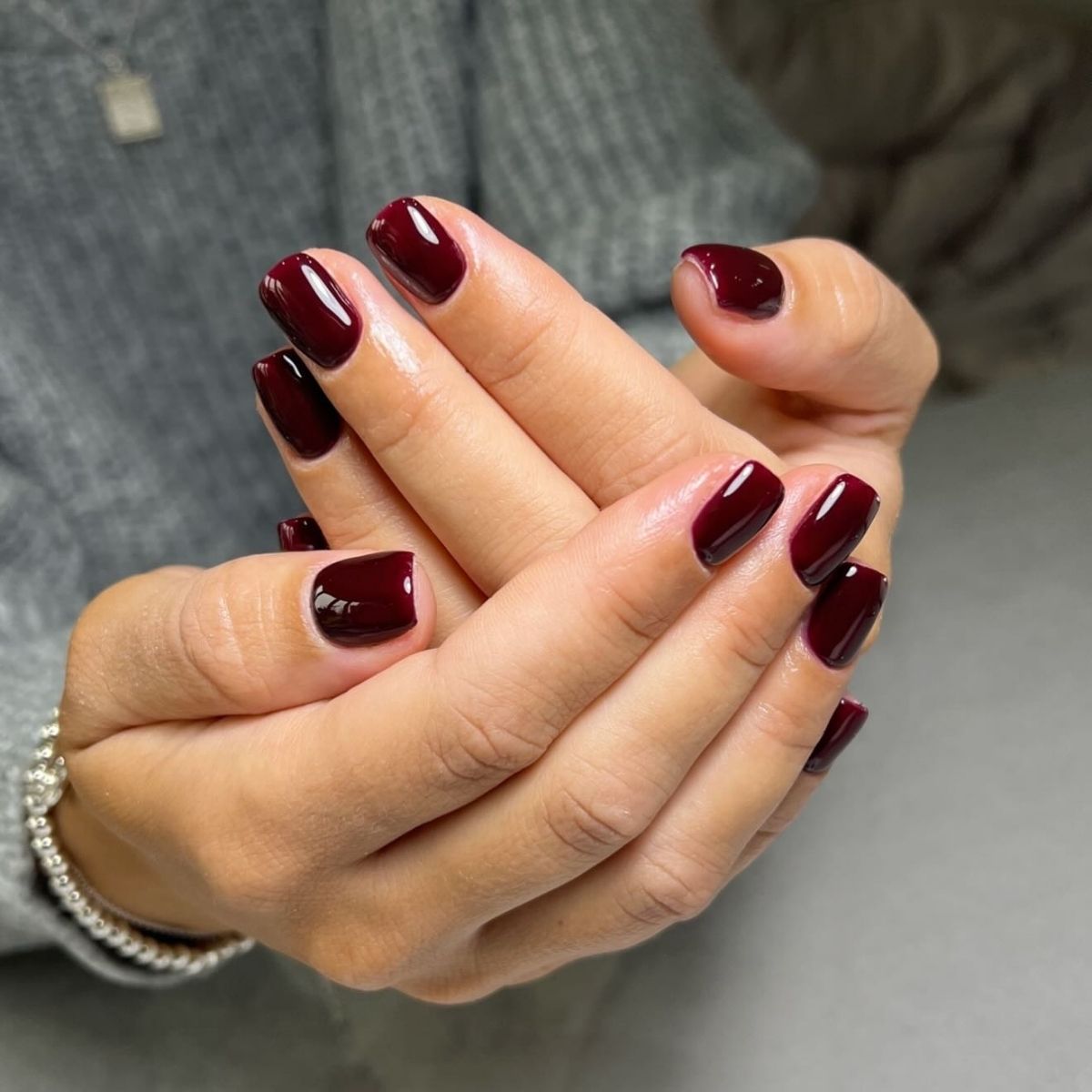
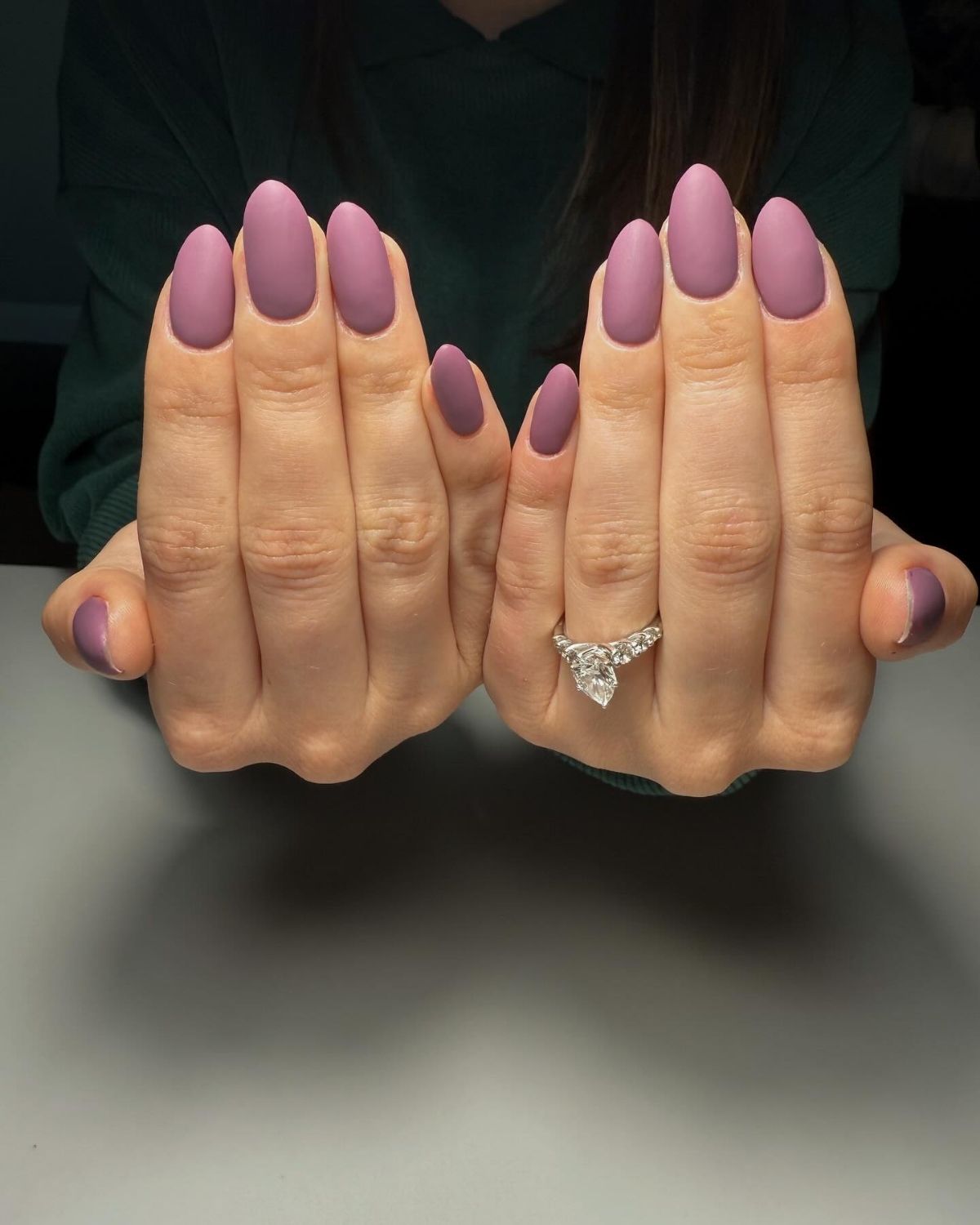
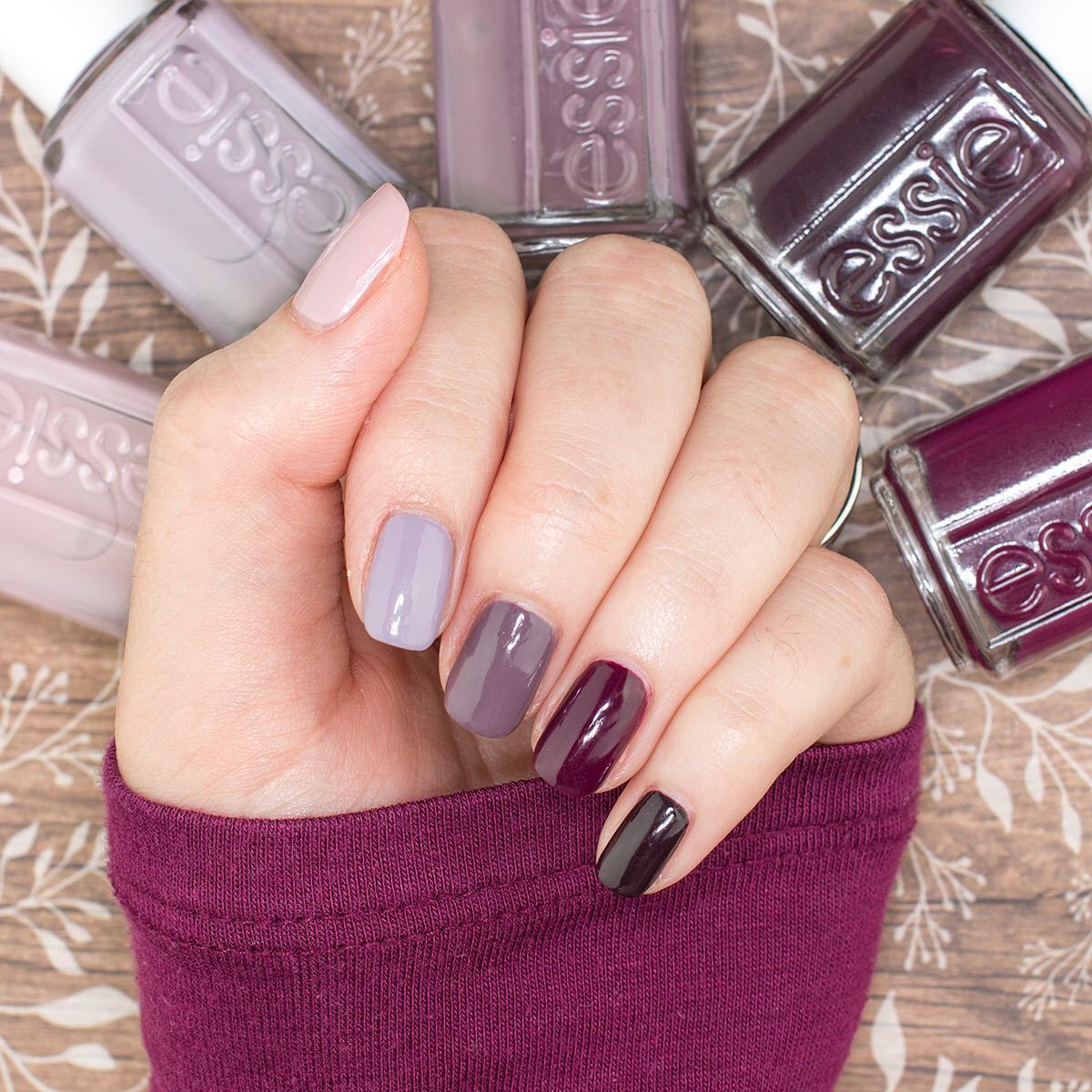
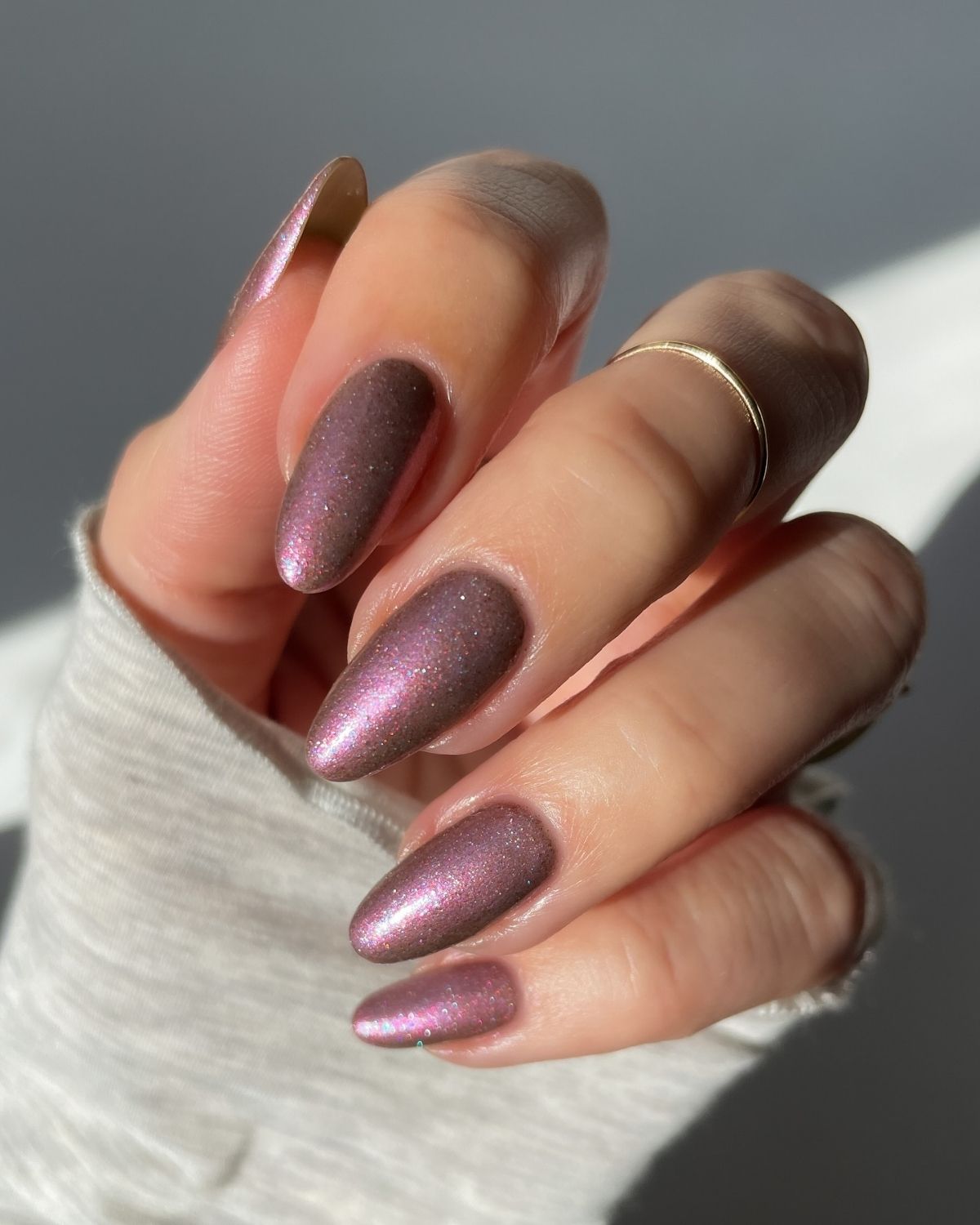
These are some fall nail ideas you’ll love. They are simple, pretty, and the best colors and themes for fall.
There are nails that are long, short, pointy, round, square, and more. You are sure to find some nail inspo for this fall that you’ll want to copy for your nails.
If you’re someone who can’t get enough of the leaves in the fall, then these are the nails for you. They are round and medium length with fall colored leaves painted on them.
Disclosure: Some of the links below are affiliate links. At no cost to you, I will earn a commission if you click through and make a purchase.
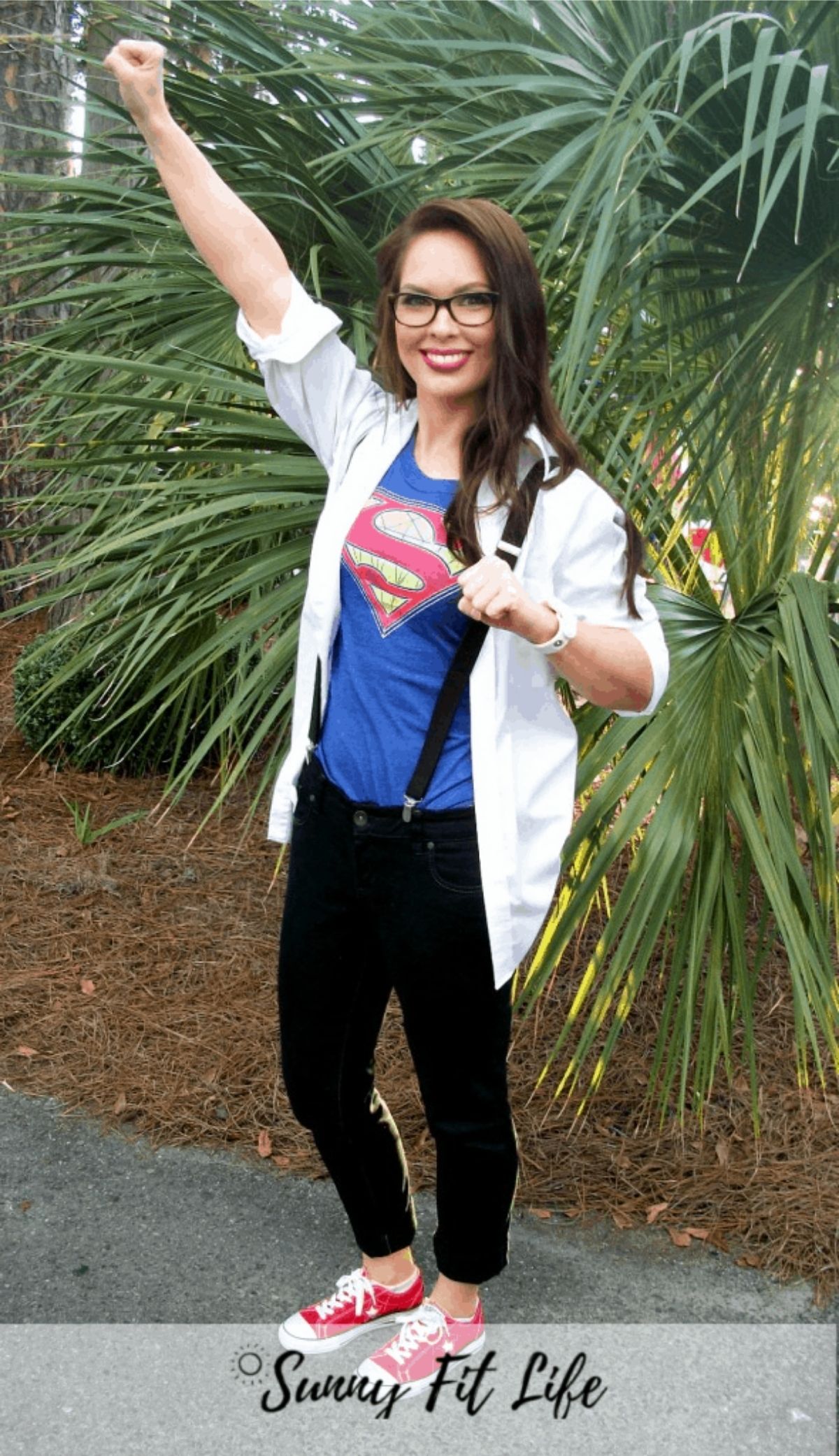
These are some really cute Halloween costumes for teachers.
Teachers can have a lot of fun dressing up for Halloween whether it’s a costume they do on their own or they can coordinate with other teachers at their school for a group costume.
These teacher costume ideas are cute, funny, and appropriate for wearing to work.
This modest Ariel costume is really chic and so fun. It’s perfect for teachers or wearing to the office.
She has on a purple sweater, a green pleated midi skirt, a red headband, a shell necklace, and red heels. She’s also holding a red crab plush to represent Sebastian.
If you’re a fan of Mario, then you need this Princess Peach Halloween costume for work!
The costume comes with 3 pieces. It has the short sleeve pink dress, a tulle skirt to wear under the dress for added volume, and a crown that’s attached to a headband.
Waldo is one of my favorite costumes I own! It’s cold on Halloween where we live, so I appreciate the long sleeve shirt and beanie. They keep me much warmer than other costumes I’ve worn!
This costume comes with a red and white striped shirt, a red and white beanie, and black round glasses. I wore it all with black mom jeans and white sneakers.
I got the costume in size x-small and it fit me perfectly.
Disney princesses are known for being beautiful, smart, and kind. Snow White is no exception to those qualities!
I loved wearing this Snow White costume for women and felt so elegant in it. Also, I love costumes like this where people know exactly who you’re dressed up as and don’t have to guess.
This dress is floor length and it has blue and red on the top and yellow on the bottom. It also came with a red bow headband. I’m wearing a size small and it fit me really well.