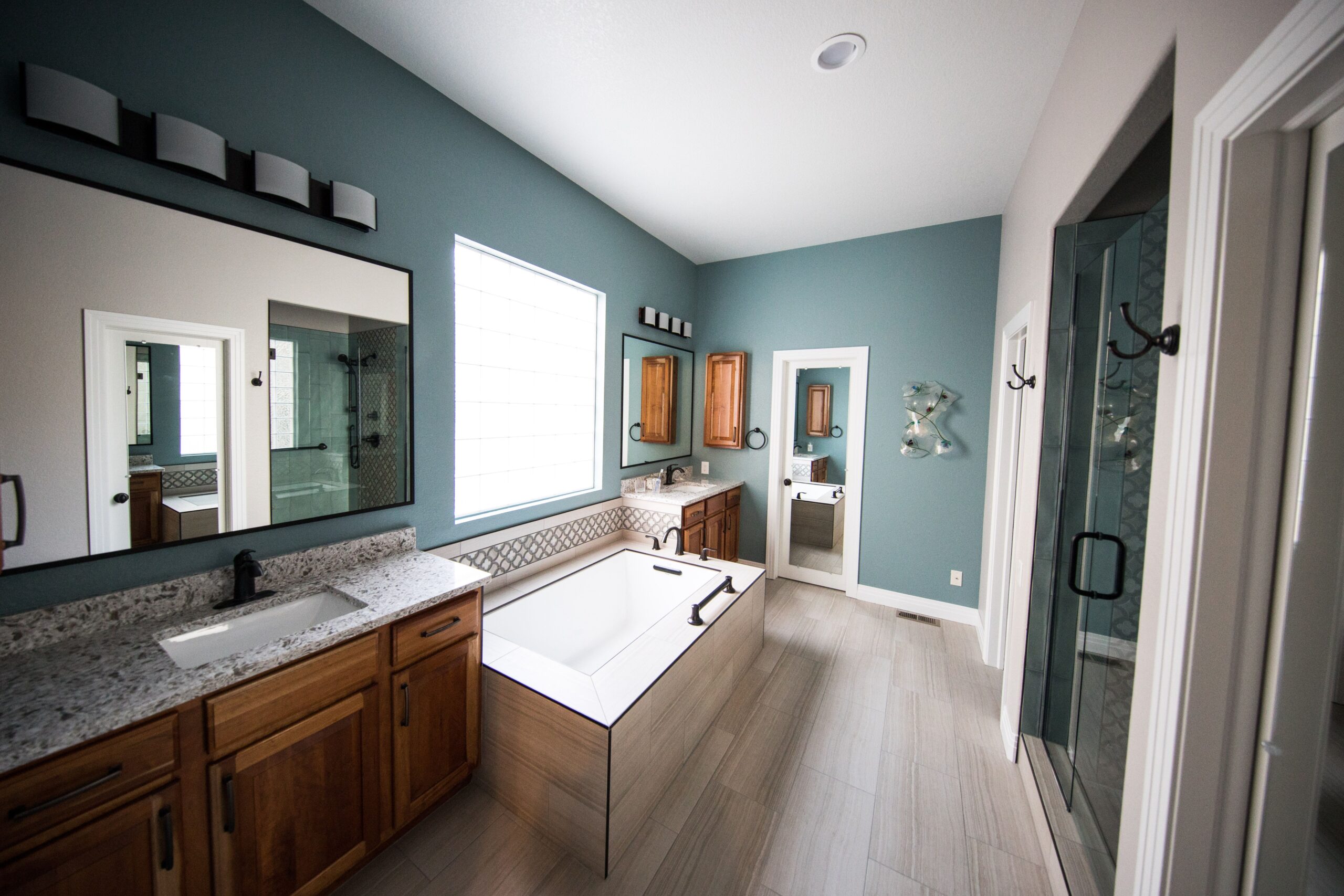
You probably use your bathroom more than almost any other room in your home, yet it often gets treated like an afterthought until something cracks, leaks, or starts looking stuck in another decade. A smart remodel can improve comfort, storage, resale value, and even your morning mood. The trick is knowing where to spend, where to simplify, and how to avoid choices that look good online but feel annoying in real life.
Set a Budget That Includes the Not-So-Fun Costs
Bathroom remodel budgets usually get knocked off course by the unglamorous stuff: plumbing updates, water damage repair, ventilation fixes, and labor. The sleek mirror gets all the attention, but the hidden costs are often running the show backstage.
A realistic budget should include:
- Materials
- Labor
- Permits, if needed
- Demolition and disposal
- Unexpected repairs
- A contingency fund of at least 10% to 20%
You also need to separate wants from must-haves. Heated floors are nice. Fixing a bad subfloor is necessary. If you’re upgrading a wet area such as a shower or tub surround, working with a company like Bath Source can help you evaluate practical options designed specifically for bathroom renovation instead of guessing your way through product choices at a big-box store.
Start With How You Actually Use the Space
Before you pick tile colors or scroll through dreamy remodel photos, pay attention to your real routine. Your bathroom needs to support what you do every day, not just photograph well for three seconds.
Think about questions like:
- Do you need more counter space for skincare, shaving, or hair tools?
- Does more than one person use the room at the same time?
- Are you always short on storage?
- Is the tub collecting dust while you wish you had a larger shower?
A layout that matches your habits will feel better long after trends change. If your household moves fast in the morning, double sinks and better lighting may matter more than a fancy freestanding tub. Good remodeling starts with function. Glam comes after that.
Choose a Layout That Solves Problems, Not Creates New Ones
Moving plumbing lines can raise your costs quickly, so keeping major fixtures in the same general locations often saves money. Still, some layouts deserve a rethink if the room feels cramped, awkward, or hard to clean.
Look closely at:
- Door swing clearance
- Vanity depth
- Toilet placement
- Shower entry space
- Storage access
- Ventilation location
You want enough space to move without bumping into corners or cabinet doors. If a vanity blocks traffic flow, it will feel irritating every single day. Wall-mounted storage, sliding shower doors, and recessed niches can make a small bathroom work harder without feeling packed. Tiny spaces reward smart planning. They punish impulsive measurements.
Pick Materials That Can Handle Steam, Water, and Daily Chaos
Bathrooms look calm when they’re finished. In reality, they deal with heat, moisture, splashes, soap buildup, and constant cleaning. That means your material choices need to be durable, not just attractive.
Good options often include:
- Porcelain tile for floors and walls
- Quartz countertops for low maintenance
- Moisture-resistant paint
- Acrylic or solid-surface tub and shower surrounds
- Hardware with corrosion-resistant finishes
Natural materials can look beautiful, but some require more upkeep than people expect. Marble, for example, can stain and etch. If you don’t want to baby your counters, choose something tougher. The same goes for grout-heavy designs. That intricate mosaic may look amazing now, but if you hate scrubbing grout lines, your future self may file a complaint.
Lighting Can Make or Break the Whole Room
A bathroom with poor lighting can make even a fresh remodel feel disappointing. Shadows near the mirror, dim overhead fixtures, and overly cool bulbs can turn a useful room into a daily annoyance.
A better plan uses layered lighting:
- Overhead lighting for general brightness
- Task lighting at the mirror
- Accent lighting for atmosphere or nighttime use
- Natural light, if available
Install vanity lights at eye level when possible to reduce harsh shadows. Bulbs in the 2700K to 3000K range usually create a warm, clean look without making the room feel yellow. If your bathroom has no window, lighting matters even more. It shapes how the tile looks, how your skin looks, and how awake you feel at 6:30 a.m., which is no small detail.
Storage Should Be Built Into the Plan From Day One
Storage often gets handled at the end, which is exactly how clutter sneaks in. If your counters are always crowded, adding better storage may improve the room more than an expensive design feature.
Useful storage ideas include:
- Vanity drawers with organizers
- Recessed medicine cabinets
- Built-in shower niches
- Tall linen cabinets
- Open shelving for items you use often
- Hooks for towels and robes
Think beyond where items fit. Consider where they’re used. Towels should be near the shower. Everyday toiletries should be easy to reach. Backup supplies can go higher or farther away. Smart storage reduces mess and friction. It also makes a bathroom feel more polished because fewer things are sitting out trying to start a countertop takeover.
Ventilation and Waterproofing Deserve More Respect
These two details don’t get much love on social media, but they matter more than many visible upgrades. A bathroom without proper ventilation invites mold, peeling paint, and lingering moisture issues. Weak waterproofing can lead to damage behind walls and under floors.
Make sure your plan covers:
- A properly sized exhaust fan
- Waterproof membranes in wet areas
- Sealed joints and transitions
- Quality caulking around tubs, showers, and sinks
- Moisture-resistant backer materials
If your mirror fogs up and stays fogged, your fan may not be doing enough. Ventilation should remove humid air efficiently, not just make a little noise and pretend to help. Waterproofing is similar. You won’t admire it every day, but you’ll definitely notice when it fails.
Balance Style Trends With Long-Term Practicality
Trends can be fun, but bathrooms are expensive to redo. That makes it smart to choose lasting finishes for big-ticket items and save trendier choices for things that are easier to update.
A balanced approach might look like this:
- Neutral tile for floors and showers
- Timeless vanity shapes
- Trend-driven mirrors or light fixtures
- Bold paint in smaller areas
- Hardware that can be swapped later
If you plan to sell within a few years, broad appeal matters. If you plan to stay put, your preferences count more. Either way, avoid building the whole room around one trend that may feel dated quickly. Matte black fixtures, dramatic stone, and high-contrast palettes can look sharp, but they need to work with your home and your maintenance tolerance.