One of the most important skills any child must develop, especially as school approaches, is the ability to read. Having a decent grasp of early reading skills in those first school years gives them a genuine head start. Every child is different and develops at their own pace.
If your child isn’t reading out whole words by 3, it doesn’t necessarily mean that there’s anything to worry about. However, knowing the milestones they should be hitting as the years go by can help you focus on which skills to work on.

Age 3-4: Recognizing Letters And Sounds
Right around the age when children start getting ready to enter preschool, this is when they begin to recognize early phonics, as well as start to connect sounds to individual letters, such as “buh” being the B sound.
They’re not typically able to start blending sounds into words yet, but they might, for instance, be able to recognize the first letter of their own name. Reading books and singing rhymes to them at this age can help them recognize different sounds more quickly.
If your child is at the age of 4 and not recognizing common sounds at this point, they might need a little more help, such as simply helping them be more familiar with which letters make which sounds.
Age 4-5: Blending Sounds Into Words
As they’re starting to get a strong grasp on phonics and might be starting to memorize the entire alphabet (or at least big chunks of it), this is when you should be focusing on helping them blend sounds together, as well.
For instance, phonetically understanding that b, a, and t allows them to sound out each word “buh,” “ah,” and “tuh,” forming the word, bat. This is a crucial point for children, and typically something to focus on during their kindergarten years (or earlier if they are able.)
By the end of kindergarten, a lot of children are able to read short words that are easy to decode, and to start sounding out those they don’t recognize yet.
Age 5-6: Sight Word Recognition
Children are going to keep building on their ability to blend sounds by the time they get into first grade, but that transitional period is when you should also focus on helping them develop a bank of sight words.
These are common words that appear often while reading, some of which are not easy to sound out, including the, said, come, and was. You can follow a list of words 1st graders should know to help them focus on the words that they will need to get through reading assignments at that age. Typically, children are expected to know around 100 to 200 sight words by the end of first grade.

Age 6-7: Reading Full Sentences
When reading along with a child up until this point, you can expect them to be able to read out individual words while you’re reading a story, but still need you to put them together in a sentence. As they move towards second grade, however, their skills are likely to advance towards reading full sentences.
This is a reflection of not just their language skills, but their ability to follow a basic narrative, fully absorb the meaning of the sentences they read, and they may even be able to deduce words they don’t recognize through context clues. At this stage, reading aloud with them and taking turns while doing so can help you build their skills towards fluency.
Age 7-8: Reading Fluently
Around second and third grade, children should be learning to read all grade-level appropriate texts fluently, developing their abilities to pace their sentences and to express. Their reading should evolve in tone and comprehension, as meaning and details become clearer to them.
This is also when they should start to recognize story structure and be able to predict where the narrative is going. As they reach this age, they should be able to read silently more effectively as well.
If your child is still reading mechanically, without any expression or clear understanding of the words, you may need to support them a little more. This can involve reading aloud with them outside of the classroom and discussing stories, rather than just putting them down once they’re done.
Age 8-9: Reading Independently and Critical Thinking
At this age, a lot of children begin to read independently for pleasure and become adept enough at reading that they’re spending more time absorbing information visually, rather than being taught vocally.
This is a major transition for most readers, and it’s when independent study becomes more common. Beyond that, this is also when you want to focus on critical thinking skills, such as their ability to make inferences and draw conclusions beyond what is explicitly involved in the text.
Having open-ended discussions about the books they read and providing additional texts to them can help them keep working on those skills, which become vital in later academia, not to mention life in general.
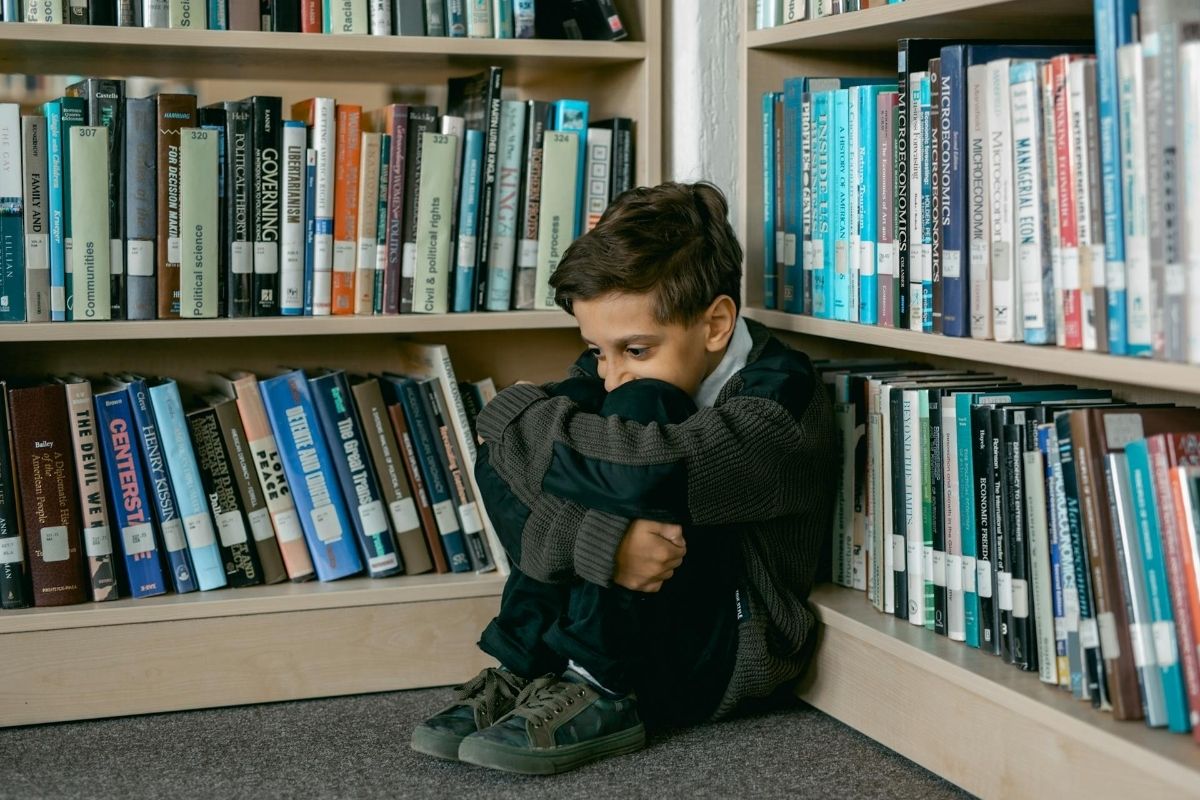
When Should You Be Worried About Slow Progress?
Every child’s progress with reading is different. Some children have trouble getting motivated with reading tasks for all kinds of reasons. However, if you’re consistently practicing and exposing them to reading materials, but they seemingly can’t engage at the next level, then you might want to consider health conditions that could be affecting their development.
This can include not just learning difficulties like dyslexia, but even issues with eyesight or hearing. If your child seems like they are falling significantly behind their peers, talk to their teacher about it first. If they express similar concerns, then it might be time to make an appointment with a reading specialist, as well as to schedule an eye exam and hearing test.
Children whose parents take an active interest in the development of their skills have a genuine advantage, and reading is one of the most fundamental skills you can help them build. Hopefully, the points above give you an idea of where you should aim to be next.