Disclosure: Some of the links below are affiliate links. At no cost to you, I will earn a commission if you click through and make a purchase.
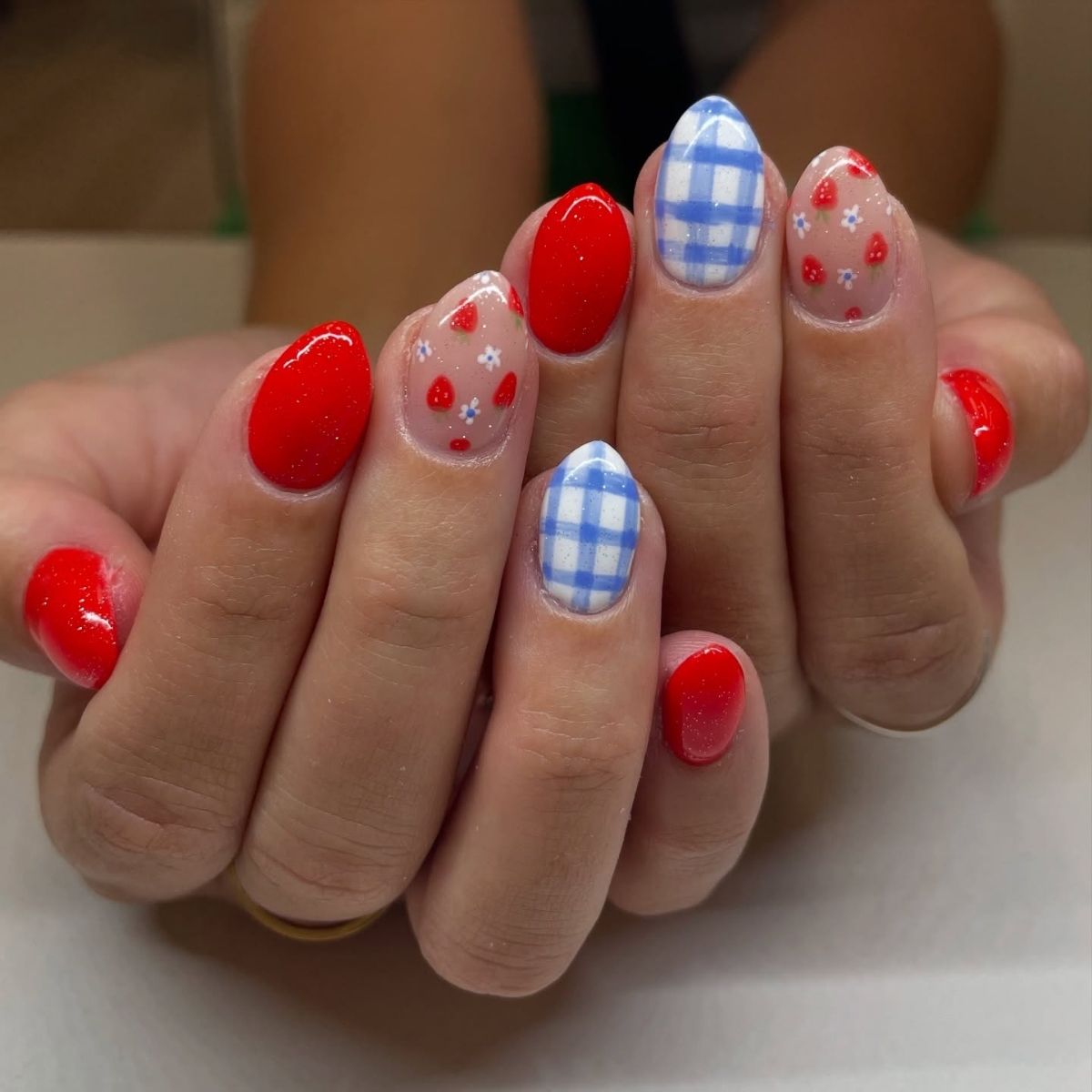
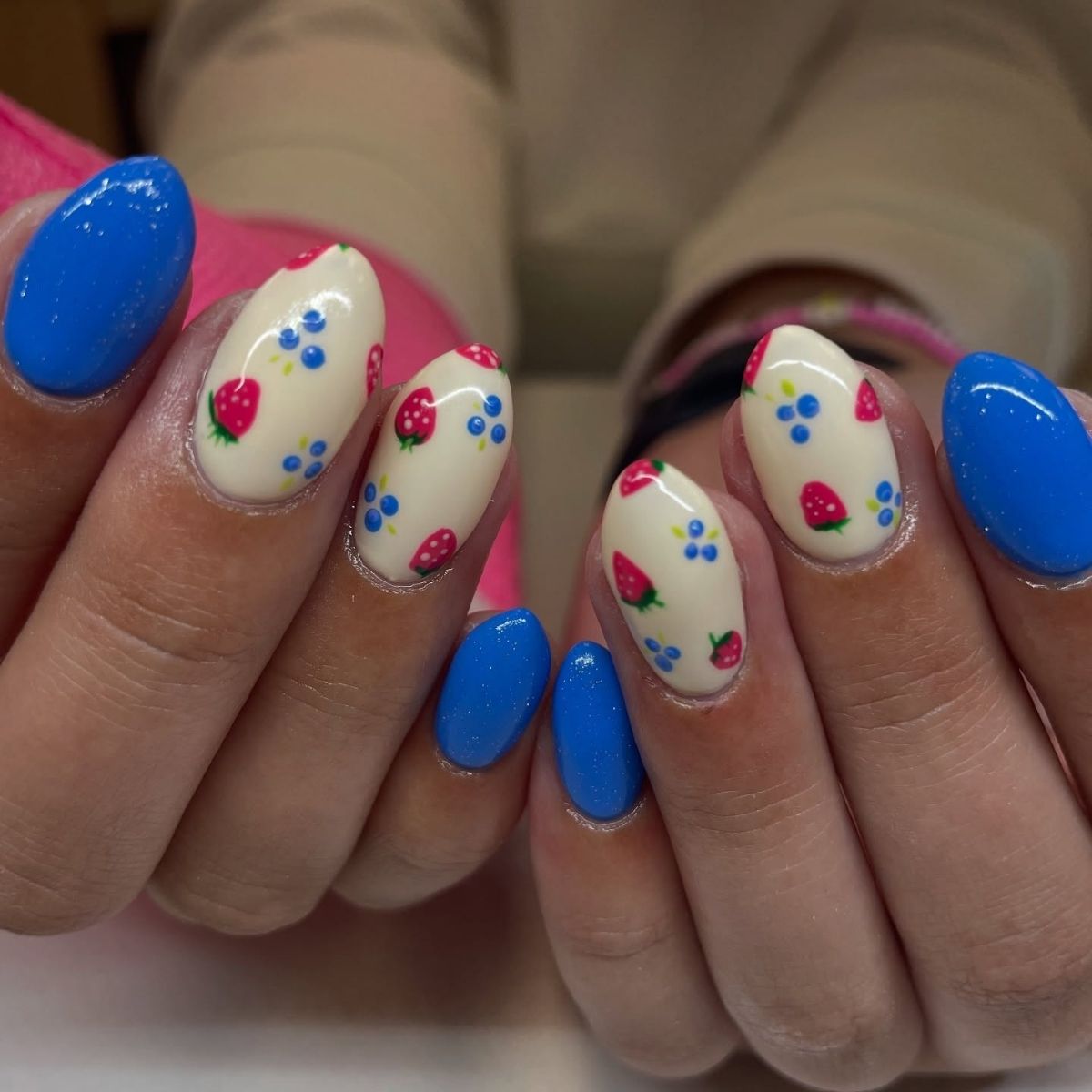
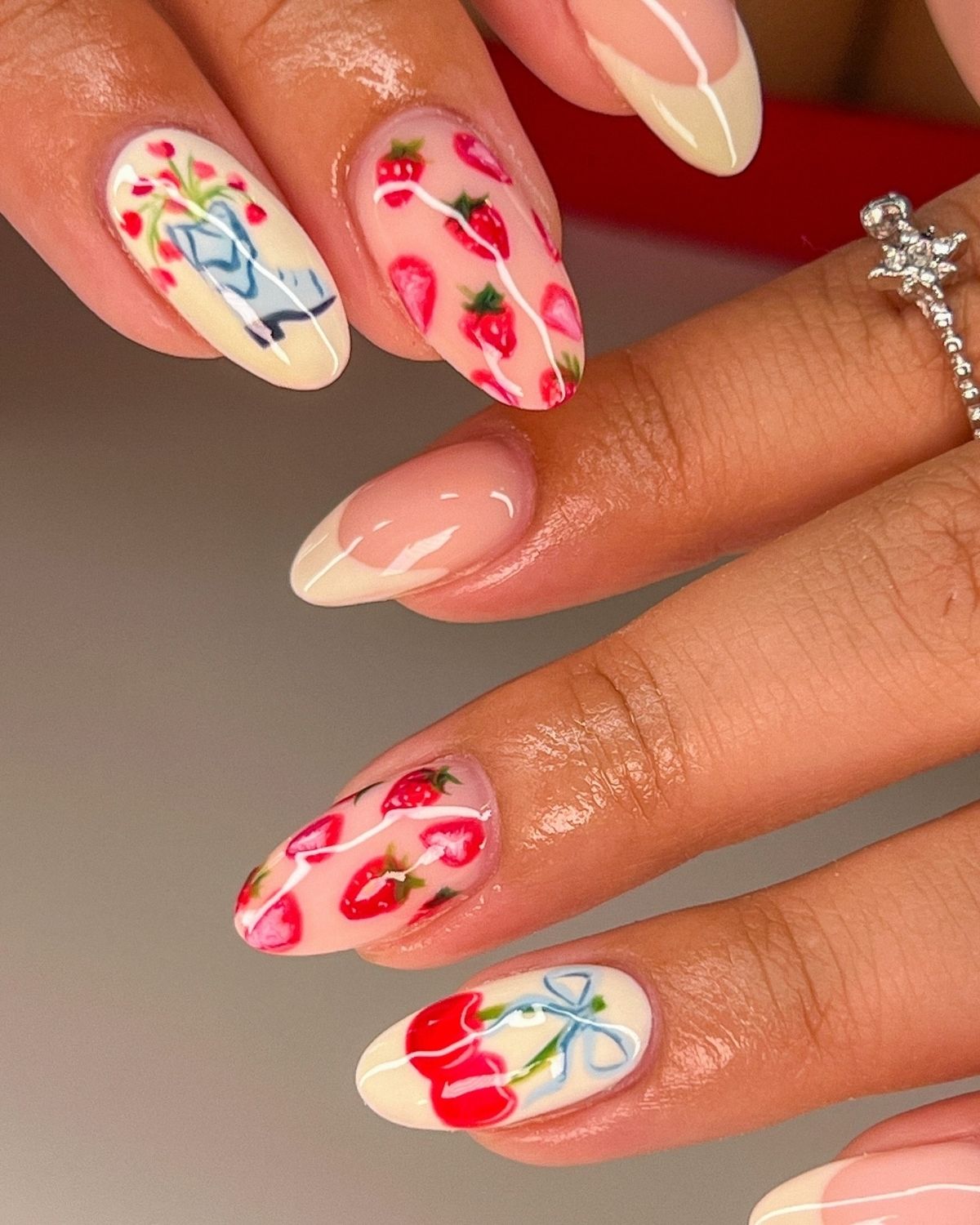
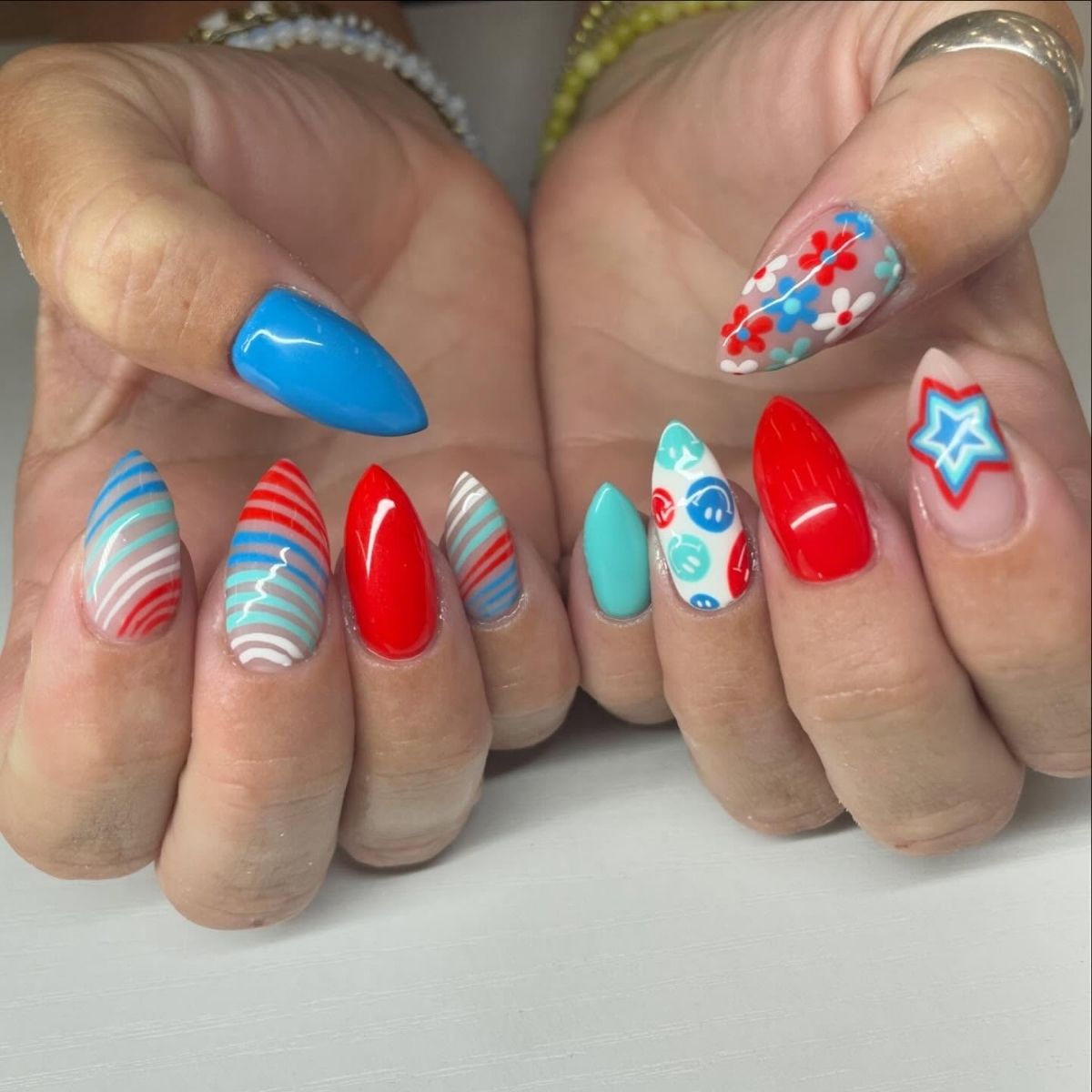
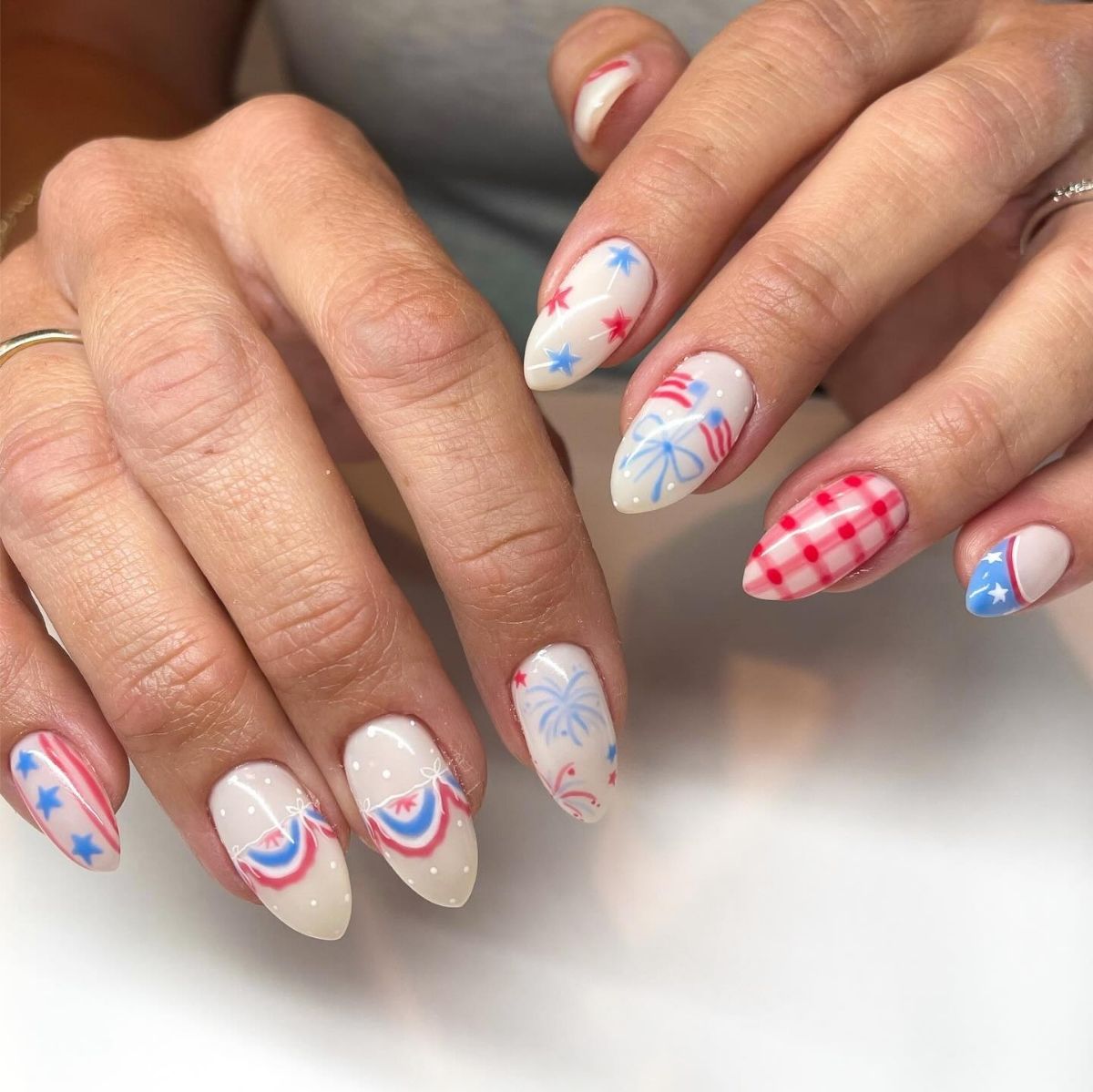
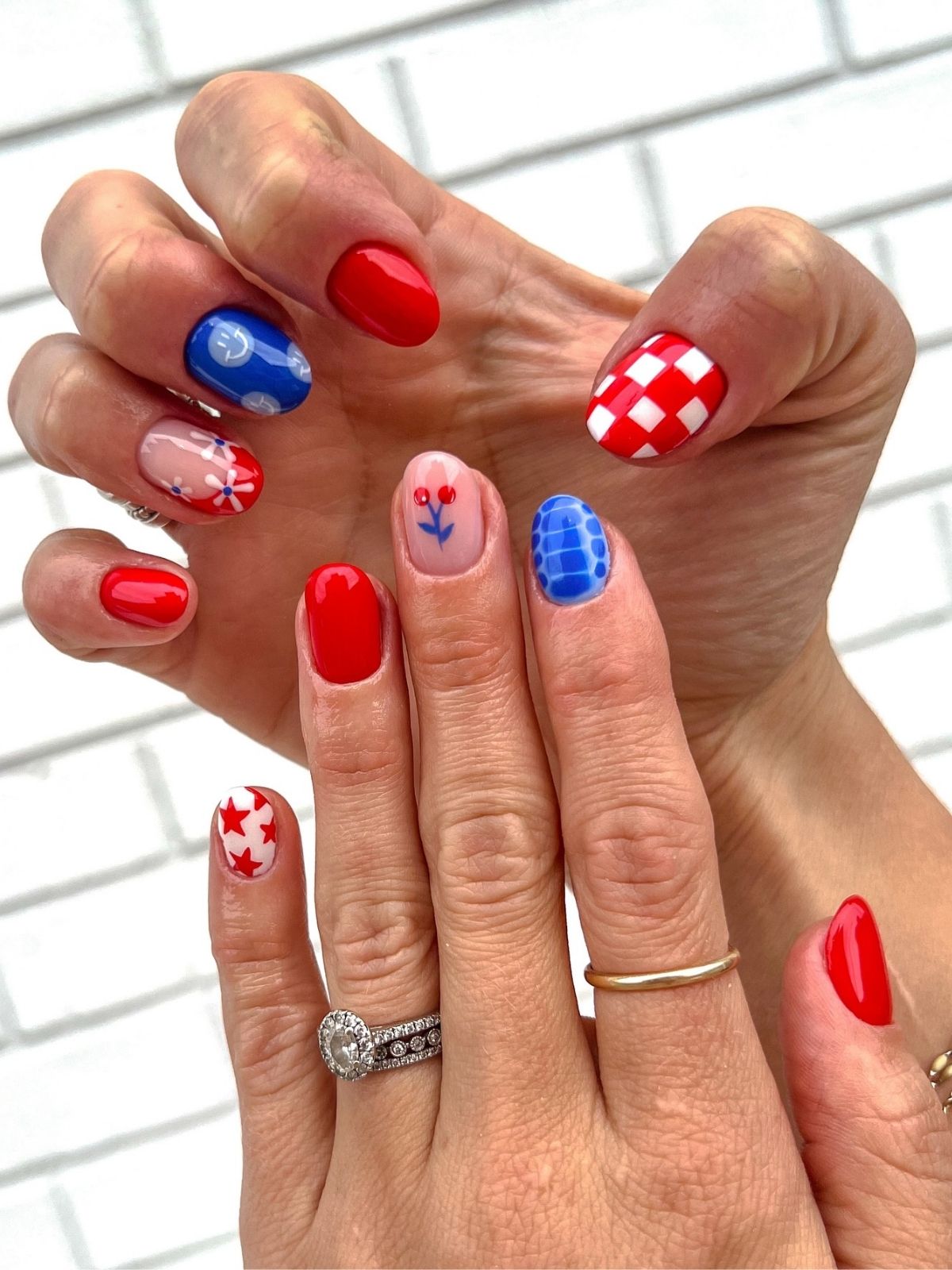
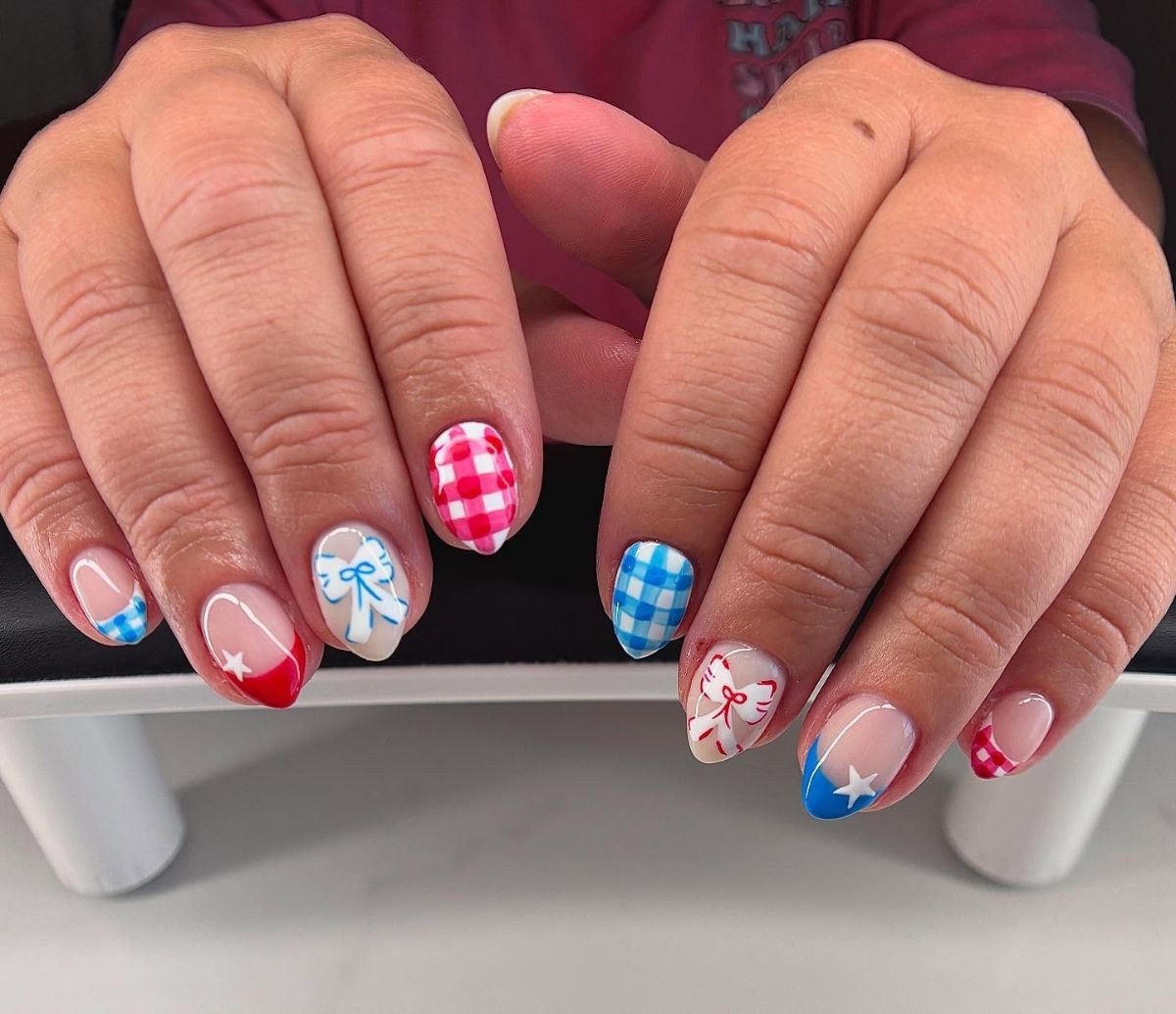
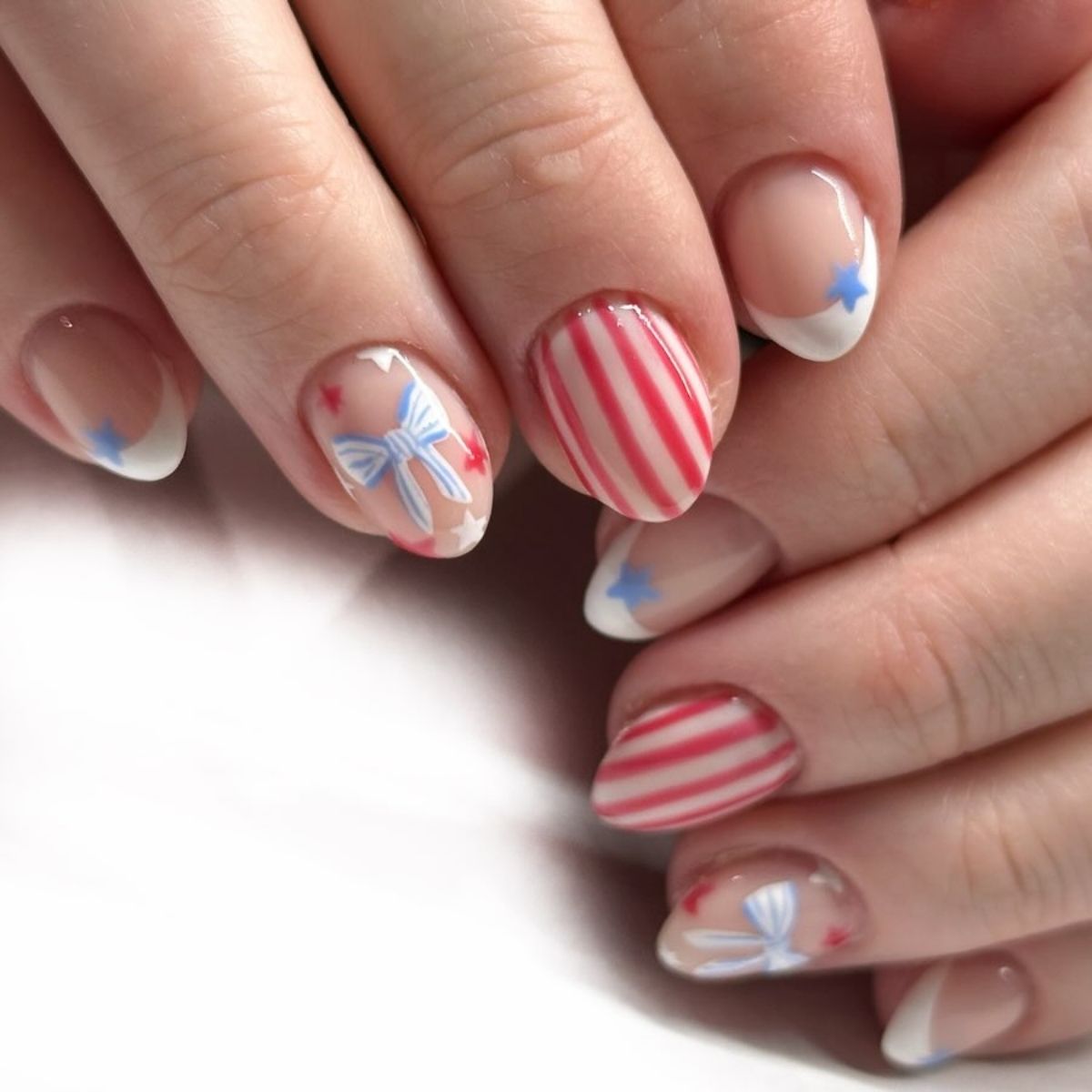
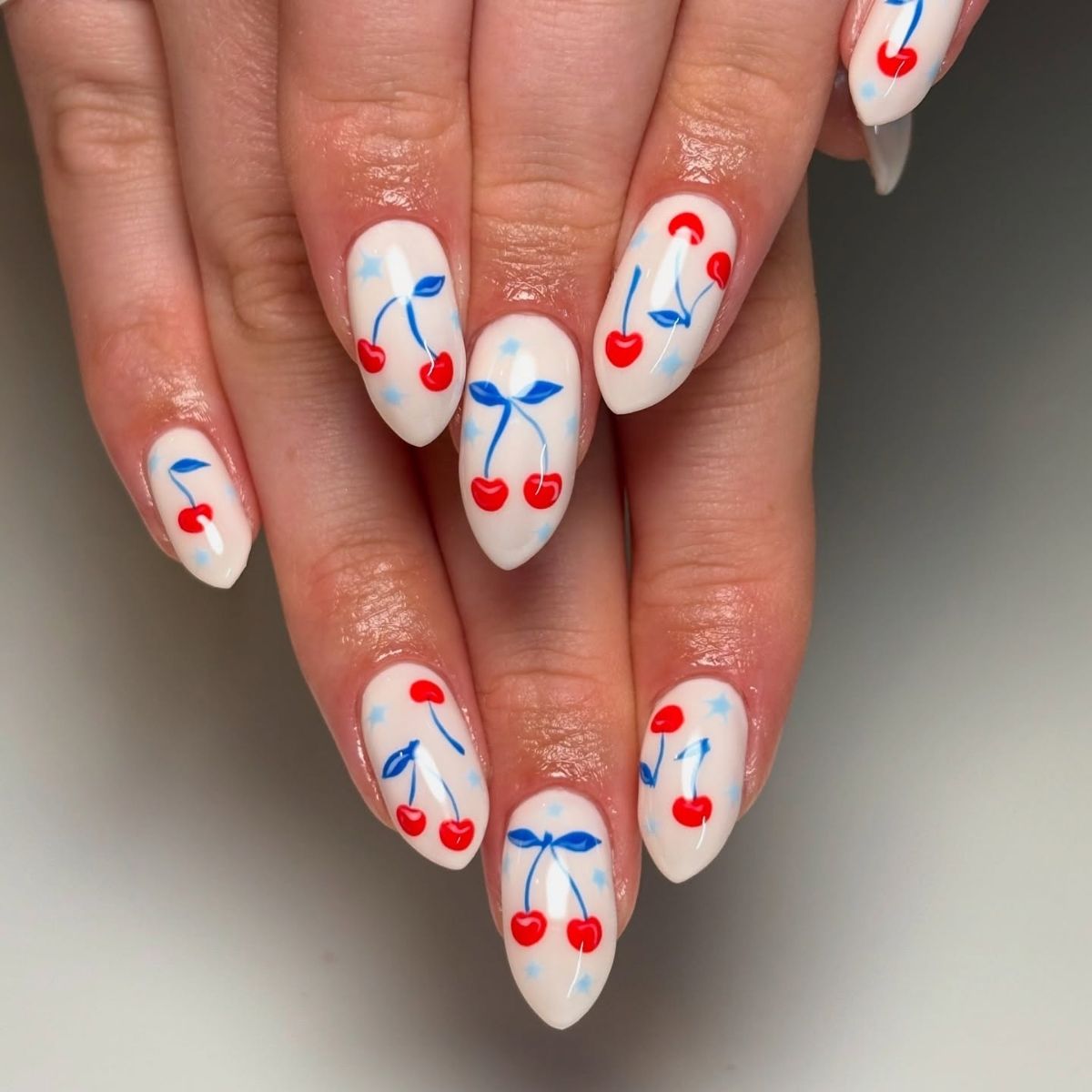
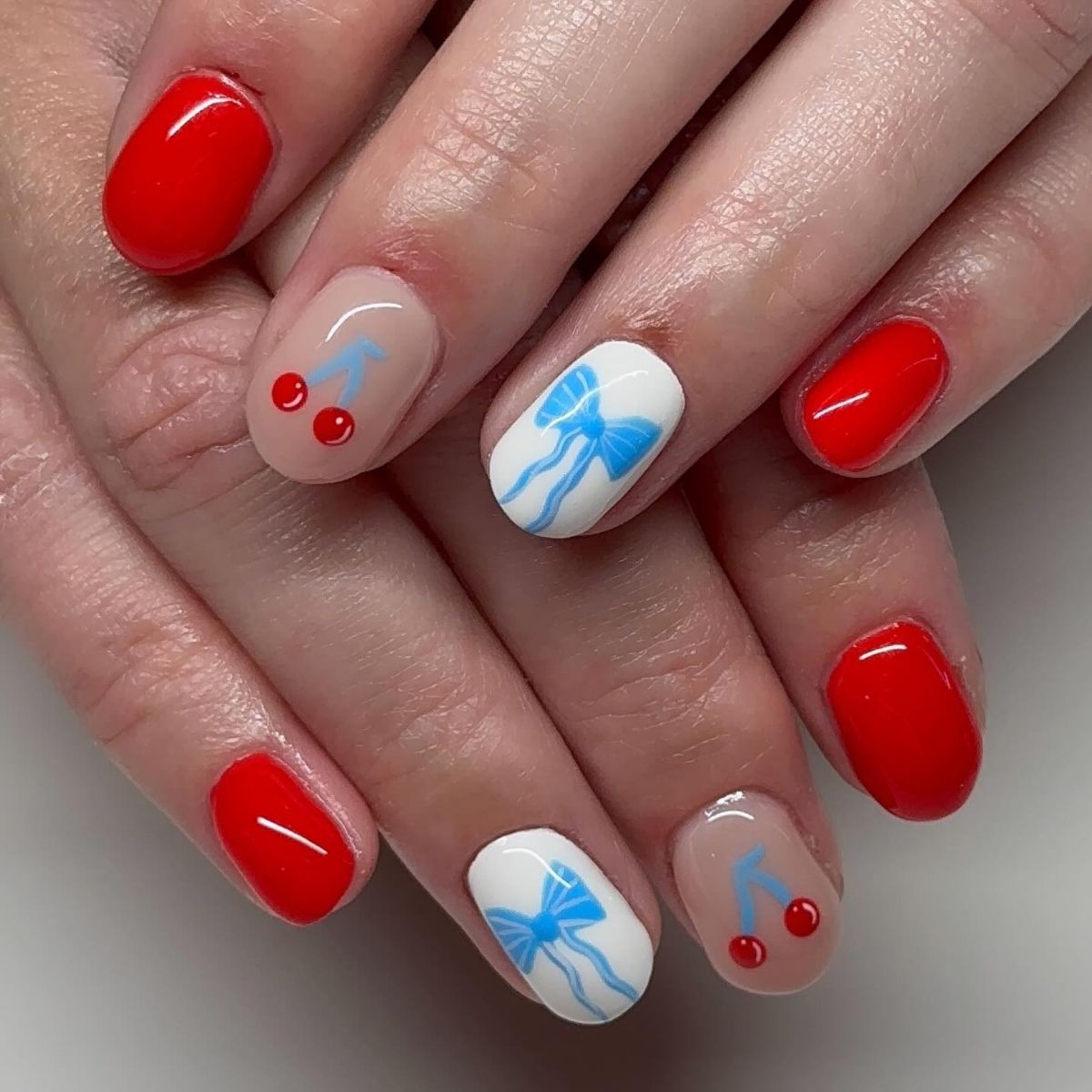
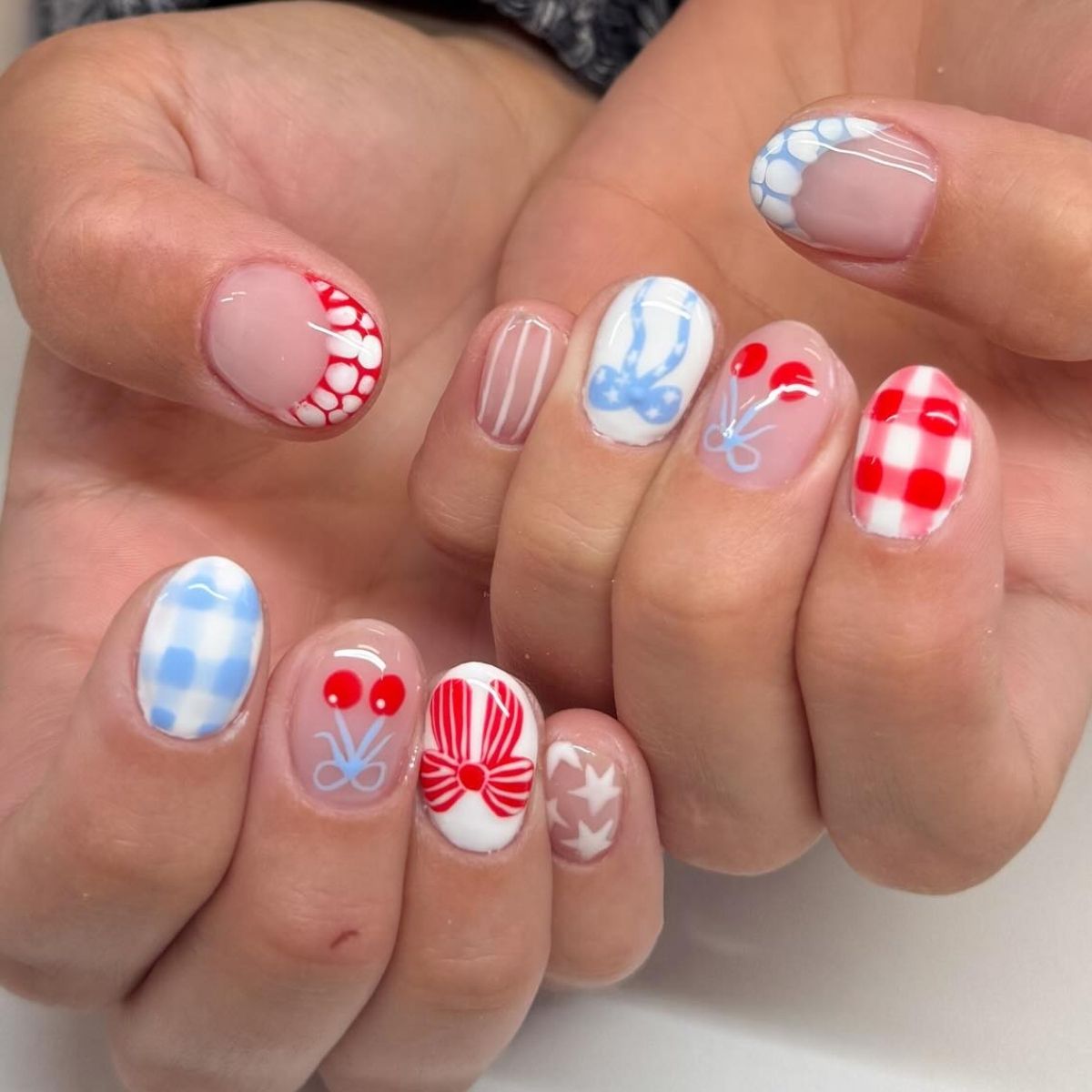
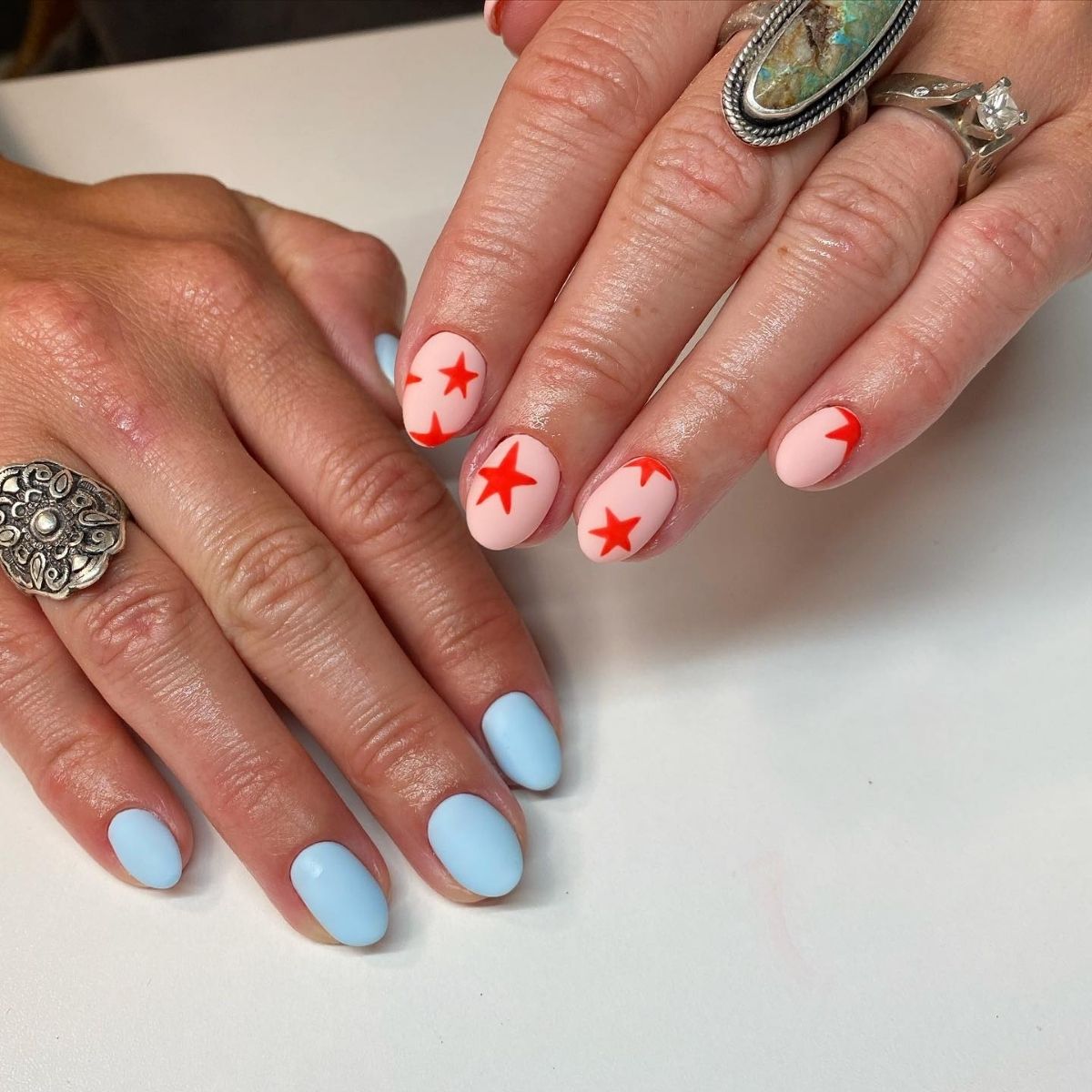
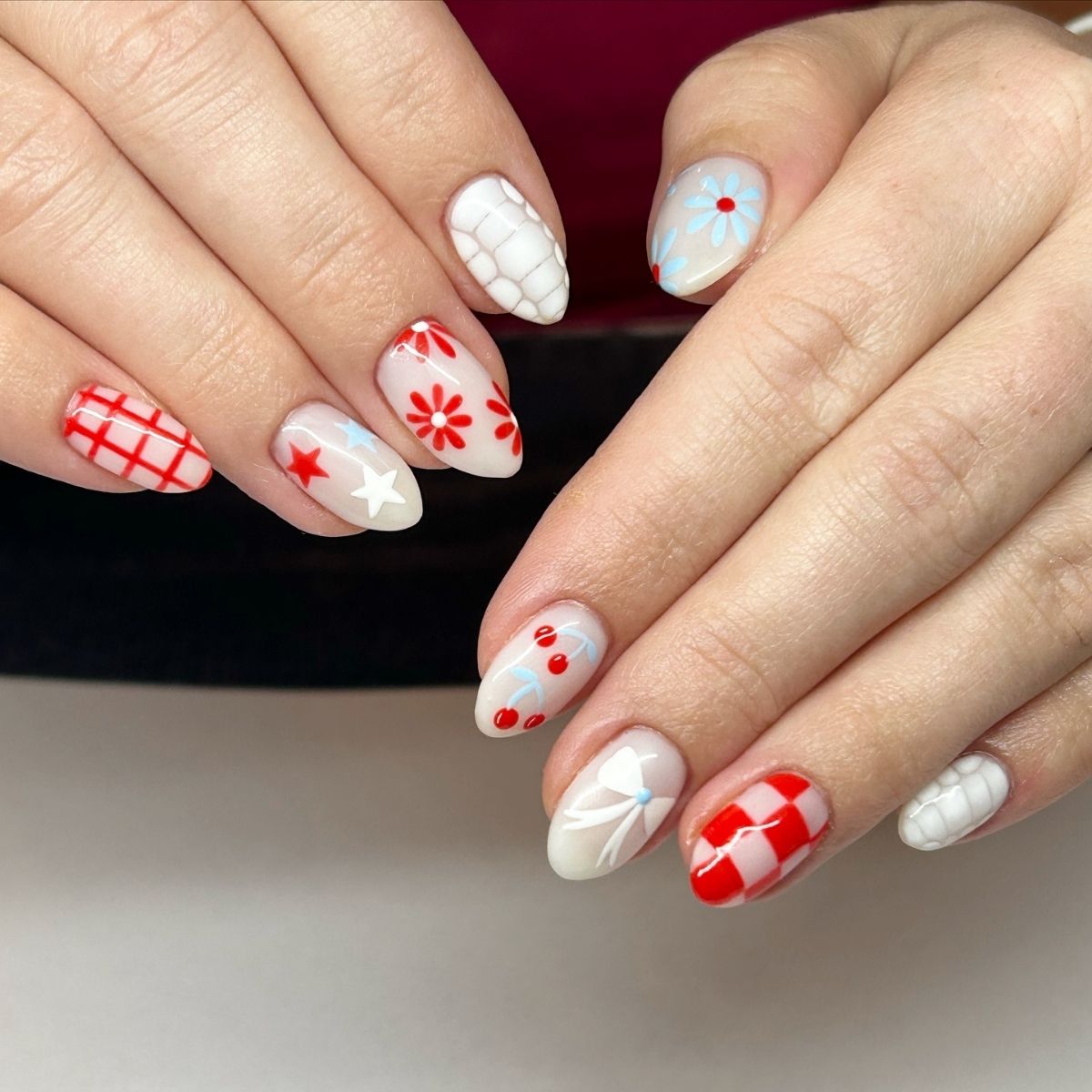
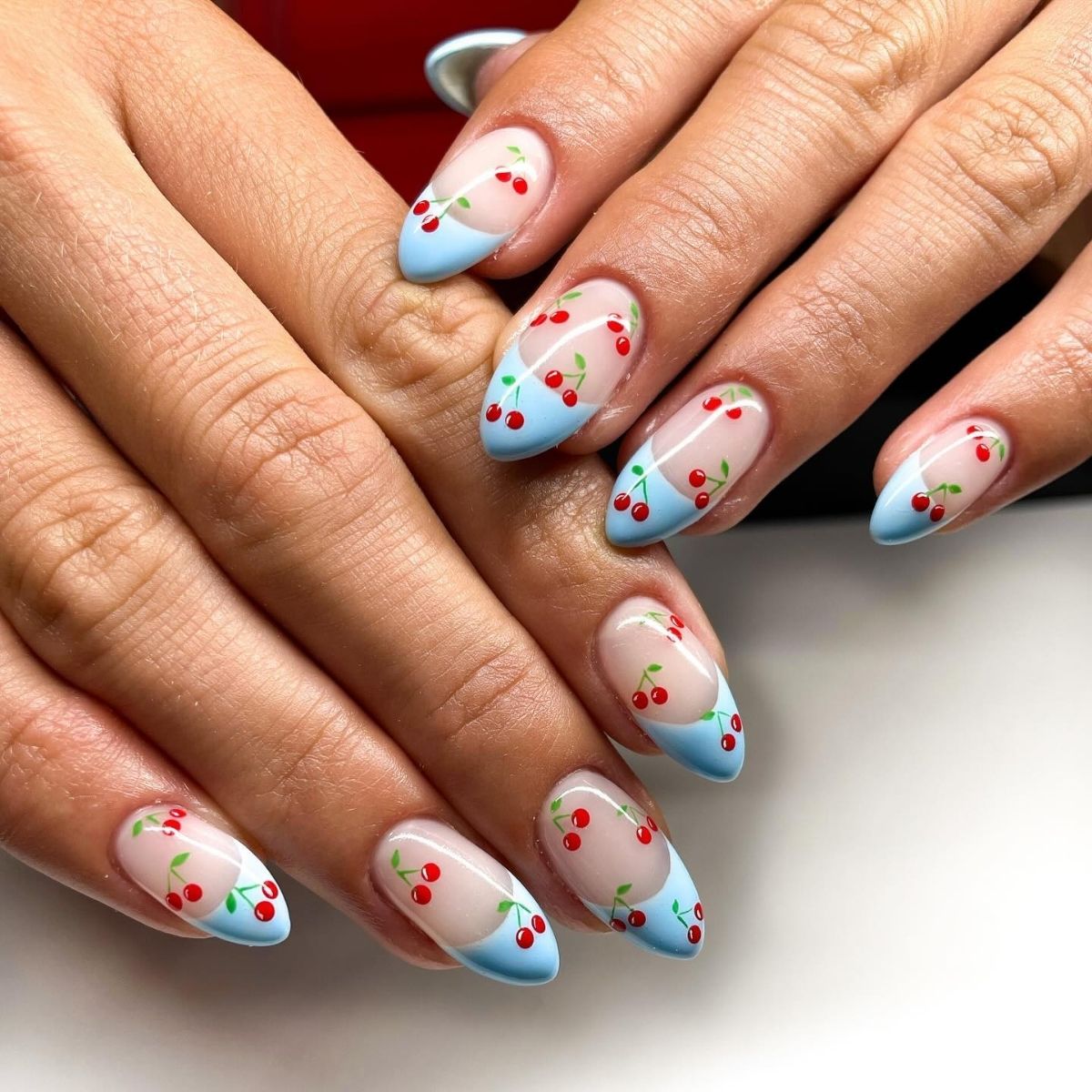
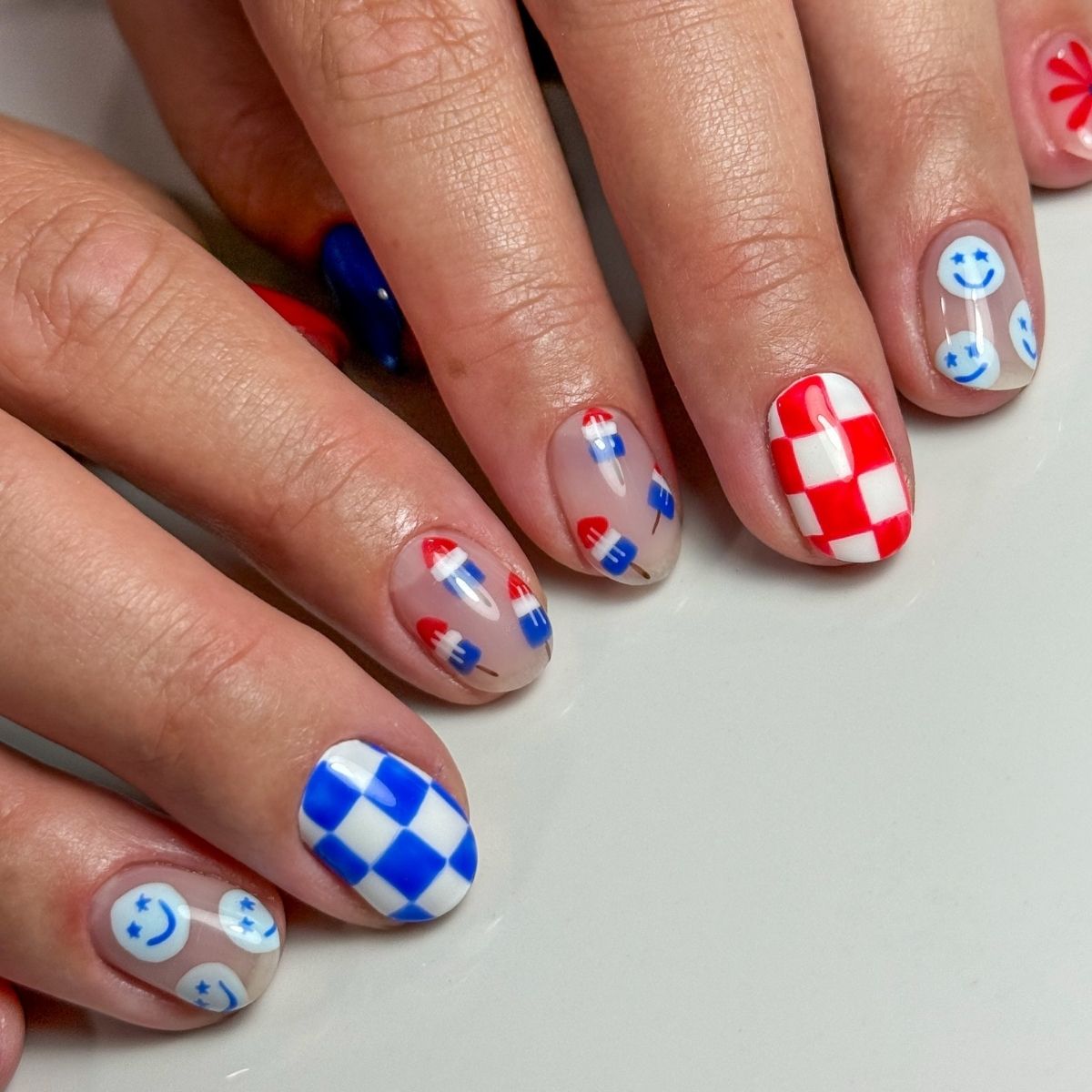
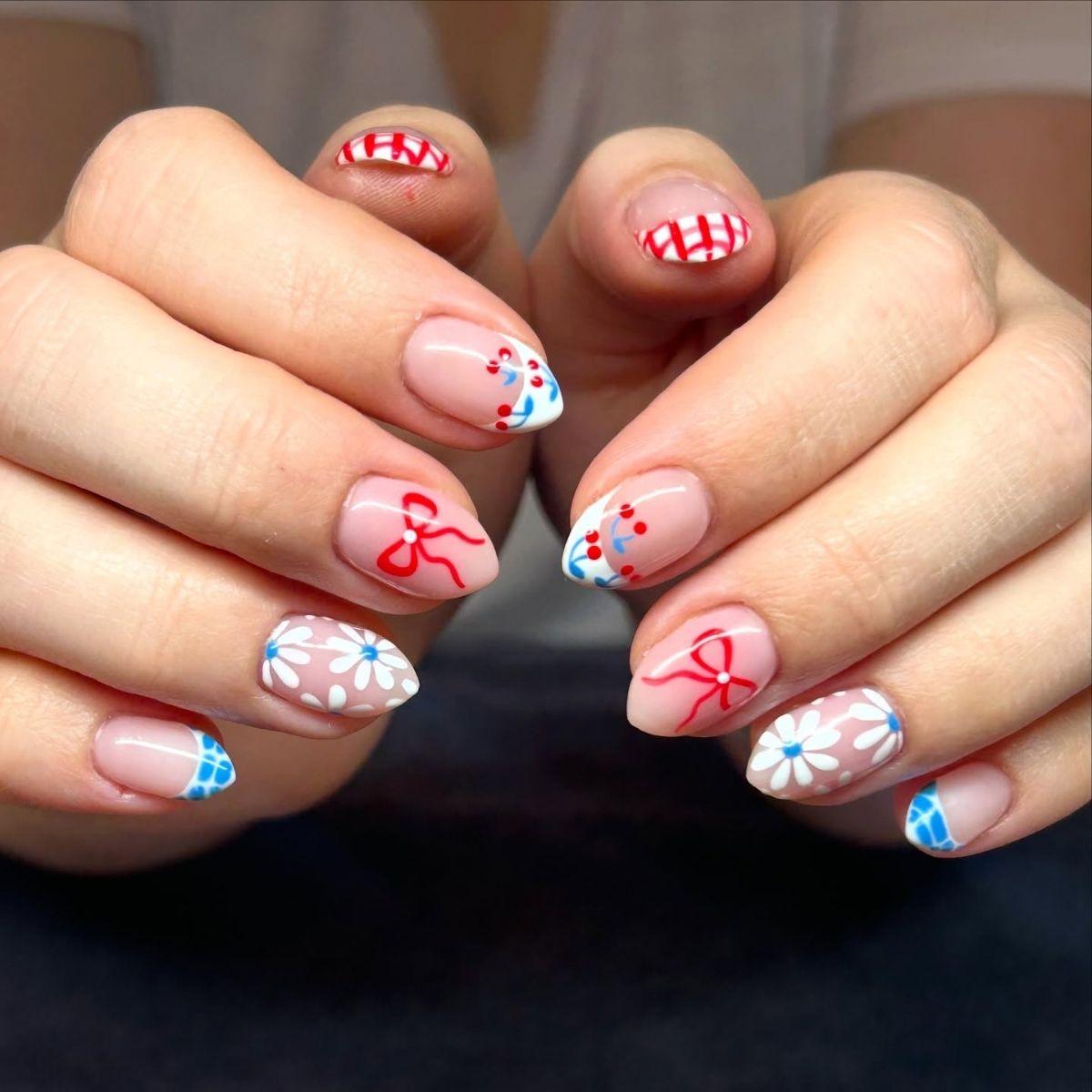
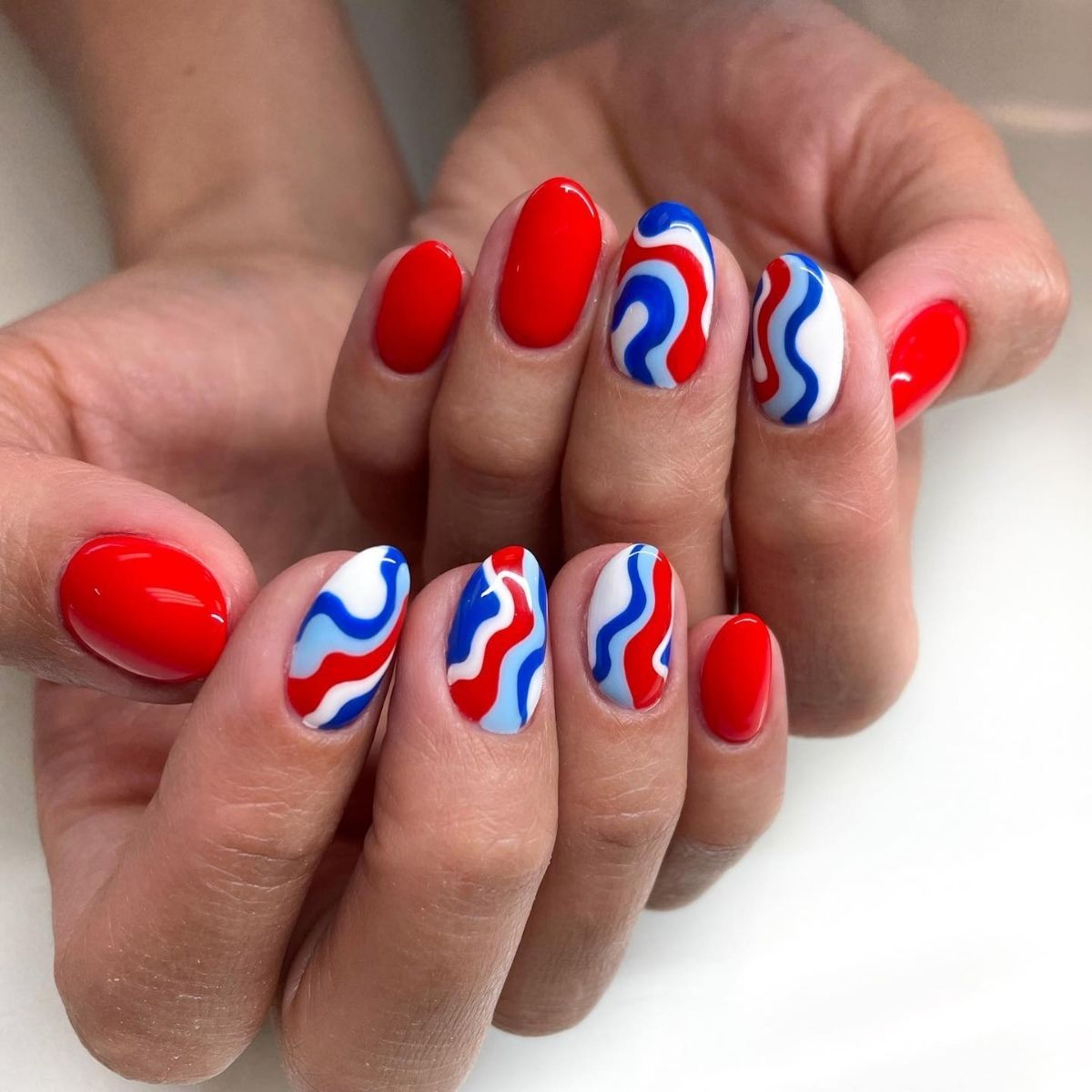
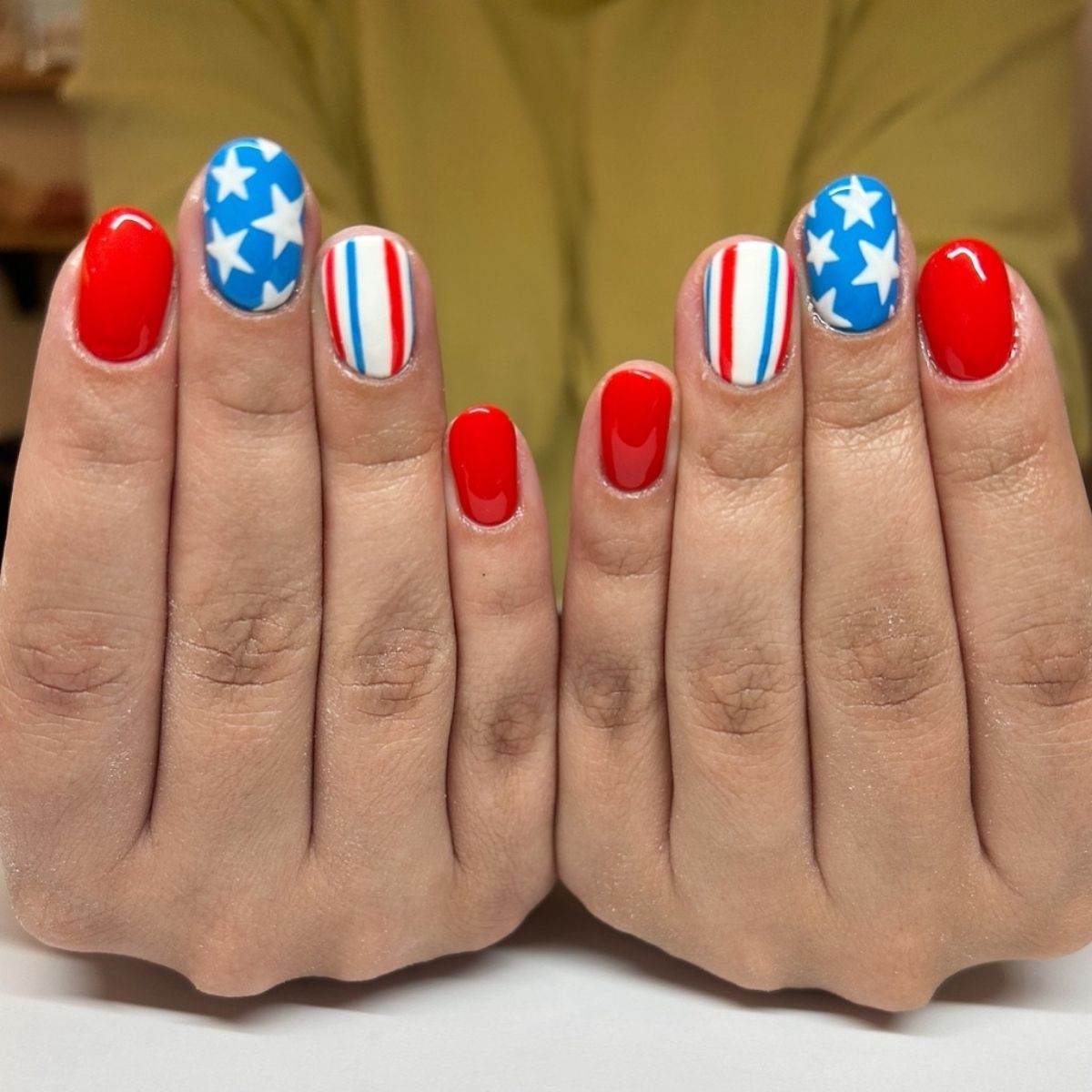
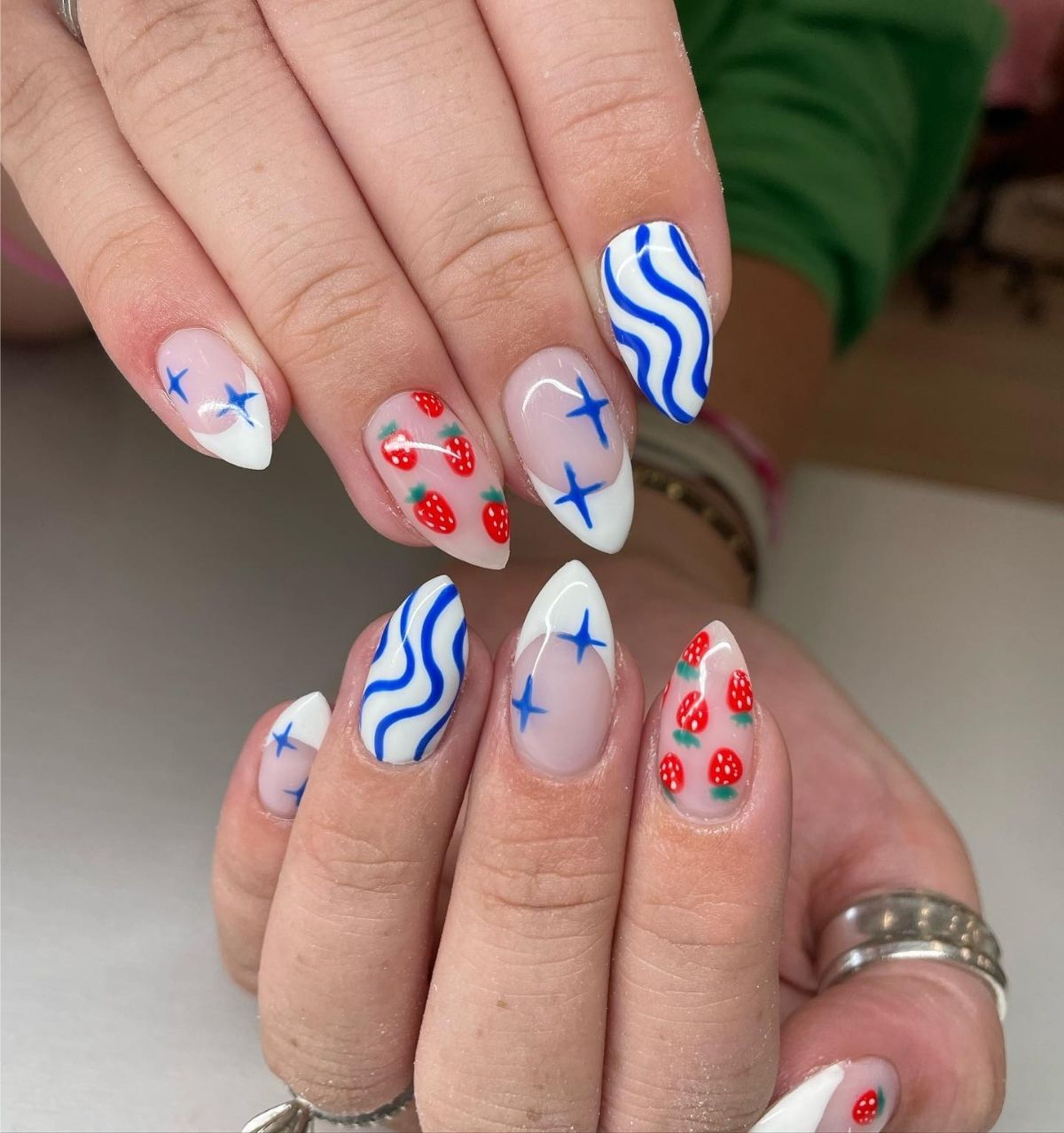
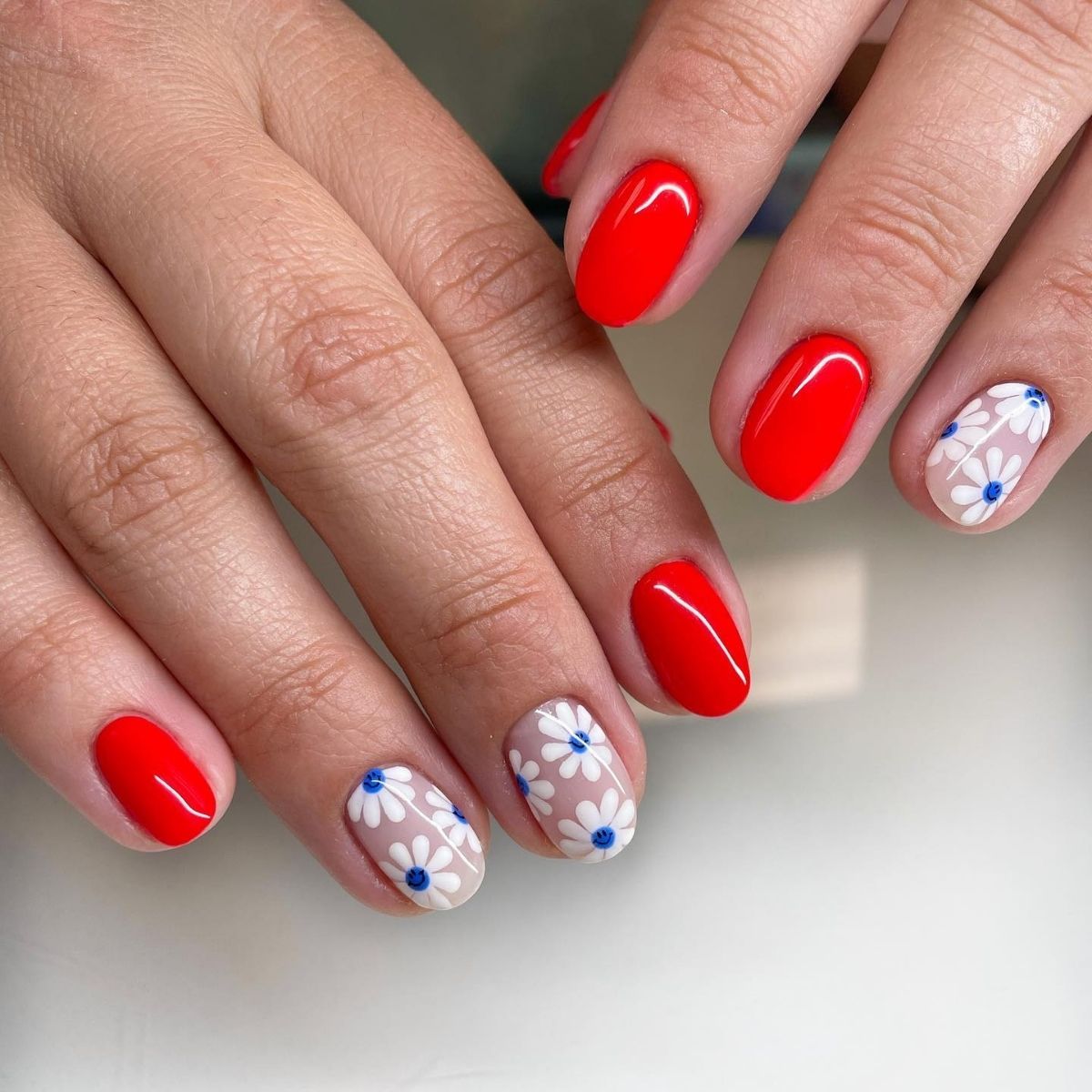
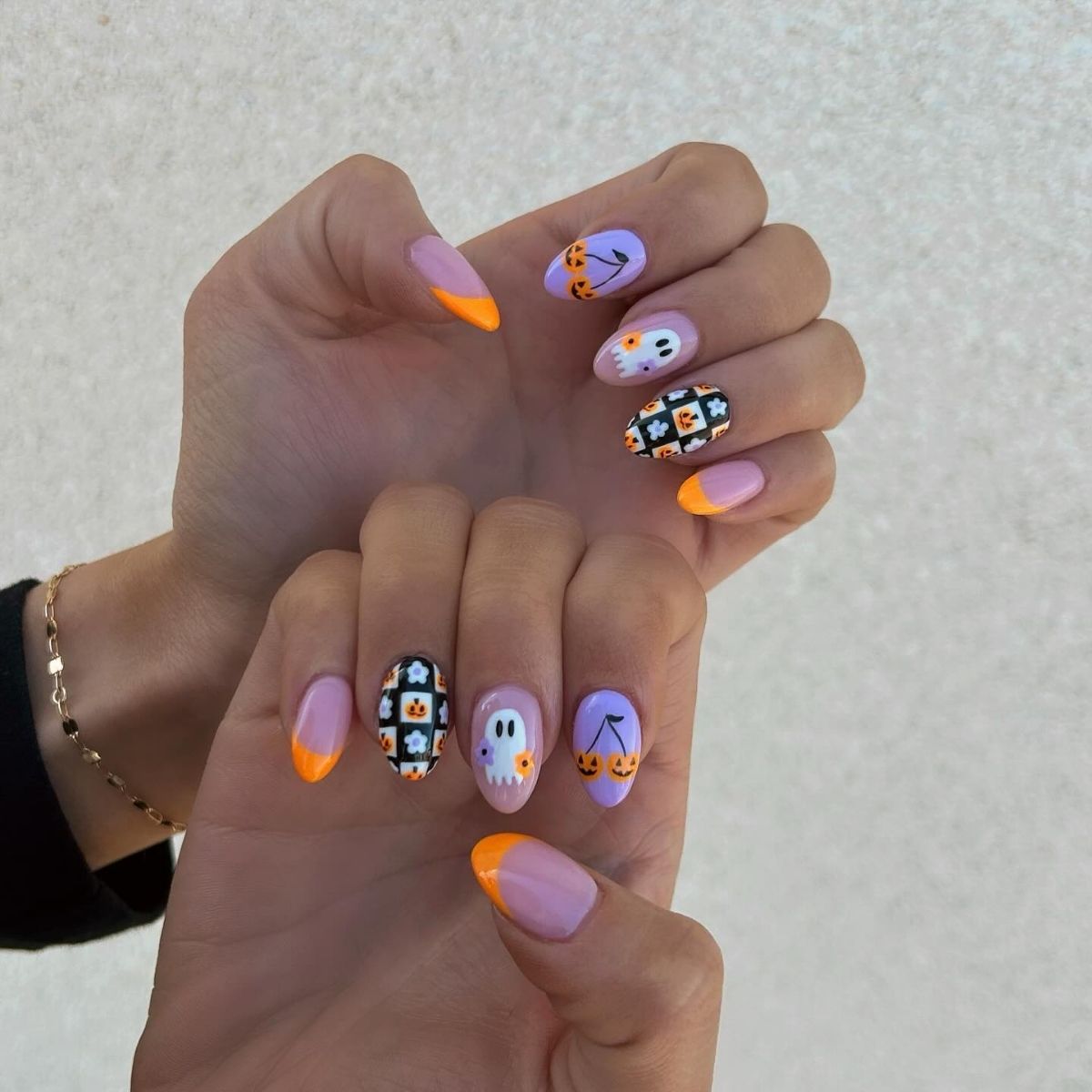
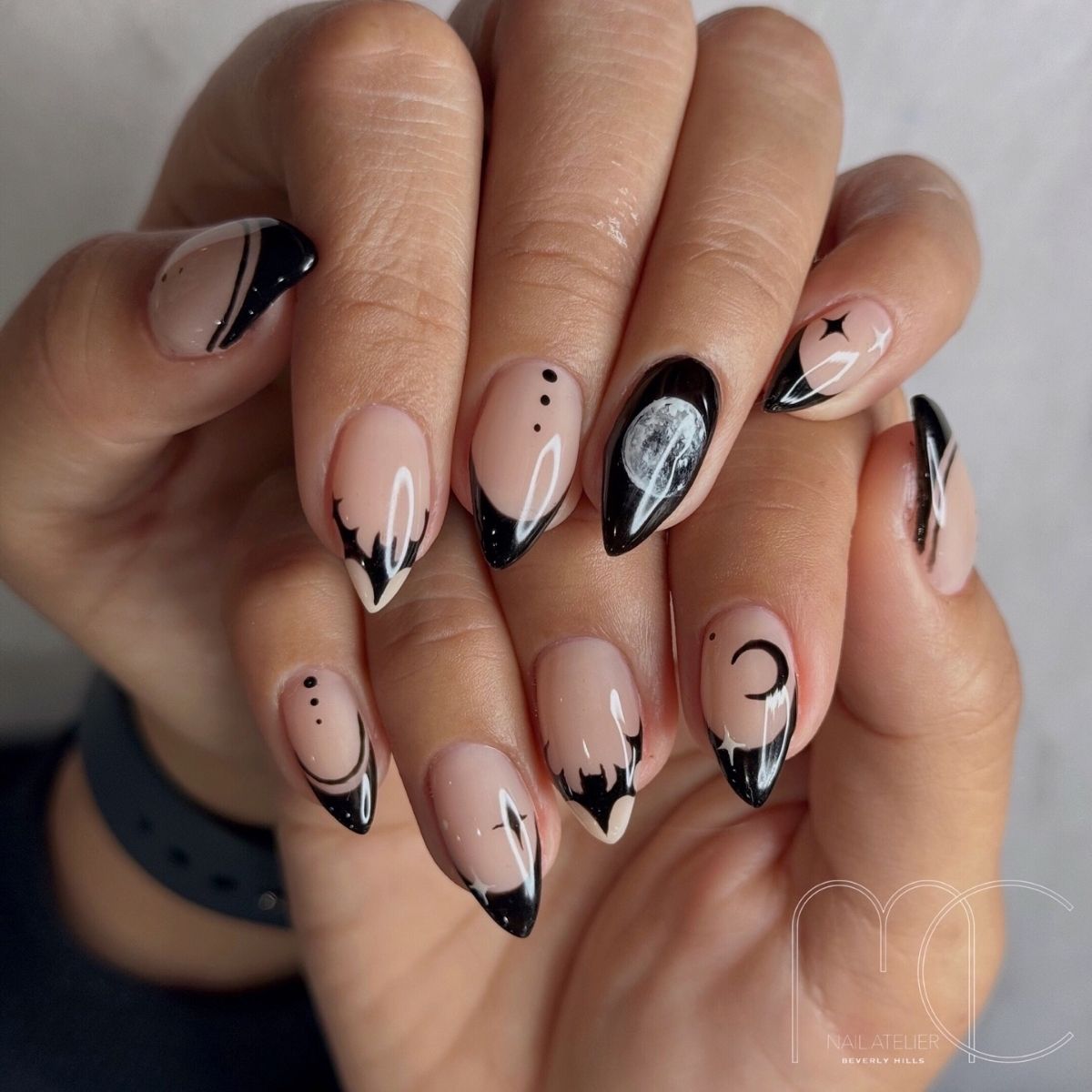
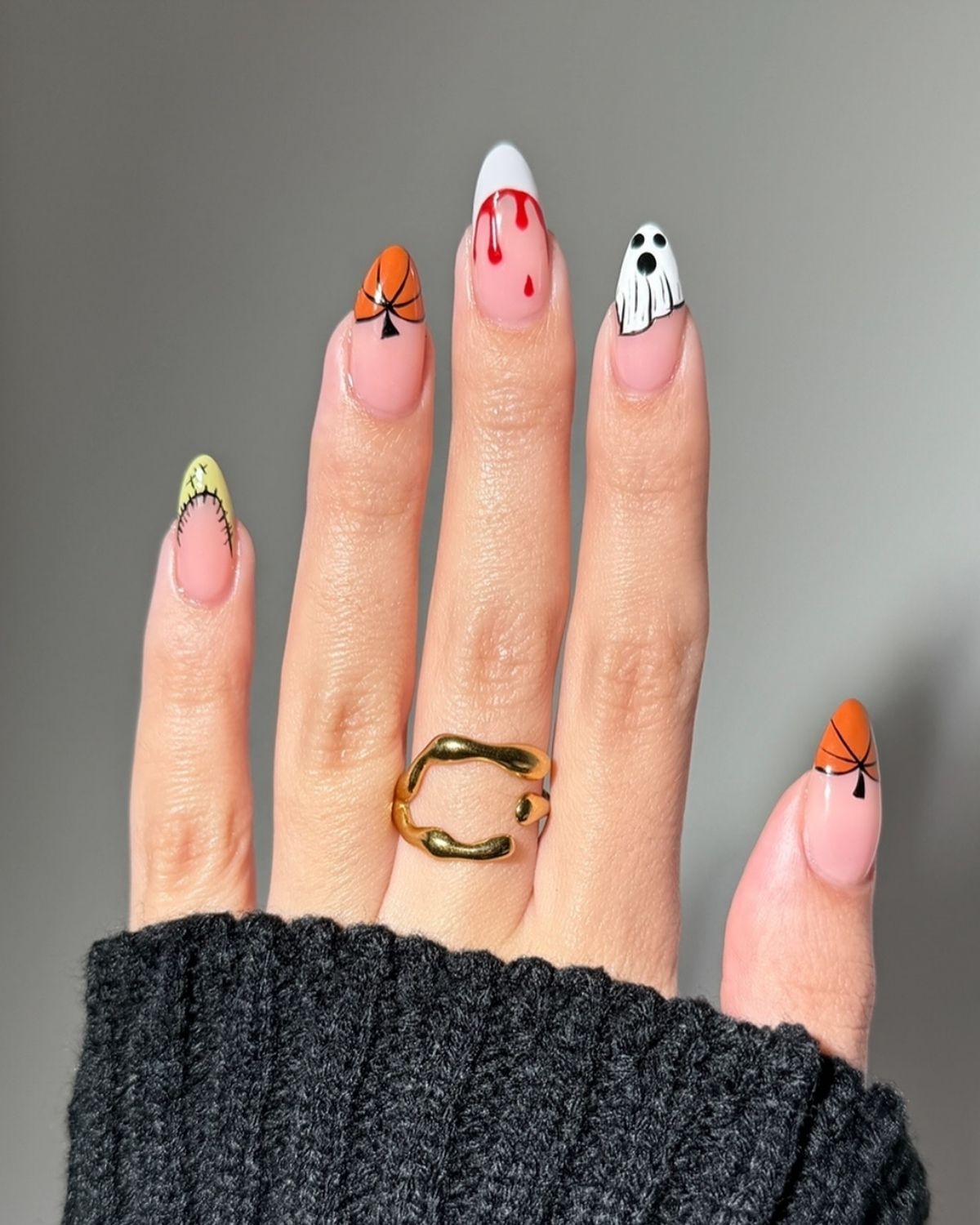
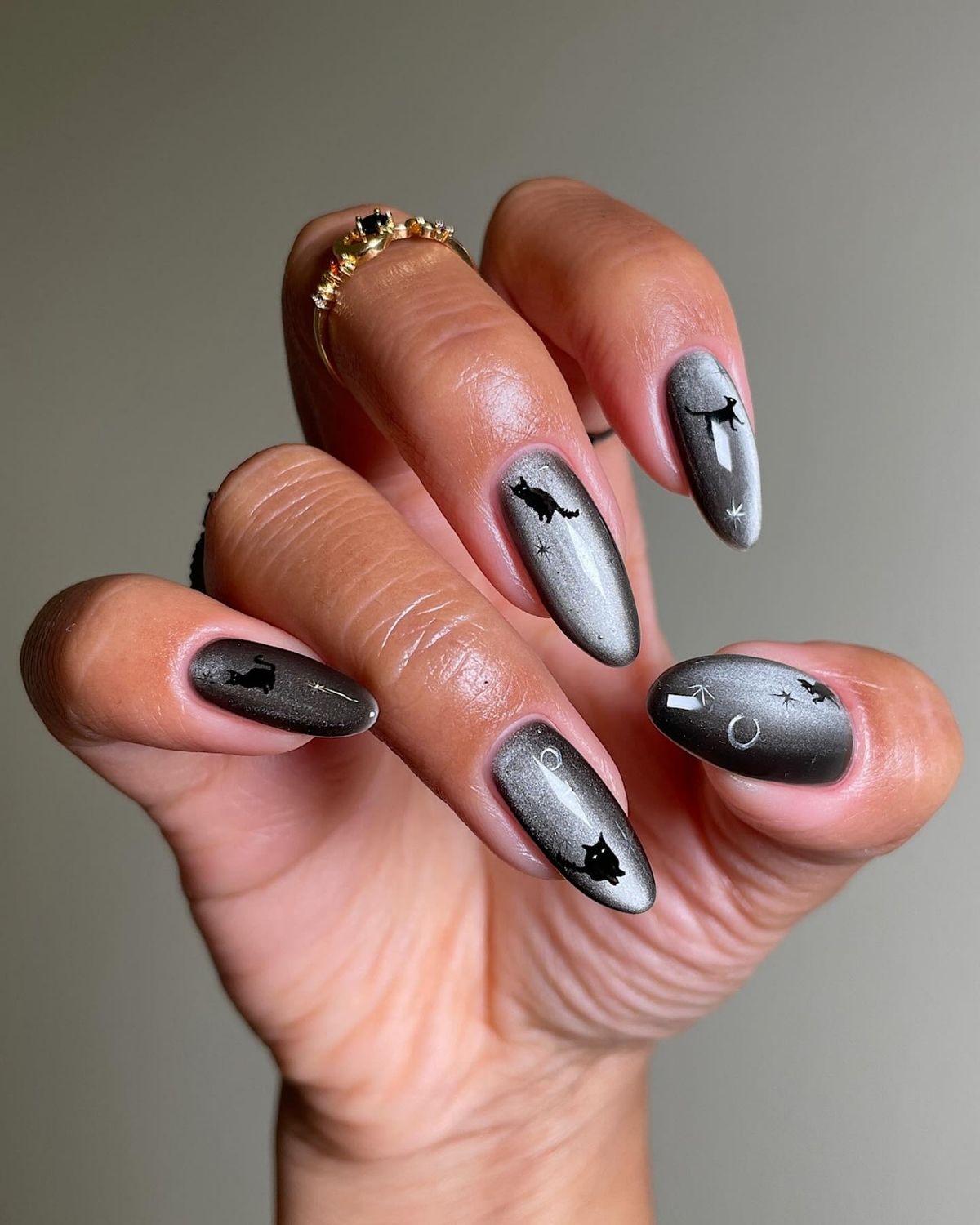
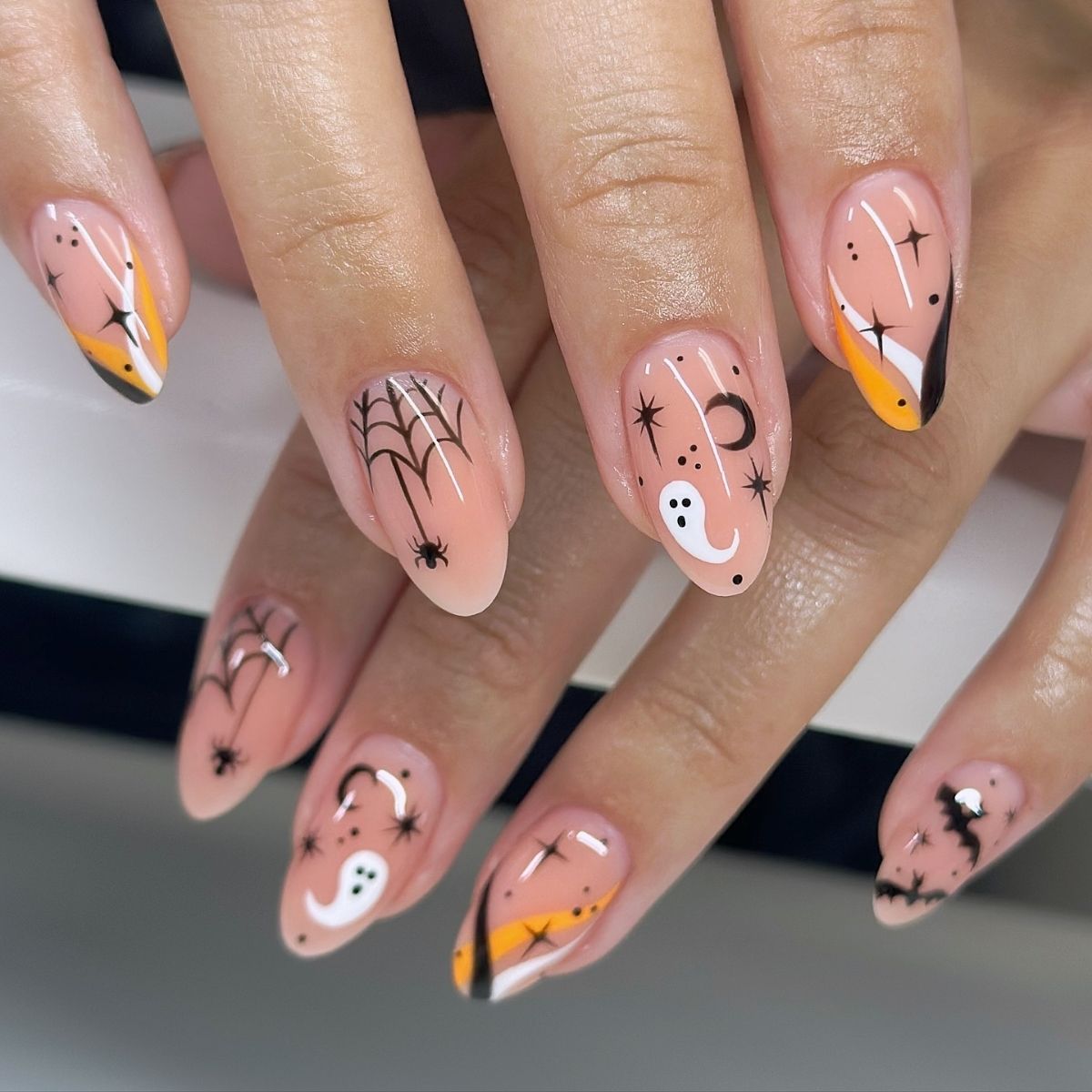
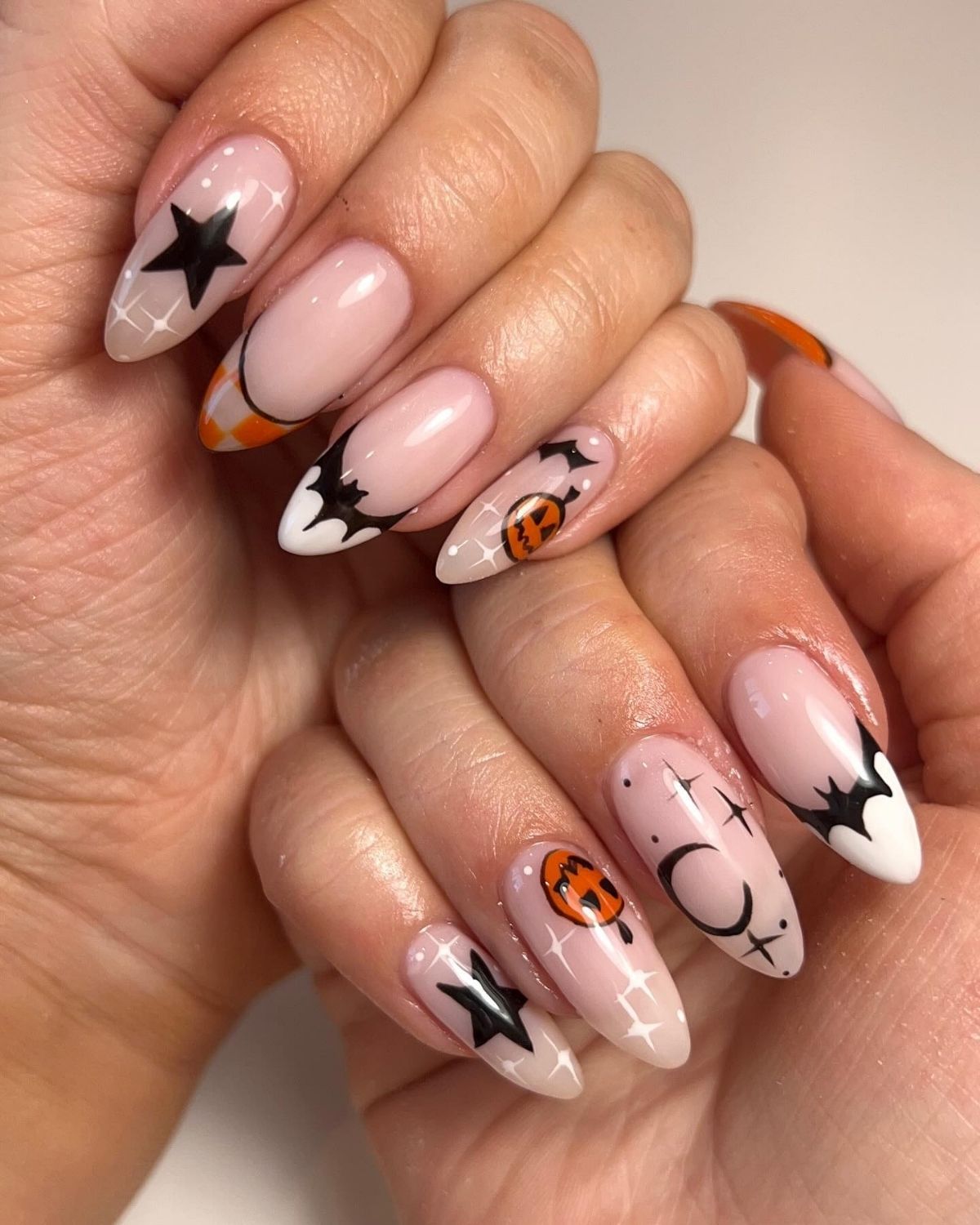
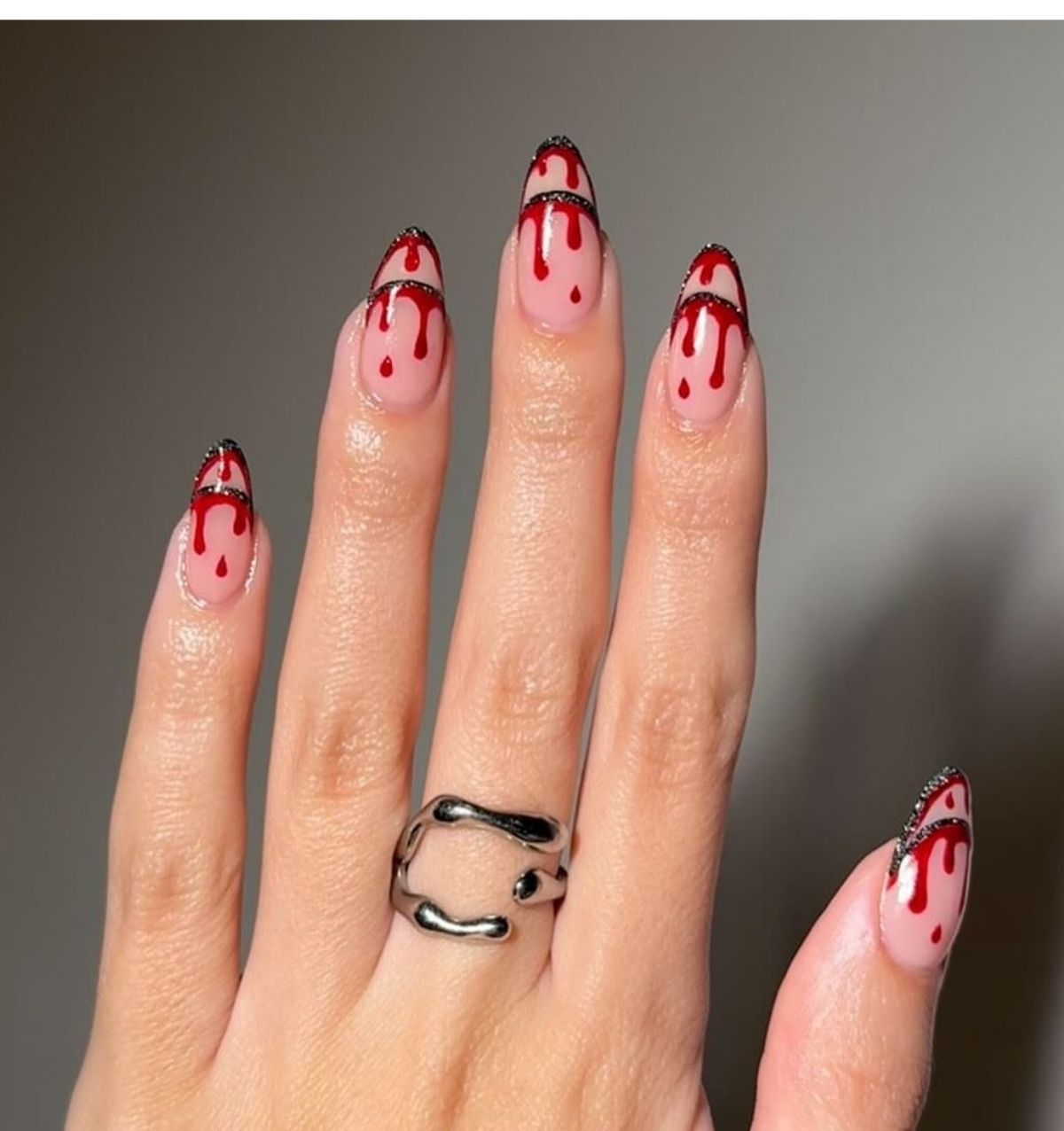
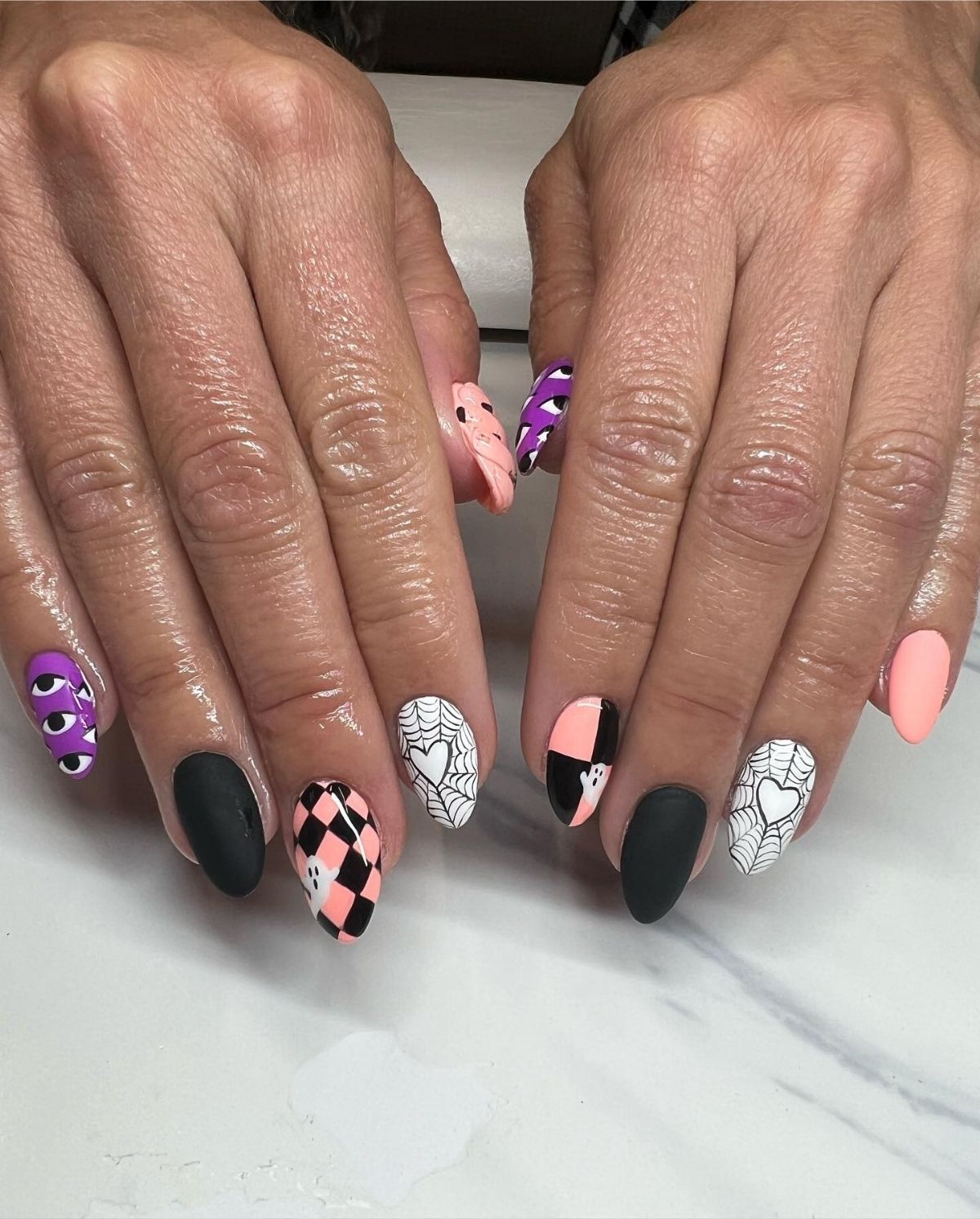
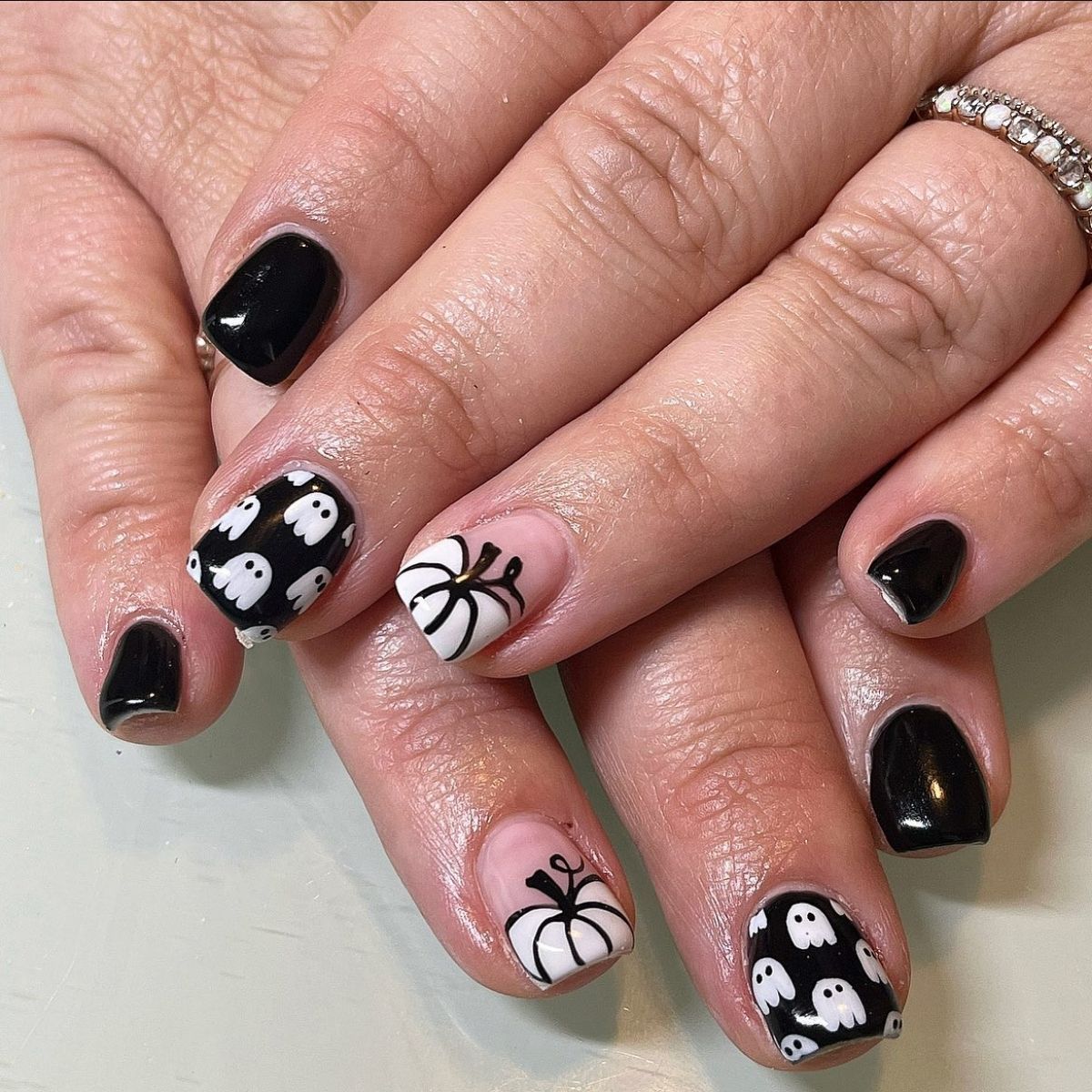
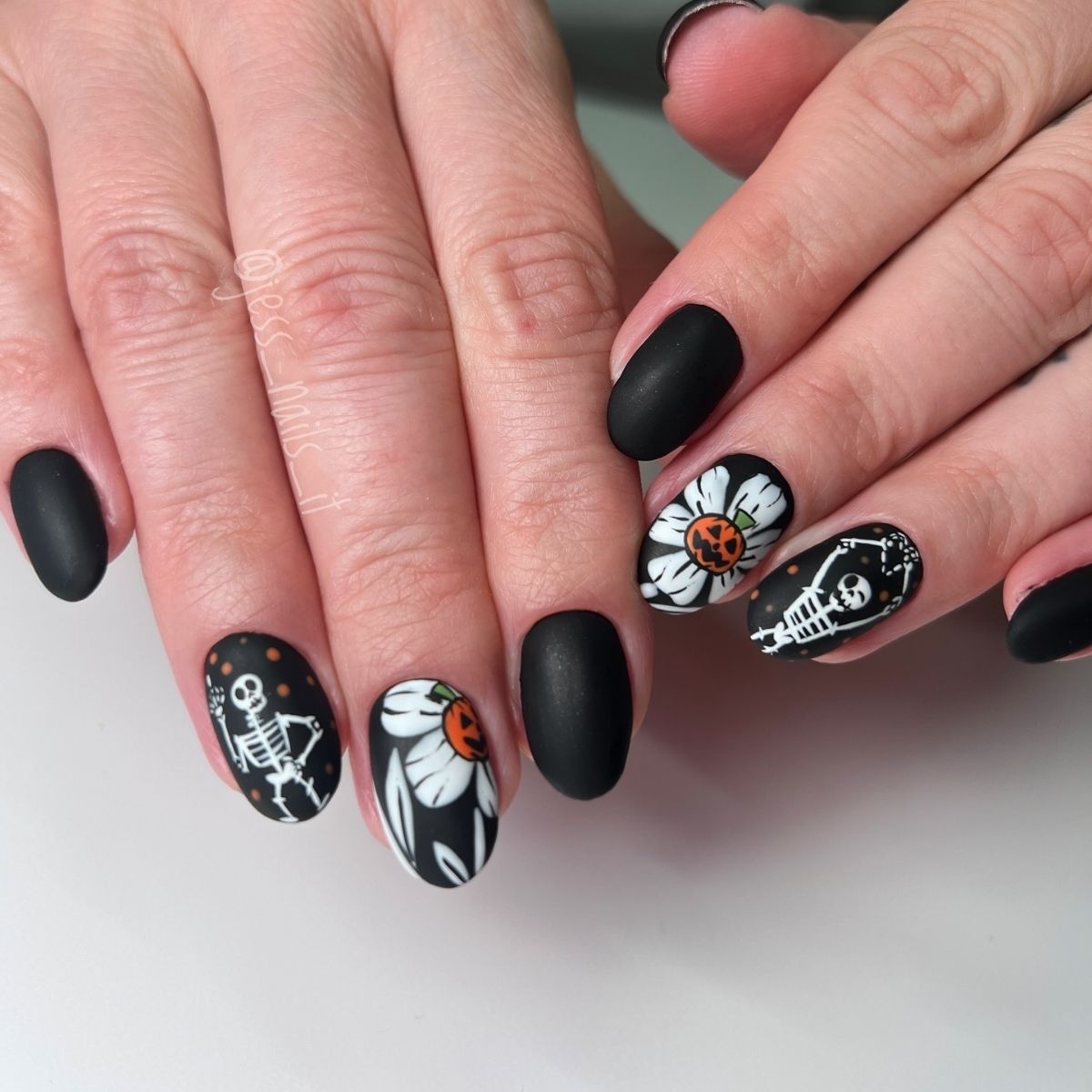
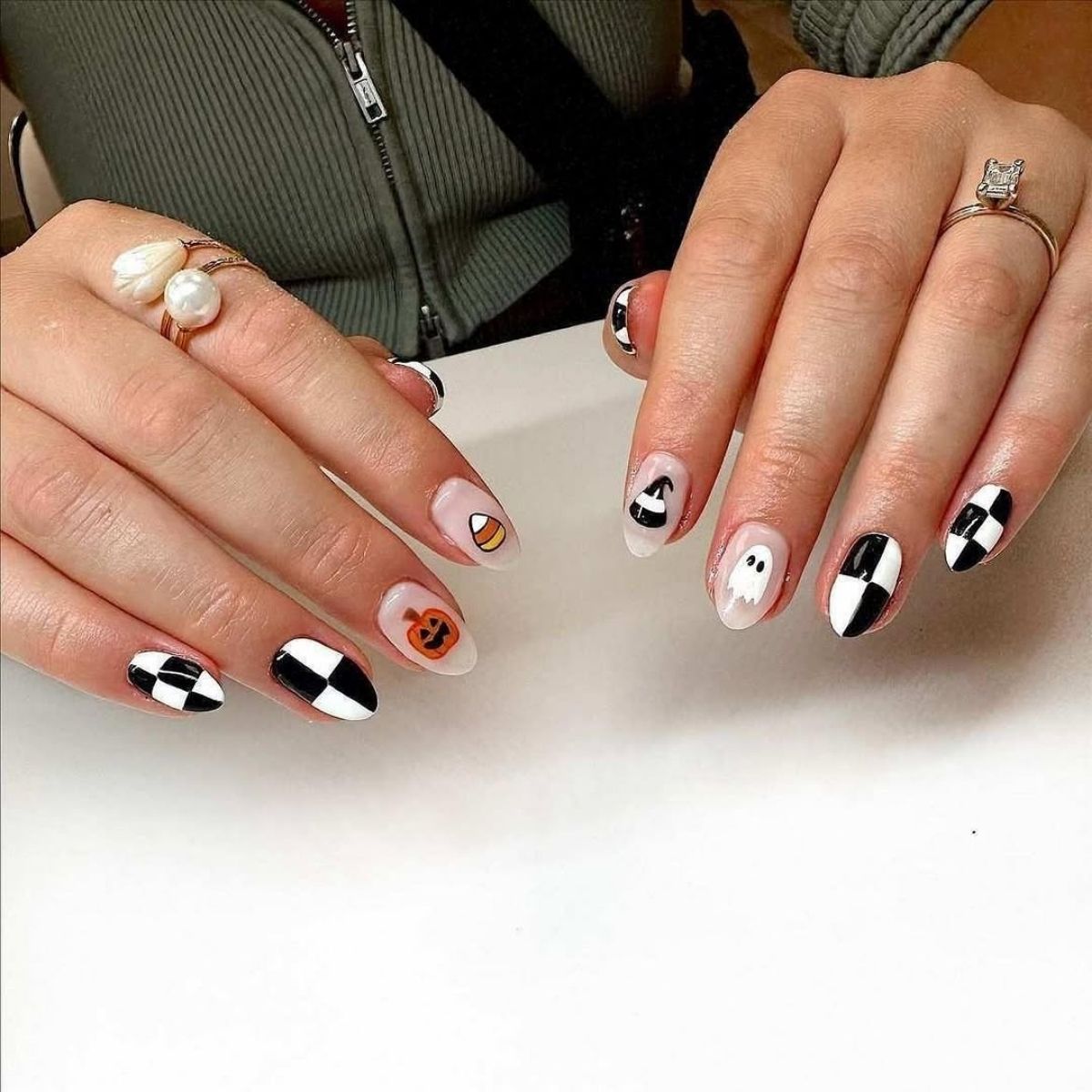
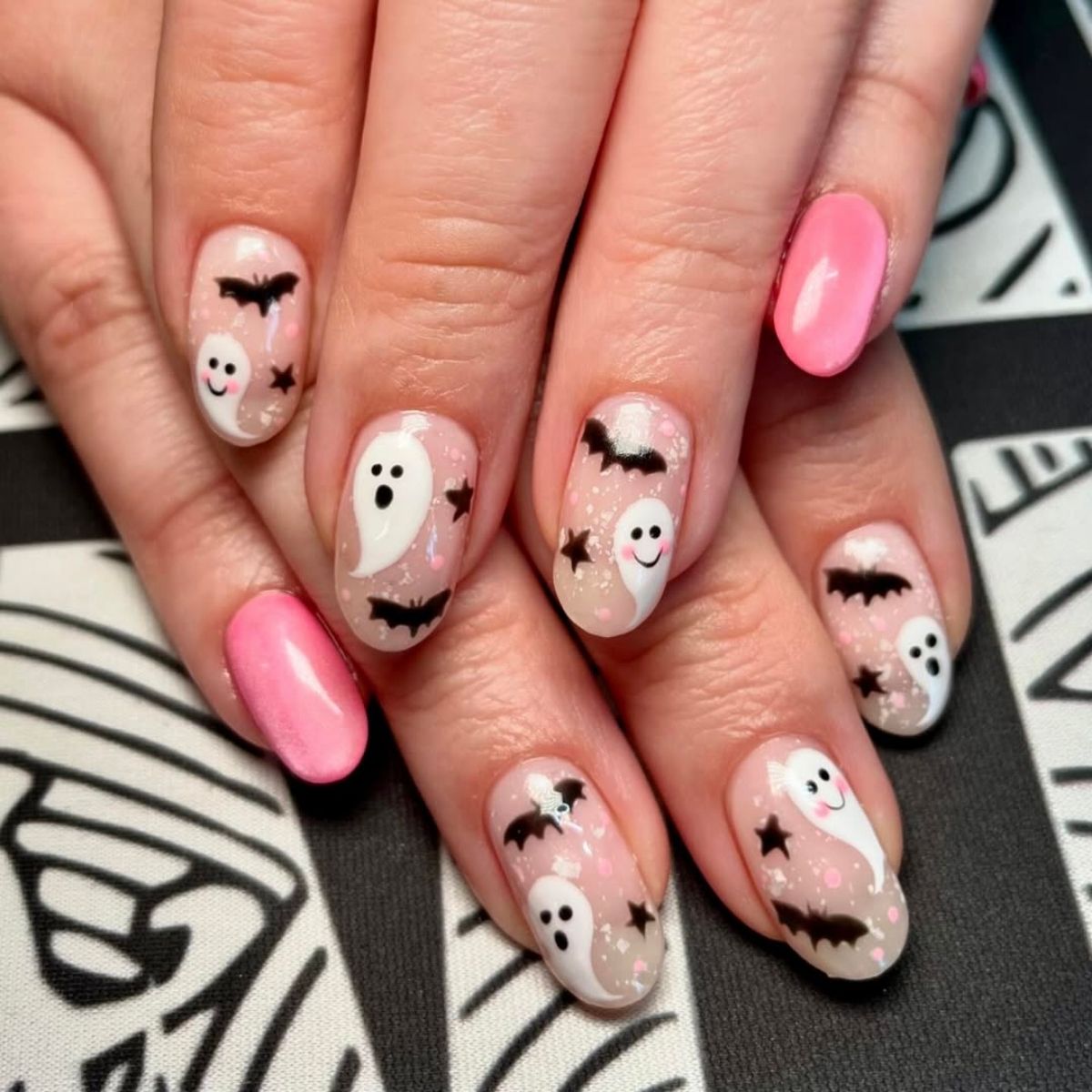
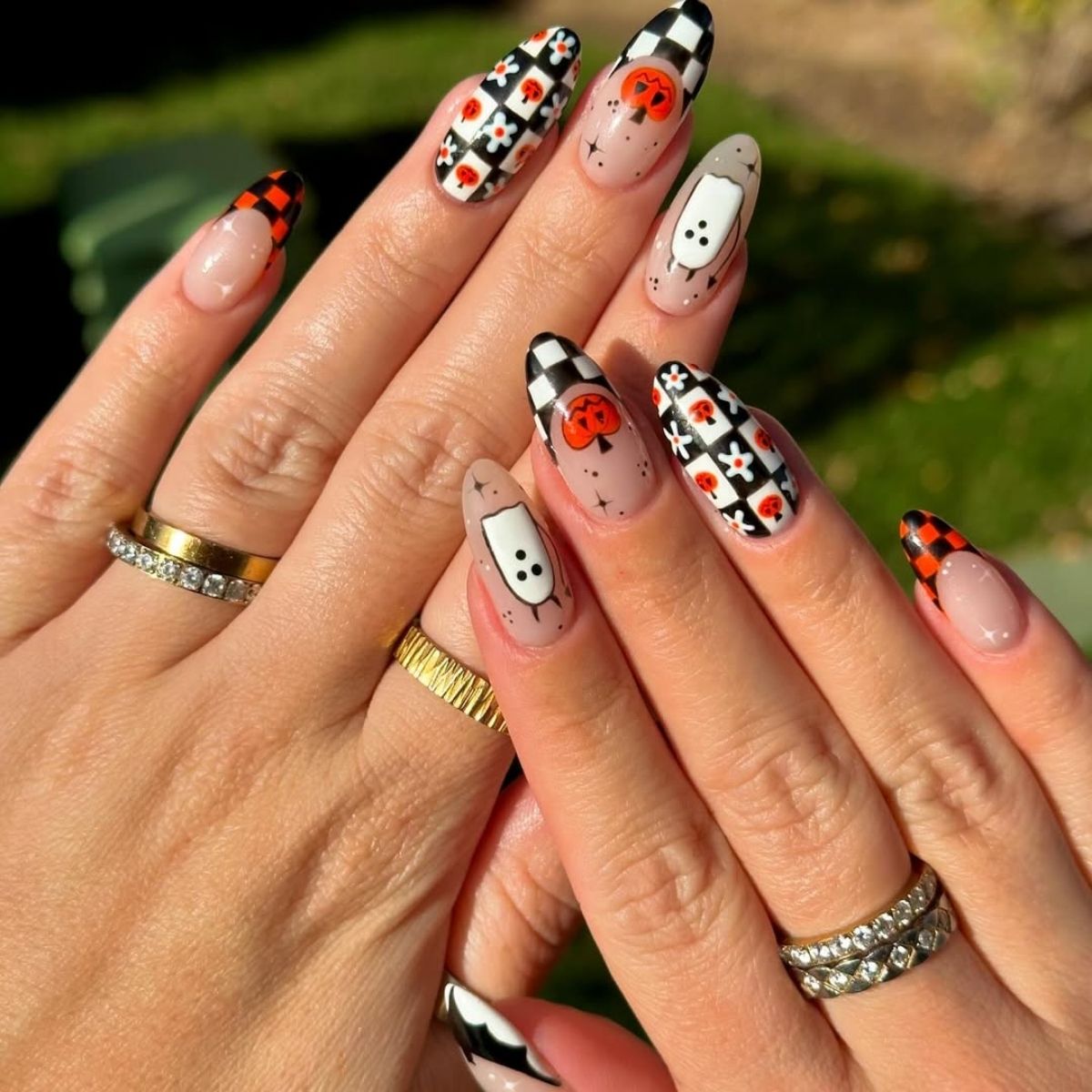
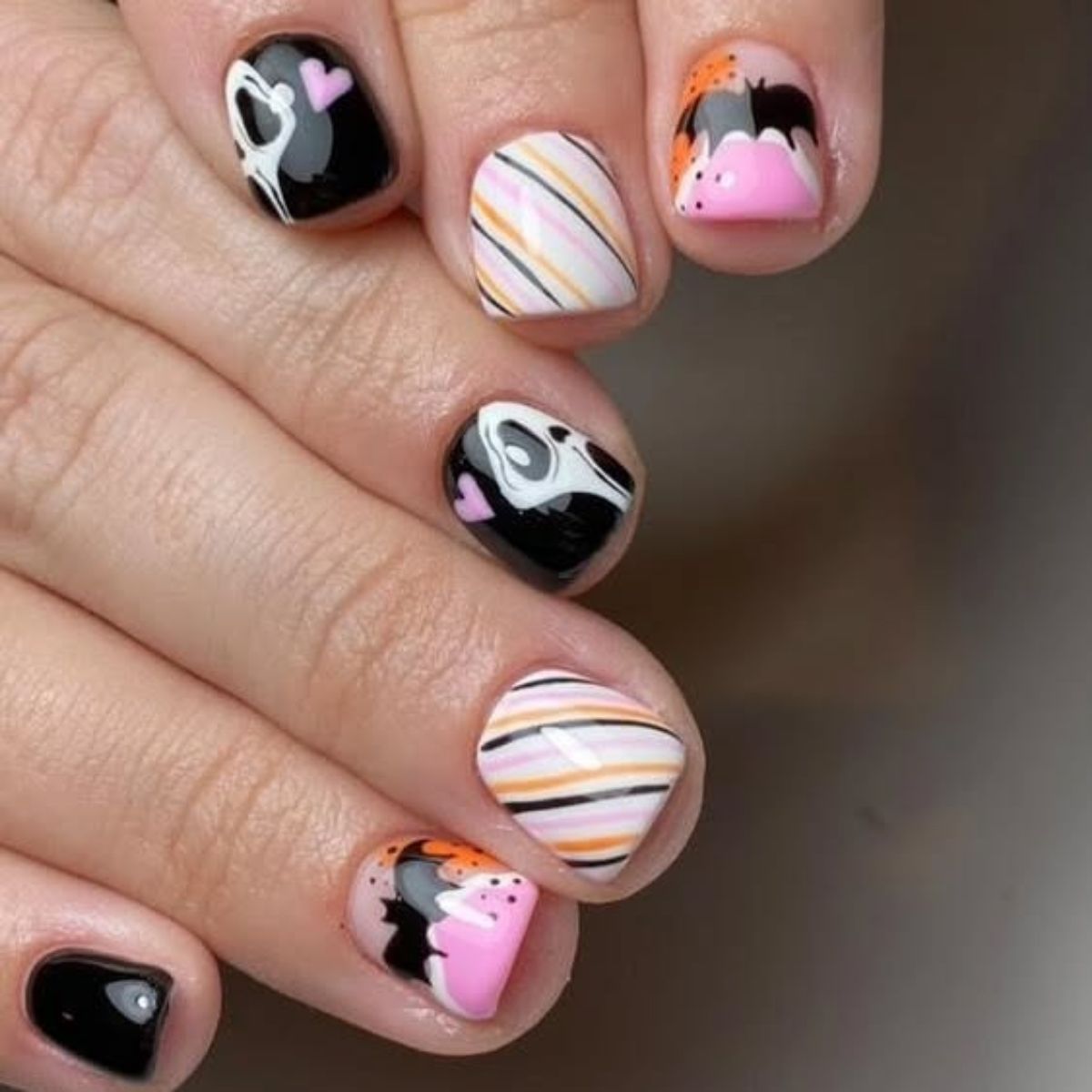
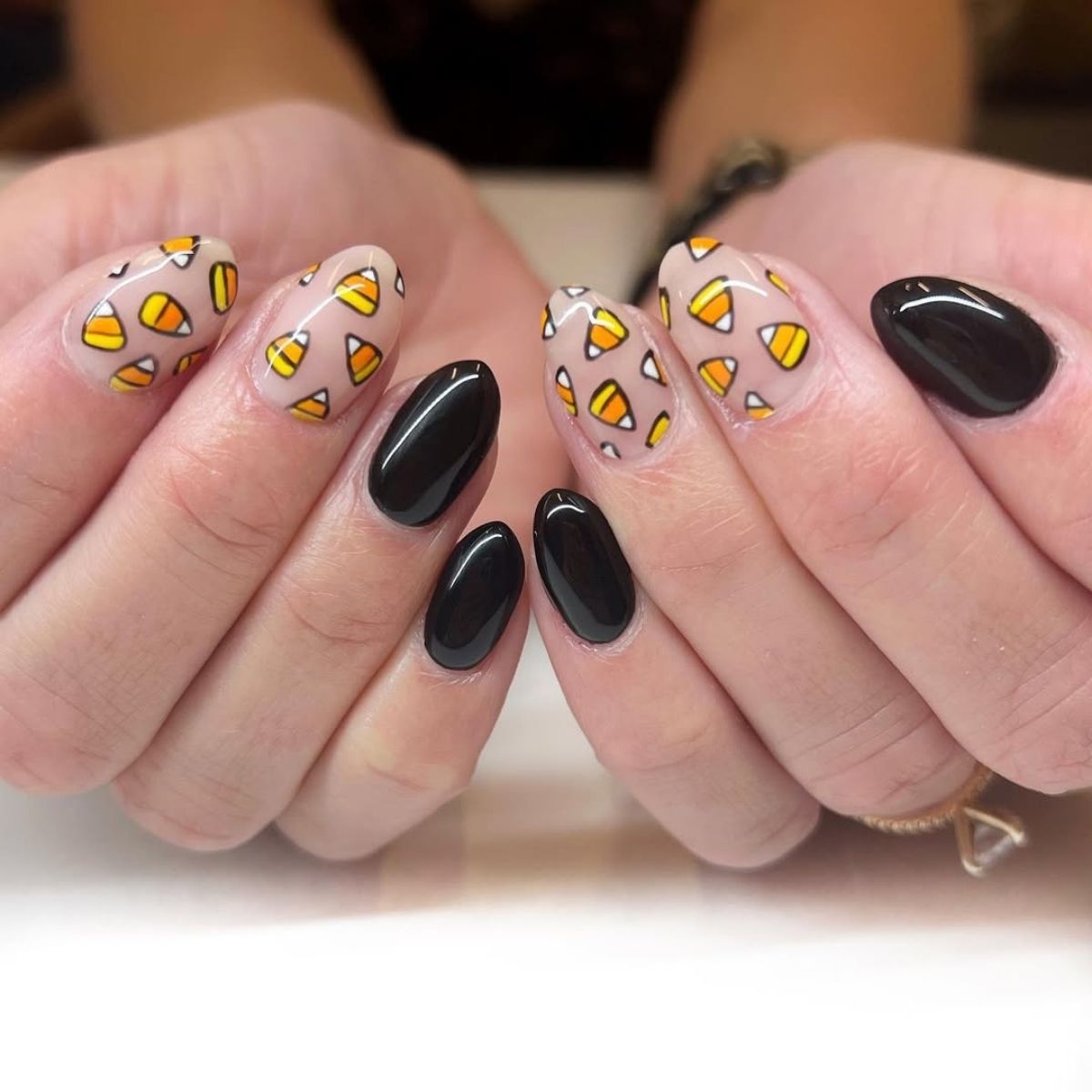
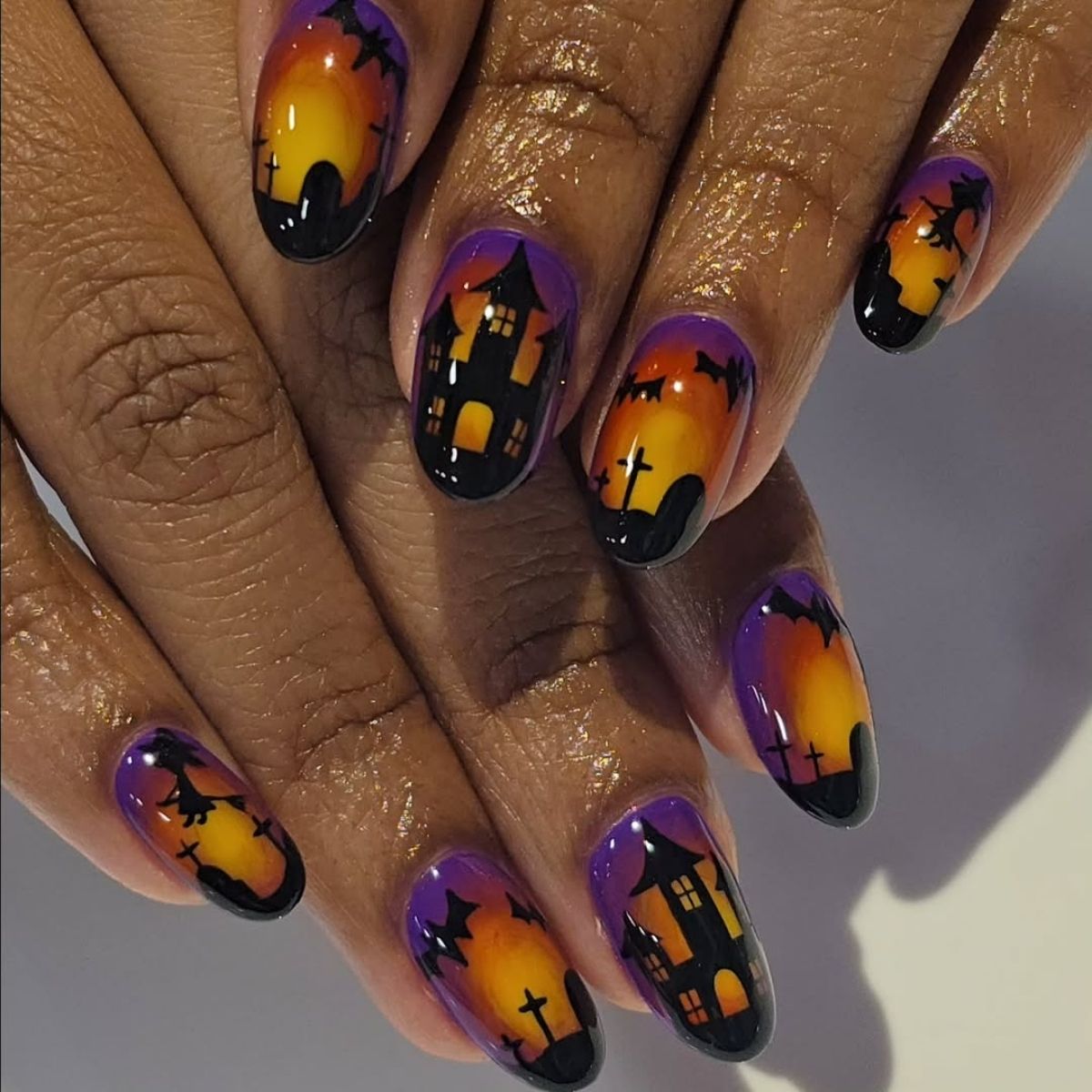
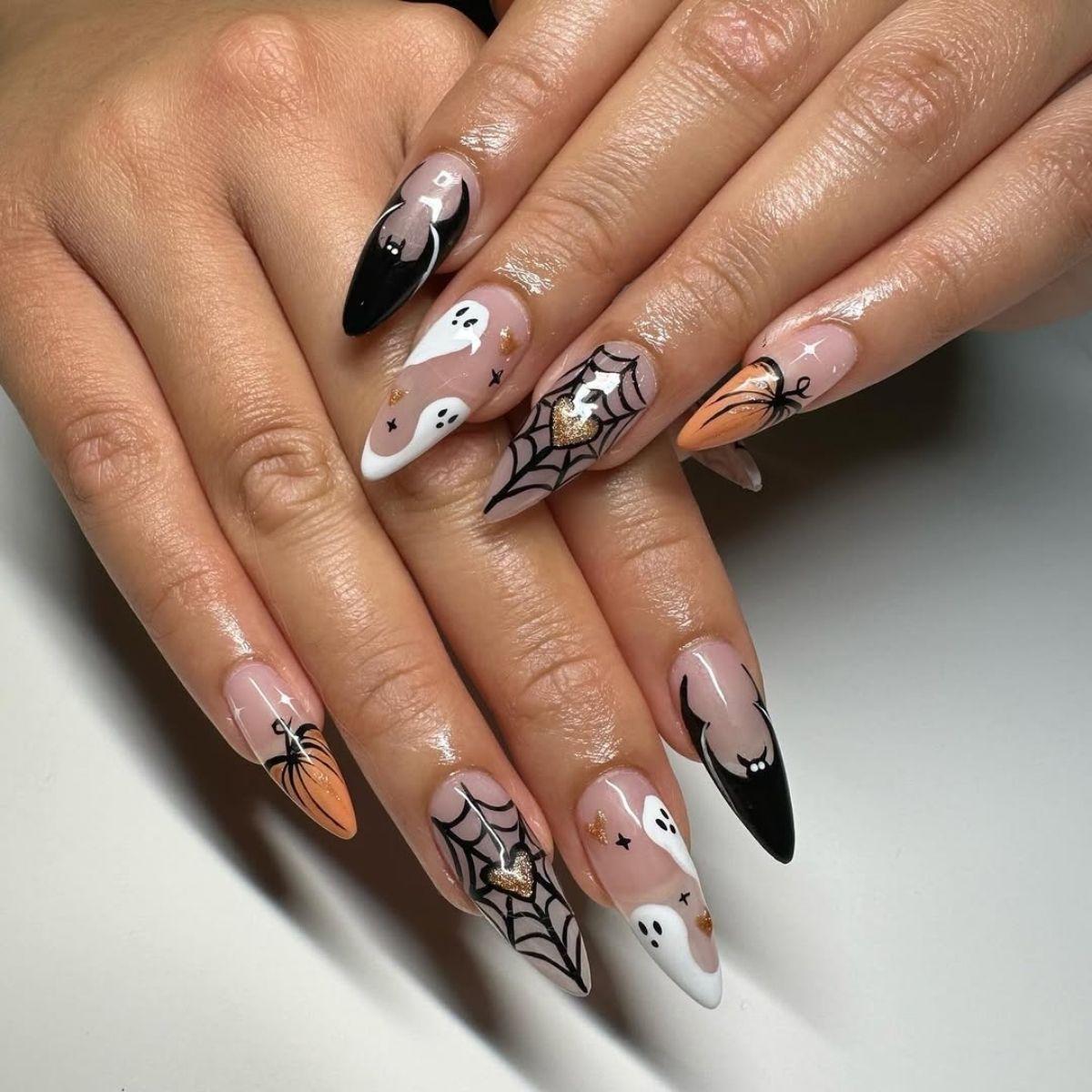
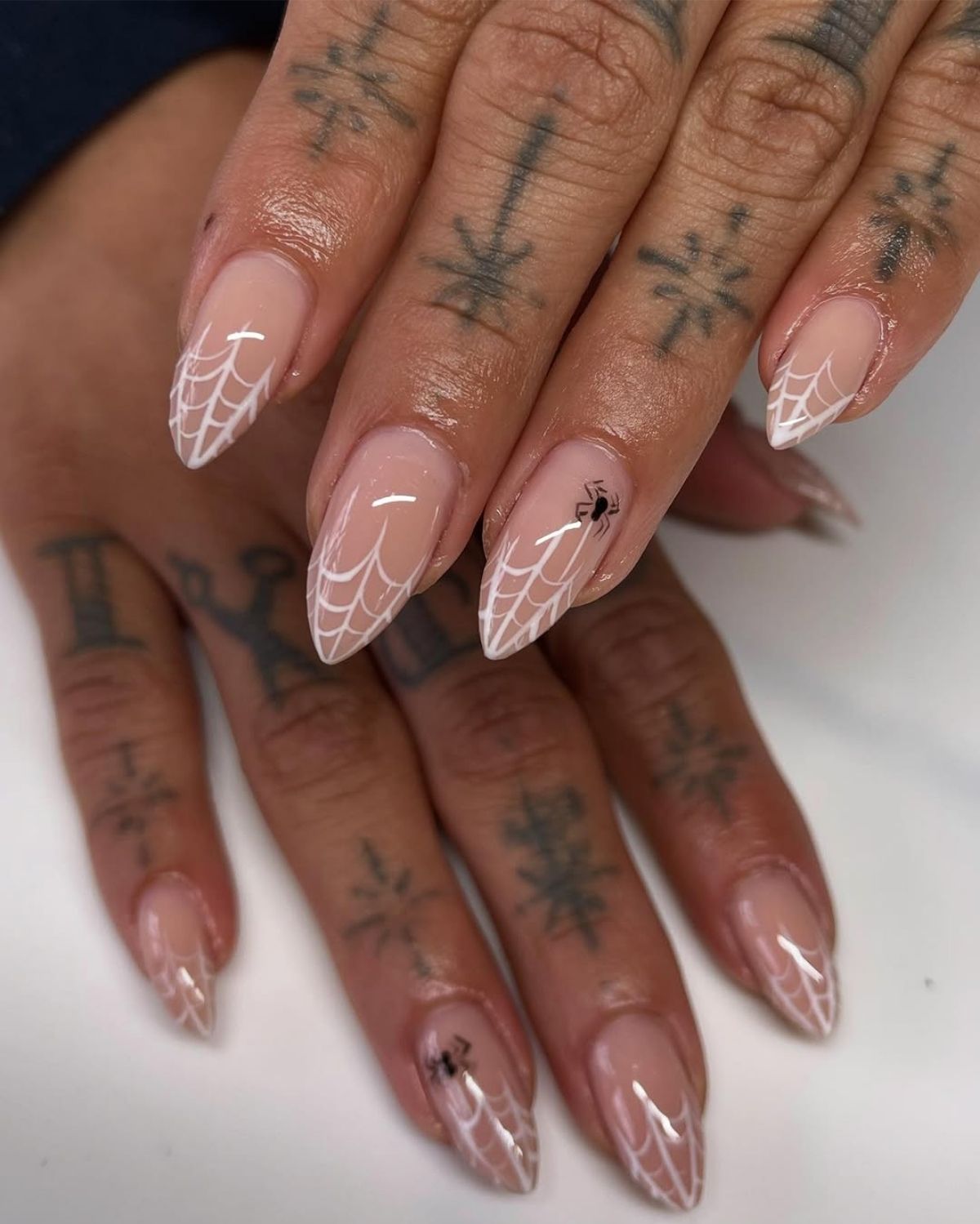
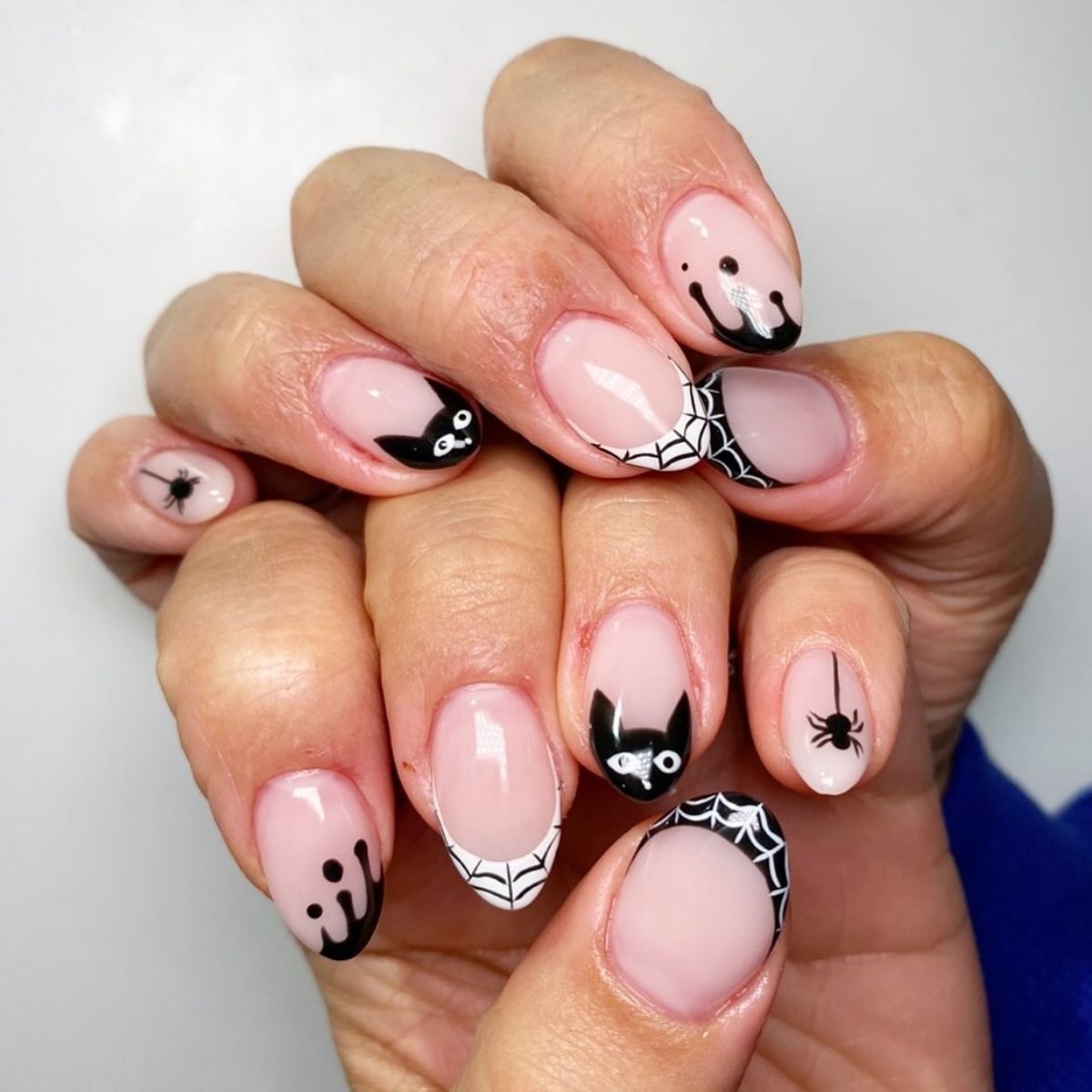
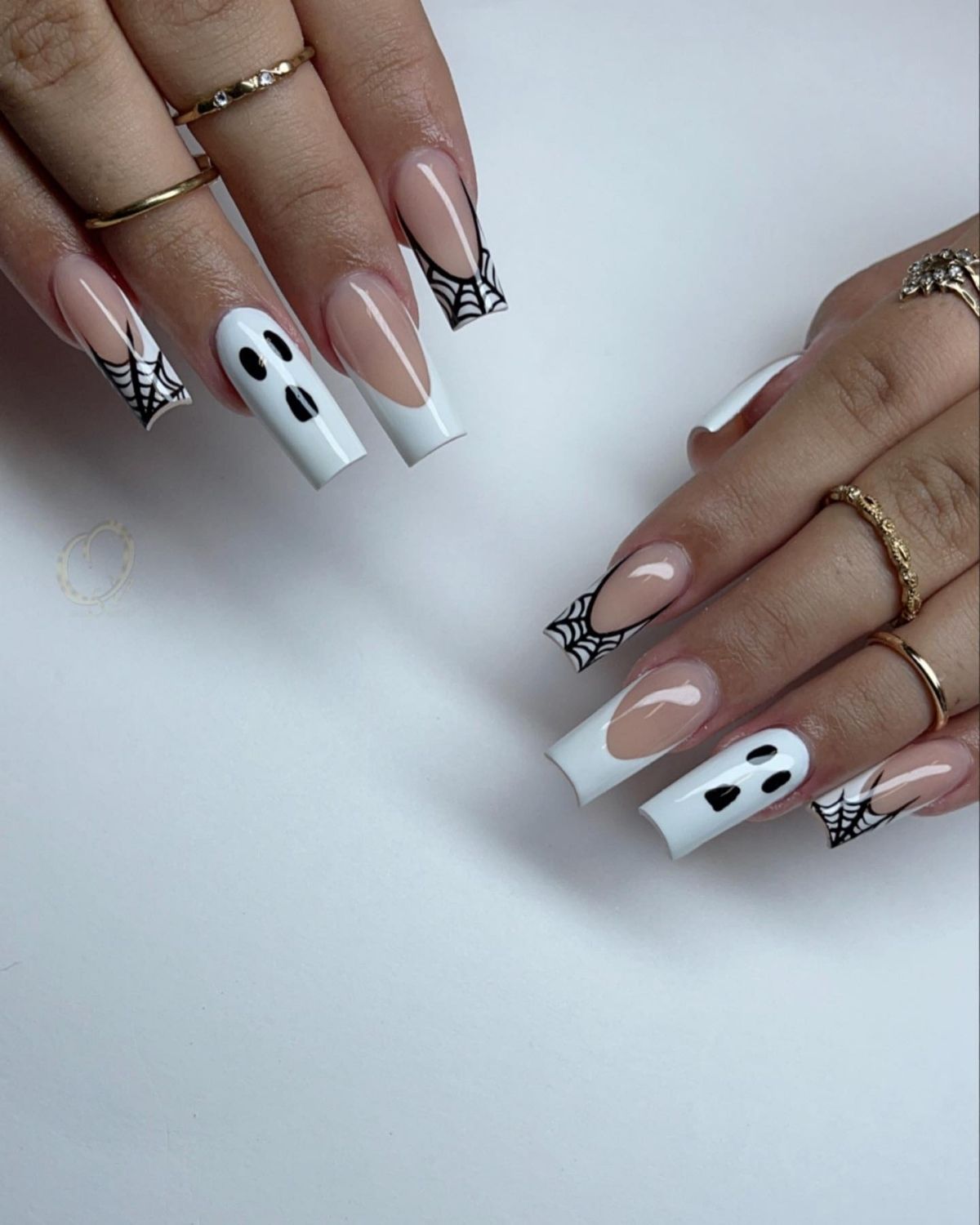
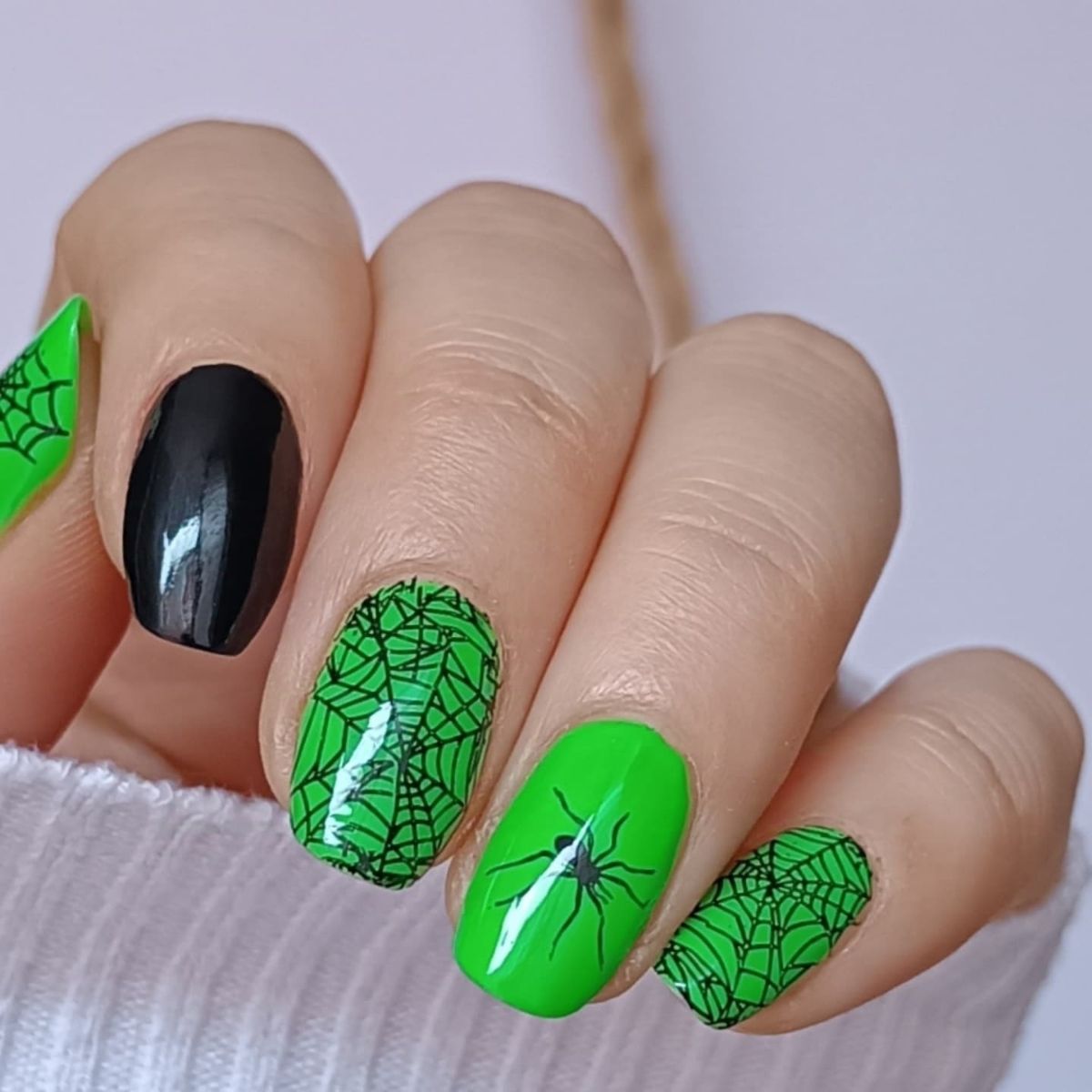
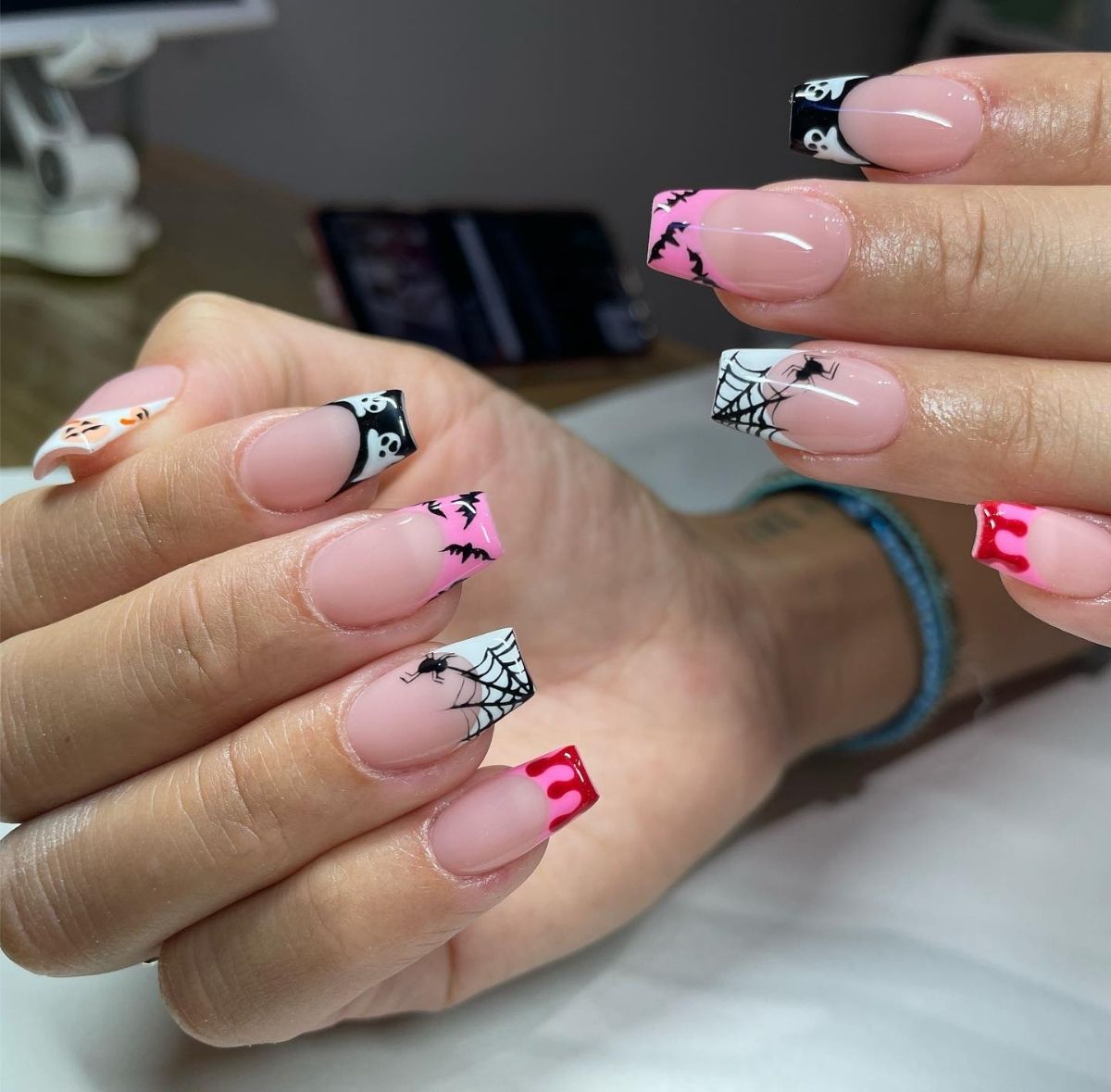
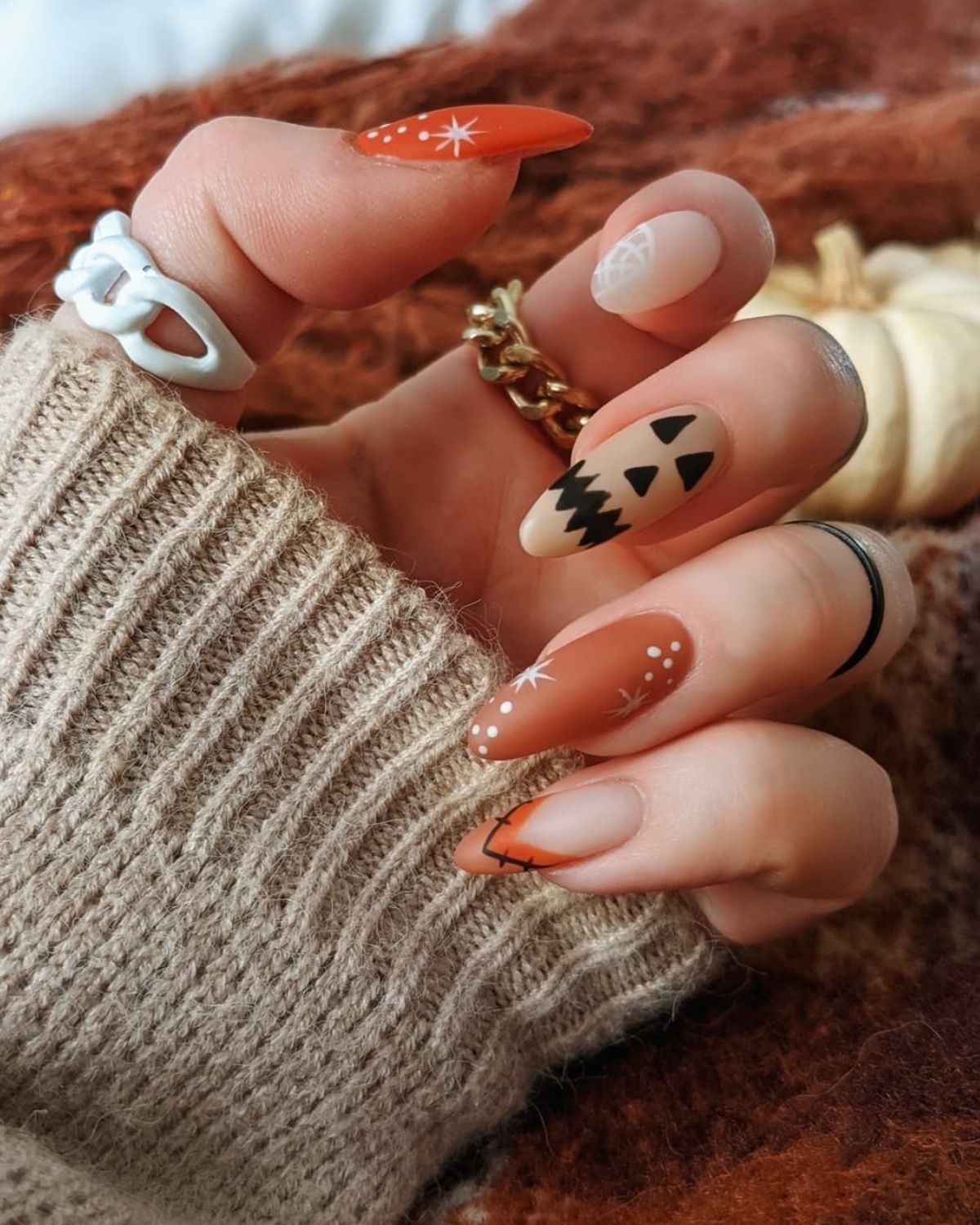
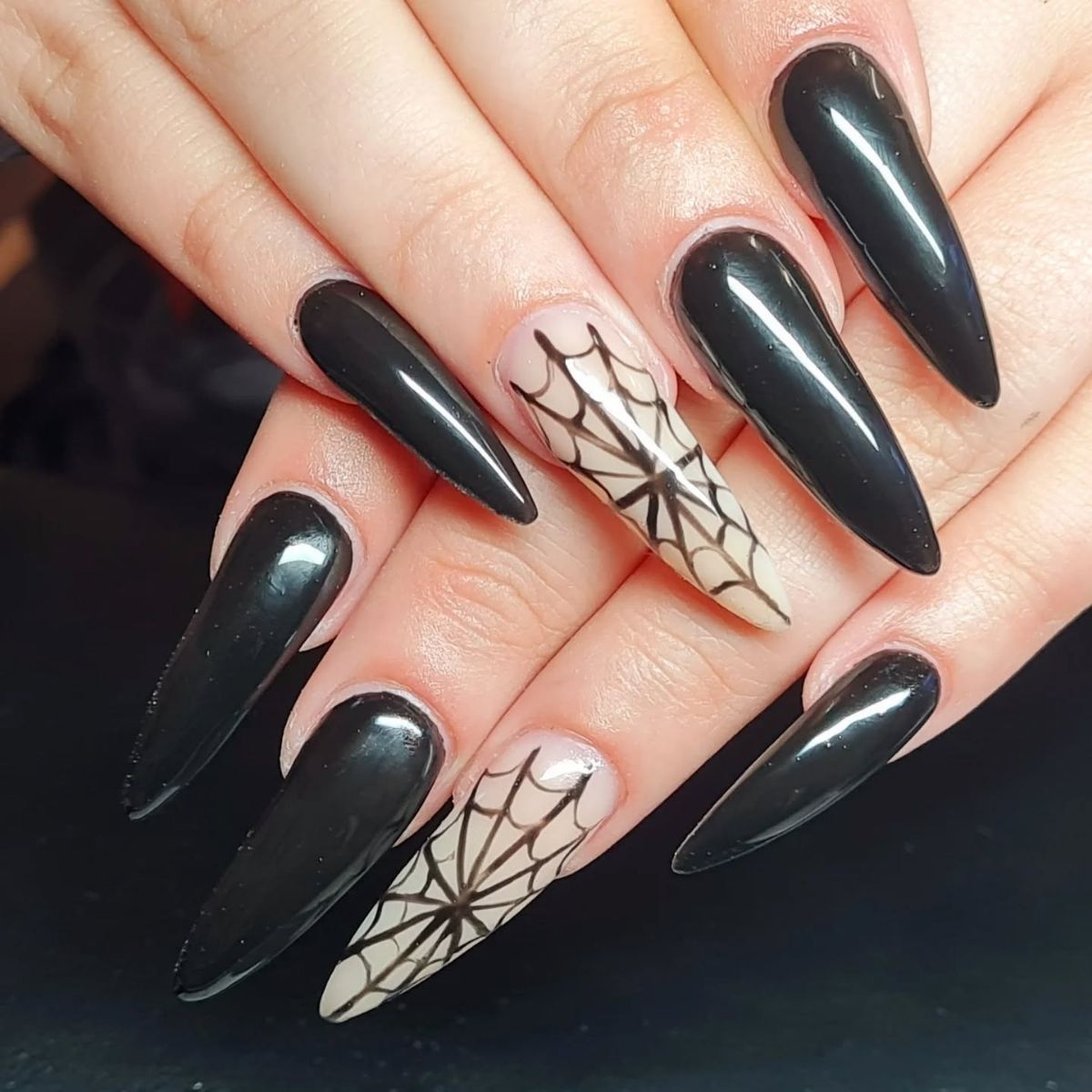
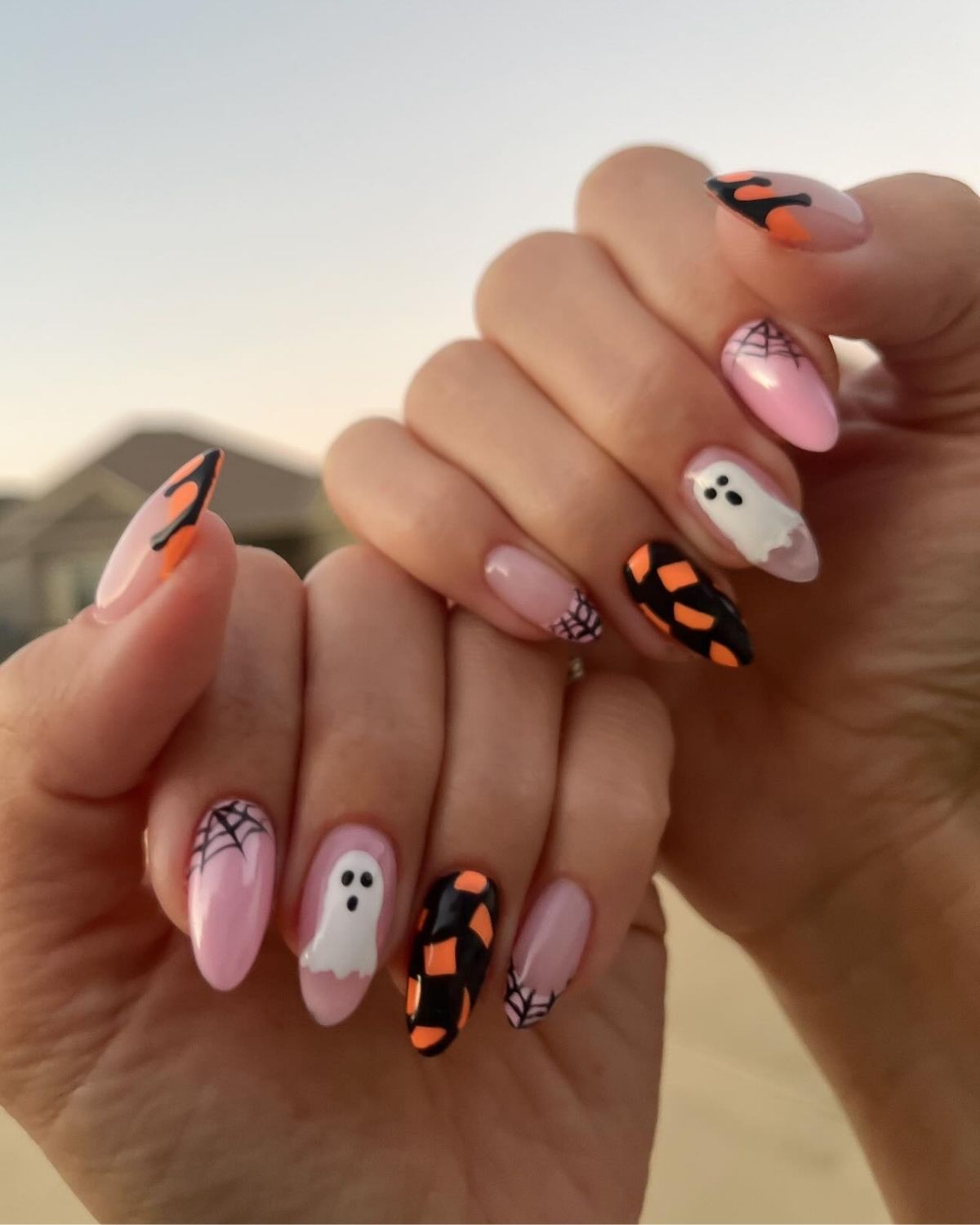
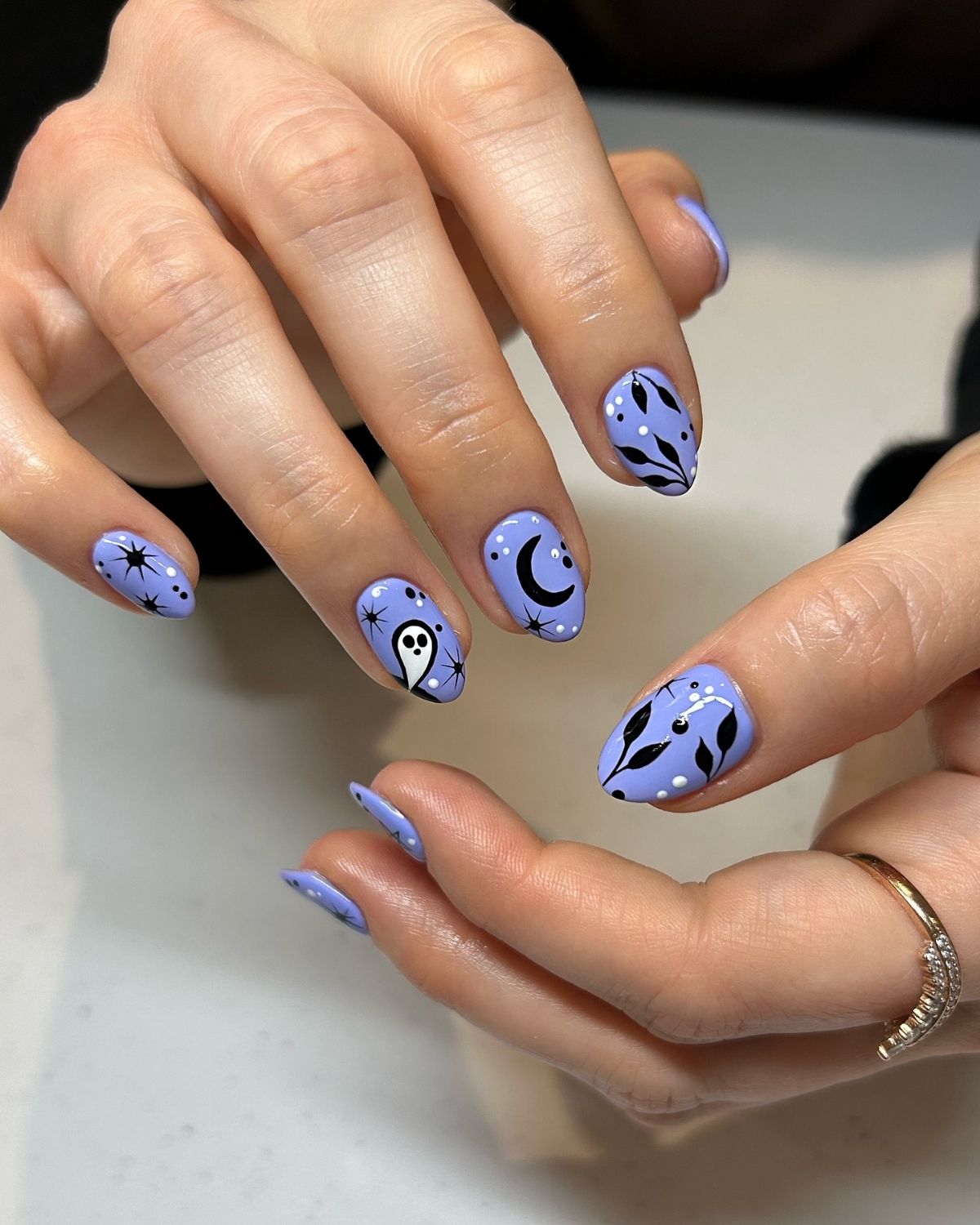
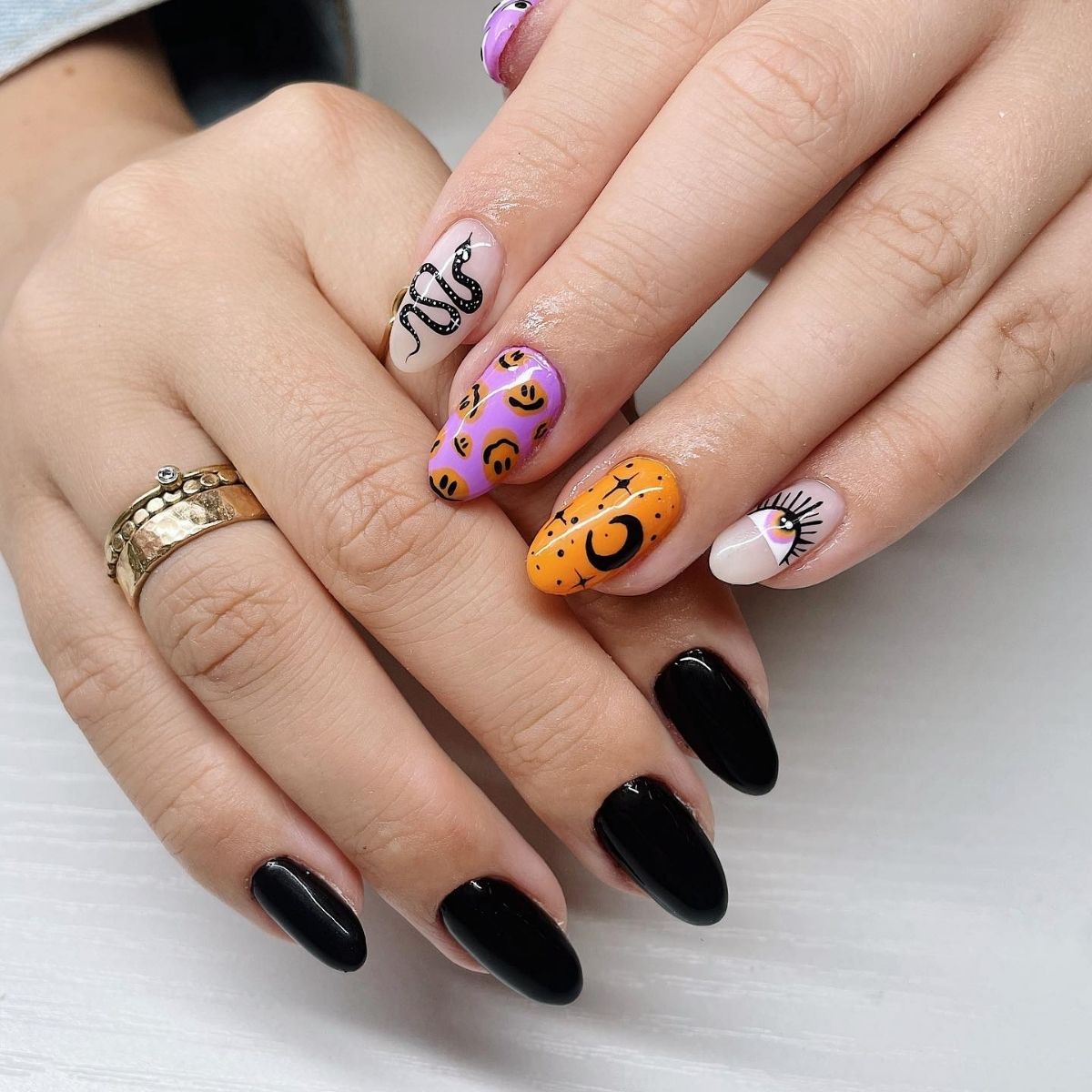
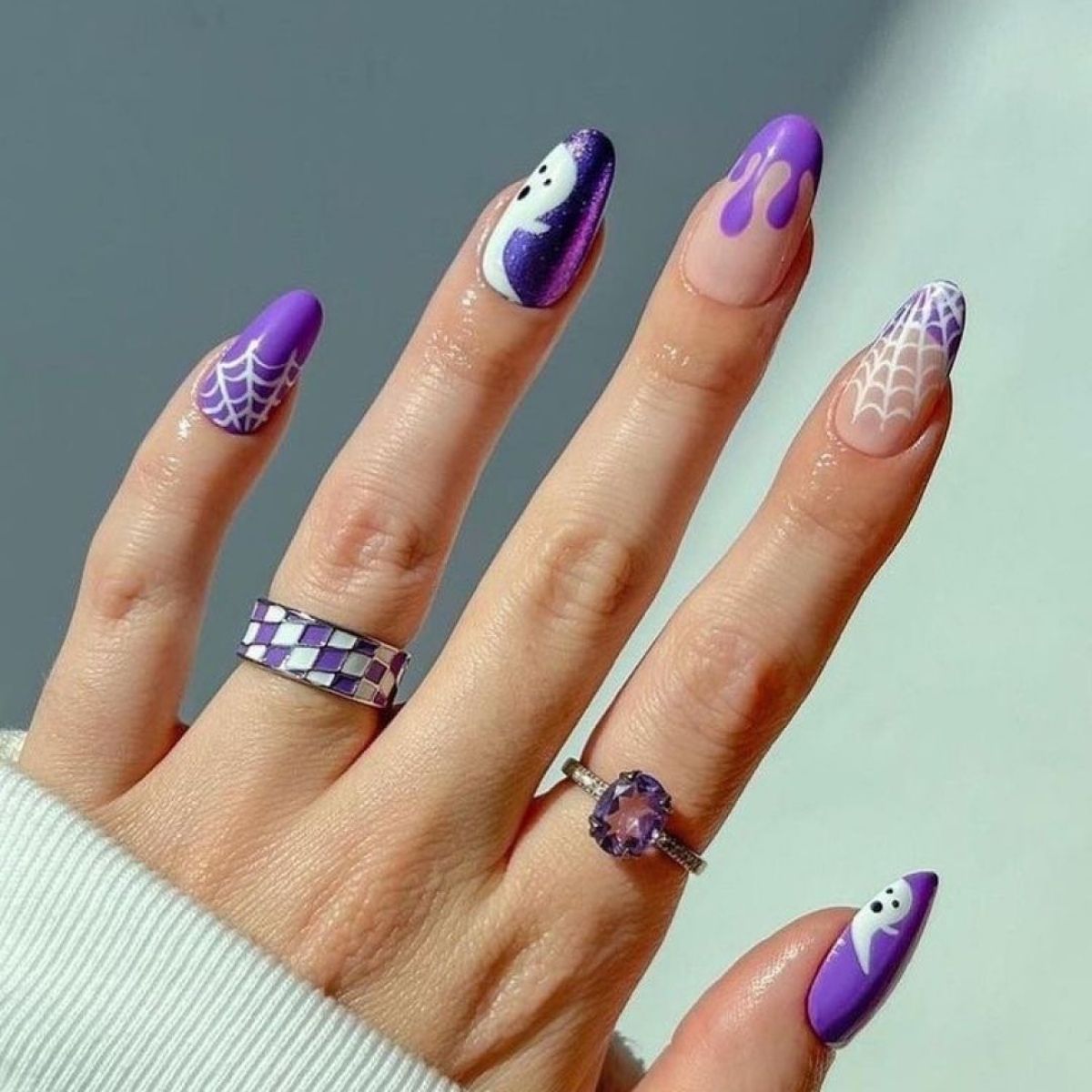
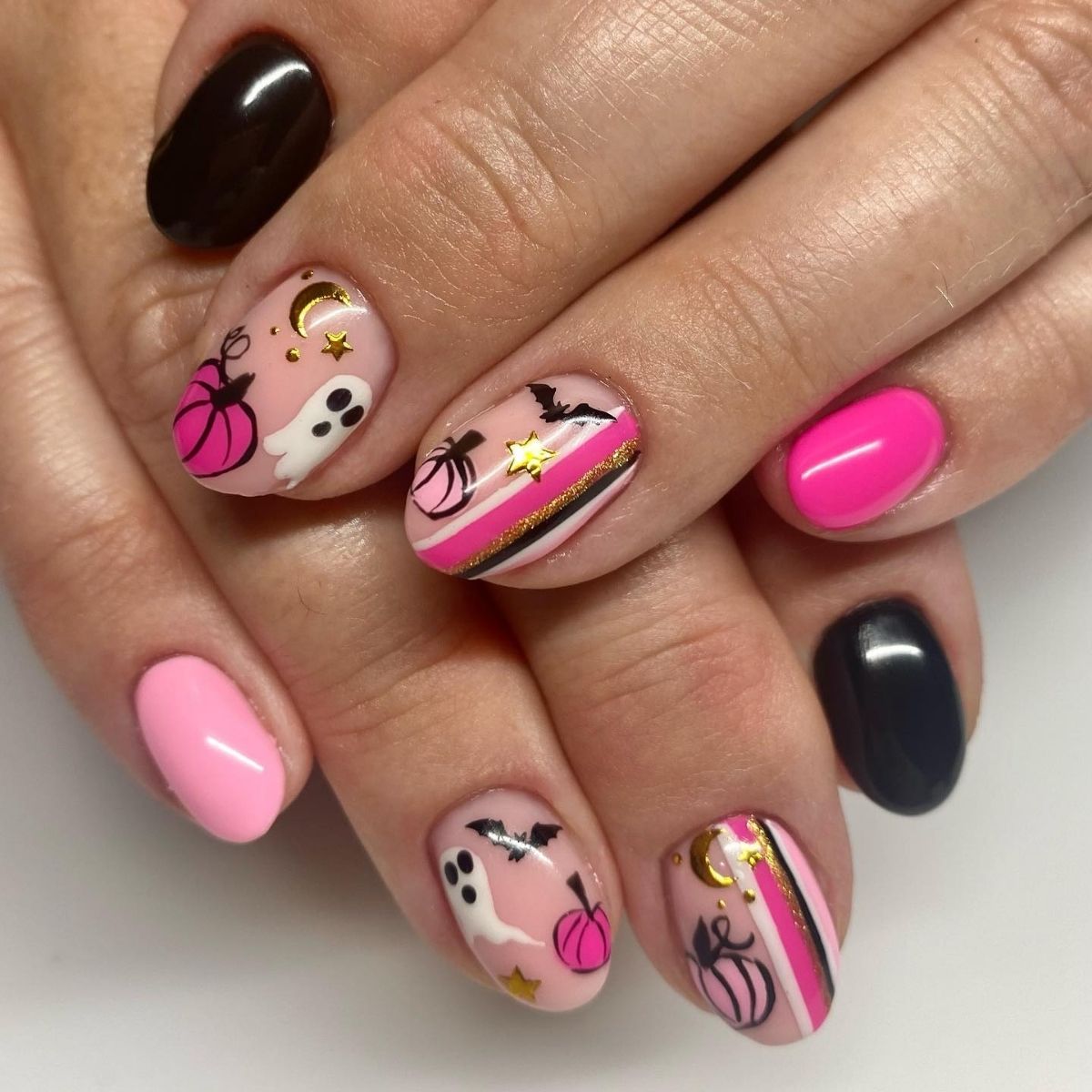
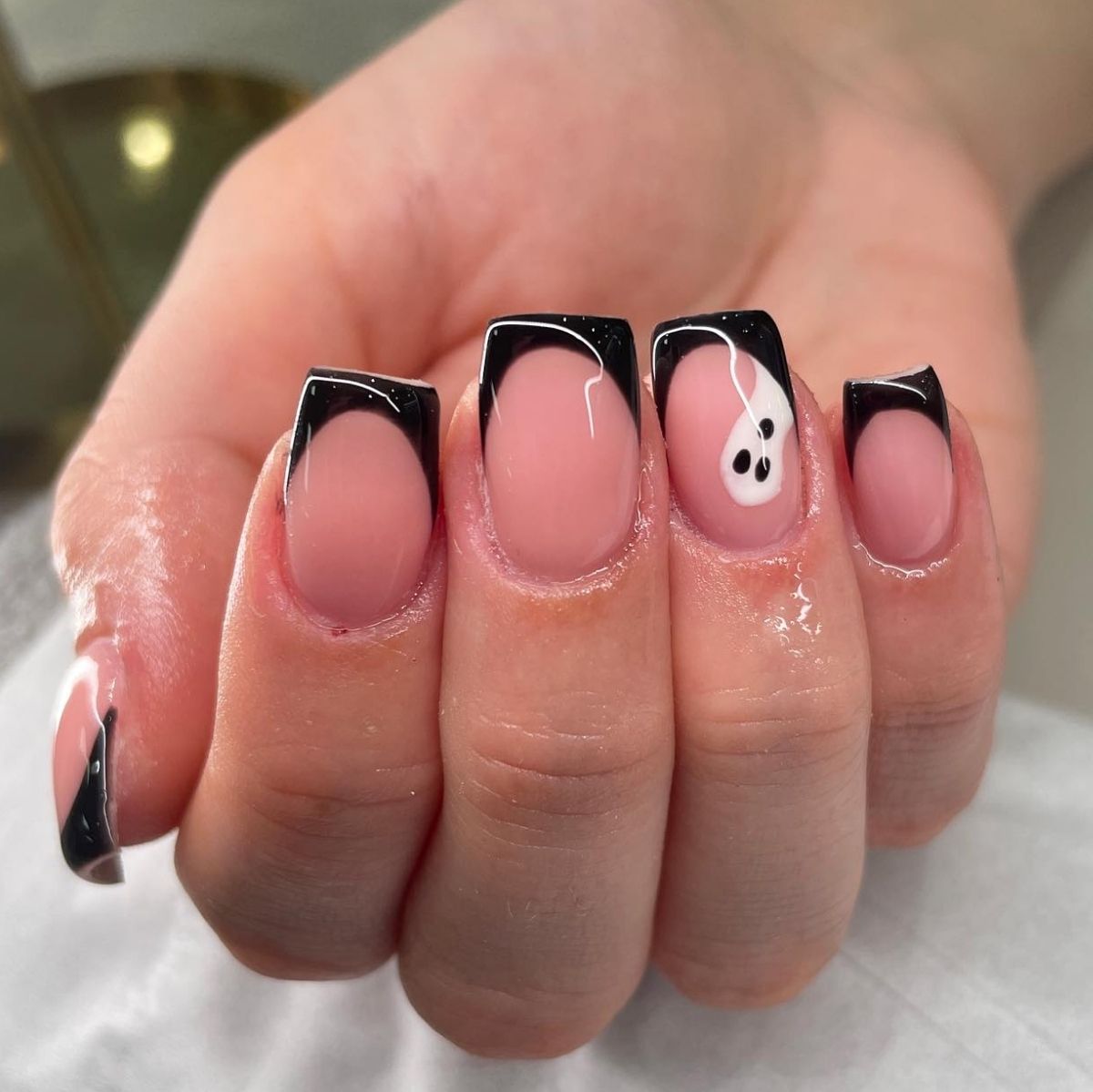
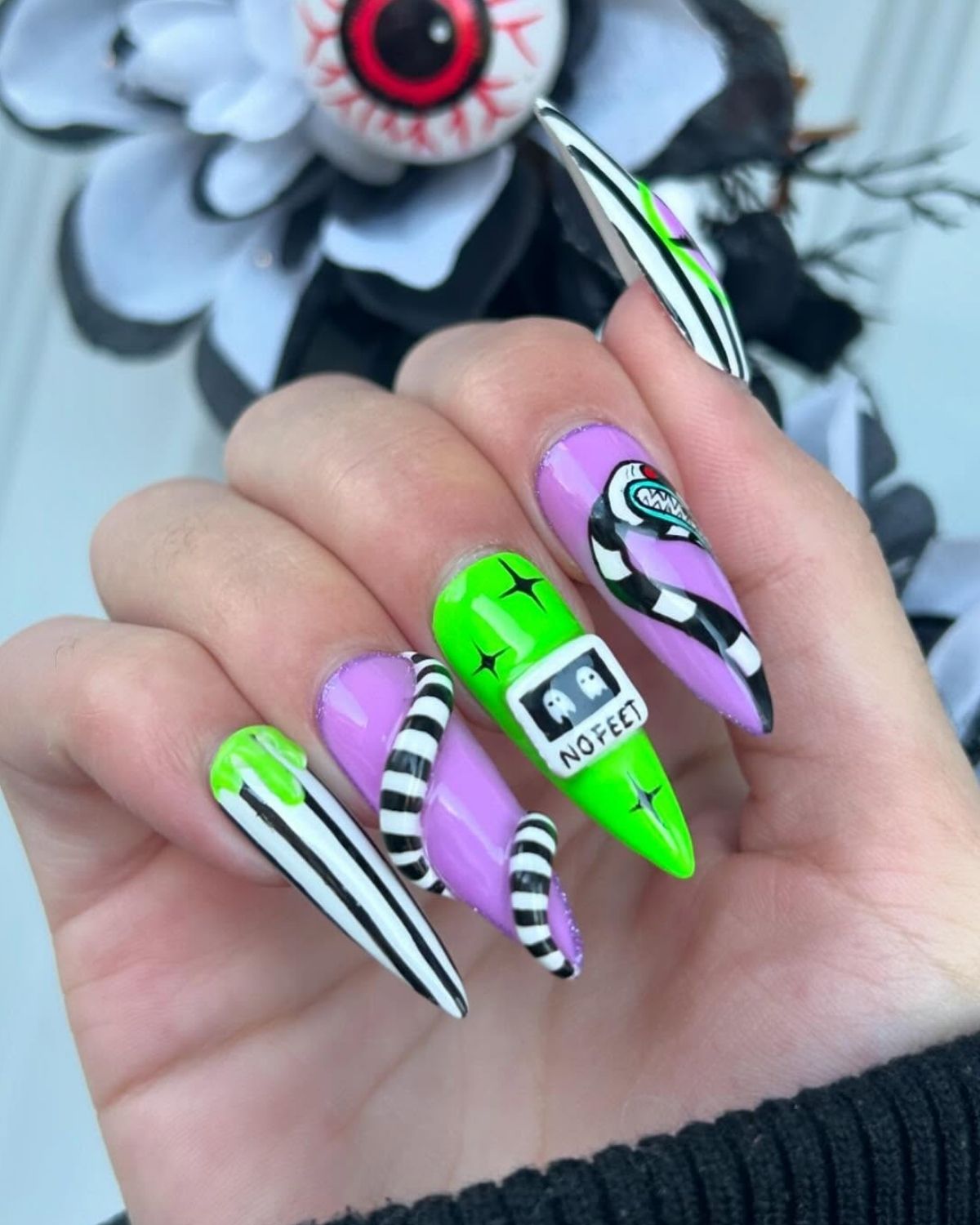
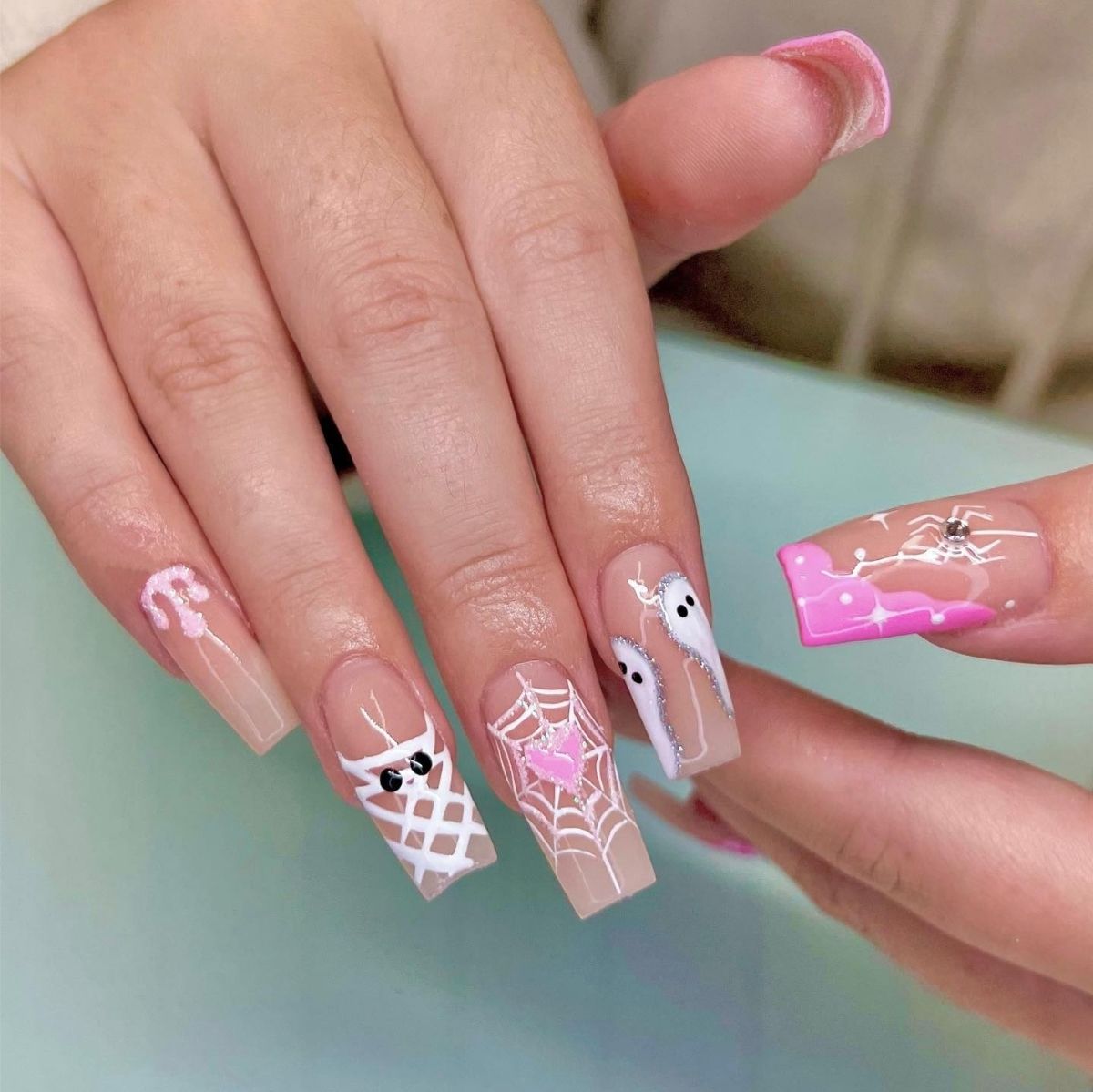
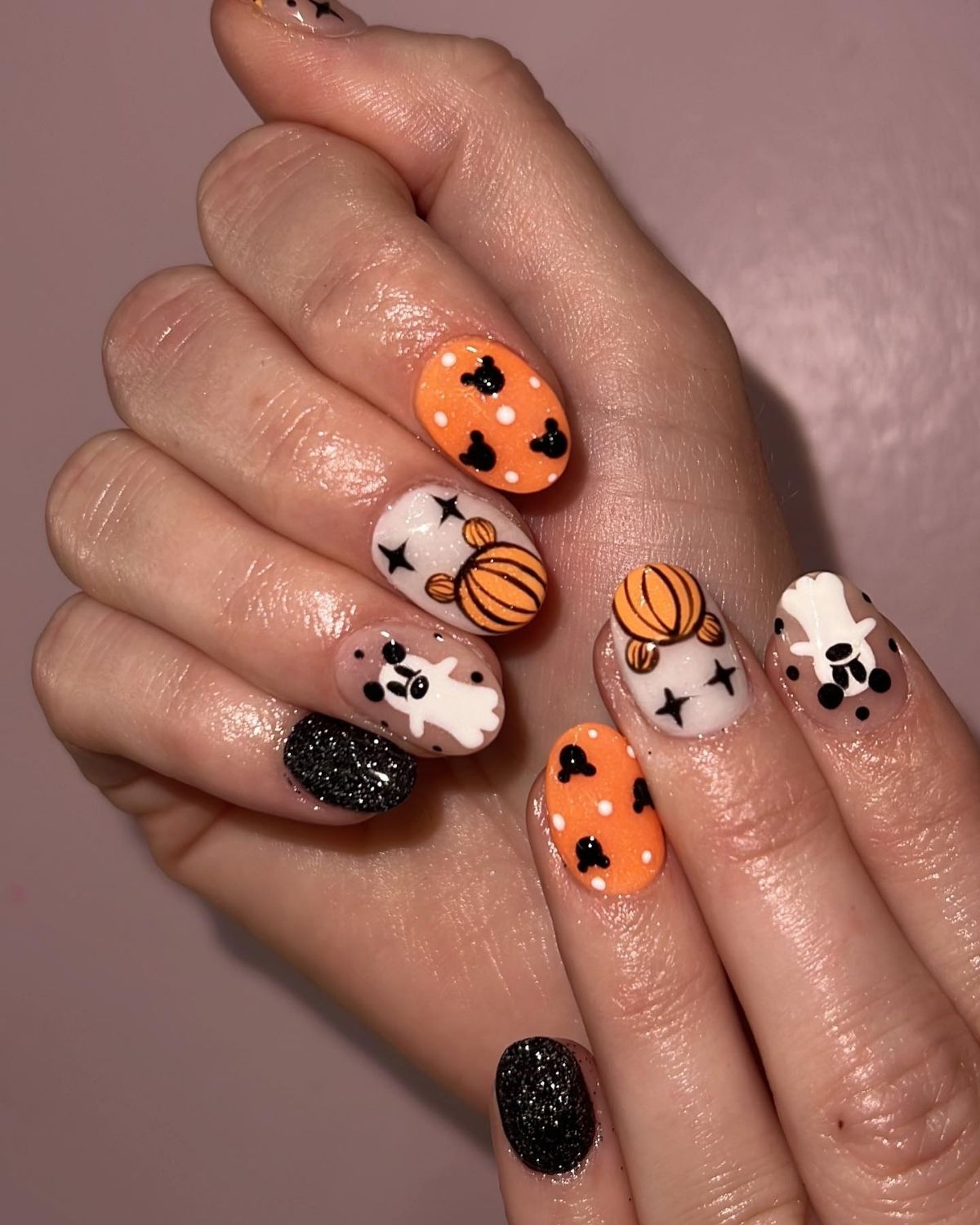
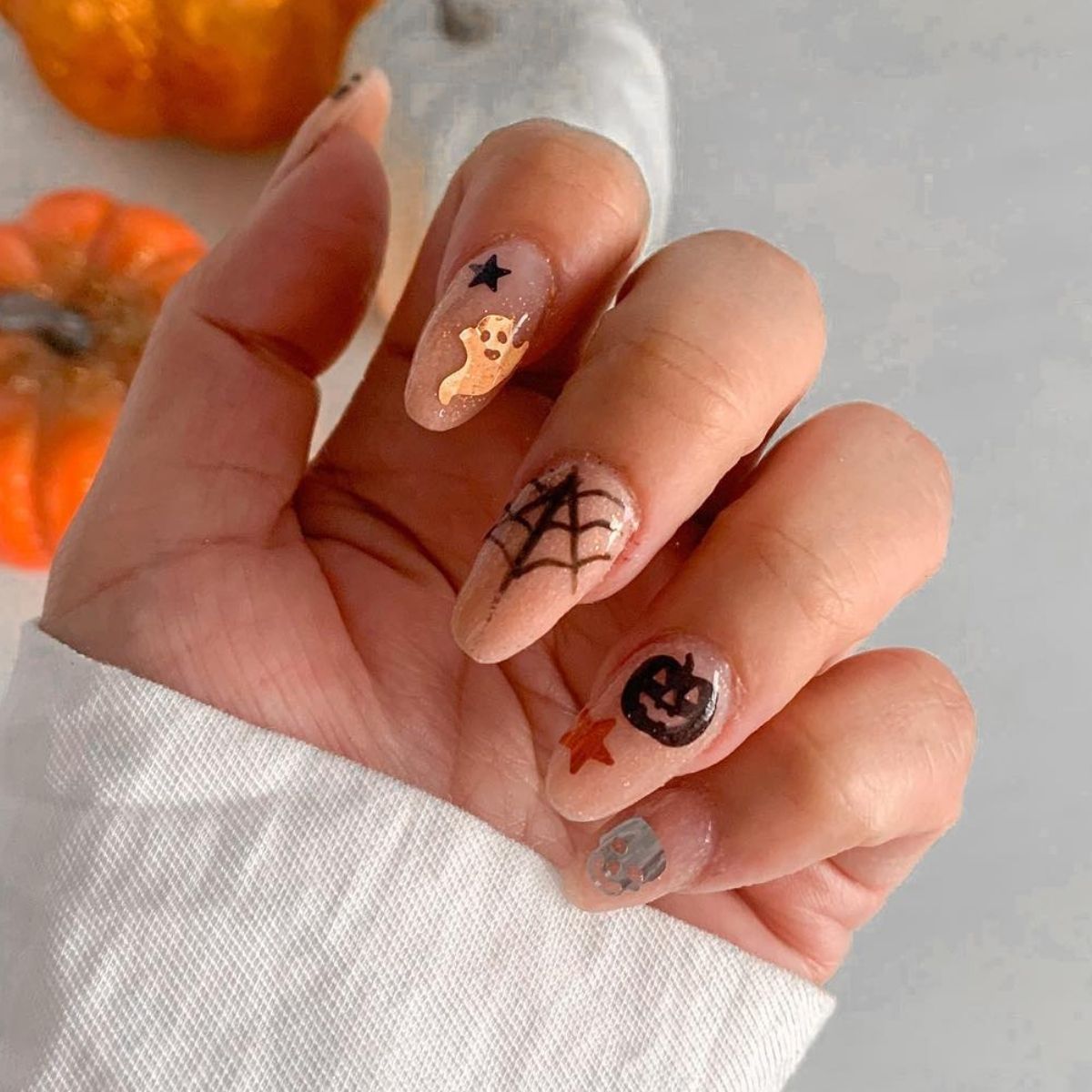
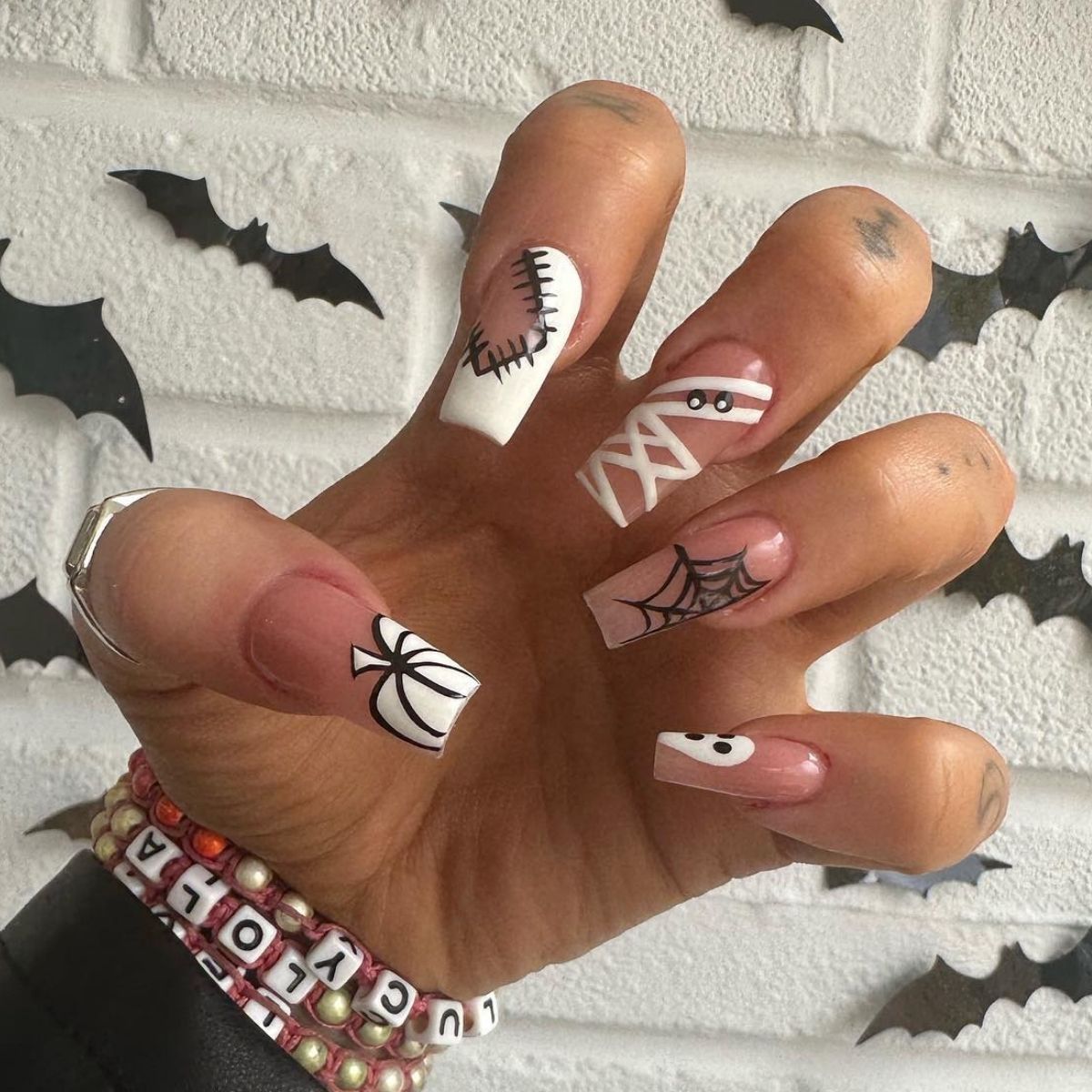
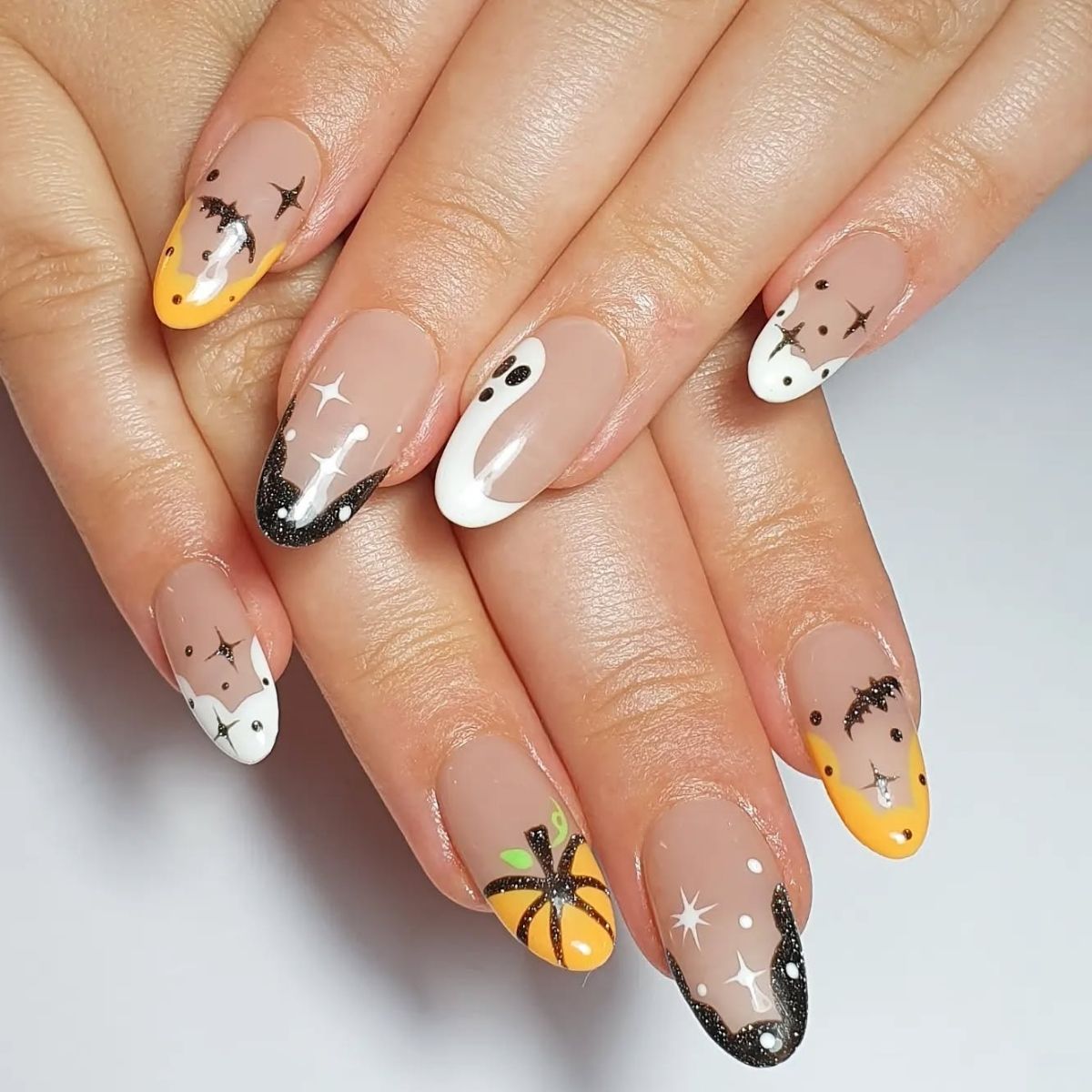
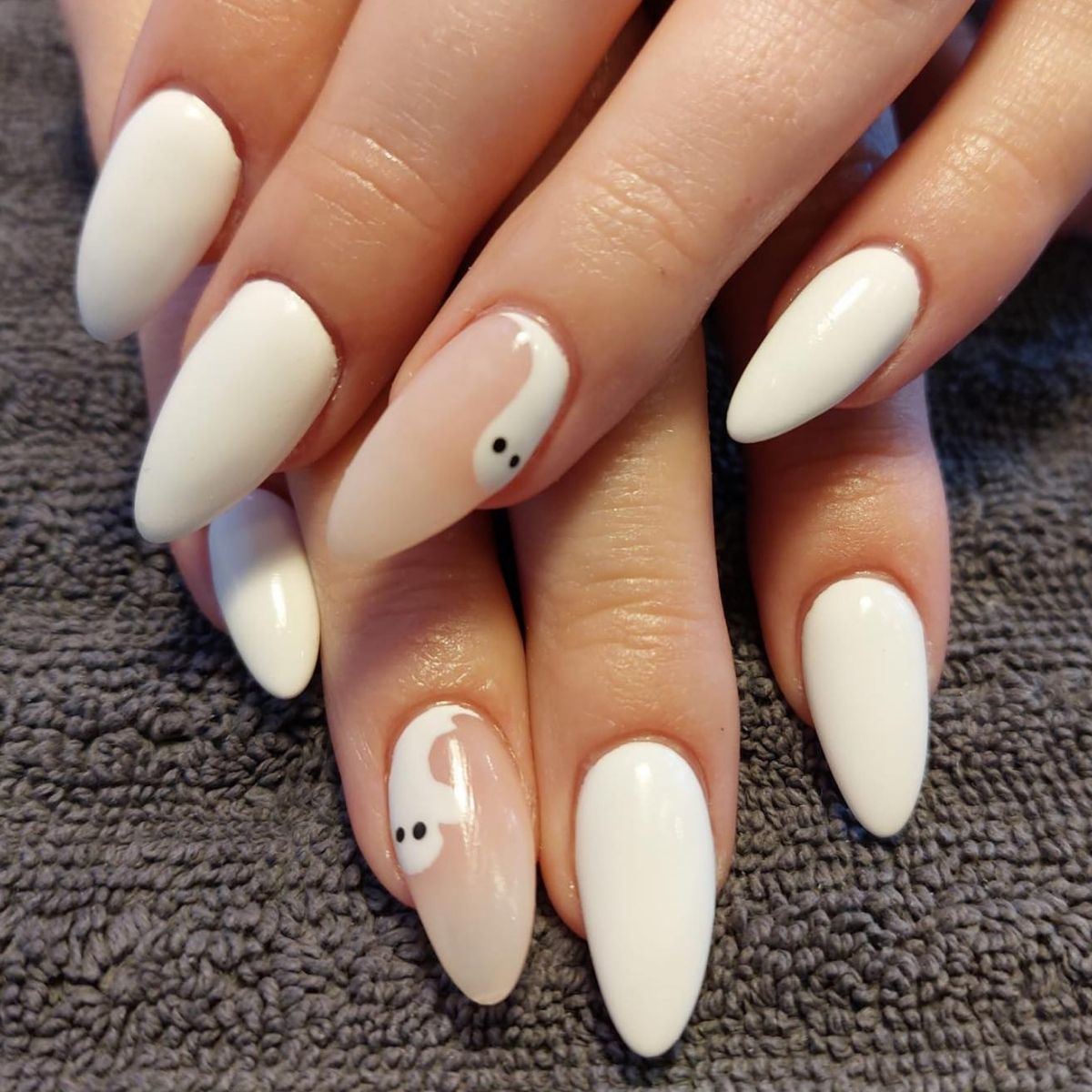
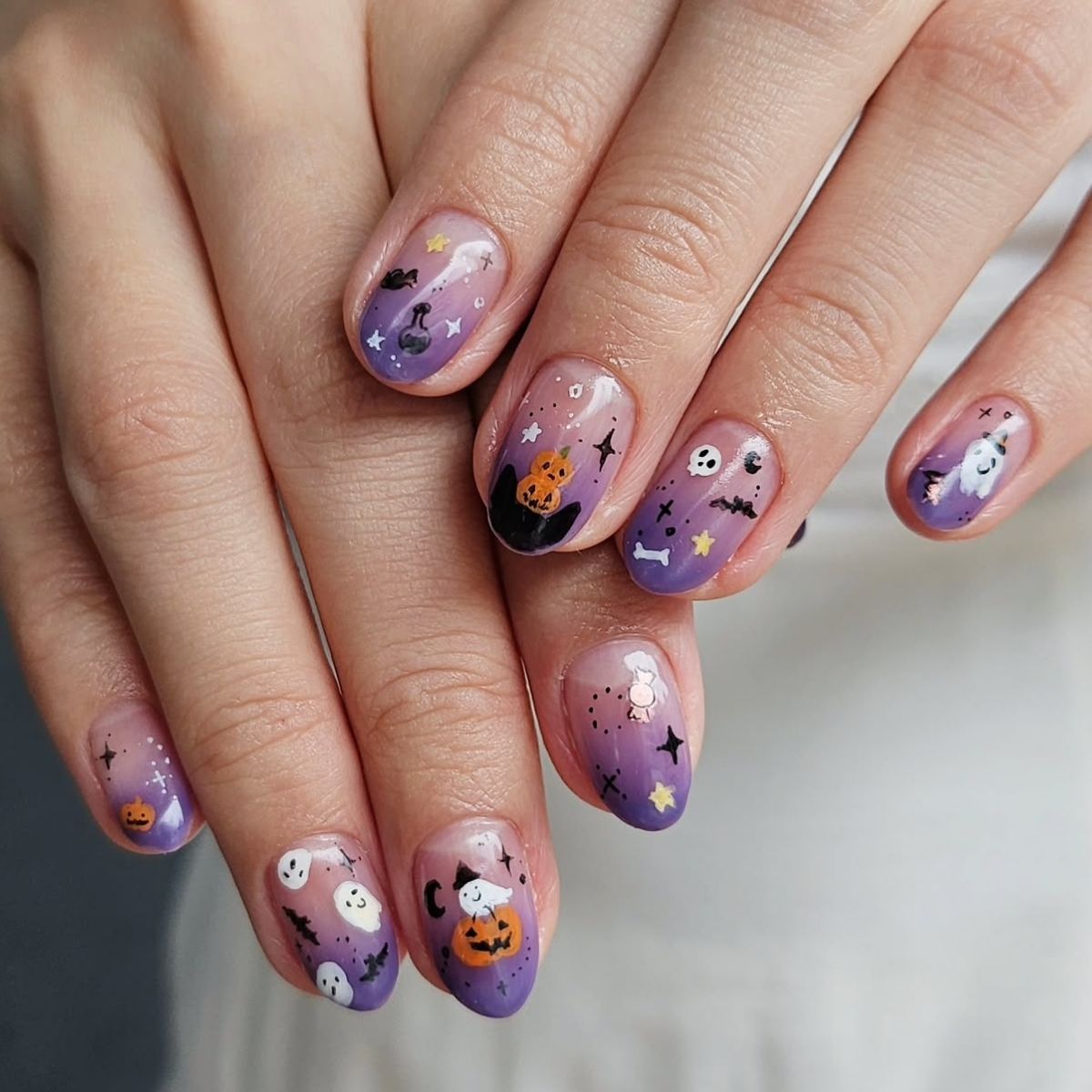
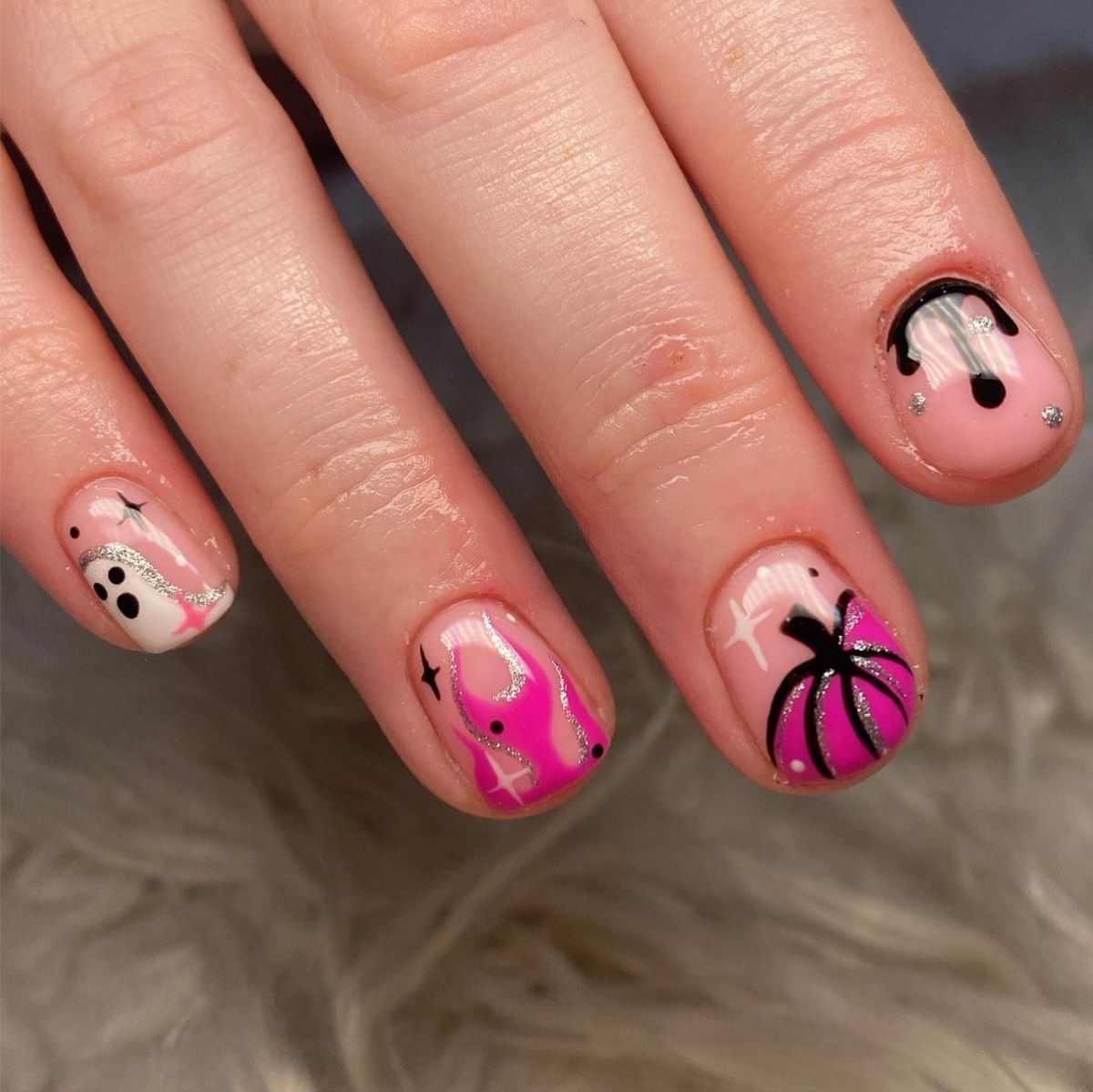
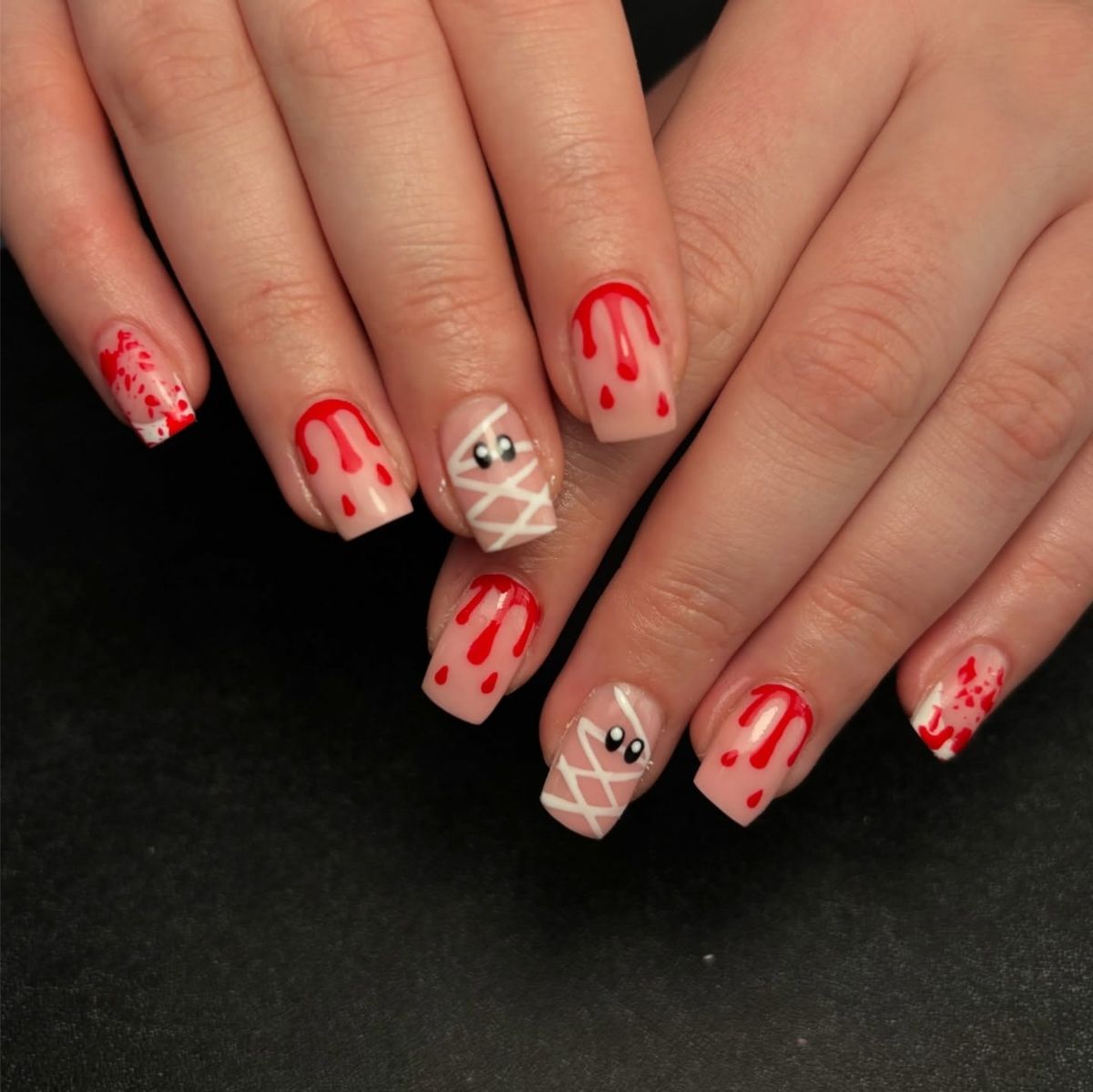
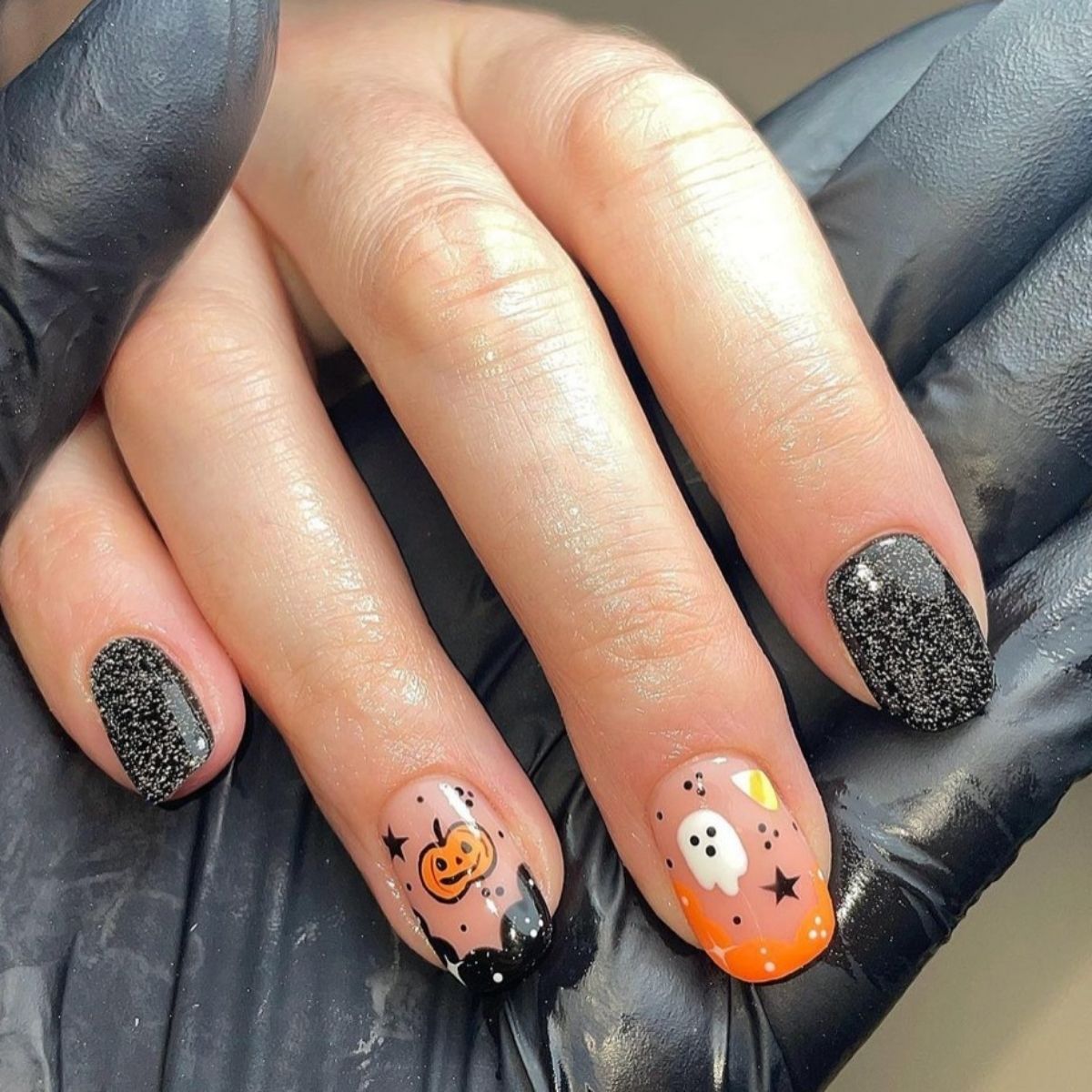
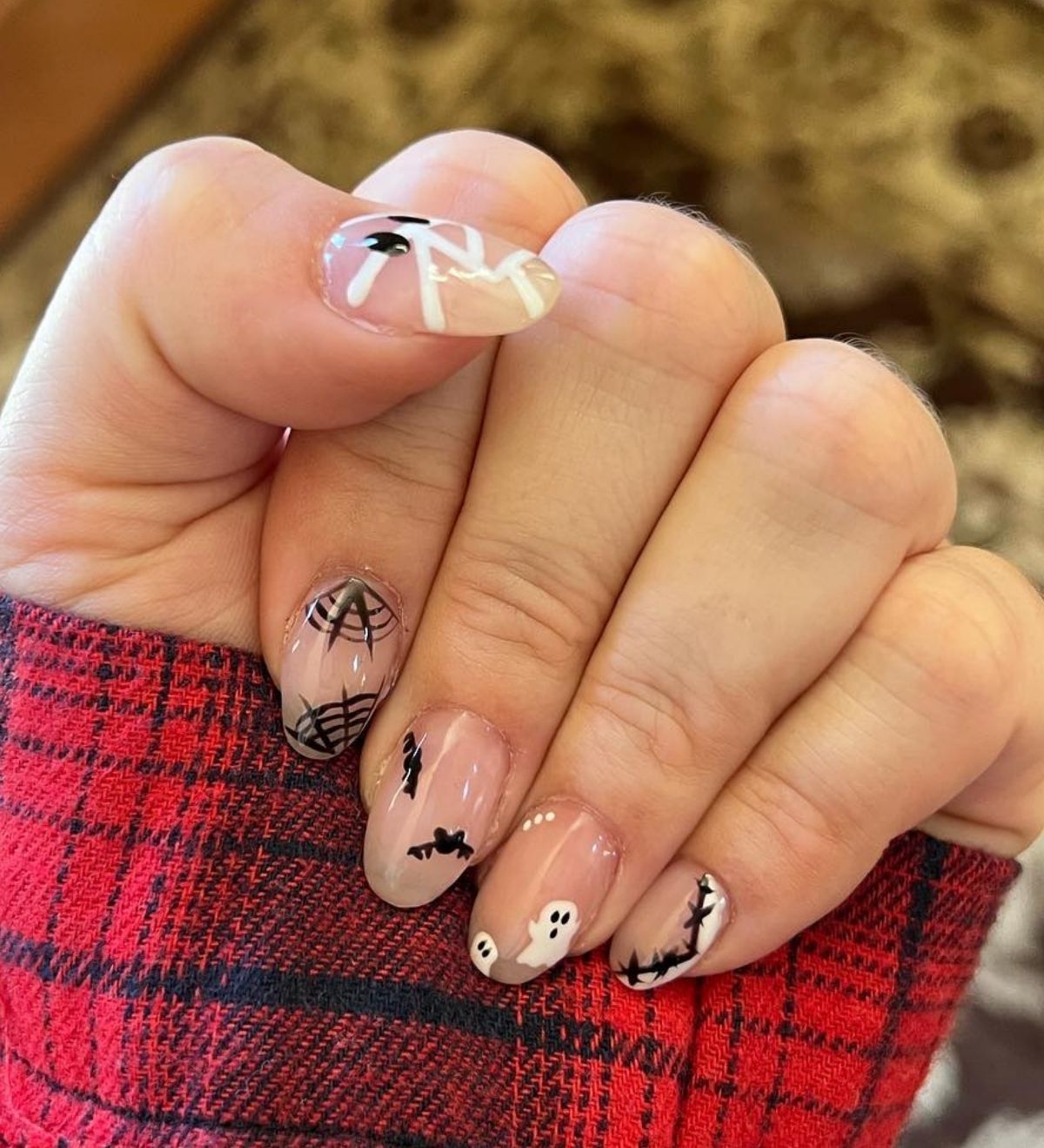
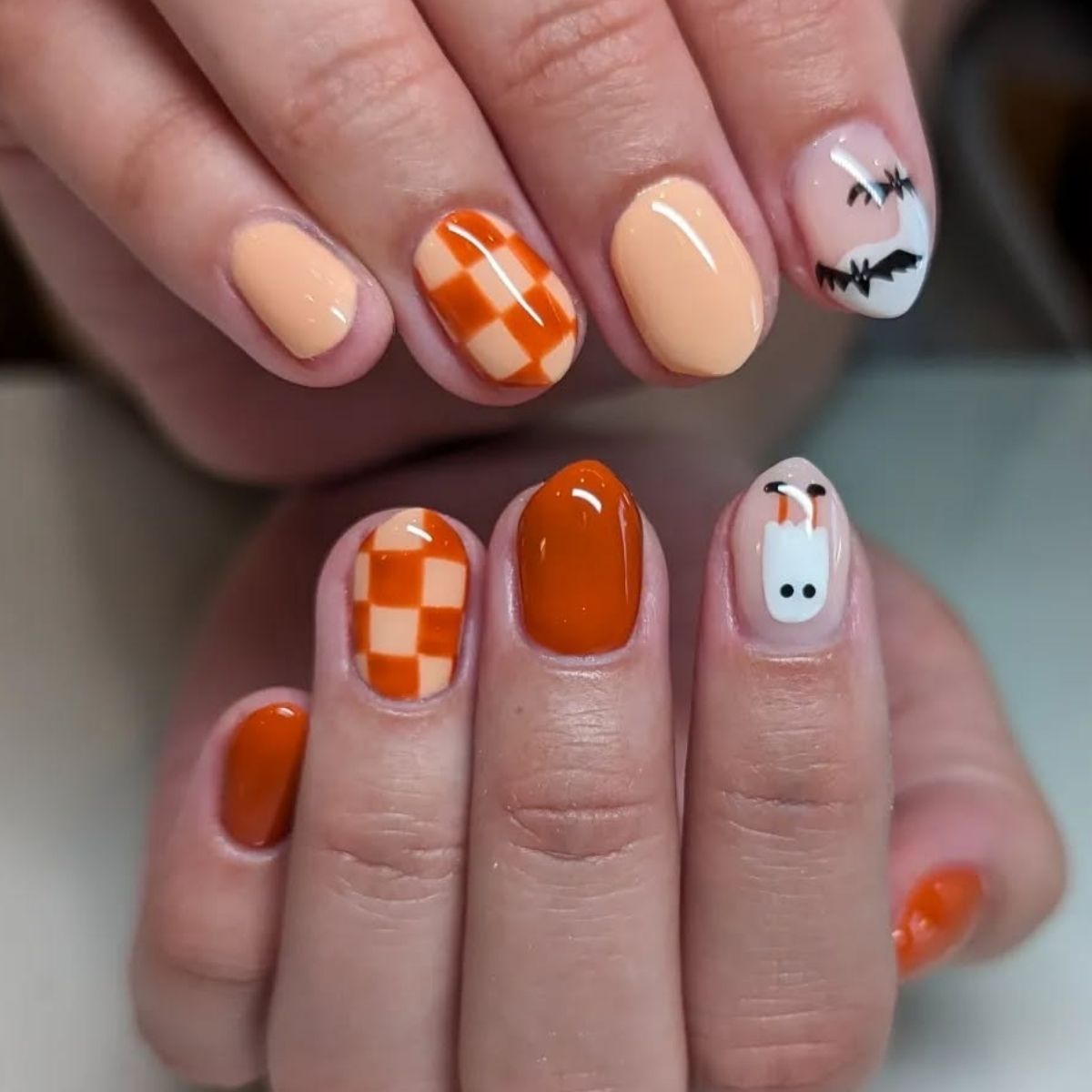
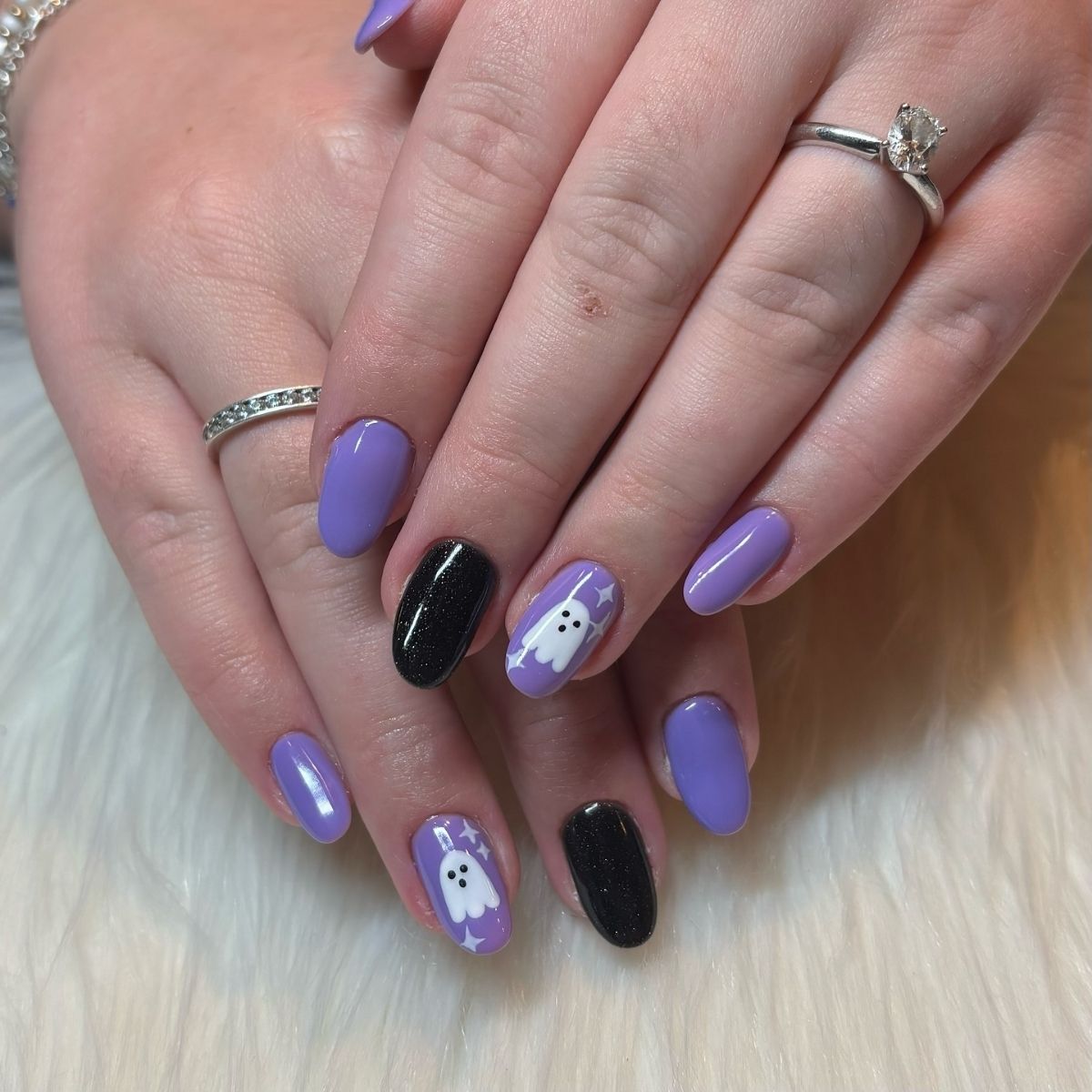
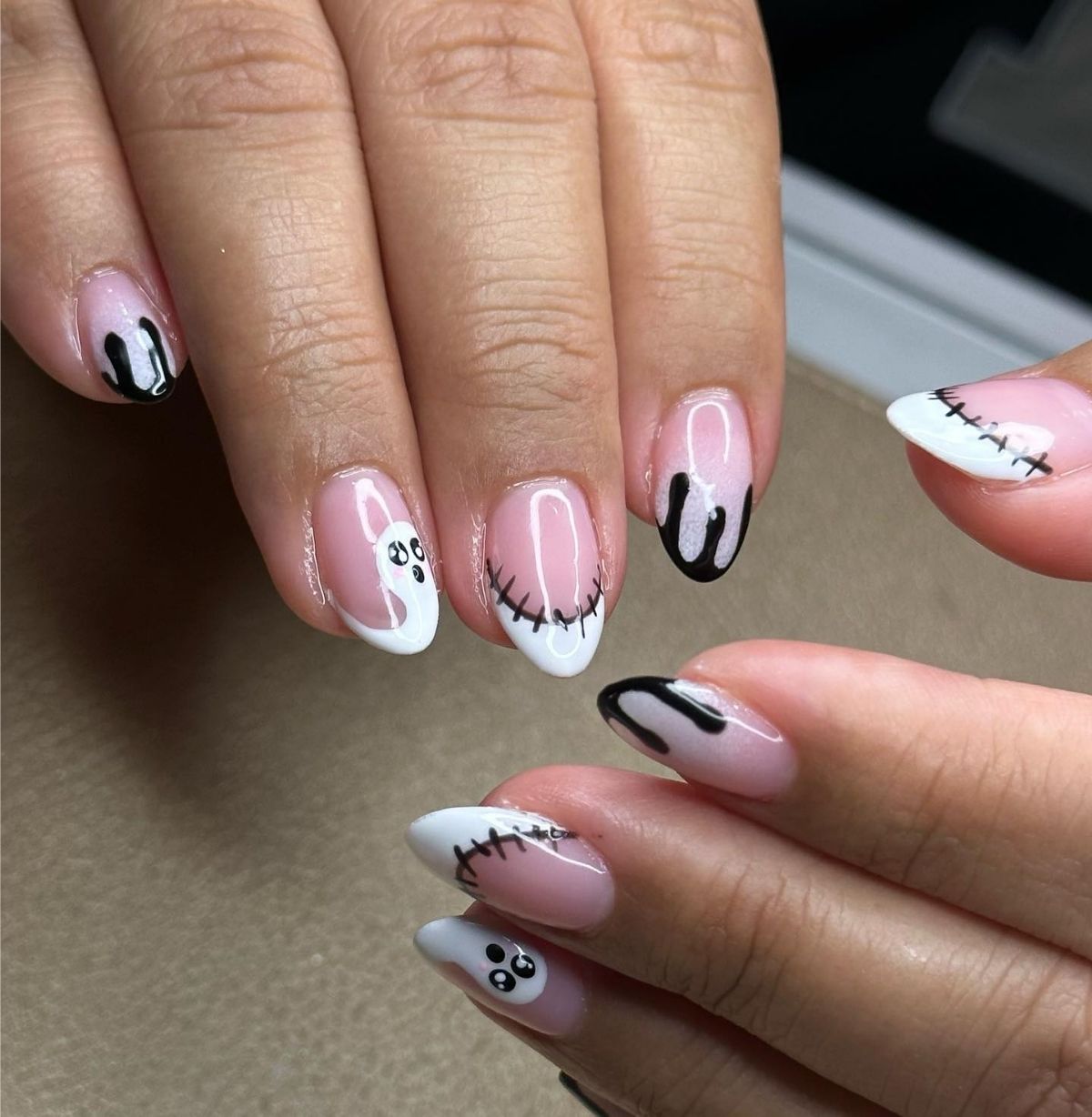
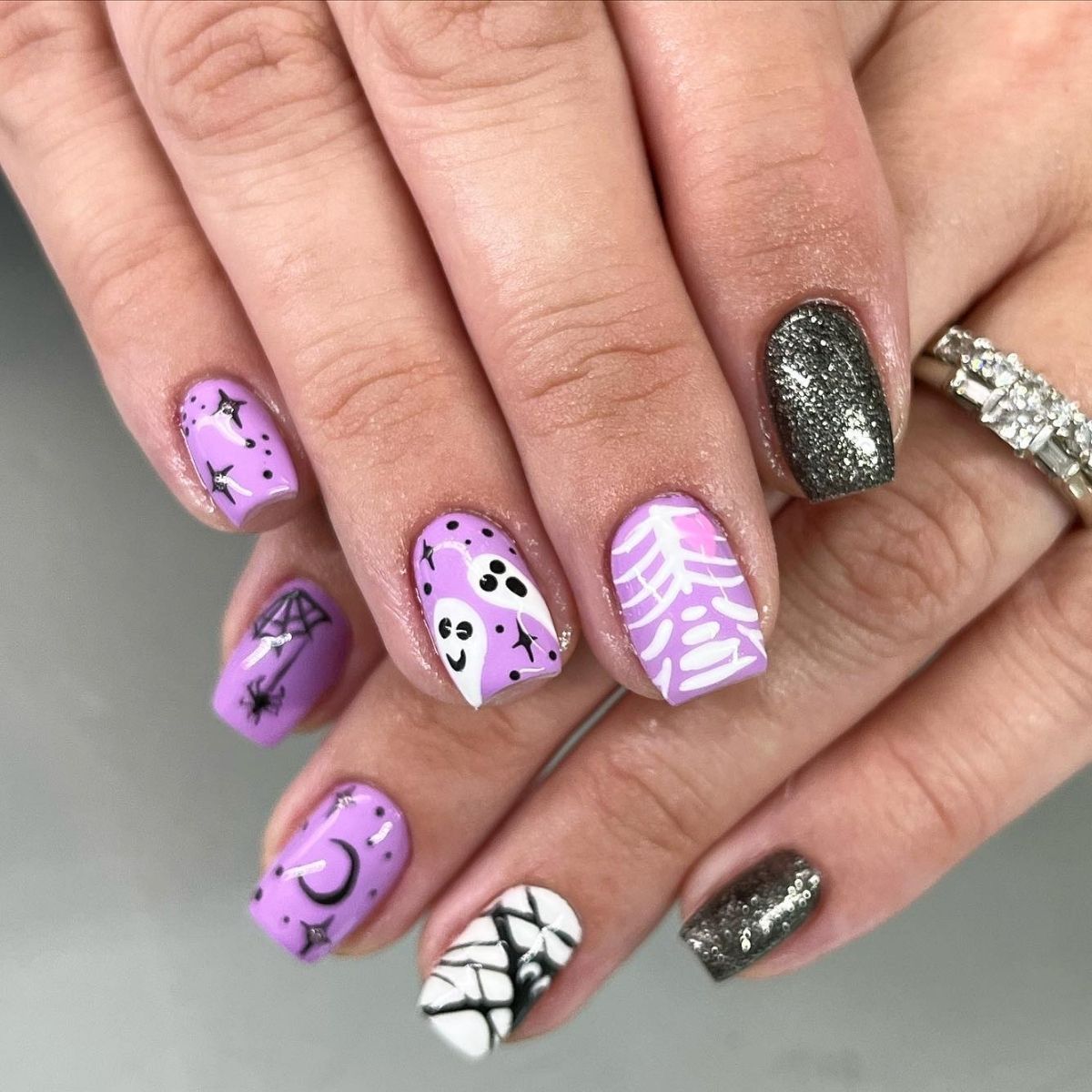
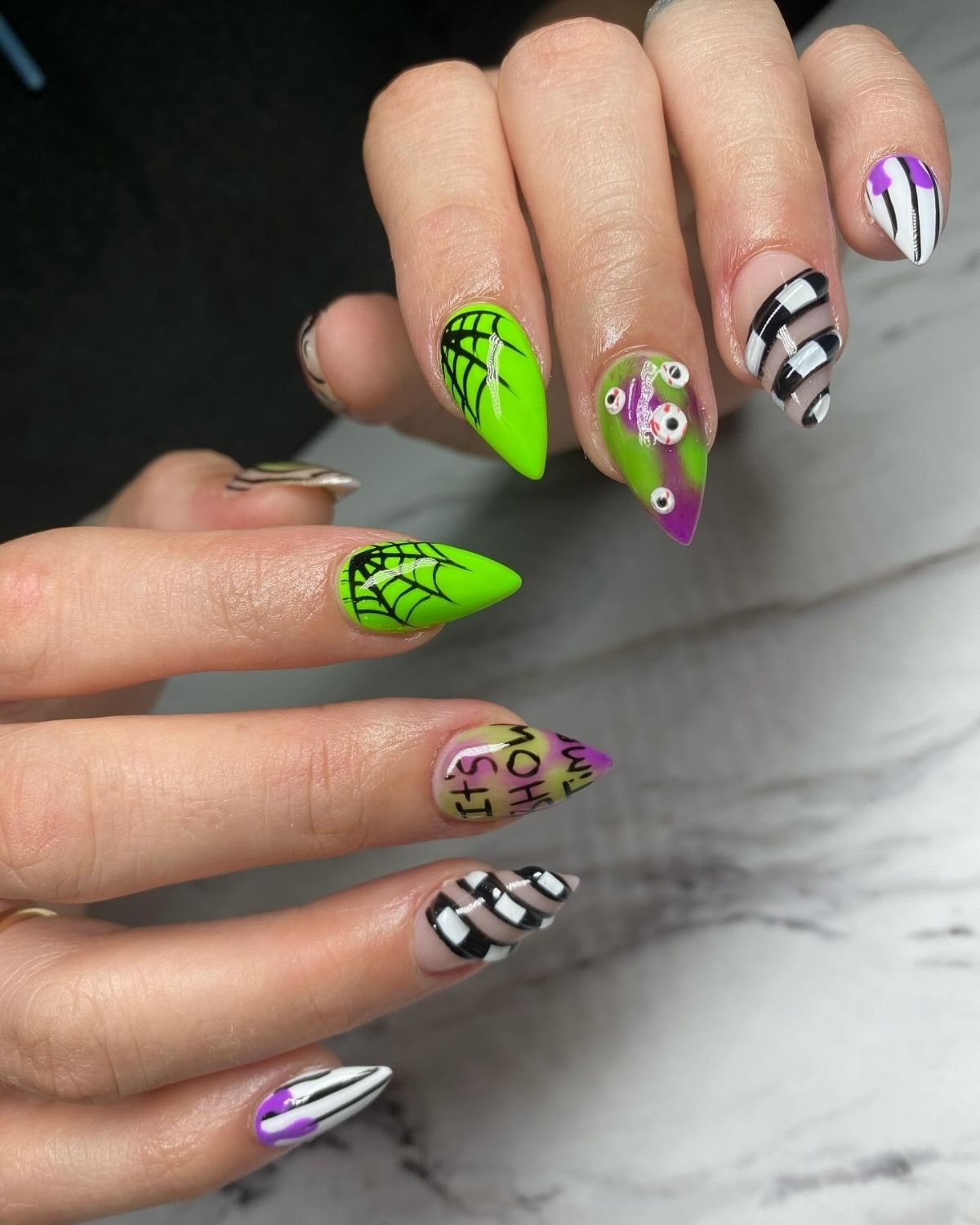
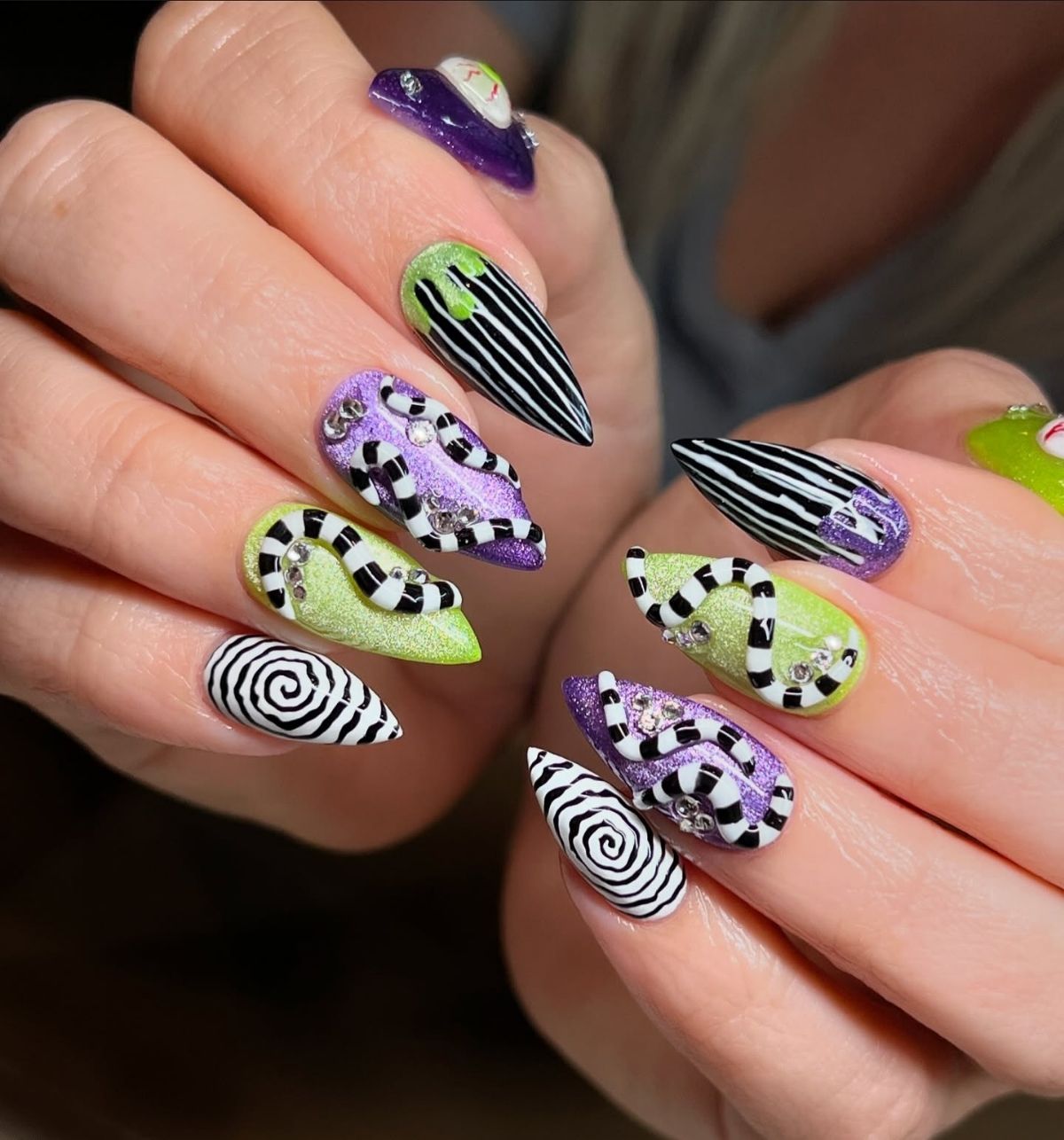
Halloween is a fun time of year to get your nails done and show what you love about Halloween. This post has all the inspiration you need for Halloween nail ideas. You’re sure to find a few you love and want on your own nails.
There has been a lot of talk about water flossers in the dental world in recent times, but what are they, and how can they be incorporated into your dental routine?
This post will tell you all you need to know so that you can improve your dental health.
What is a Water Flosser & How Does it Work?
A water flosser is a device that uses a stream of pressurized water to clean between the teeth and along the gumline.
While water flossers help remove food particles and plaque, ProvaDent takes oral health further by balancing good bacteria, protecting against plaque buildup, strengthening gums, and promoting fresher breath naturally.
This safe supplement works from within, ensuring long-term dental wellness. Read ProvaDent reviews to see how it can transform your oral care routine!
High-pressure and pulsating water streams can be highly effective at dislodging food particles, plaque, and bacteria from hard-to-reach areas, allowing for a more complete clean.
Advantages of Using a Water Flosser Over Traditional Flossing
A water flosser can be more effective than using floss as it is much easier to clean areas that are hard to reach with floss.
Water flossers can also be easy to use and suitable for those with braces, implants, or limited manual dexterity.
Studies also suggest that water flossers are superior when it comes to plaque removal and gum health improvement, so you can improve your dental health by making the switch to a water flosser.
Incorporating a Water Flosser Into Your Daily Oral Hygiene Routine
Incorporating a water flosser into your daily oral hygiene routine can also be simple and straightforward.
You should always read the instructions as these can vary between different makes and models, but the main steps usually involve:
Filling the reservoir with lukewarm water
Attaching the chosen tip
Adjusting the settings (low-pressure is best for beginners)
Leaning over the sink and placing the tip inside the mouth
Aiming the stream at a 90% angle to the gum line and working from the back of the mouth
Turning off the flosser, removing from the mouth, and emptying the reservoir
It is generally recommended that you use the water flosser once a day. Before bed makes sense as you can remove any food particles that have become lodged during the day.
Recent Trends in Water Flosser Adoption in the UK
Water flossers have become a lot more popular in recent years, and a compound annual growth rate of 5.6% is expected between 2022 and 2027.
There are a number of reasons for this growth, including effective marketing campaigns, heightened awareness of oral health, and many dentists now recommending water flossing as a key part of oral health routines.
Water flossers have surged in popularity in recent times and can be an excellent addition to dental health routines.
The use of highly pressured and pulsating water streams allows for the easy cleaning of hard-to reach areas and can improve overall oral health.
Done correctly, this powerful ingredient can transform your skin, leaving it healthier and more radiant.
Start Slow
Take things step by step when starting with retinol. Begin by applying it one or two nights a week, allowing your skin to adjust gradually.
Use a pea-sized amount and spread it evenly over clean, dry skin, avoiding delicate areas such as around the eyes and lips.
This slow introduction helps you minimize the risk of irritation, such as dryness or redness, while allowing your skin to build tolerance.
To further support your skin’s adjustment, consider incorporating a supplement like Dermal Repair Complex, which contains Vitamin A (as retinyl palmitate).
This ingredient works from within to complement topical retinol, promoting skin renewal and resilience against environmental stressors.
Over time, as your skin adapts, you can increase application frequency. Remember, patience is key, and consistency will yield lasting, visible results.
Apply at Night
Retinol is most effective when applied at night. The absence of sunlight during your sleep allows this ingredient to work harmoniously with your skin’s natural repair cycle.
After cleansing, apply retinol to dry skin, and follow it with a moisturizer to lock in hydration and counteract potential dryness.
If you’re new to retinol or experience sensitivity, you can use a moisturizer both before and after to buffer its effects.
Nighttime application not only protects your skin but also optimizes the benefits of this transformative ingredient.
Don’t Skip Sunscreen
Using retinol increases your skin’s sensitivity to sunlight, making daily sunscreen non-negotiable. In the morning, apply a broad-spectrum sunscreen with SPF 30 or higher to shield your skin from harmful UV rays.
Even if you spend your day indoors, sunlight through windows can still affect your skin. Reapply sunscreen every two hours if you’re outdoors for extended periods.
Consistent sun protection ensures you maintain the progress retinol provides while preventing new damage.
Pair With Gentle Products
To support your skin’s health when using retinol, choose complementary products with soothing and hydrating properties.
Opt for a gentle cleanser that avoids harsh exfoliants or drying agents. Incorporate a moisturizer with hyaluronic acid or ceramides to maintain a strong, healthy skin barrier.
Avoid combining retinol with strong actives like acids or vitamin C on the same night, as this may overwhelm your skin.
A simplified, balanced selection of products fosters better tolerance and maximizes results.
By taking a measured, thoughtful approach, you can enjoy the powerful benefits of retinol while protecting and nurturing your skin.
The right steps ensure your skin feels cared for, supported, and ready to reveal its healthiest glow.