Blog

  • What You Should Know Before Replacing Your Roof

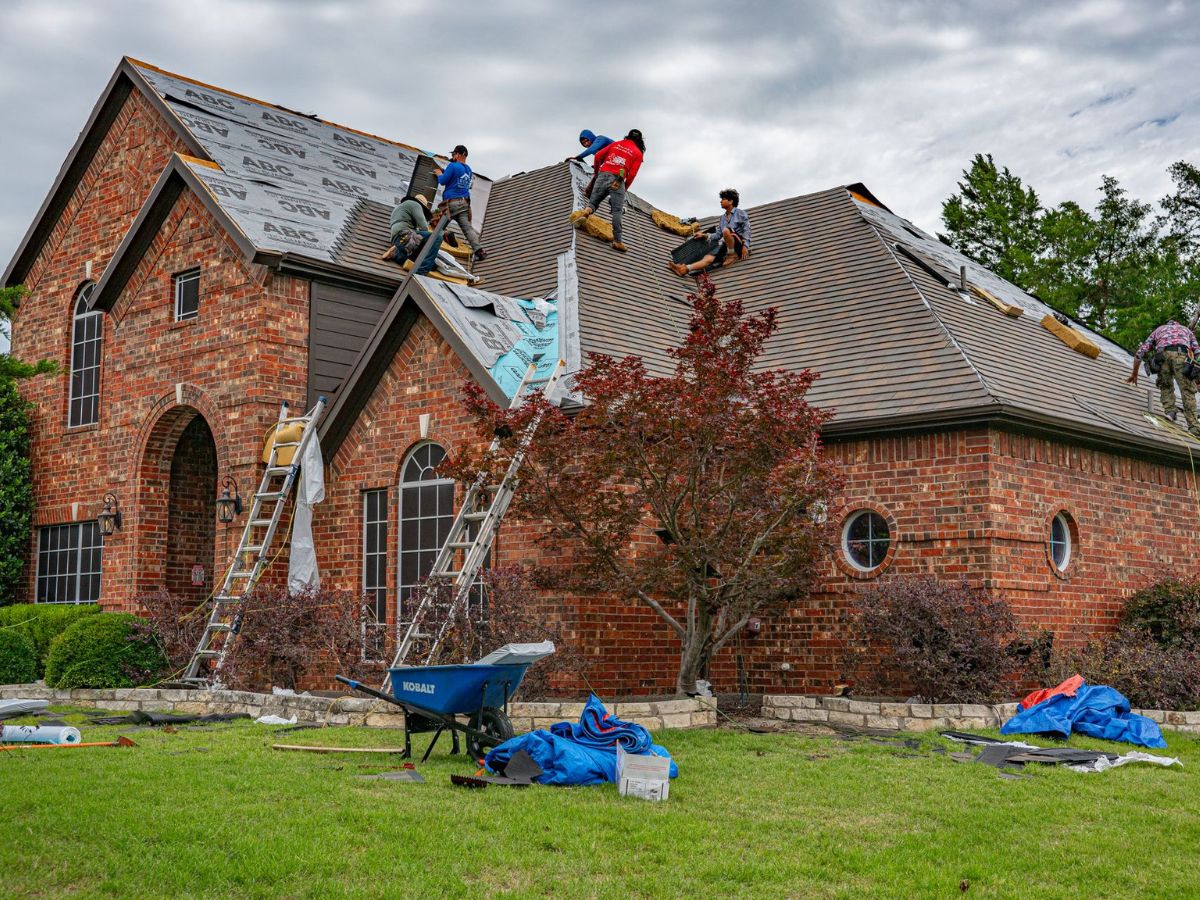
    workers renovating roof of brick house in texas

    image credit

    If you live in Colorado, roof problems don’t arrive quietly. Between Boulder’s intense sun, snow load, hailstorms, and fast temperature swings, your roof takes a beating year after year. A replacement isn’t just a cosmetic upgrade either. It affects energy use, resale value, insurance conversations, and how well your home handles the next round of rough weather. If you’re trying to make sense of the process, a clear plan helps more than guesswork.

    Know the difference between repair territory and replacement territory

    A lot of homeowners hope a leak means one missing shingle and a quick fix. Sometimes you get lucky. Often, the roof has been collecting damage for years before anything shows up on your ceiling.

    You’re usually looking at replacement territory when you notice multiple problem areas, repeated leaks, sagging spots, granule loss in gutters, or shingles that are curling, cracking, or simply giving up on life. Age matters too. Asphalt shingles often last around 20 to 30 years, though climate can cut that short.

    If your neighborhood has taken a recent hail hit, surface damage may be less obvious than you’d expect. A roof can look passable from the driveway and still have bruising that weakens it over time. A thorough inspection gives you a much better read than a pair of binoculars and optimism.

    Pay attention to local weather, codes, and material choices

    Roof replacement isn’t the same job in every city. Boulder homes deal with high UV exposure, snow accumulation, wind, and sudden weather changes that test materials hard. What works in a mild coastal climate may age badly here.

    When you compare options, think beyond color and price. Asphalt shingles remain common because they’re cost-effective and easier to install. Metal roofing can hold up well against snow and fire concerns, but upfront costs are higher. Impact-resistant shingles may help if hail is a regular guest in your zip code.

    You should also factor in local building codes, ventilation requirements, underlayment standards, and permit expectations. A roof system is more than the shingles you see from the street. Ice and water shield, flashing, ridge vents, and decking condition all shape performance. The flashy brochure matters less than the full assembly.

    Understand what a roof estimate should actually include

    A roof estimate should feel specific, not mysterious. If the quote looks like a single price dropped from the heavens, ask for detail. You need to know what you’re paying for and where surprises could appear.

    A solid estimate usually includes:

    – Tear-off and disposal of old materials

    – Decking inspection and possible replacement costs

    – Underlayment type and waterproofing layers

    – Flashing replacement around chimneys, skylights, and valleys

    – Ventilation updates

    – Shingle or roofing material brand and warranty details

    – Cleanup procedures and magnetic nail sweep

    – Permit handling and project timeline

    If you’re comparing contractors, make sure the estimates cover the same scope. One lower bid may skip components another company includes. That bargain can evaporate fast when change orders start rolling in. Roofing math has a way of becoming expensive algebra.

    Get familiar with insurance before the project starts

    Insurance can complicate roof replacement, especially after hail or wind damage. If you wait until the crew arrives to understand your policy, you’re already behind.

    Start with your deductible, coverage type, and claim deadlines. Some policies cover replacement cost value, while others use actual cash value, which takes depreciation into account. That difference can hit your budget harder than expected.

    Documentation matters. Photos, inspection notes, date of storm damage, and written estimates all help support a claim. If you’re evaluating contractors after severe weather, it helps to work with a Boulder roofing company that regularly handles full replacement projects in the area, such as a, because local storm patterns, code compliance, and insurance processes often shape the scope.

    You should still read the paperwork yourself. No contractor can replace your responsibility to understand what your insurer will or won’t approve.

    Prepare your home and schedule for the disruption

    Roof replacement is temporary, but it isn’t subtle. Expect noise, vibration, debris control activity, delivery trucks, and workers moving around your property throughout the day.

    Before the project starts, move vehicles out of the driveway and clear patio furniture, grills, potted plants, and anything fragile near the perimeter. Inside the house, remove delicate wall items or attic-stored valuables if vibration might shake them loose. If you work from home or have pets that hate chaos, make a backup plan.

    You should also ask about weather delays, daily start times, and how access to your yard or garage might change. Good crews clean up carefully, but roofing remains a construction job, not a library study session. A little preparation prevents a lot of frustration and lowers the chance of stepping on a rogue nail later.

    Look beyond the roof itself and think about long-term value

    A replacement roof affects more than leak prevention. It can improve ventilation, reduce moisture issues in the attic, support better insulation performance, and strengthen your home’s resale appeal. Buyers tend to notice major systems first, and an aging roof can make even a nice home feel like a pending expense.

    Long-term value also depends on workmanship. The best material on the market won’t save a sloppy install. Poor flashing details, weak ventilation, and shortcut underlayment decisions can undo the benefits of premium products.

    Ask practical questions about labor warranties, crew supervision, cleanup standards, and post-install inspections. Keep your final paperwork too, including warranty information, product specs, and permit records. Years from now, those documents can help with resale, insurance, and future maintenance decisions.

    A new roof isn’t glamorous in the way a kitchen remodel is. Still, when the next storm rolls in, it tends to earn your respect very quickly.

    Final thoughts before you sign anything

    Replacing your roof can feel like one of those homeowner milestones nobody celebrates until they have to. Even so, the process gets much easier when you understand the signals, compare estimates carefully, and choose materials based on local conditions rather than sales pressure.

    Take your time with inspections, ask direct questions, and don’t treat the cheapest bid like an automatic win. A roof is a system, not a stack of shingles. When each layer is handled correctly, you get stronger weather protection, fewer surprise repairs, and better peace of mind.

    That’s a pretty good trade for something sitting over your head every single day.

  • Top Maui Activities Every First-Time Visitor Should Try

    body of water under white cloudy sky during daytime photo

    image credit

    Maui is one of Hawaii’s most popular islands, known for its beaches, scenic roads, lush valleys, and beautiful ocean views. From the sunny shores of West Maui to the quiet landscapes around Upcountry Maui, the island offers plenty of ways to spend a vacation.

    For first-time visitors, the best Maui activities and adventures are those that let you enjoy the island’s natural beauty while also leaving enough time to slow down and take it all in.

    Maui is not a place you need to rush through. You can spend a morning on the beach, explore a historic town in the afternoon, and finish the day watching the sunset. A good mix of outdoor activities, sightseeing, and local experiences can make your first trip much more memorable.

    Relax on Maui’s Beaches

    A visit to Maui would not be complete without spending time at the beach. The island has beaches ranging from wide stretches of golden sand to smaller coves surrounded by dramatic scenery.

    Visitors can swim, relax, take photographs, or simply enjoy the sound of the waves. Some beaches are better suited for swimming and snorkeling, while others are more popular for sunsets and quiet walks.

    Always check local conditions before entering the water, especially when surf or currents are strong.

    Go Snorkeling

    Maui’s clear waters make snorkeling a popular choice for first-time visitors. You may see colorful fish, sea turtles, coral, and other marine life close to shore or during a guided boat trip. Honolua Bay and other protected areas are well-known spots, although conditions can change depending on the season and weather. If you are new to snorkeling, a guided excursion can be helpful. Guides can explain where to enter the water safely and how to avoid damaging coral or disturbing marine life.

    Drive the Road to Hana

    The Road to Hana is one of Maui’s best-known scenic experiences. The route takes you through tropical forests, along the coastline, and past waterfalls and viewpoints. The journey is about more than reaching Hana. The drive itself is the experience. Plan ahead because the road includes many curves and narrow sections. Give yourself plenty of time rather than trying to squeeze the trip into a few hours.

    Stopping at selected viewpoints and attractions can make the day more enjoyable.

    Watch the Sunrise at Haleakalā

    Haleakalā National Park offers a very different view of Maui. The summit sits high above the island and provides sweeping views of the volcanic landscape. Watching the sunrise from the summit is a memorable experience, but it requires an early start and advance planning.

    Temperatures at the summit can also be much colder than they are at the beach, so bring warm layers.

    Explore Lahaina and West Maui

    West Maui offers a mix of beaches, ocean views, restaurants, shops, and local history. Lahaina has long been an important part of Maui’s history and culture.

    Visitors should check current access information and local guidance before planning a visit to areas affected by the 2023 wildfires. Respecting restricted areas and supporting local businesses can help make your trip more responsible.

    Take a Whale-Watching Trip

    If you visit during whale season, a whale-watching excursion can be an unforgettable addition to your itinerary. Humpback whales migrate through Hawaiian waters during the winter months. Boat tours provide opportunities to see them from a safe distance while learning about their behavior from knowledgeable guides. Sightings are never guaranteed, but the possibility of seeing a whale breach or surface nearby makes the experience exciting.

    Try a Hawaiian luau

    A luau can give first-time visitors an introduction to Hawaiian and Polynesian food, music, dance, and storytelling. While each event is different, many include traditional dishes and live performances. Look for experiences that focus on cultural presentation rather than treating the event as simply a dinner show.

    Spend Time in Upcountry Maui

    Upcountry Maui offers a slower pace compared with the busy beach areas. You can visit farms, scenic overlooks, local food spots, and small communities while enjoying views across the island. It is a good choice for travelers who want to experience a different side of Maui.

    Key Takeaways

    • Maui offers activities for beach lovers, hikers, families, and adventure seekers.
    • Snorkeling is a great way to experience the island’s marine life.
    • The Road to Hana is best enjoyed at a relaxed pace with careful planning.
    • Haleakalā provides a dramatic change of scenery and memorable sunrise views.
    • Whale watching is especially popular during the winter migration season.
    • Lahaina and West Maui offer opportunities to experience local history, food, and scenery, subject to current access guidance.
    • A flexible itinerary allows you to enjoy both planned excursions and simple island experiences.
  • How Surfing Helps Kids Grow, Learn, and Have Fun

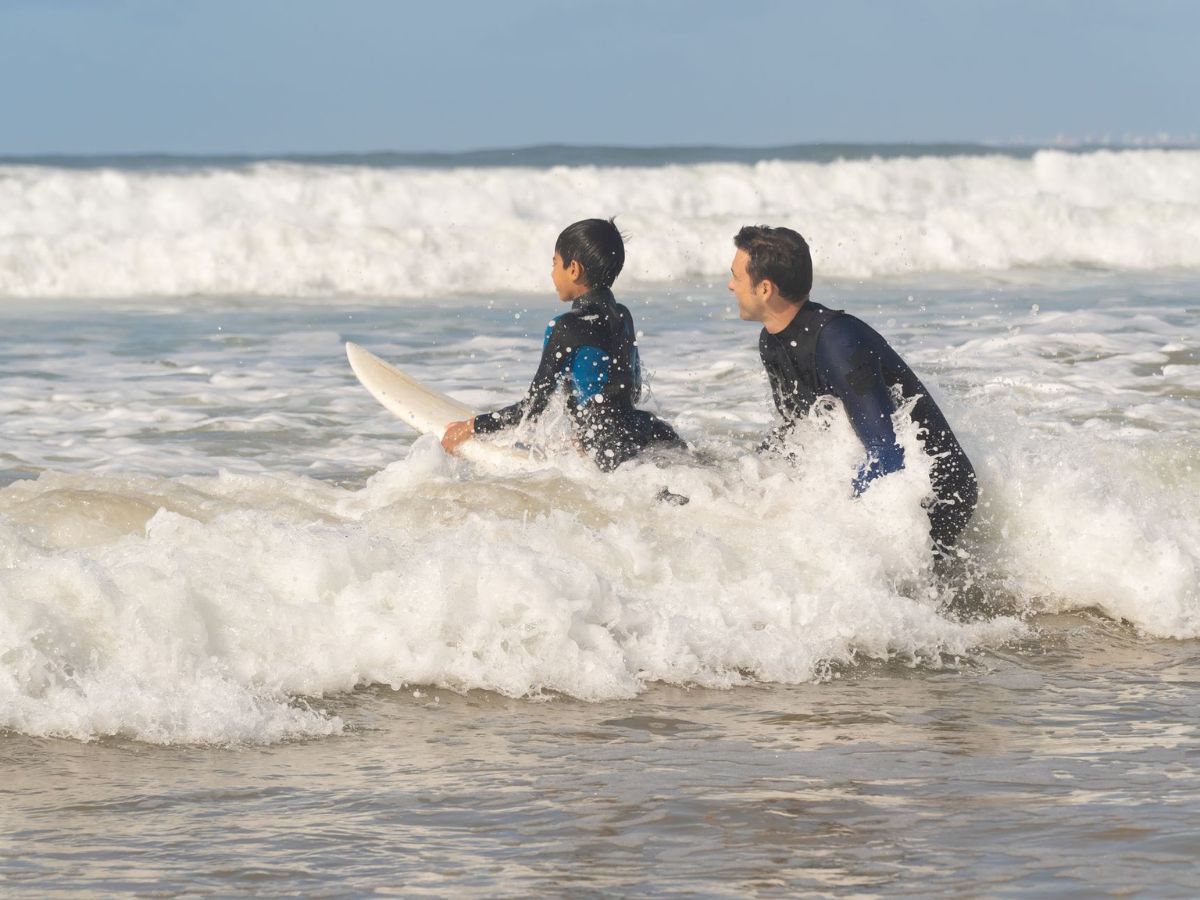
    man guiding a boy in surfing

    image source

    Surfing helps kids grow by building confidence, improving physical fitness, teaching patience, and giving them a fun way to spend time outdoors. It also teaches children how to handle mistakes, follow instructions, and keep trying when something feels difficult at first. These lessons can stay with them long after they leave the beach.

    Long Beach Island, often called LBI, is a barrier island along the New Jersey coast known for its sandy beaches, ocean views, and welcoming beach communities. Its coastline gives families plenty of opportunities to enjoy outdoor activities and introduce children to the ocean in a supervised setting.

    For parents looking for a structured way to introduce their children to surfing, a Long Beach Island kids surf camp can provide professional instruction while keeping the experience enjoyable.

    Builds Confidence Through Practice

    Surfing does not usually come naturally to a child on the first attempt. Balancing on a board, paddling toward a wave, and standing at the right moment all require practice.

    Kids will probably fall several times while learning. Instead of seeing those falls as failures, they gradually learn that falling is simply part of improving. When they finally stand up and ride a wave, the sense of accomplishment can be huge.

    That small success can give children more confidence in their ability to learn other difficult things.

    Improves Physical Fitness

    Surfing is a full-body activity. Paddling works the arms and shoulders, while standing and balancing on a moving board engages the legs and core.

    Children also swim, walk along the beach, carry boards, and move through the water during lessons. These activities can improve coordination, balance, strength, and general fitness.

    The best part is that many kids do not think about surfing as exercise. They are focused on catching waves and having fun while naturally staying active.

    Teaches Patience

    The ocean does not always cooperate with a beginner’s plans. A child may wait for the right wave, miss it, or discover that the timing was slightly off.

    Surfing teaches children to slow down and pay attention. They learn that rushing does not necessarily produce better results. With practice, they begin to understand when to wait, when to paddle, and when to try again. That patience can be useful in school, sports, hobbies, and everyday situations.

    Encourages Problem-Solving

    Every wave presents a slightly different challenge. Kids have to learn how their position on the board affects their balance and how timing affects their ride. Instructors can guide them through these challenges, but children also get opportunities to figure things out through practice.

    They may adjust how they stand, change their paddling technique, or learn to recognize a better wave. These small decisions encourage independent thinking and problem-solving.

    Helps Kids Make Friends

    Learning to surf in a group can be a social experience. Children practice alongside others who are learning the same skills and facing many of the same challenges.

    They can encourage one another, celebrate successful rides, and laugh about the inevitable falls. For some kids, those shared experiences can make it easier to form friendships.

    A supportive group can also make a child feel more comfortable when trying something unfamiliar.

    Builds Water Awareness

    Surfing lessons can teach children more than how to stand on a board. They can also learn basic ocean awareness and safety habits.

    With appropriate supervision, children can become familiar with concepts such as staying within designated areas, listening to instructors, understanding conditions, and knowing when they should return to shore.

    These lessons can help children become more comfortable around the water while reinforcing the importance of respecting the ocean.

    Offers a Break From Screens

    Kids today have plenty of opportunities to spend their free time looking at screens.

    Surfing gives them a reason to step outside and focus on something completely different. Instead of sitting indoors, they are moving, listening to the sound of the water, watching the waves, and interacting with other children.

    That change of environment can make a beach day feel refreshing while giving children a chance to be physically active.

    Key Takeaways

    • Surfing can build confidence by showing children that practice leads to improvement.
    • It provides an enjoyable way for kids to stay physically active.
    • Waiting for waves teaches patience and timing.
    • Surfing encourages problem-solving and independent thinking.
    • Group lessons can help children make friends and support one another.
    • Proper instruction can improve water awareness and safety habits.
    • Spending time surfing gives children an active break from screens.
    • A child-friendly program should combine qualified instruction, appropriate supervision, safety, and fun.
  • How to Prepare Before Heading to Your Kona Boat Tour

    aerial photography of a seacoast

    image credit

    Kona is located along the sunny western coast of Hawaii’s Big Island and is known for its beautiful Pacific waters, volcanic landscapes, and rich marine life. The area gives visitors many opportunities to get out on the water and experience the island from a different perspective. Before heading out, knowing the Kona Ocean Adventures’ marina location can help you arrive on time and start your boat tour without unnecessary stress.

    A boat tour is an exciting way to experience Kona, but some preparation can make the day much more comfortable. Checking your meeting details, packing the right items, and understanding what to expect can help you enjoy your time on the water.

    Check the Departure Details

    Start by reviewing all the information provided when you make your reservation. Confirm the departure time, meeting location, check-in requirements, and expected duration of the trip. Give yourself enough time to reach the marina without rushing.

    If you are unfamiliar with Kona, allow extra time for traffic, parking, and finding the correct entrance. Arriving early gives you time to get organized and ask any last-minute questions before boarding.

    Know the Marina Location

    Knowing exactly where you need to go is one of the simplest ways to make your morning easier. The Kona Ocean Adventures location should be checked before the day of your tour so you know where to park and where to meet the crew. Do not wait until the last minute to figure out the directions.

    If you are staying at a hotel or vacation rental, check how long it will take to reach the marina. Early morning traffic, unfamiliar roads, or parking delays can add extra time to your journey.

    Check What the Tour Includes

    Not every boat excursion provides the same equipment or amenities. Before heading out, find out whether snorkeling equipment, flotation devices, food, drinks, or other supplies are included.

    This helps you avoid bringing unnecessary items while making sure you have everything you need. If something is unclear, ask the tour company before the day of your excursion.

    Dress for the Ocean

    Comfortable clothing is important when spending time on a boat. A swimsuit or quick-drying clothing is useful if your tour includes swimming or snorkeling. Bring a light cover-up or extra layer because conditions can feel different once the boat is moving.

    A towel and change of clothes can also be helpful after spending time in the water. Wear comfortable footwear that works well for a boat environment and follow any footwear instructions provided by the crew.

    Protect Yourself From the Sun

    The Hawaiian sun can be strong, especially when you are surrounded by water. Apply sunscreen before leaving and bring enough to reapply during the day. Reef-conscious sunscreen is a good choice when entering the ocean.

    A hat and sunglasses can also provide additional protection. Keep in mind that sunlight reflects off the water, so you can get significant sun exposure even when you are not directly facing the sun.

    Bring Drinking Water

    Staying hydrated is important during an ocean excursion. If drinking water is not provided, bring enough for your needs. A reusable bottle can be convenient if the tour operator allows it.

    You may not realize how much time you are spending in the sun until you begin feeling tired or thirsty.

    Check ahead of time to see whether drinks are provided as part of the tour.

    Prepare for Motion Sickness

    If you are prone to motion sickness, it is worth preparing before boarding. Some people feel better after eating a light meal rather than a heavy one before a boat trip. If you regularly experience motion sickness, talk with a doctor or pharmacist about appropriate options before your trip.

    You can also let the crew know when you arrive. They may be able to recommend a more comfortable place to sit.

    Listen to the Crew

    Pay close attention during the safety briefing. The crew will explain important information about moving around the boat, using equipment, and entering or leaving the water.

    If you do not understand an instruction, ask for clarification. Knowing what to do before the boat leaves can help you feel more relaxed once you are offshore.

    Be Honest About Your Experience

    You do not need to be an experienced swimmer to enjoy every Kona boat excursion. However, you should be honest about your comfort level. If you are nervous about swimming, snorkeling, or being on open water, tell the crew.

    This is especially important when traveling with children or people who are less confident in the water.

    Key Takeaways

    • Confirm the exact departure time and meeting location.
    • Check the Kona Ocean Adventures marina location before your tour.
    • Find out what equipment and refreshments are included.
    • Wear comfortable, quick-drying clothing.
    • Bring sun protection and enough drinking water.
    • Prepare ahead if you are prone to motion sickness.
    • Tell the crew about your swimming ability or concerns.
    • Follow all safety instructions during the excursion.
    • Keep a respectful distance from marine animals.
    • Avoid bringing unnecessary valuables.
    • Check weather and ocean conditions before heading out.