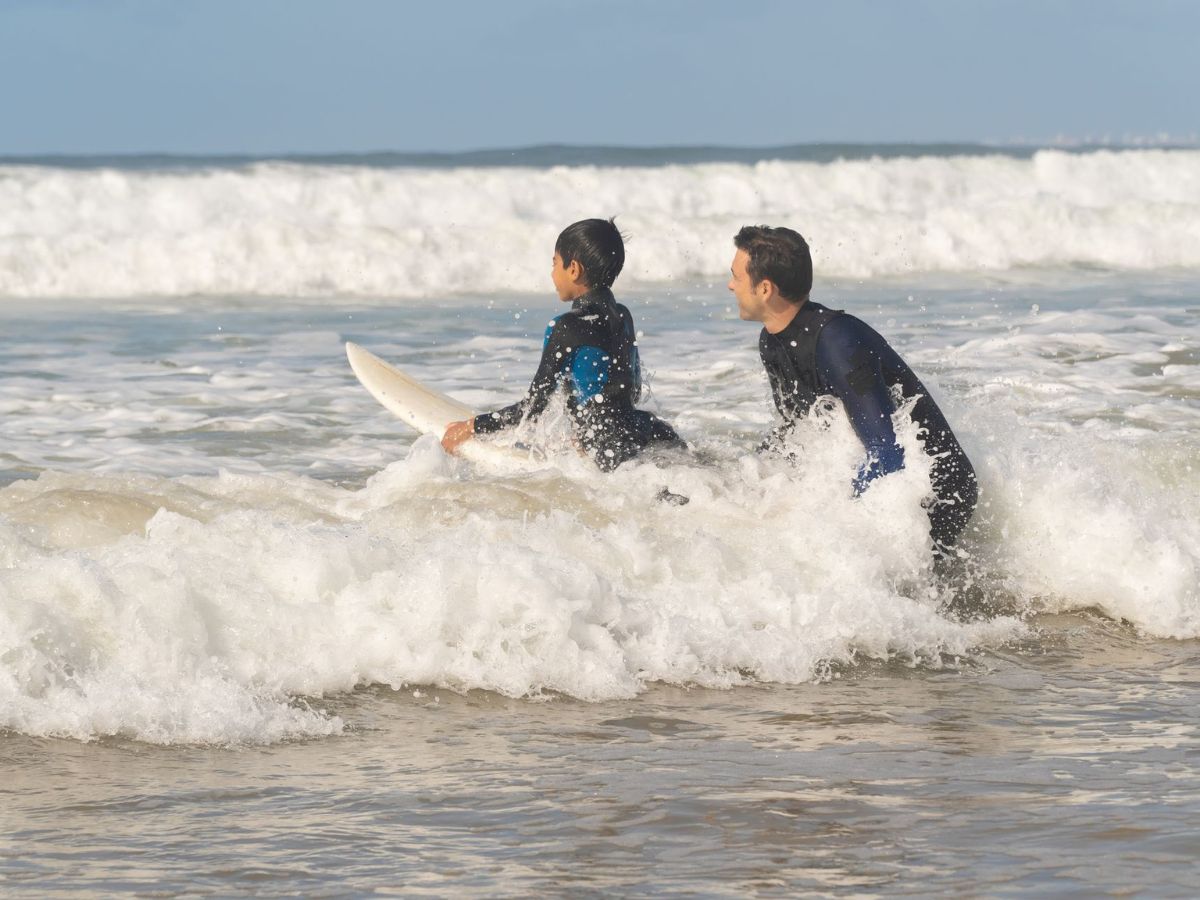
Surfing helps kids grow by building confidence, improving physical fitness, teaching patience, and giving them a fun way to spend time outdoors. It also teaches children how to handle mistakes, follow instructions, and keep trying when something feels difficult at first. These lessons can stay with them long after they leave the beach.
Long Beach Island, often called LBI, is a barrier island along the New Jersey coast known for its sandy beaches, ocean views, and welcoming beach communities. Its coastline gives families plenty of opportunities to enjoy outdoor activities and introduce children to the ocean in a supervised setting.
For parents looking for a structured way to introduce their children to surfing, a Long Beach Island kids surf camp can provide professional instruction while keeping the experience enjoyable.
Builds Confidence Through Practice
Surfing does not usually come naturally to a child on the first attempt. Balancing on a board, paddling toward a wave, and standing at the right moment all require practice.
Kids will probably fall several times while learning. Instead of seeing those falls as failures, they gradually learn that falling is simply part of improving. When they finally stand up and ride a wave, the sense of accomplishment can be huge.
That small success can give children more confidence in their ability to learn other difficult things.
Improves Physical Fitness
Surfing is a full-body activity. Paddling works the arms and shoulders, while standing and balancing on a moving board engages the legs and core.
Children also swim, walk along the beach, carry boards, and move through the water during lessons. These activities can improve coordination, balance, strength, and general fitness.
The best part is that many kids do not think about surfing as exercise. They are focused on catching waves and having fun while naturally staying active.
Teaches Patience
The ocean does not always cooperate with a beginner’s plans. A child may wait for the right wave, miss it, or discover that the timing was slightly off.
Surfing teaches children to slow down and pay attention. They learn that rushing does not necessarily produce better results. With practice, they begin to understand when to wait, when to paddle, and when to try again. That patience can be useful in school, sports, hobbies, and everyday situations.
Encourages Problem-Solving
Every wave presents a slightly different challenge. Kids have to learn how their position on the board affects their balance and how timing affects their ride. Instructors can guide them through these challenges, but children also get opportunities to figure things out through practice.
They may adjust how they stand, change their paddling technique, or learn to recognize a better wave. These small decisions encourage independent thinking and problem-solving.
Helps Kids Make Friends
Learning to surf in a group can be a social experience. Children practice alongside others who are learning the same skills and facing many of the same challenges.
They can encourage one another, celebrate successful rides, and laugh about the inevitable falls. For some kids, those shared experiences can make it easier to form friendships.
A supportive group can also make a child feel more comfortable when trying something unfamiliar.
Builds Water Awareness
Surfing lessons can teach children more than how to stand on a board. They can also learn basic ocean awareness and safety habits.
With appropriate supervision, children can become familiar with concepts such as staying within designated areas, listening to instructors, understanding conditions, and knowing when they should return to shore.
These lessons can help children become more comfortable around the water while reinforcing the importance of respecting the ocean.
Offers a Break From Screens
Kids today have plenty of opportunities to spend their free time looking at screens.
Surfing gives them a reason to step outside and focus on something completely different. Instead of sitting indoors, they are moving, listening to the sound of the water, watching the waves, and interacting with other children.
That change of environment can make a beach day feel refreshing while giving children a chance to be physically active.
Key Takeaways
- Surfing can build confidence by showing children that practice leads to improvement.
- It provides an enjoyable way for kids to stay physically active.
- Waiting for waves teaches patience and timing.
- Surfing encourages problem-solving and independent thinking.
- Group lessons can help children make friends and support one another.
- Proper instruction can improve water awareness and safety habits.
- Spending time surfing gives children an active break from screens.
- A child-friendly program should combine qualified instruction, appropriate supervision, safety, and fun.