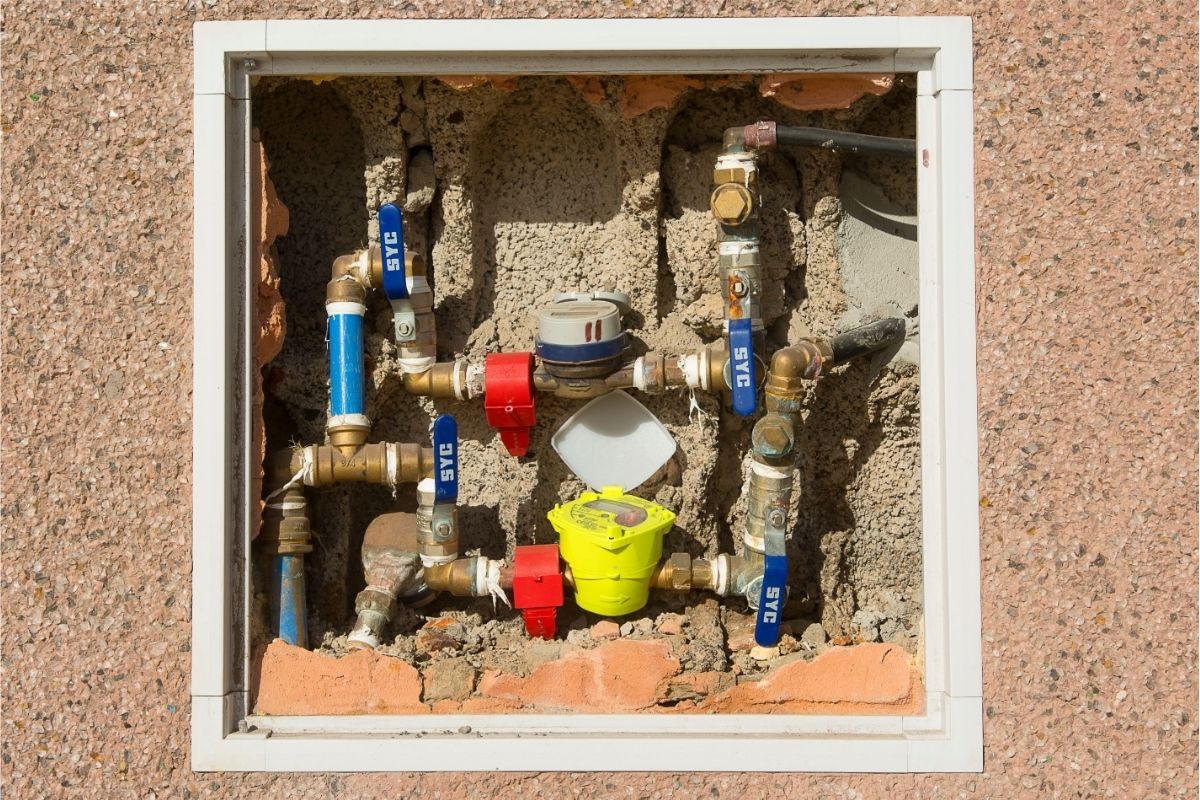
Freezing weather can turn a plumbing problem into a costly household emergency. Exposed supply lines and pipes inside poorly insulated spaces are vulnerable when temperatures drop. A frozen pipe may hide damage until the ice melts, allowing water to escape into walls, floors, and belongings. Knowing where your main shutoff valve is, recognizing warning signs, and responding safely can limit the damage. Preparation matters too. Label the shutoff valve and keep a flashlight nearby so nobody wastes minutes searching during an emergency.
Understand Why Pipes Crack in the Cold
Water expands when it freezes inside a confined space. An ice blockage can trap water in a section of pipe, increasing pressure until a weak point fails. The break may occur away from the frozen section, making its location difficult to identify.
Pipes running through unheated garages, crawl spaces, attics, and exterior walls face greater exposure. Even a line supplying a sink inside a warm room can freeze if it passes through an uninsulated cavity. No common pipe material is completely immune.
A burst pipe does not always spray immediately. Ice can temporarily block escaping water, allowing a serious leak to become visible only during thawing. That makes early warning signs worth watching.
Stop the Flow and Arrange Safe Repairs
When water escapes from a broken supply pipe, turn off the main water valve as quickly as you can do so safely. Stay away from wet outlets, appliances, and exposed wiring. If water is near the electrical panel or you would need to stand in water to reach it, leave the area and seek emergency assistance.
Homeowners needing frozen and burst pipe repair can contact a qualified plumbing professional to locate damaged sections, stop leaks, and assess whether nearby lines have also been affected. Ask what immediate precautions are necessary and when the system can safely be returned to service.
Once the supply is secured, document visible damage and keep people away from unsafe areas. Avoid switching the water back on just to test a suspected break.
Recognize Trouble Before Water Spreads
A faucet producing only a trickle when other fixtures work normally may indicate frozen plumbing. Frost on accessible pipes and a sudden loss of pressure can also signal trouble. Damp walls, ceiling stains, or dripping sounds suggest that a line may already be damaged.
Do not assume every pressure problem is caused by ice. Closed valves and unrelated plumbing faults can produce similar symptoms. Notice which fixtures are affected, and avoid forcing handles or turning up the heat aggressively.
If you suspect a rupture, locate the main shutoff immediately. Water may spread behind finished surfaces before any obvious puddle appears.
Thaw Carefully if the Pipe Has Not Burst
If water flow slows but no leak is visible, proceed cautiously. Identify the affected section only if it is readily accessible. Never use an open flame, blowtorch, or unattended heater to melt ice. These methods can cause fire or damage the plumbing.
The guidance on preventing and thawing frozen pipes describes gradual warming methods for accessible pipes and recommends professional assistance when the frozen area cannot be reached. Carefully follow its safety guidance rather than improvising with electrical equipment near moisture.
If you suspect the pipe has split, shut off its supply and arrange an inspection before attempting to restore normal flow.
Limit Water Damage Without Taking Risks
After shutting off the supply, move belongings away from damp areas if doing so is safe. Photograph the affected surfaces, damaged possessions, and any accessible broken plumbing. Keep receipts and a record of when the leak was discovered and stopped.
Water can travel beneath flooring and behind walls, so visible puddles may not reveal the full extent of the problem. Saturated insulation or enclosed spaces may require professional drying. Avoid using electrical equipment in wet conditions, and do not remove hazardous materials without appropriate advice.
Act promptly, but remember that personal safety matters more than salvaging furniture or completing cleanup immediately.
Prepare Vulnerable Plumbing Before the Next Freeze
Prevention begins by reducing cold exposure. Insulate pipes in unheated areas, seal drafts around openings, and disconnect outdoor hoses ahead of freezing weather. Where appropriate, shut off and drain exterior supply lines according to the plumbing system’s instructions.
Keep indoor heating consistent during cold spells. Opening sink cabinet doors may help warmer room air reach exposed pipes, provided children and pets cannot access dangerous contents. Use heating cables only when approved for the application and installed correctly.
The information on protecting homes from water damage also emphasizes maintenance and prevention. For an unoccupied property, arrange heating checks or monitoring rather than leaving vulnerable plumbing unattended.
Understand Repairs, Drying, and Insurance
A plumber may replace a cracked section, repair fittings, inspect nearby pipes, and test the system before restoring water service. Separate restoration work may be necessary for wet drywall, flooring, insulation, or cabinetry. Ask who is responsible for assessing remaining moisture and documenting the repair.
Insurance coverage varies by policy and circumstances. Sudden accidental water damage may be covered, while exclusions and maintenance obligations can affect the outcome. Contact your insurer promptly, photograph damage where safe, and retain receipts for emergency mitigation.
Do not assume that replacing the pipe itself or every related expense is automatically included. Clear records make it easier to coordinate contractors and claims.
Make Winter Readiness a Household Habit
Find and test the main water shutoff before cold weather arrives, and make sure everyone at home knows how to reach it. Identify pipes near unheated spaces, inspect for drafts, and address leaks or missing insulation during routine maintenance.
When temperatures fall sharply, pay attention to unusual changes in water flow and signs of moisture. If the same pipe freezes repeatedly, investigate its exposure rather than relying on temporary fixes each year.
A practical response combines preparation, quick isolation of the water supply, safe decision-making, and professional repairs when needed. These actions can keep a plumbing emergency from becoming a larger household problem.