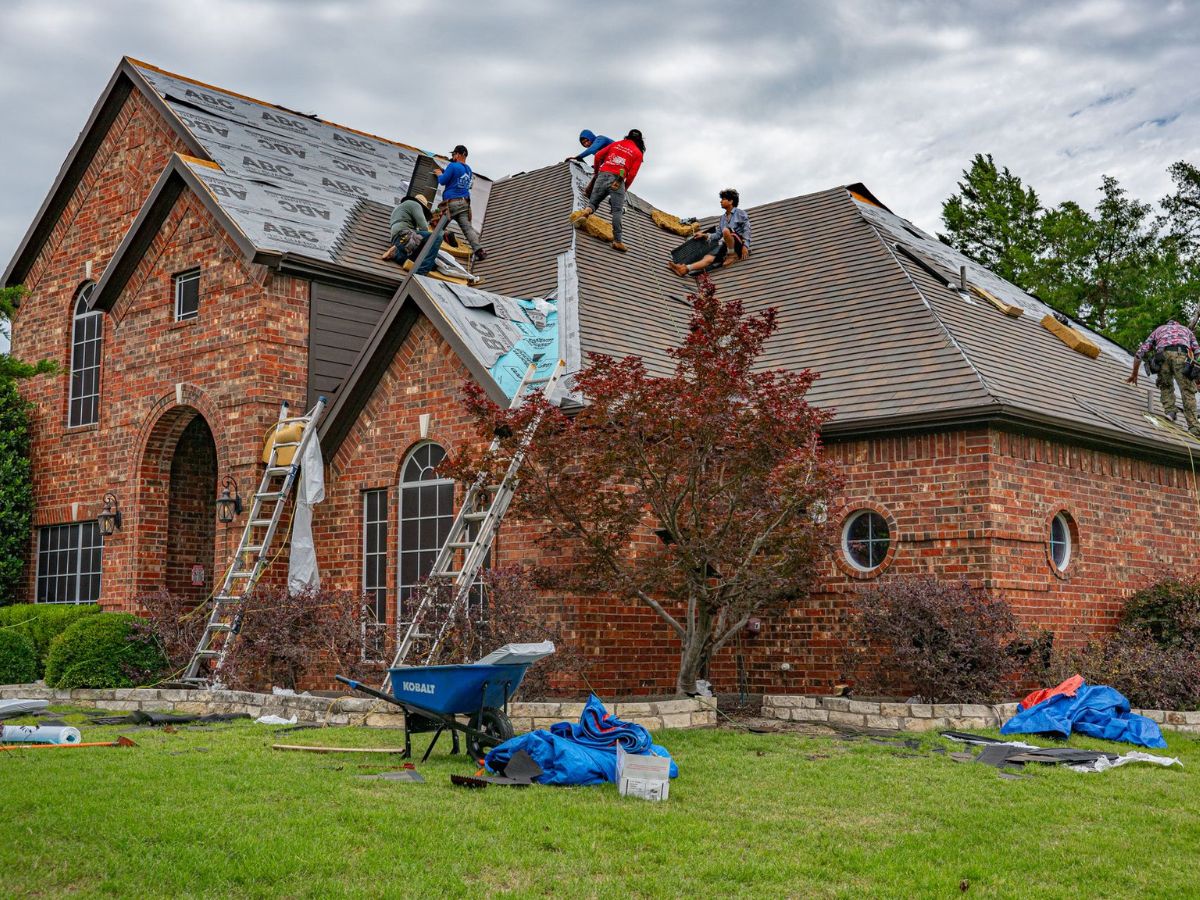
If you live in Colorado, roof problems don’t arrive quietly. Between Boulder’s intense sun, snow load, hailstorms, and fast temperature swings, your roof takes a beating year after year. A replacement isn’t just a cosmetic upgrade either. It affects energy use, resale value, insurance conversations, and how well your home handles the next round of rough weather. If you’re trying to make sense of the process, a clear plan helps more than guesswork.
Know the difference between repair territory and replacement territory
A lot of homeowners hope a leak means one missing shingle and a quick fix. Sometimes you get lucky. Often, the roof has been collecting damage for years before anything shows up on your ceiling.
You’re usually looking at replacement territory when you notice multiple problem areas, repeated leaks, sagging spots, granule loss in gutters, or shingles that are curling, cracking, or simply giving up on life. Age matters too. Asphalt shingles often last around 20 to 30 years, though climate can cut that short.
If your neighborhood has taken a recent hail hit, surface damage may be less obvious than you’d expect. A roof can look passable from the driveway and still have bruising that weakens it over time. A thorough inspection gives you a much better read than a pair of binoculars and optimism.
Pay attention to local weather, codes, and material choices
Roof replacement isn’t the same job in every city. Boulder homes deal with high UV exposure, snow accumulation, wind, and sudden weather changes that test materials hard. What works in a mild coastal climate may age badly here.
When you compare options, think beyond color and price. Asphalt shingles remain common because they’re cost-effective and easier to install. Metal roofing can hold up well against snow and fire concerns, but upfront costs are higher. Impact-resistant shingles may help if hail is a regular guest in your zip code.
You should also factor in local building codes, ventilation requirements, underlayment standards, and permit expectations. A roof system is more than the shingles you see from the street. Ice and water shield, flashing, ridge vents, and decking condition all shape performance. The flashy brochure matters less than the full assembly.
Understand what a roof estimate should actually include
A roof estimate should feel specific, not mysterious. If the quote looks like a single price dropped from the heavens, ask for detail. You need to know what you’re paying for and where surprises could appear.
A solid estimate usually includes:
– Tear-off and disposal of old materials
– Decking inspection and possible replacement costs
– Underlayment type and waterproofing layers
– Flashing replacement around chimneys, skylights, and valleys
– Ventilation updates
– Shingle or roofing material brand and warranty details
– Cleanup procedures and magnetic nail sweep
– Permit handling and project timeline
If you’re comparing contractors, make sure the estimates cover the same scope. One lower bid may skip components another company includes. That bargain can evaporate fast when change orders start rolling in. Roofing math has a way of becoming expensive algebra.
Get familiar with insurance before the project starts
Insurance can complicate roof replacement, especially after hail or wind damage. If you wait until the crew arrives to understand your policy, you’re already behind.
Start with your deductible, coverage type, and claim deadlines. Some policies cover replacement cost value, while others use actual cash value, which takes depreciation into account. That difference can hit your budget harder than expected.
Documentation matters. Photos, inspection notes, date of storm damage, and written estimates all help support a claim. If you’re evaluating contractors after severe weather, it helps to work with a Boulder roofing company that regularly handles full replacement projects in the area, such as a, because local storm patterns, code compliance, and insurance processes often shape the scope.
You should still read the paperwork yourself. No contractor can replace your responsibility to understand what your insurer will or won’t approve.
Prepare your home and schedule for the disruption
Roof replacement is temporary, but it isn’t subtle. Expect noise, vibration, debris control activity, delivery trucks, and workers moving around your property throughout the day.
Before the project starts, move vehicles out of the driveway and clear patio furniture, grills, potted plants, and anything fragile near the perimeter. Inside the house, remove delicate wall items or attic-stored valuables if vibration might shake them loose. If you work from home or have pets that hate chaos, make a backup plan.
You should also ask about weather delays, daily start times, and how access to your yard or garage might change. Good crews clean up carefully, but roofing remains a construction job, not a library study session. A little preparation prevents a lot of frustration and lowers the chance of stepping on a rogue nail later.
Look beyond the roof itself and think about long-term value
A replacement roof affects more than leak prevention. It can improve ventilation, reduce moisture issues in the attic, support better insulation performance, and strengthen your home’s resale appeal. Buyers tend to notice major systems first, and an aging roof can make even a nice home feel like a pending expense.
Long-term value also depends on workmanship. The best material on the market won’t save a sloppy install. Poor flashing details, weak ventilation, and shortcut underlayment decisions can undo the benefits of premium products.
Ask practical questions about labor warranties, crew supervision, cleanup standards, and post-install inspections. Keep your final paperwork too, including warranty information, product specs, and permit records. Years from now, those documents can help with resale, insurance, and future maintenance decisions.
A new roof isn’t glamorous in the way a kitchen remodel is. Still, when the next storm rolls in, it tends to earn your respect very quickly.
Final thoughts before you sign anything
Replacing your roof can feel like one of those homeowner milestones nobody celebrates until they have to. Even so, the process gets much easier when you understand the signals, compare estimates carefully, and choose materials based on local conditions rather than sales pressure.
Take your time with inspections, ask direct questions, and don’t treat the cheapest bid like an automatic win. A roof is a system, not a stack of shingles. When each layer is handled correctly, you get stronger weather protection, fewer surprise repairs, and better peace of mind.
That’s a pretty good trade for something sitting over your head every single day.