Category: Motherhood

  • Are My Child’s Reading Skills On Track?

    One of the most important skills any child must develop, especially as school approaches, is the ability to read. Having a decent grasp of early reading skills in those first school years gives them a genuine head start. Every child is different and develops at their own pace.

    If your child isn’t reading out whole words by 3, it doesn’t necessarily mean that there’s anything to worry about. However, knowing the milestones they should be hitting as the years go by can help you focus on which skills to work on.

    woman reading a book to a toddler

    image credit

    Age 3-4: Recognizing Letters And Sounds

    Right around the age when children start getting ready to enter preschool, this is when they begin to recognize early phonics, as well as start to connect sounds to individual letters, such as “buh” being the B sound.

    They’re not typically able to start blending sounds into words yet, but they might, for instance, be able to recognize the first letter of their own name. Reading books and singing rhymes to them at this age can help them recognize different sounds more quickly.

    If your child is at the age of 4 and not recognizing common sounds at this point, they might need a little more help, such as simply helping them be more familiar with which letters make which sounds.

    Age 4-5: Blending Sounds Into Words

    As they’re starting to get a strong grasp on phonics and might be starting to memorize the entire alphabet (or at least big chunks of it), this is when you should be focusing on helping them blend sounds together, as well.

    For instance, phonetically understanding that b, a, and t allows them to sound out each word “buh,” “ah,” and “tuh,” forming the word, bat. This is a crucial point for children, and typically something to focus on during their kindergarten years (or earlier if they are able.)

    By the end of kindergarten, a lot of children are able to read short words that are easy to decode, and to start sounding out those they don’t recognize yet.

    Age 5-6: Sight Word Recognition

    Children are going to keep building on their ability to blend sounds by the time they get into first grade, but that transitional period is when you should also focus on helping them develop a bank of sight words.

    These are common words that appear often while reading, some of which are not easy to sound out, including the, said, come, and was. You can follow a list of words 1st graders should know to help them focus on the words that they will need to get through reading assignments at that age. Typically, children are expected to know around 100 to 200 sight words by the end of first grade.

    a girl reading a book while lying on bed

    image credit

    Age 6-7: Reading Full Sentences

    When reading along with a child up until this point, you can expect them to be able to read out individual words while you’re reading a story, but still need you to put them together in a sentence. As they move towards second grade, however, their skills are likely to advance towards reading full sentences.

    This is a reflection of not just their language skills, but their ability to follow a basic narrative, fully absorb the meaning of the sentences they read, and they may even be able to deduce words they don’t recognize through context clues. At this stage, reading aloud with them and taking turns while doing so can help you build their skills towards fluency.

    Age 7-8: Reading Fluently

    Around second and third grade, children should be learning to read all grade-level appropriate texts fluently, developing their abilities to pace their sentences and to express. Their reading should evolve in tone and comprehension, as meaning and details become clearer to them.

    This is also when they should start to recognize story structure and be able to predict where the narrative is going. As they reach this age, they should be able to read silently more effectively as well.

    If your child is still reading mechanically, without any expression or clear understanding of the words, you may need to support them a little more. This can involve reading aloud with them outside of the classroom and discussing stories, rather than just putting them down once they’re done.

    Age 8-9: Reading Independently and Critical Thinking

    At this age, a lot of children begin to read independently for pleasure and become adept enough at reading that they’re spending more time absorbing information visually, rather than being taught vocally.

    This is a major transition for most readers, and it’s when independent study becomes more common. Beyond that, this is also when you want to focus on critical thinking skills, such as their ability to make inferences and draw conclusions beyond what is explicitly involved in the text.

    Having open-ended discussions about the books they read and providing additional texts to them can help them keep working on those skills, which become vital in later academia, not to mention life in general.
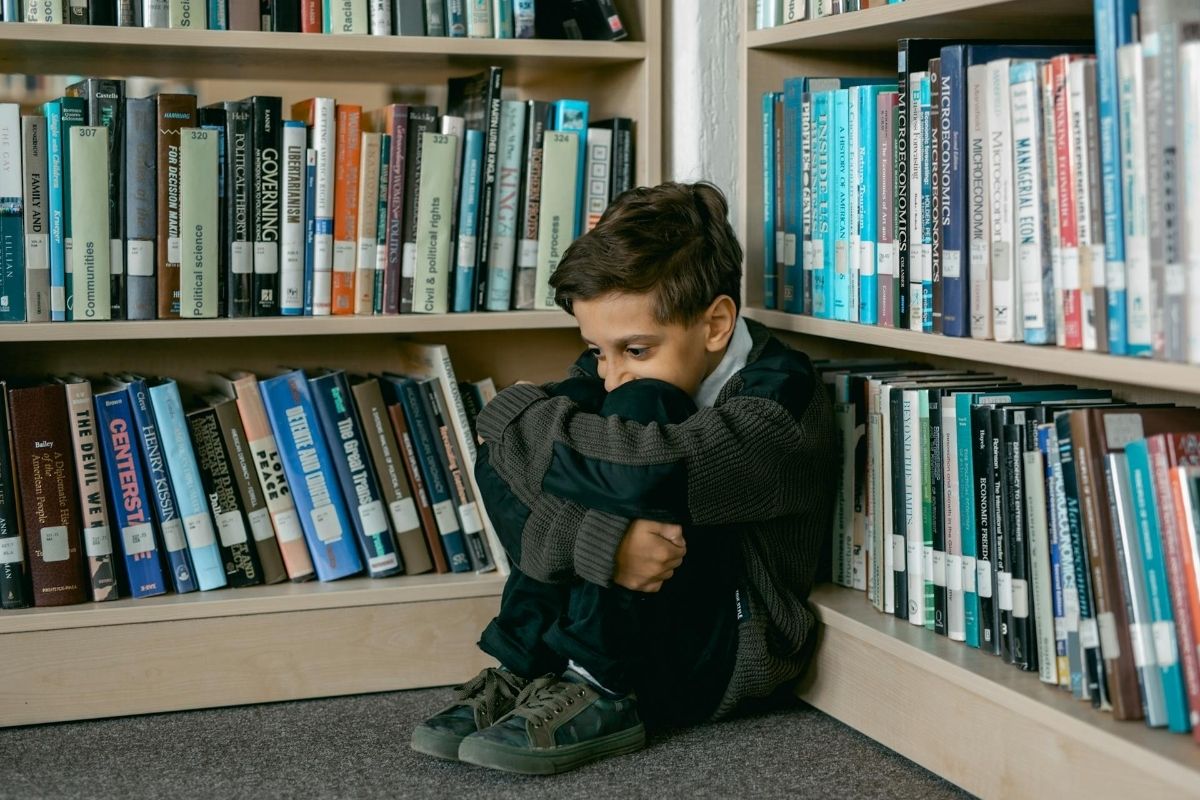
    boy sitting in a library

    image credit

    When Should You Be Worried About Slow Progress?

    Every child’s progress with reading is different. Some children have trouble getting motivated with reading tasks for all kinds of reasons. However, if you’re consistently practicing and exposing them to reading materials, but they seemingly can’t engage at the next level, then you might want to consider health conditions that could be affecting their development.

    This can include not just learning difficulties like dyslexia, but even issues with eyesight or hearing. If your child seems like they are falling significantly behind their peers, talk to their teacher about it first. If they express similar concerns, then it might be time to make an appointment with a reading specialist, as well as to schedule an eye exam and hearing test.

    Children whose parents take an active interest in the development of their skills have a genuine advantage, and reading is one of the most fundamental skills you can help them build. Hopefully, the points above give you an idea of where you should aim to be next.
  • Legal and Emotional Prep for Your First Custody Hearing

    Did you know that Bexar County has one of the busiest family courts in Texas? In fact, the number of custody filings here has steadily increased over the past few years. If your case is scheduled in San Antonio, you’re definitely not alone, but it may still feel that way. These hearings can be brief on the outside but carry a heavy emotional load inside, especially when it’s your first time navigating one.

    The legal side is only part of what you’ll need to think about. How you carry yourself emotionally, how you respond under pressure, and how you communicate your child’s needs all of it counts. In this article, you’ll find guidance that blends both legal preparation and emotional readiness to help you walk in steady and clear-headed.

    Know What to Expect in Court

    Before you even set foot in the courtroom, it’s helpful to know what kind of hearing you’re attending. Is it a temporary custody hearing or a final one? Will you be testifying or is it more of a status update? Ask your attorney what the judge is likely to focus on. Some judges stick closely to routine questions while others may dig deeper based on the specifics of your case.

    Either way, bring your paperwork in order. That includes any communication logs with your co-parent, school records, medical records, and anything else that might support your position. If the court has asked for any documentation ahead of time, make sure it’s already submitted. Judges are often working on tight schedules, and missing documents can delay or even hurt your case.

    Choose the Right Legal Guidance for Your Situation

    Custody laws and court procedures can vary depending on where you live, which makes local legal experience especially important. If your case is being heard in Bexar County or anywhere around South Texas, you’ll want someone who understands how the courts in that area operate. Judges may have preferences for how evidence is presented or how co-parenting arrangements are structured, and a local attorney will be familiar with those details.

    For parents facing custody hearings in and around San Antonio, working with experienced child custody lawyers in San Antonio, True Law Firm can offer that local insight along with the steady support families need during tough times. Such professional teams are trained to focus on building custody plans that reflect the child’s best interest while helping parents present themselves clearly and calmly in court. That kind of focused preparation often makes a real difference when emotions are high and the outcome matters deeply.

    Keep Your Emotions in Check Without Hiding Them

    Court isn’t the place to vent, but that doesn’t mean you need to be stone-faced. Judges understand this is emotional. What they want to see is a parent who can manage those emotions without letting them take over. If your voice shakes or you tear up, that’s okay. Just don’t let frustration or anger guide your responses.

    If the other parent says something untrue or unfair, resist the urge to interrupt. Your attorney will have the opportunity to respond. Staying calm under pressure speaks volumes about your parenting approach. One helpful tactic is practicing what you’ll say out loud ahead of time. It can help you spot places where you might lose your footing or sound defensive. Rehearse with someone you trust or ask your lawyer to walk through possible questions with you.

    Focus on What’s Best for Your Child

    It’s easy to slip into me-versus-them thinking. But the court isn’t interested in which parent has a better car or a longer work history. The focus is always on your child’s well-being, their stability, safety, and emotional health. Speak about your child with care. Talk about their daily routines, the activities they enjoy, how you support their schooling, and how you handle discipline. Show that you’re focused on creating a healthy environment for them, not just winning a legal argument.

    If there are concerns about the other parent, raise them factually and without insult. Judges hear accusations every day. What they listen for are patterns backed by documentation or testimony, not emotional rants.

    Dress and Speak with Respect

    You don’t need to wear a suit, but you should look neat and presentable. It shows you take the hearing seriously. Same goes for how you speak. Address the judge as “Your Honor” and speak clearly. If you’re not sure about something, it’s okay to say so. Honesty and humility go a long way in family court.

    Avoid rolling your eyes, shaking your head, or whispering to your attorney while the other party is talking. These reactions might seem harmless, but they can give off the wrong impression. Let your words and actions reflect the kind of parent you want the court to see.

    Final Thoughts

    Your first custody hearing might feel like a mountain, but you don’t have to climb it unprepared. With the right legal support and a calm, child-focused mindset, you can face it with strength. Show up ready, stay respectful, and keep your child’s best interest at the center of it all.

  • Fun Summer Activities For Kids

    There are so many fun summer activities for kids that you can do at home.

    These ideas are cheap, simple, DIY, and easy to do.

    They will keep your kids busy and entertained in the summer and all year long.

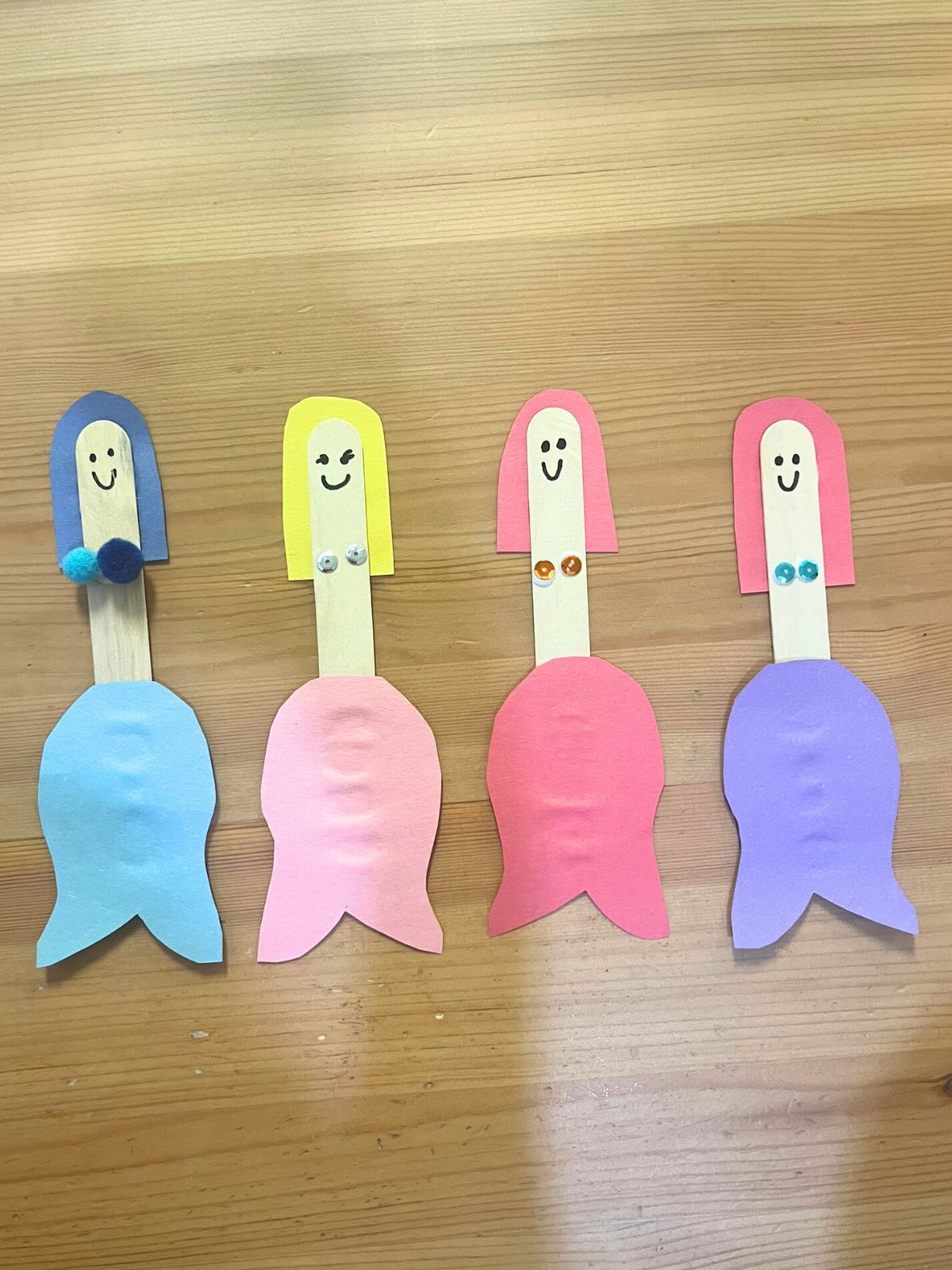
    1. Popsicle Stick Mermaids

    mermaid popsicle sticks craft

    Shop this idea:

    This activity is so fun and easy for kids to do.

    It’s popsicle stick mermaids that are a cool craft for kids to do without a lot of help.

    To make these we used popsicle sticks and drew on a smiley face with a sharpie.

    Then we cut pieces of construction paper in the shapes of hair and a mermaid tail. Glue the hair to the back of the popsicle stick and the tail to the front of the popsicle stick.

    Then you glue the sequins or small pom poms to the front for the shells.

    2. Nature Bracelets

    Shop this idea:

    These nature bracelets are a fun way to keep kids entertained on a walk outside.

    You’ll use a piece of tape and put it around their wrist with the sticky side up. Just don’t put it on too tight.

    Then you go outside on a walk and kids can decorate their bracelets with a flower, leaves, and things they find in nature.

    3. Car Tunnels Activity

    Shop this idea:

    This car tunnels activity is fun and a great way to learn for little ones.

    Cut strips of construction paper and tape them on the ground in the shape of arches.

    Get some cars out and drive them through the tunnels.

    You can have your kids experiment with what sizes of cars do and do not fit in the tunnels.

    My kids ask to do this again and again.

    4. Rice Sensory Bin

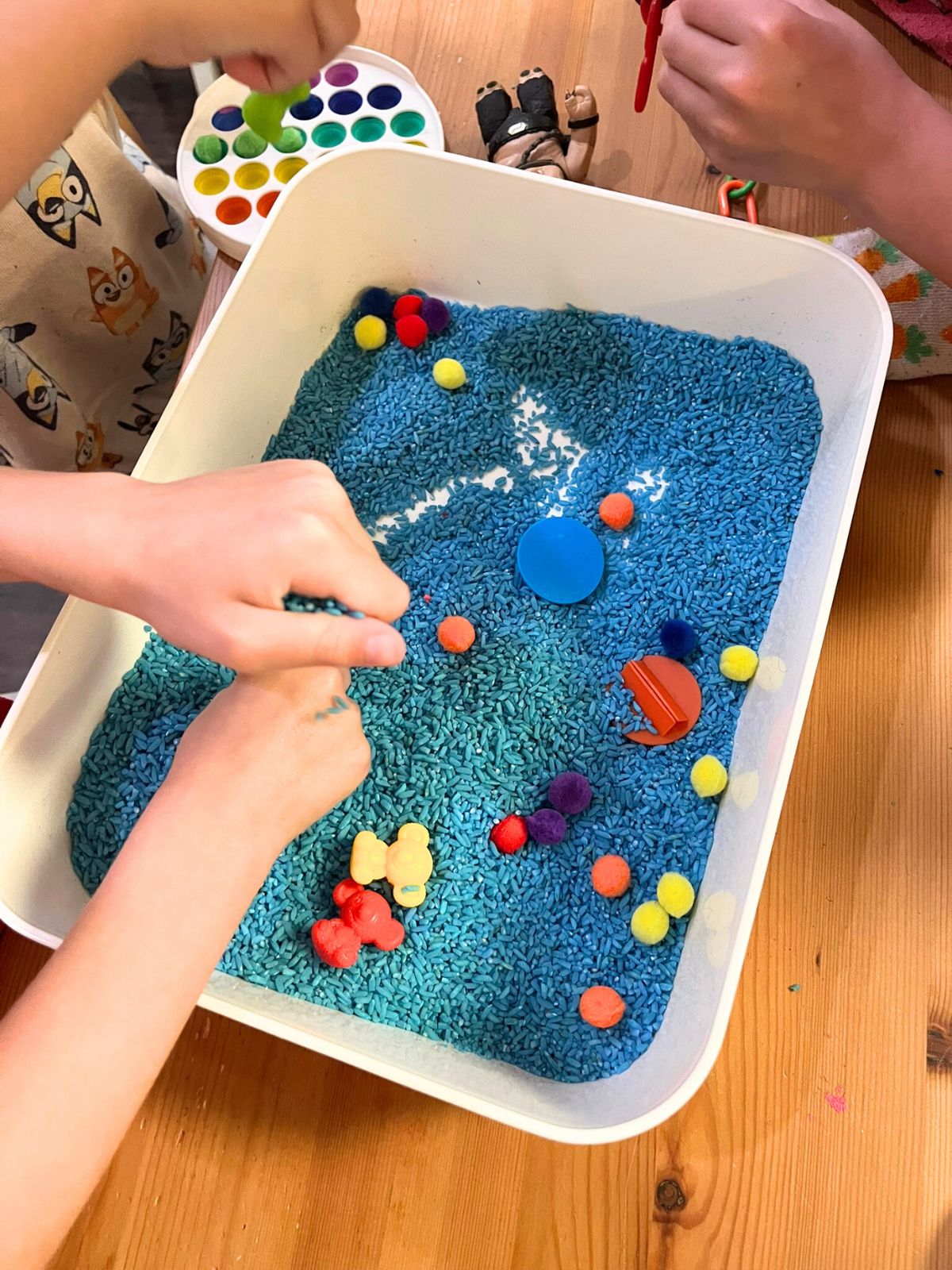
    rice sensory bin

    Shop this idea:

    Sensory bins are a great way to keep kids entertained in the summer. You can do them indoors or outdoors.

    There are tons of things you can fill sensory bins with and one of hem is rice.

    Add little tools and toys to it for your kids to play with.

    5. Bubble Foam

    bubble foam

    Shop this idea:

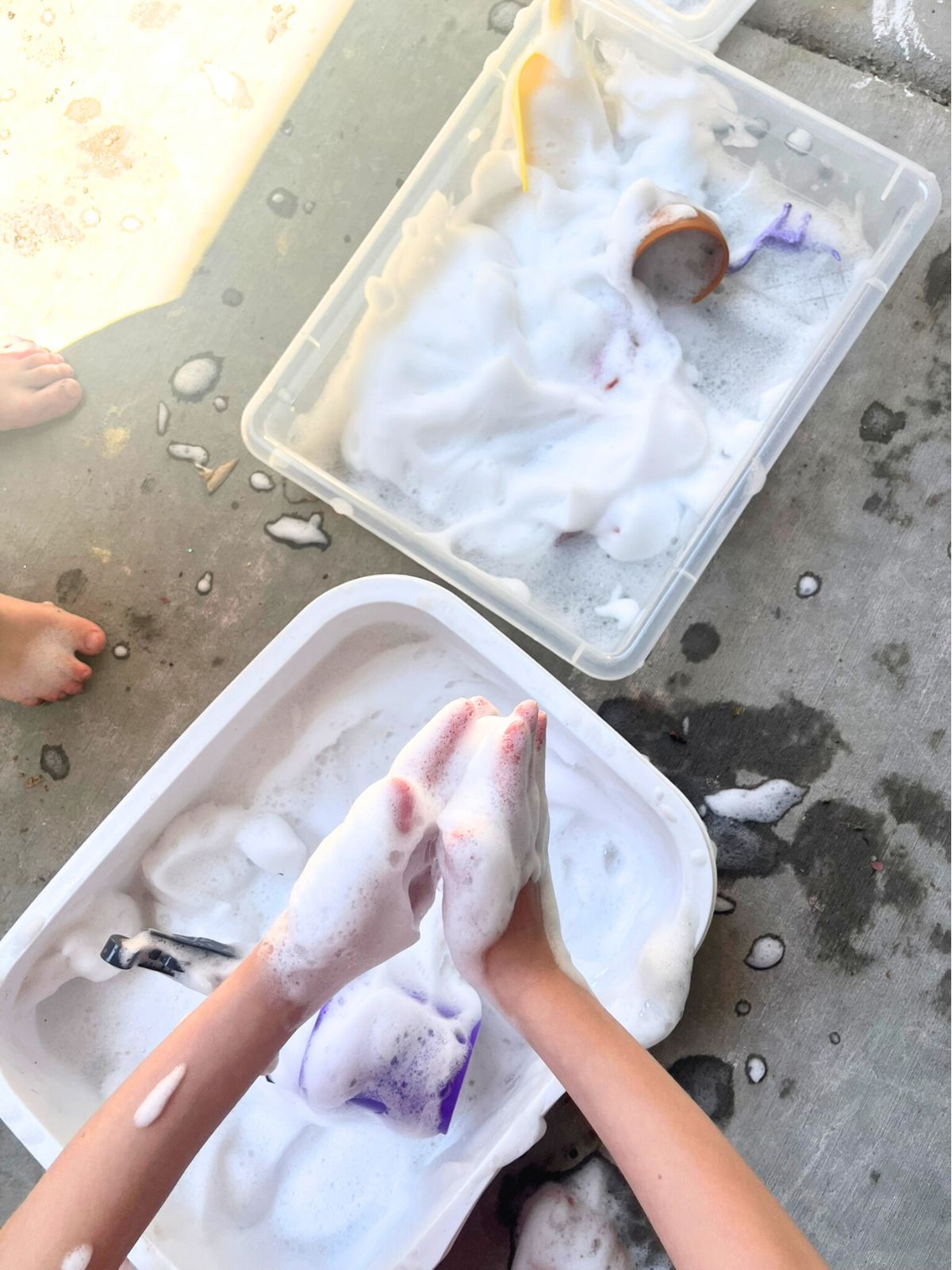
    Bubble foam is a fun idea for sensory bins and water play.

    To make this you use 2/3 cup water and 2 tbsp dish soap.

    Use a hand mixer or stand mixer with whisk attachment and mix for a few minutes on high until it forms a lot of bubbles.

    Pour it into bins and give your kids tools and toys to play with in it.

    This was fun to play with outside and my kids had a lot of fun feeling the bubbles and playing with the foam.

    6. Sensory Board

    sensory board toy

    Shop this idea:

    • Sensory board here

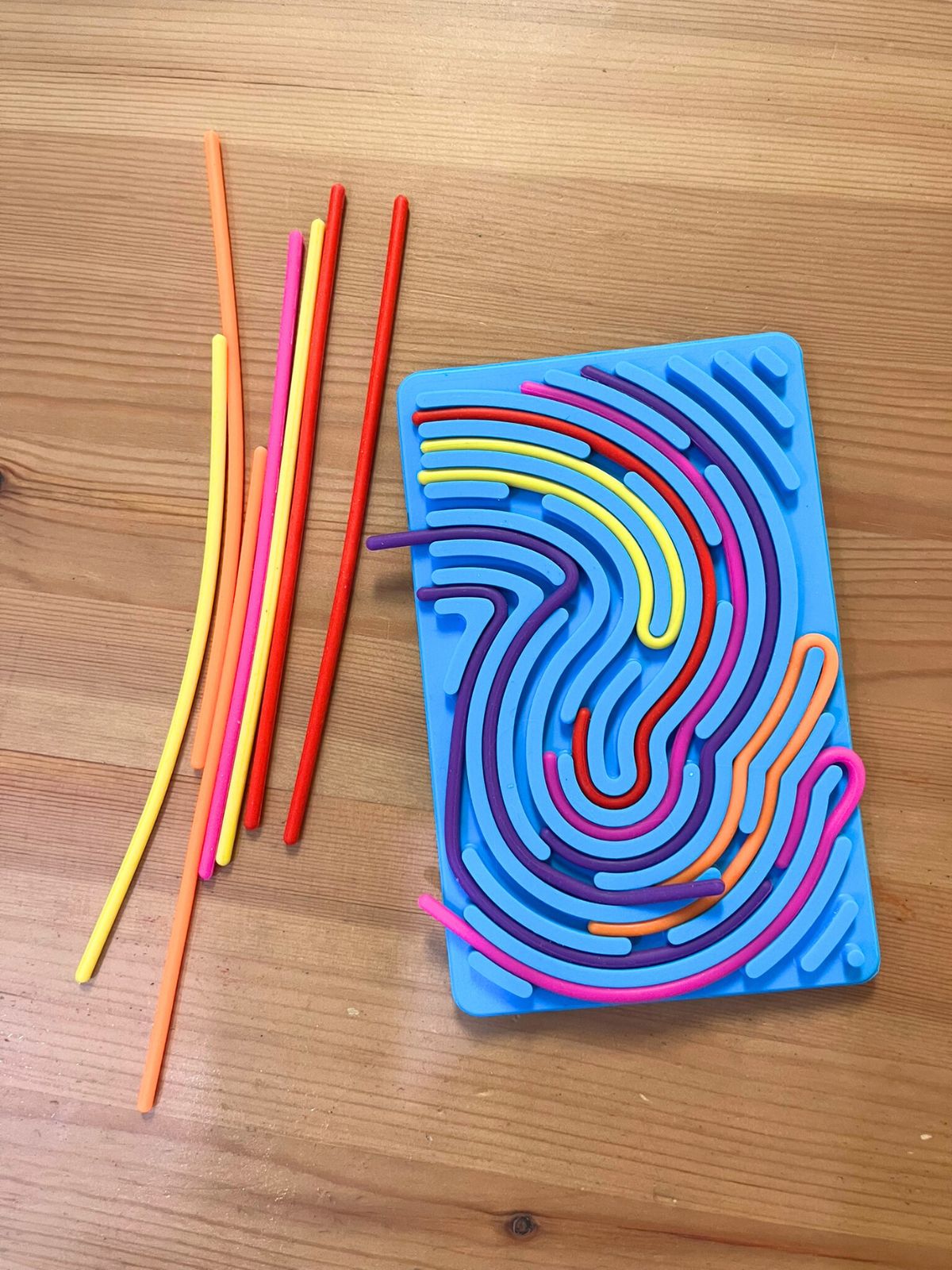
    This sensory board toy is great for when kids need a relaxing and calming activity.

    They push little noodle looking pieces into the board to make different designs.

    This activity has really helped my kids and been a great quiet activity for them.

    7. Magnetic People Toy

    magnetic people toy

    Shop this idea:

    • Magnetic people toy here

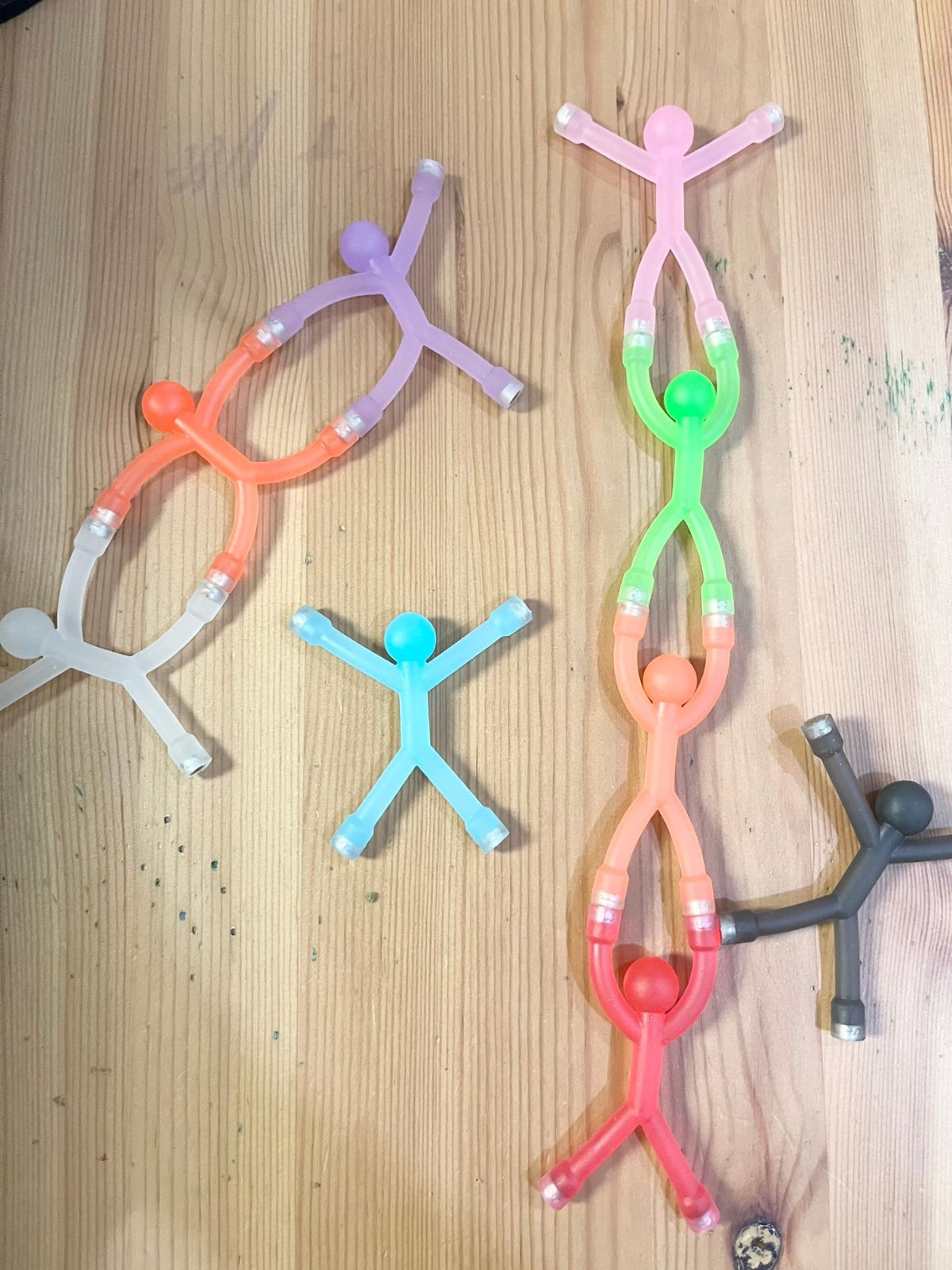
    These magnetic people are a lot of fun and promote creative play for kids.

    They can try different ways of connecting the people together to make chains or crowns.

    My kids also love to put them on different things around the house to see what is magnetic, like our fridge and dishwasher.

  • 16 Best Water Play Ideas For Kids

    Disclosure: Some of the links below are affiliate links. At no cost to you, I will earn a commission if you click through and make a purchase. 

    Water play is great for kids in the summer. It’s a way to cool off in the heat, keep them entertained, and is so good for them.

    These are the best water play ideas for kids to do in the summer and throughout the year.

    1. Sponge Water Balls

    Sponge Water Balls

    image credit

    What you’ll need:

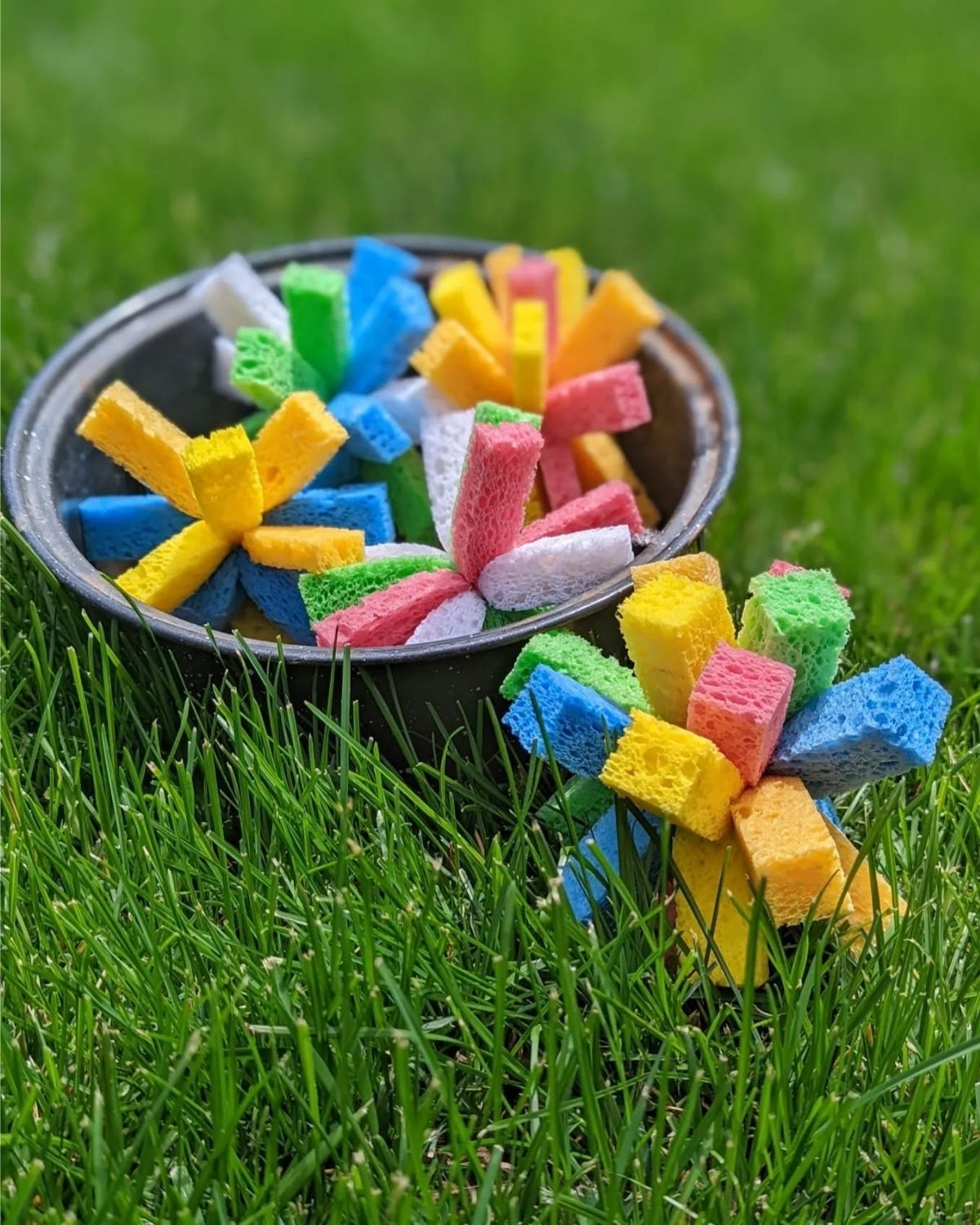
    These sponge water balls are so cool and unique. Your kids can help you make them, then they will have a blast playing with them.

    They can absorb water into them, then squeeze them out and throw them at the ground.

    2. Dishwashing Sensory Bin

    Dishwashing Sensory Bin

    image credit

    What you’ll need:

    • Play set of dishes here

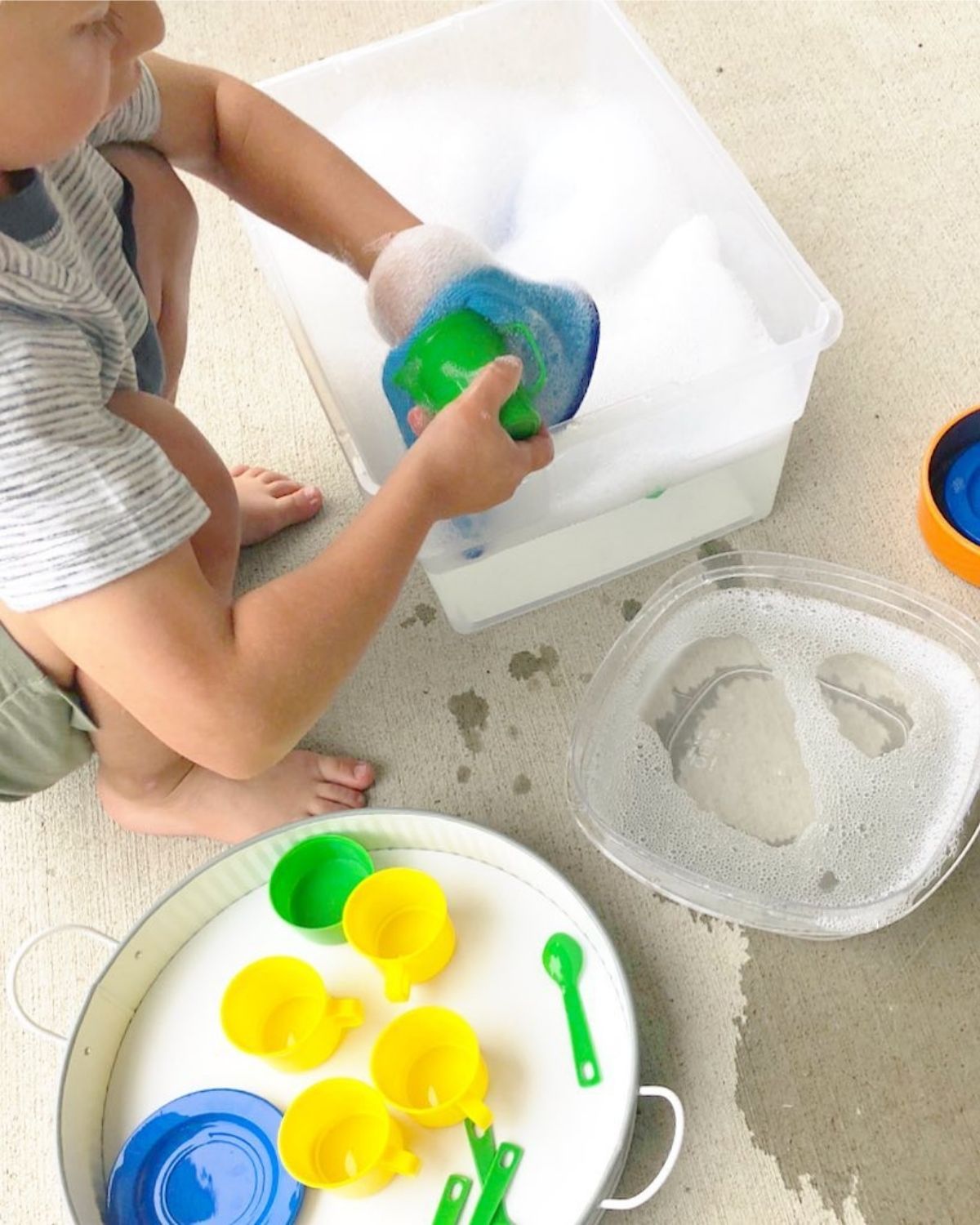
    This dishwashing sensory bin is fun for kids and teaches them how to clean things. Set up a bin with water, a bin with soapy water, and give them some dish toys to play with and clean.

    You don’t actually need to get the toys dirty for them to play and clean them.

    3. Painting Ice Cubes

    Painting Ice Cubes

    image credit

    What you’ll need:

    • Paint and paintbrushes here

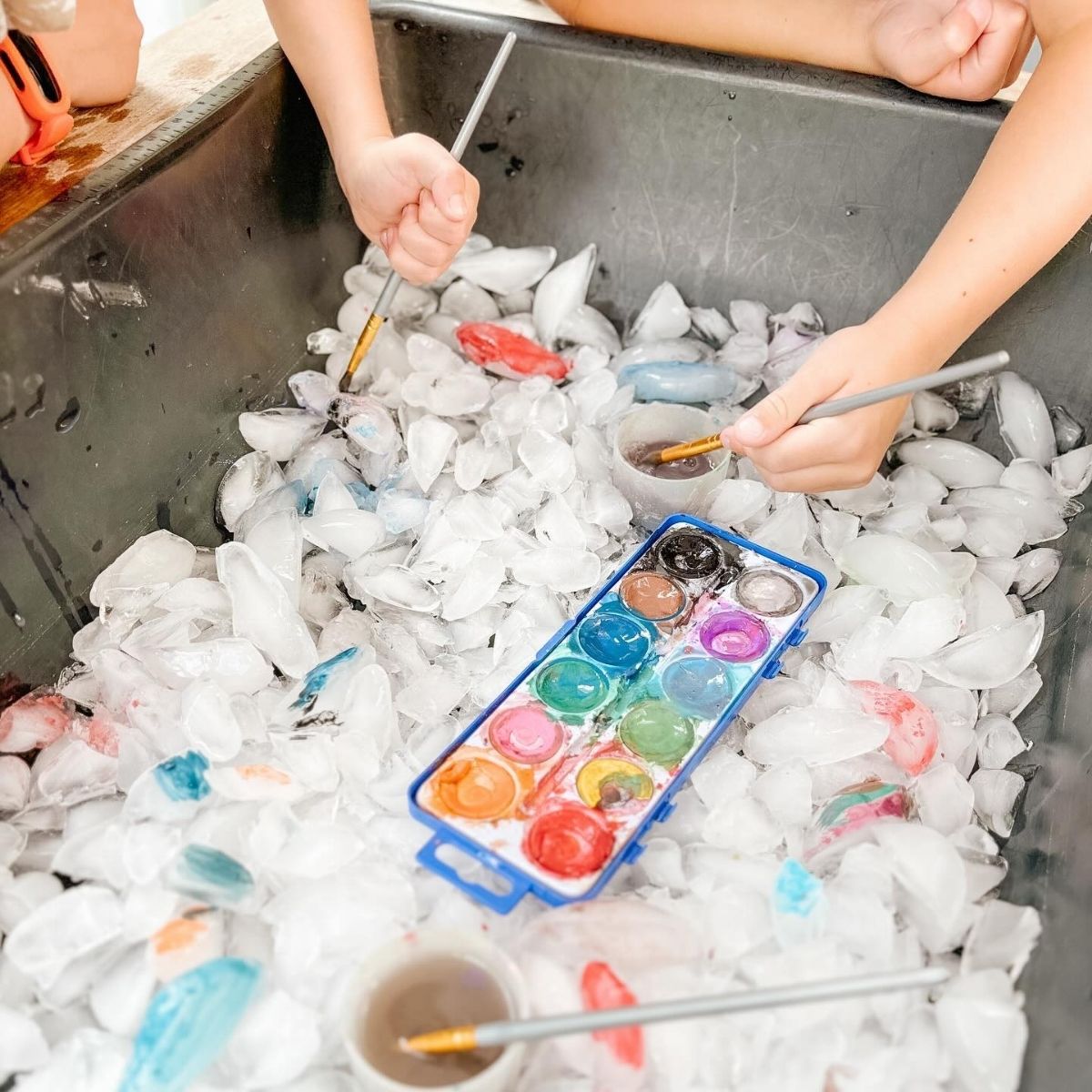
    Painting ice cubes is a fun way to stay cool on a really hot summer day. Give your kids a bin filled with ice cubes, paint, and paintbrushes.

    They’ll likely need more ice cubes when those ones melt though.

    4. Bubble Foam Sensory Bin

    Bubble Foam Sensory Bin

    image credit

    What you’ll need:

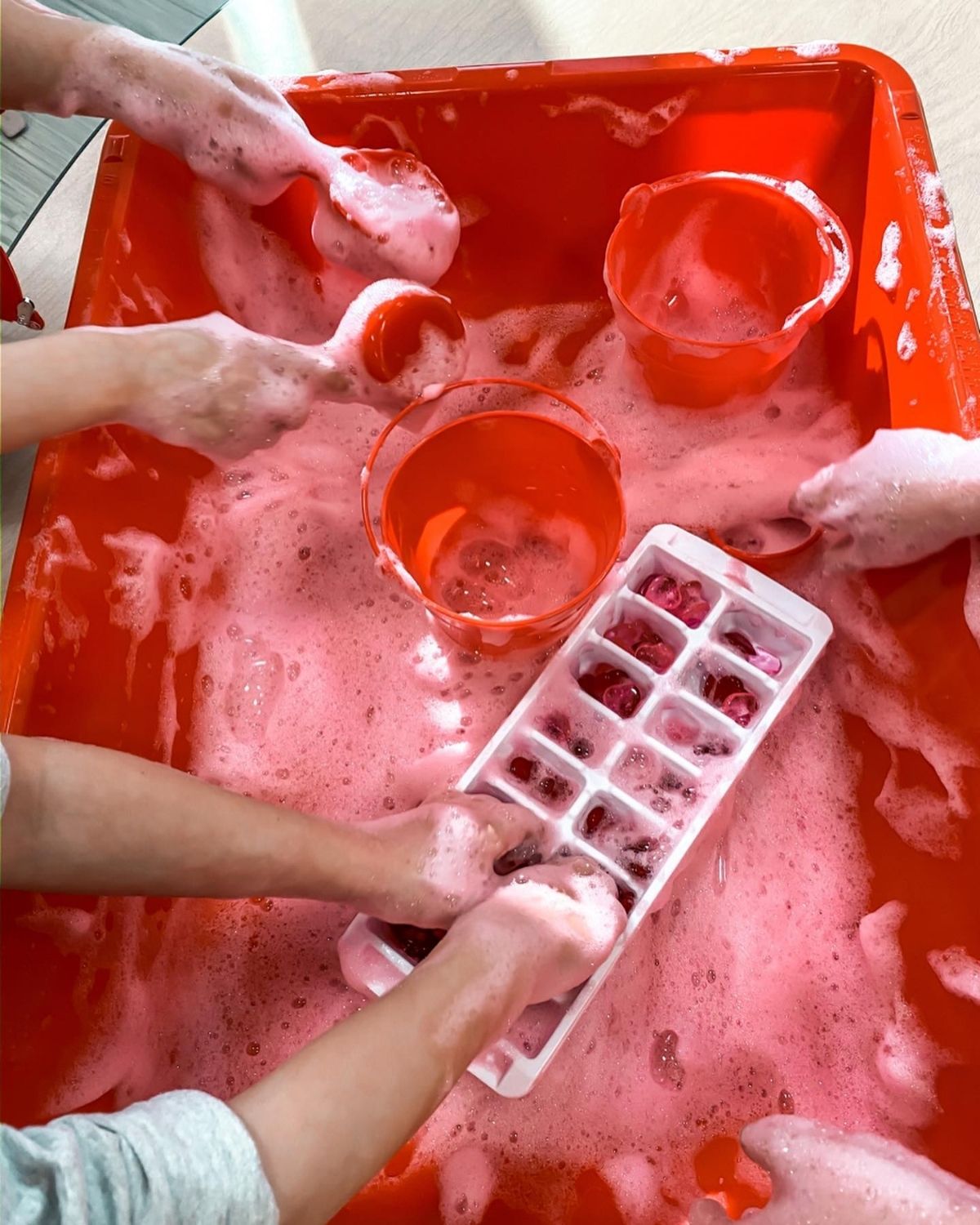
    Bubble foam is so cool and a great sensory experience for toddlers and kids. You’ll mix water and dish soap with a hand mixer to achieve this.

    You can add food coloring to make different colors of bubble soap or just go with it as is. Add some fun toys to the bin like shovels and pails.

    5. Ocean Water Sensory Bin

    Ocean Water Sensory Bin

    image credit

    What you’ll need:

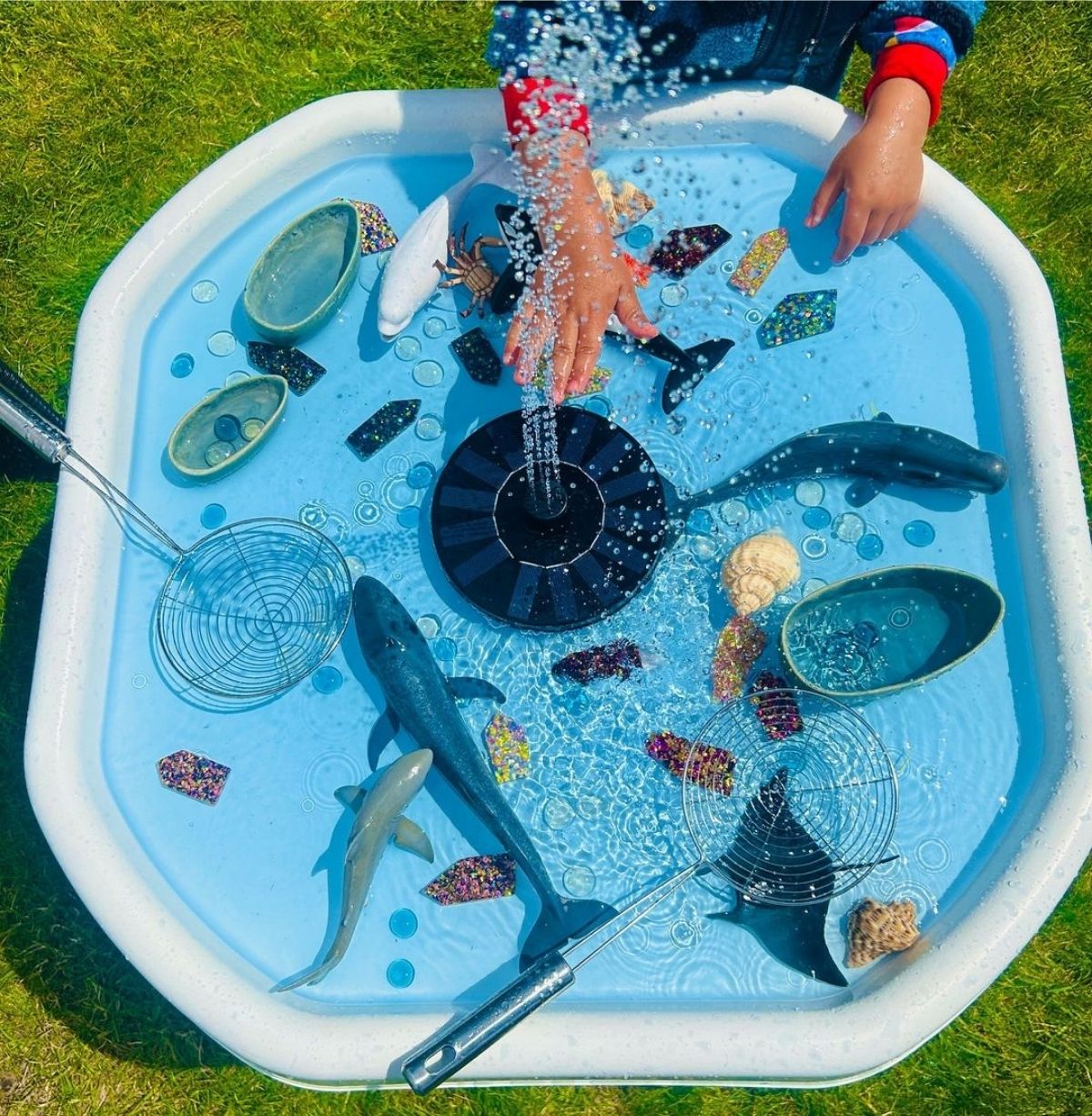
    This ocean water sensory bin is really cute and fun for kids who love sea animals. Setup some water in a bin and you can dye it blue if you want to.

    Add sea animals, shells, scoopers, and more for your kids to play with.

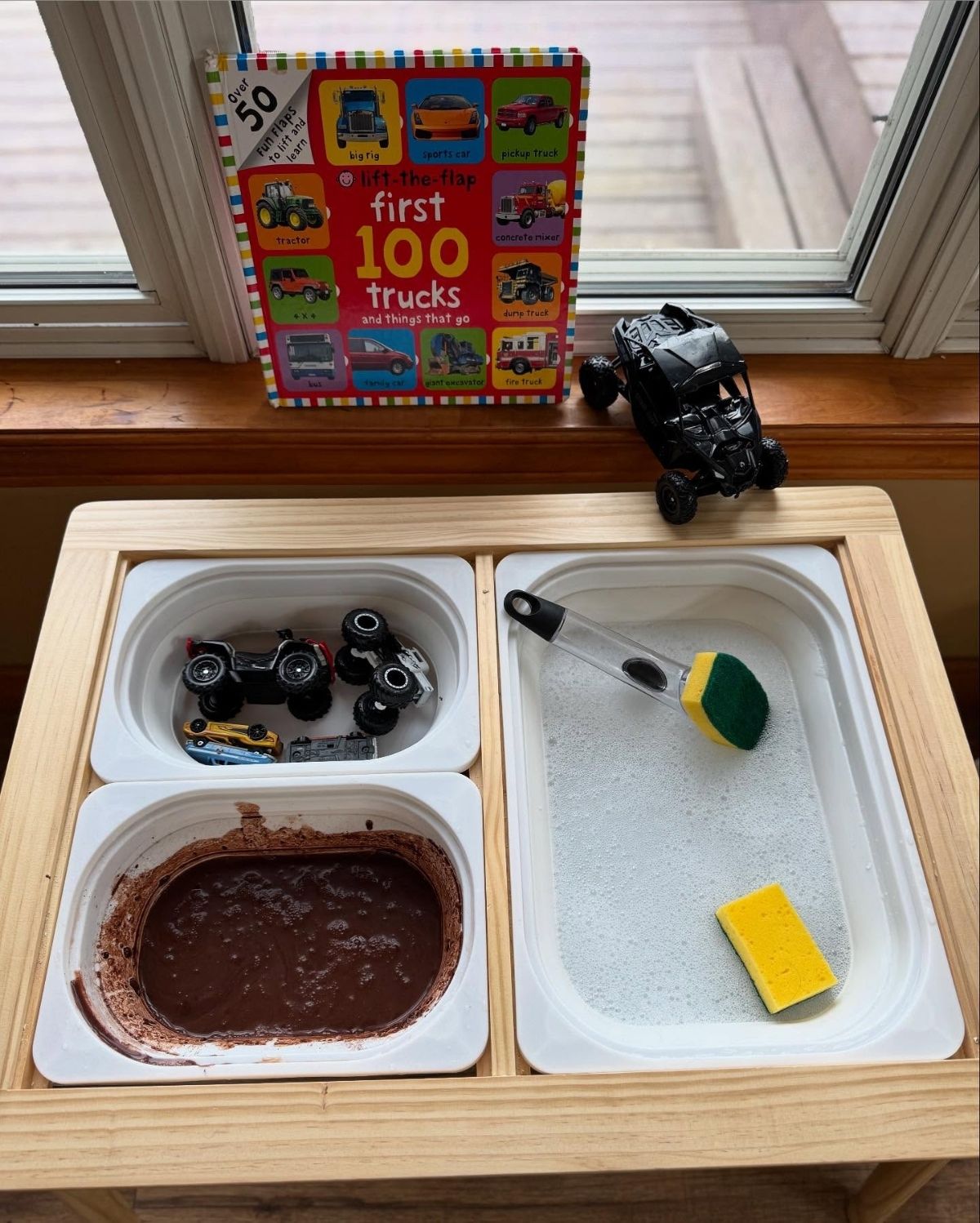
    6. Car Wash Station

    Car Wash Station

    image credit

    What you’ll need:

    This car wash station is so cute and fun for kids who love cars. Give your kid some cars to play with chocolate pudding, and a bin with soapy water and sponges.

    They can get the cars dirty in the chocolate pudding, then clean them in the soapy water.

    The chocolate pudding is nice because it’s taste safe, just make sure your kids know the soapy water is not also taste safe.

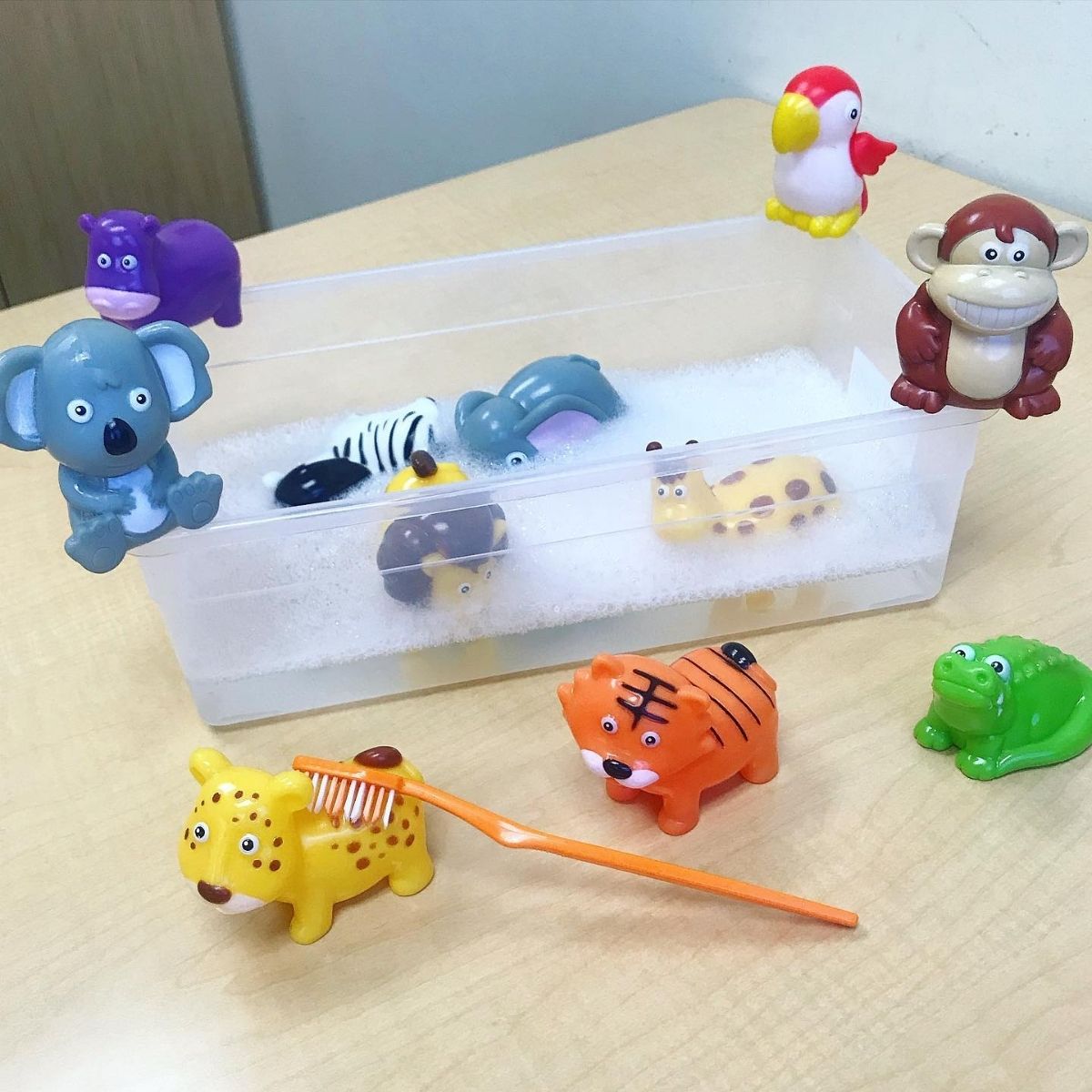
    7. Washing Animals Station

    Washing Animals Station

    image credit

    What you’ll need:

    • Jungle animals here

    Washing anything in a sensory bin is always fun and beneficial for kids. This is a really easy setup with animal toys, a bin with soapy water, and a toothbrush to scrub them with.

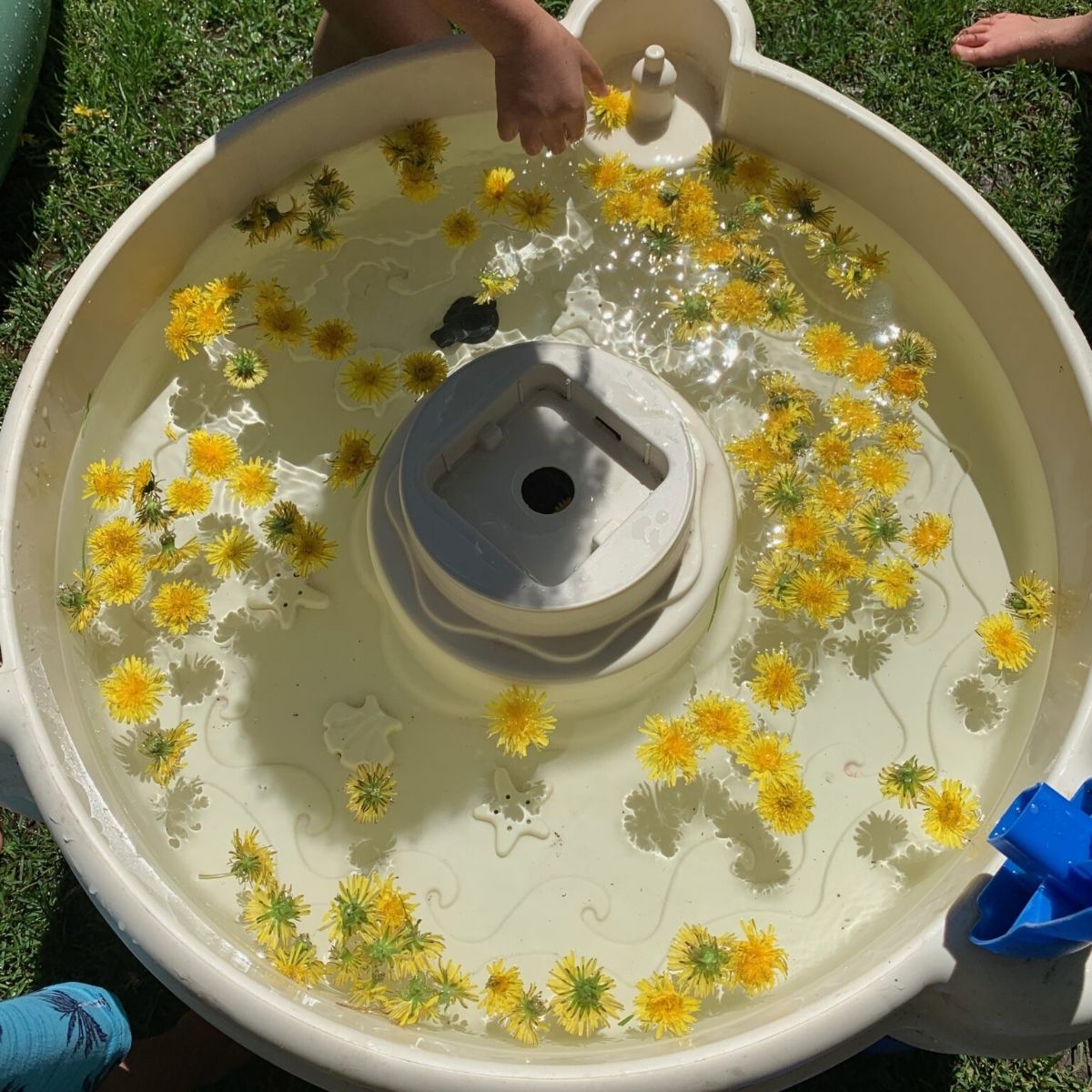
    8. Dandelion Water Table

    Dandelion Water Table

    image credit

    This dandelion water table is easy and can be put together last minute. Use a water table or sensory bin and fill it with water.

    Have your kids pick dandelions and add them to the water.

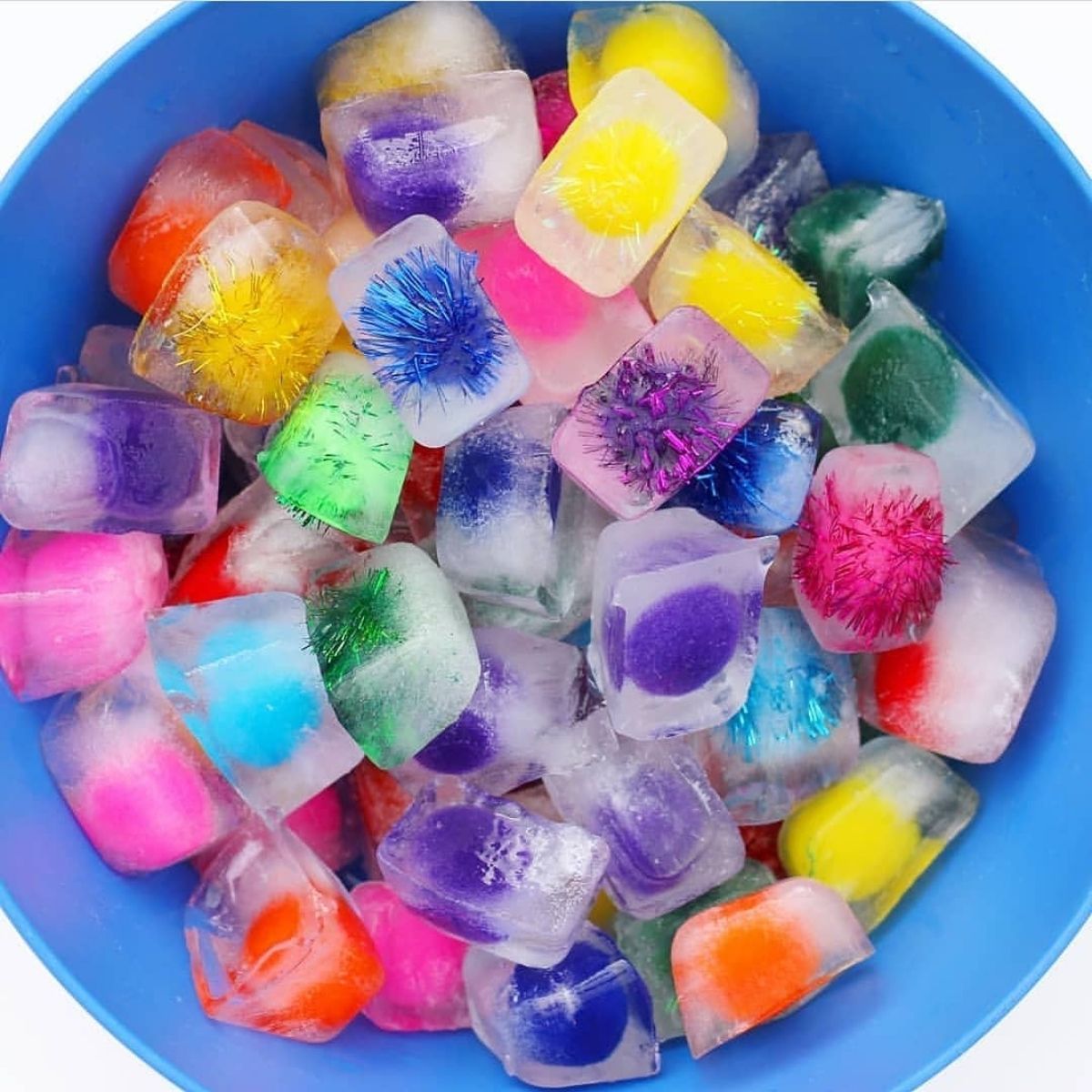
    9. Frozen Pom Poms

    Frozen Pom Poms

    image credit

    What you’ll need:

    This is a fun frozen activity to do on a hot summer day. Freeze pom poms in water in an ice tray. Then put them in a bowl for your kids to play with.

    They can try to chisel the pom poms out or melt them on the hot ground.

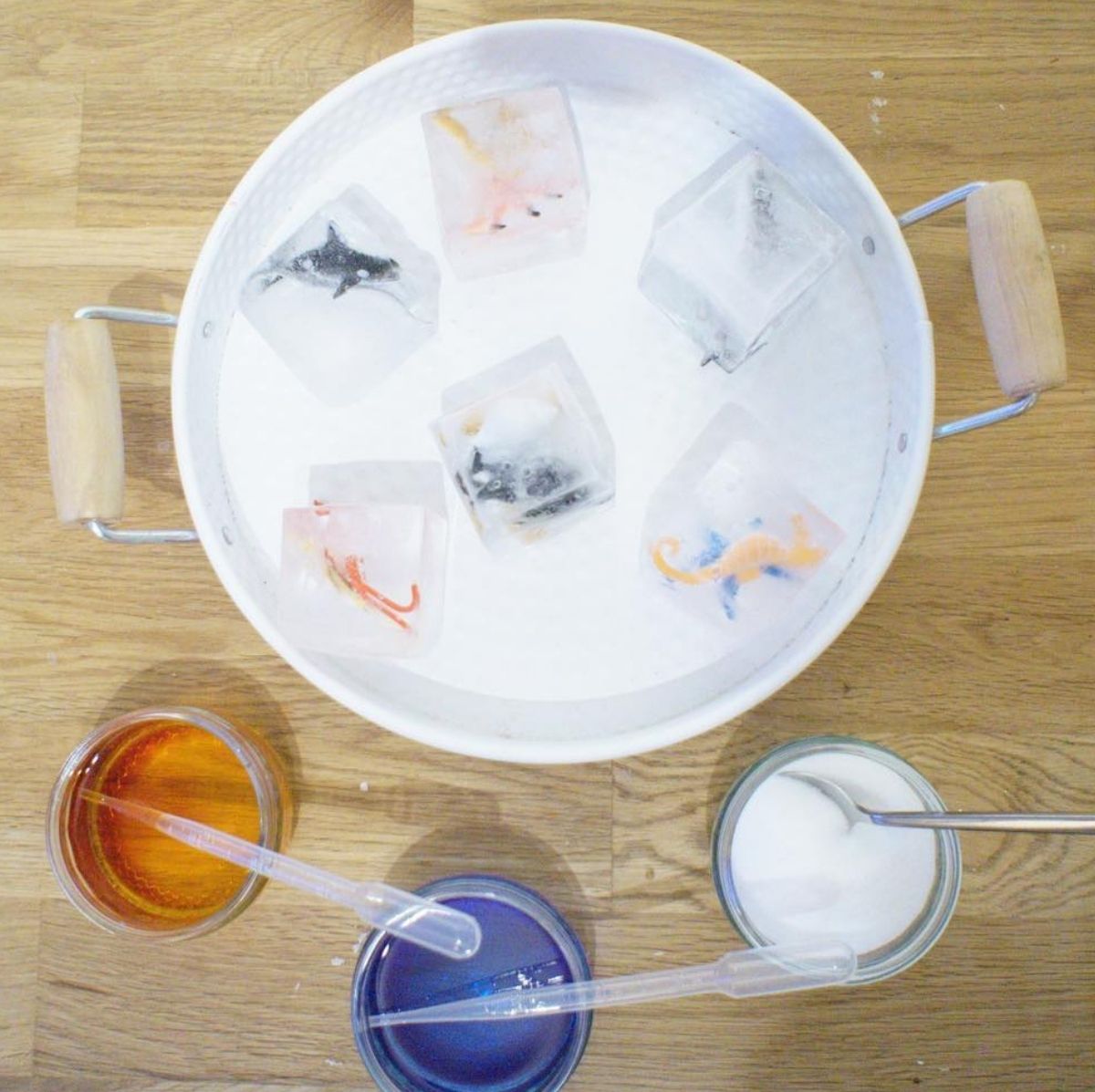
    10. Animals Frozen In Ice Activity

    Animals Frozen In Ice Activity

    image credit

    What you’ll need:

    This water play idea is simple and really cute for kids and toddlers. Freeze sea animals in water in an ice cube tray.

    Give them to your kids with some water and pipettes and a bowl of salt.

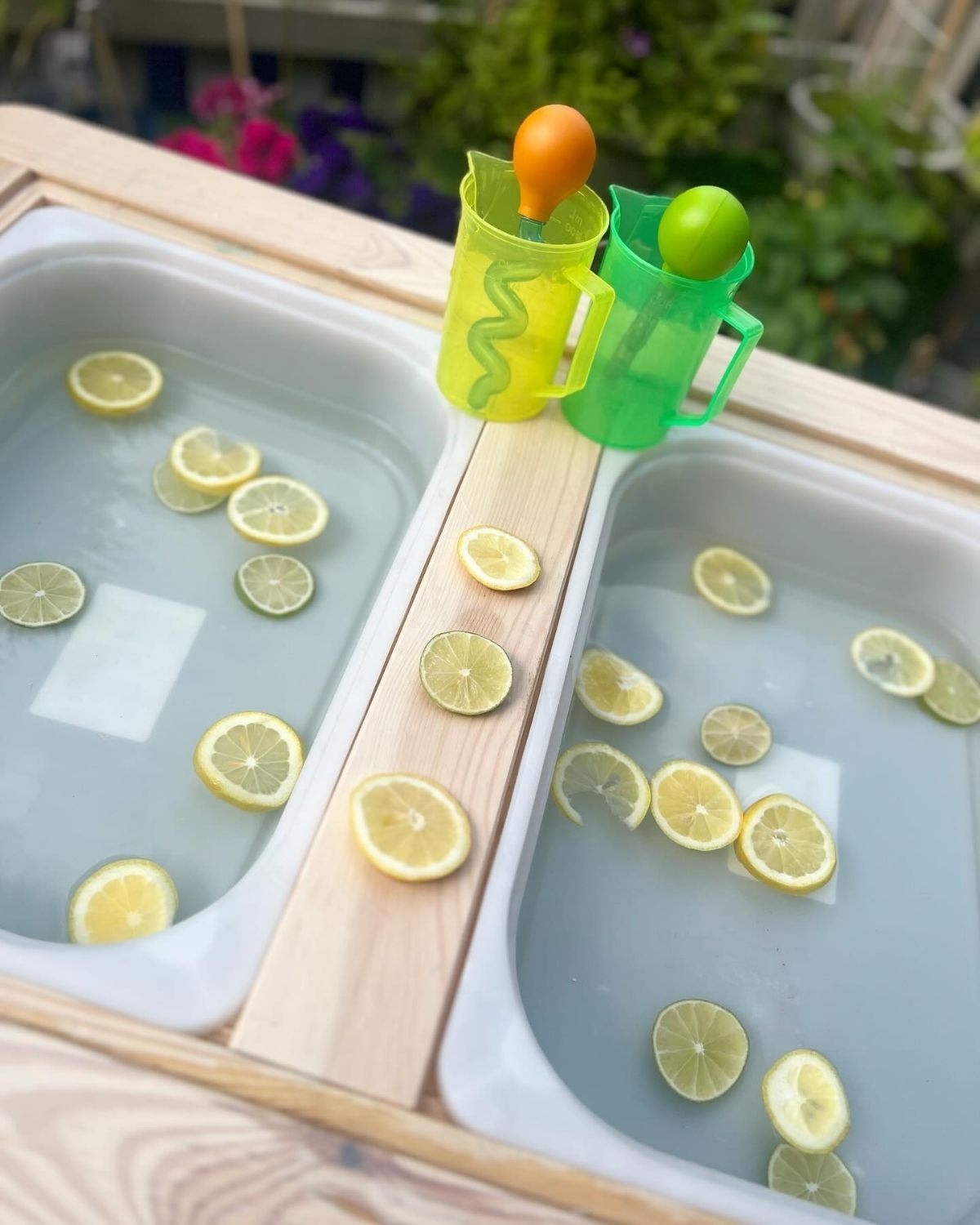
    11. Lemon Water Play

    Lemon Water Play

    image credit

    What you’ll need:

    Lemon water play is a really fun and taste safe sensory bin idea for babies, toddlers, and kids. Slice lemons and put them in water. Your kids can try to squeeze them, taste them, and scoop them.

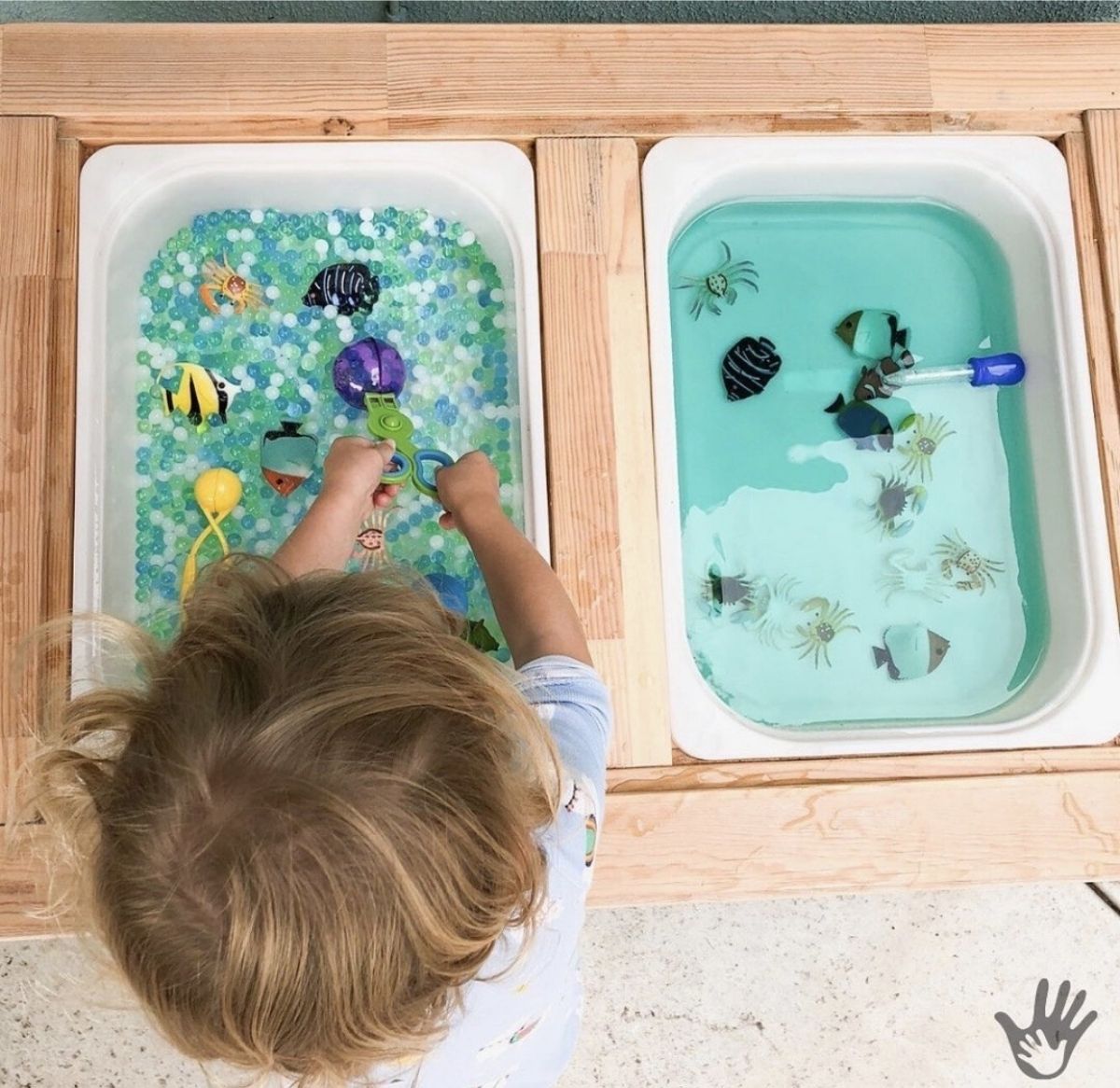
    12. Water Beads Sensory Bin

    Water Beads Sensory Bin

    image credit

    What you’ll need:

    Water beads are always a really cool and fun way to play. You’ll need water beads, a bin of water, sea animals, and little tools like scoopers.

    They can feel everything, scoop water beads, and have the animals swim in the water and water beads.

    13. Water Painting

    What you’ll need:

    Water painting is very simple and easy. It also does not leave a mess. Give your kids a bowl or pitcher or water and paintbrushes.

    They can paint cement outside with the water and it will dry with no mess.

    14. Water Balloons

    reusable water balloons

    What you’ll need:

    • Reusable water balloons here

    Water balloons are always super fun and a big hit with kids. Get some reusable ones that are much easier to work with.

    15. Play In The Sprinklers

    Sprinklers are simple and fun for kids to play in and cool off in the summer. Turn the sprinklers on for the kids to run in.

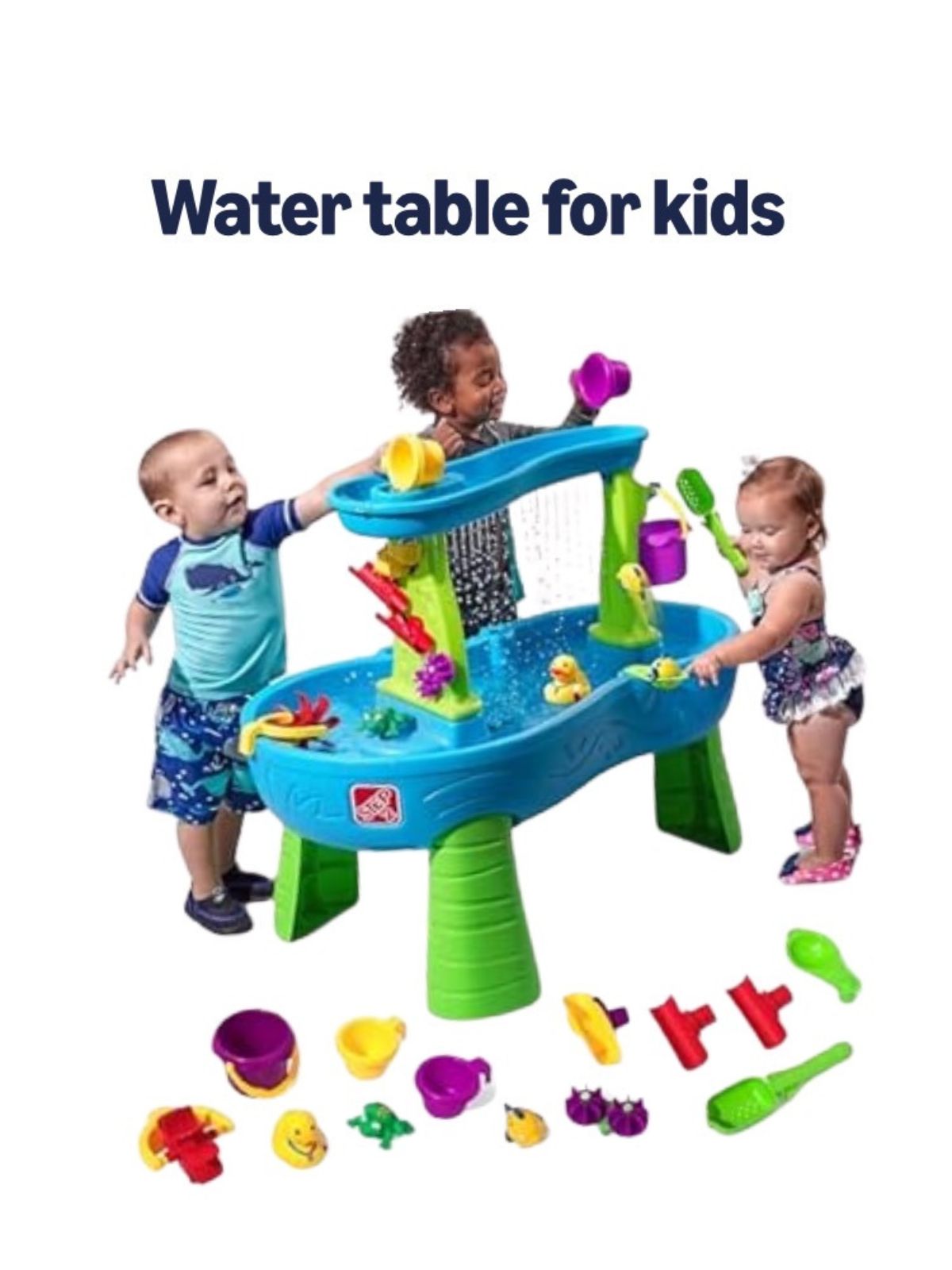
    16. Water Table

    water table for kids

    What you’ll need:

    Water tables are fun and will keep kids entertained for a really long time. They can feel the water, put different things, in it, scoop it, etc.

    As an Amazon Associate I earn from qualifying purchases.