Category: Uncategorized

  • 8 Anniversary Present Ideas for a Man Who Loves Staying at Home

    Anniversaries are a great opportunity to show your partner how much he means to you by giving him a thoughtful gift.

    Not only does the gift mark an important milestone in your relationship, it can also convey how much you value your partner’s interests by gifting him something related to his likes and wants.

    Perhaps your partner is someone who prefers the peace and calm of your home rather than doing outdoor activities.

    In this case, you can focus on gift ideas that can further elevate his relaxation and enjoyment at home.

    If you’re still stumped on what anniversary gift to get him, then here’s a list of gift ideas that might help you out.

    1. Comfortable Loungewear

    One of the best gifts to get a partner who enjoys relaxing at home would be top-quality home apparel.

    Men’s lounge pants, lounge shorts, hoodies, and robes are just some of the clothing items that can offer your partner ultimate comfort while he’s at home, ensuring that he can move around and lounge about with ease while still looking stylish.

    Try to pick a loungewear gift that exudes luxury, whether that be through its premium fabric and construction or through its well-thought-out design.

    Needless to say, it should be soft and comfortable to wear so your partner can feel like royalty at home.

    2. Cozy Lounge Chair or Recliner

    Sure, you may already have a couch at home, but getting your significant his own cozy lounge chair or recliner can certainly help him take relaxation to the next level.

    Be sure to pick a model with comfortable yet sturdy upholstery and ergonomic features such as full back and neck support, armrests, and an adjustable reclining angle so he can choose the position that best suits his preferences.

    You may also purchase a model that comes with a footrest so he can prop up his feet whenever he feels like it.

    3. Home Massage Devices

    Nowadays, you can enjoy the comfort of a massage right in the convenience of your own home.

    Treat your partner to a thoughtful gift of home massage devices such as a handheld percussion massager, neck massager, or back massager so he can relieve the tension in his muscles whenever he wants.

    If you’re unsure what kind of device to get, then look into online reviews and recommendations first to ensure that the one you’ll be buying for your partner fits the bill.

    4. High-Quality Sound System or Smart Speaker

    If your partner is a music lover or someone who enjoys podcasts, then gifting him with a quality sound system or smart speaker will be a welcome upgrade to his listening experience.

    Look for a Bluetooth speaker that offers crisp sound clarity, ideally with a design that complements his current entertainment setup.

    If you’re considering a smart speaker, check the product’s compatibility on the manufacturer’s website to make sure it works seamlessly with his devices.

    This way, he can make the most of the speakers by connecting them with his device for ease of control and sound adjustment.

    5. Projector for Home Movie Nights

    One gift that both you and your partner will certainly enjoy is a mini projector to recreate the atmosphere of a cinema without having to leave your home.

    Choose a model with excellent picture clarity and easy connectivity to his devices so he can effortlessly stream his favorite movies and TV series.

    You can even kick off your anniversary night by watching a film you both love or even the first movie you saw together.

    This should not only bring back some nostalgic memories but also make it another night to remember.

    6. E-Reader or Tablet

    Another versatile gift would be an e-reader or tablet so your partner can explore new books, audiobooks, and digital comics as he’s relaxing at home.

    E-readers, in particular, are excellent for long reading sessions as they don’t strain the eyes as much as a normal tablet does.

    If your partner prefers reading at night, get him an e-reader with a backlight feature so he can enjoy reading even under dim lighting.

    As a bonus, consider adding a gift card as well so he can purchase an e-book or two of his choice.

    7. Gourmet Snack Subscription

    Food subscription boxes are an excellent gift for a partner who loves trying out new snacks and delicacies.

    These subscription boxes can range from artisan treats such as smoked ham or gourmet cheese to themed snacks such as healthy foods or Japanese treats.

    What’s great about subscription boxes is that they go beyond your anniversary month, meaning your partner can still look forward to more surprises in the following months.

    8. Coffee or Tea Gift Set

    Is your partner a coffee or tea connoisseur? If so, then consider giving him a gift set that evokes the atmosphere of his favorite cafe right at home.

    Get him some premium coffee bean samplers with a pour over or French press set if he prefers coffee.

    If he’s more of a tea drinker, then opt for a loose-leaf tea collection together with a tea infuser or steeping pot.

    With the right tools at his disposal, he can then experiment with brewing his own tea and coffee that perfectly suits his tastes.

    Don’t just settle for an uninspired and predictable anniversary gift. Instead, give him something that
    enhances his relaxation game and elevates his experience at home.

    With the ideas in this article, you’re sure to find a thoughtful, memorable gift that your partner will truly appreciate.

  • Inspiring Eco-Conscious Ideas to Modernize Your Modest Home

    home with solar panels

    Photo by NxTide from Pixabay.com

    In an era where environmental consciousness is more important than ever, many women are looking for ways to make their homes more eco-friendly without breaking the bank.

    As primary decision-makers in many households and champions of environmental change, we’re uniquely positioned to create lasting impact through our homes.

    The good news is that modernizing your modest home with sustainable practices can be inexpensive and manageable. Let’s explore how you can transform your living space into a modern, sustainable haven while staying true to your values and budget.

    Harness the Power of the Sun

    One of the most impactful ways to make your home more eco-friendly is by embracing renewable energy.

    As women, we understand the importance of independence and self-sufficiency, and solar power offers precisely that.

    Solar power has become increasingly accessible and affordable for homeowners, making it an excellent option for those looking to reduce their reliance on fossil fuels.

    Installing solar panels built to last can significantly lower your energy bills while reducing your carbon footprint.

    Don’t let anyone tell you solar installation is “too technical” or “not for you.” Many women homeowners are discovering that managing their own solar energy systems is feasible—it’s empowering.

    The technology has evolved significantly, featuring improved efficiency and sleek designs that complement any home aesthetic.

    When considering solar panels, it’s essential to research reputable providers and understand the installation process.

    Many companies offer free consultations and can help you determine the best solar solution for your home’s needs and budget.

    Eco-Friendly Tip: Before investing in solar panels, conduct an energy audit. Understanding your home’s energy patterns will help you make informed decisions about your solar investment.

    Sustainable Water Management

    Water conservation is another crucial aspect of creating an eco-friendly home.

    Implementing water-saving techniques helps the environment and can lead to significant savings on your water bill. Here are some ideas to get you started.

    Install low-flow fixtures

    Replace old faucets, showerheads, and toilets with low-flow alternatives. These fixtures can reduce water consumption by up to 60% without compromising functionality.

    Create a rainwater harvesting system

    Set up a rainwater collection system to capture and store rainwater for gardening or other non-potable applications.

    Implement greywater recycling

    Implement a greywater system that allows you to reuse water from sinks, showers, and washing machines for irrigation or toilet flushing.

    Design drought-resistant landscapes

    Replace water-hungry lawns with native, drought-resistant plants that require less maintenance and watering.

    Why This Matters: Water scarcity is a growing concern in many parts of the world. By implementing water-saving measures in your home, you’re reducing your bills and contributing to conserving this precious resource.

    Water conservation isn’t just about today – it’s about ensuring our children and grandchildren have access to clean, abundant water.

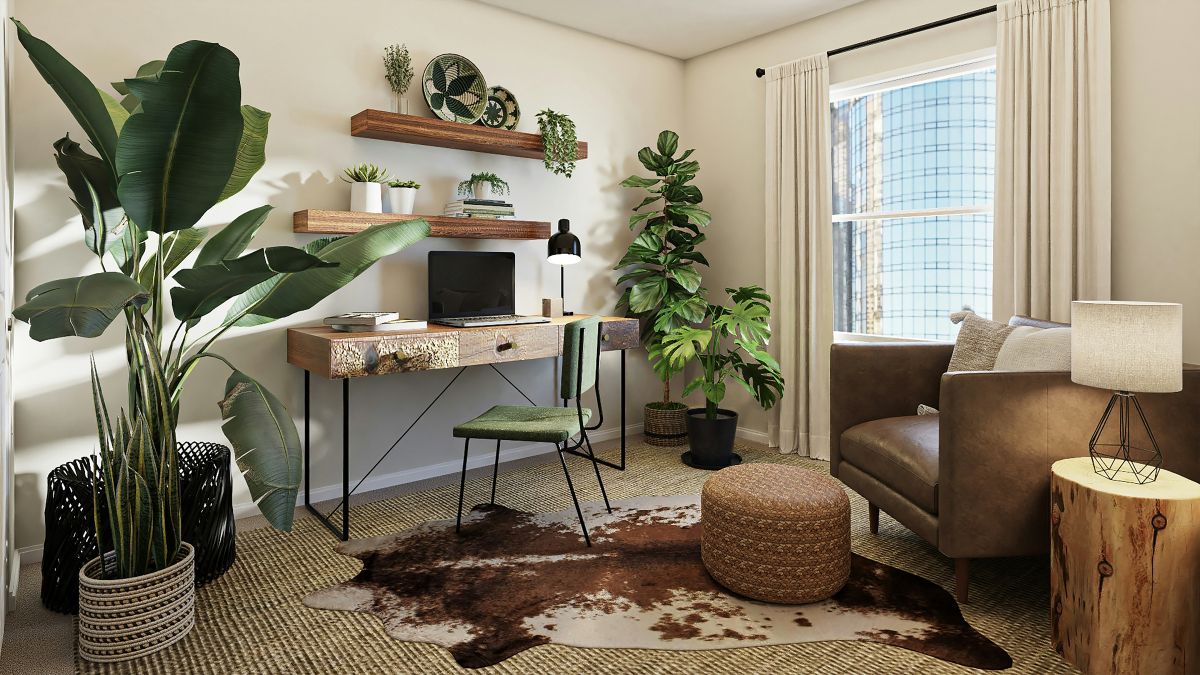
    room with wooden furniture and indoor plants

    Photo by Spacejoy from Unsplash.com

    Eco-Friendly Interior Design

    Who says sustainability can’t be stylish? Creating an eco-conscious home doesn’t mean sacrificing style or comfort.

    Our homes are expressions of our values and creativity. Sustainable interior design can add a unique and modern touch to your living space.

    Here’s how to make your space both beautiful and eco-conscious:

    Upcycle old furniture

    Give new life to old furniture pieces by refurbishing or repurposing them. This not only reduces waste but also adds character to your home.

    Join the growing community of women who are revolutionizing furniture restoration.

    Choose natural and sustainable materials

    Opt for furniture and decor from sustainable materials like bamboo, reclaimed wood, or recycled plastics.

    Create healthy spaces by avoiding toxic paints and finishes

    Protect your family’s health by choosing low-VOC or zero-VOC paints and finishes to improve indoor air quality and reduce harmful emissions.

    Go for energy-efficient lighting

    Blend energy efficiency with ambiance through smart lighting choices and natural light enhancement.

    Replace old light bulbs with LED alternatives and incorporate natural light through strategically placed windows or skylights.

    Infuse nature by adding indoor plants

    Bring the nurturing power of air-purifying plants to improve indoor air quality and add a touch of nature to your home.

    These eco-friendly design choices contribute to a healthier planet and create a more inviting and comfortable living space for you and your family.

    Bonus Tip: Consider joining local upcycling or DIY groups to learn new skills and share ideas for sustainable home decor.

    This can be a fun and rewarding way to meet like-minded, eco-conscious women in your community while creating unique pieces for your home.

    Building a Community of Change

    By implementing these eco-conscious ideas, you can modernize your modest home while positively impacting the environment.

    Every small step counts, and your efforts can inspire others to adopt more sustainable practices in their homes.

    Whether you’re a single woman, a mother, or sharing your space with roommates, your choices matter.

    Feel free to implement everything on your own time. Start with changes that resonate most with you and build from there.

    The path to sustainability is a journey, not a race, and every step you take makes a difference.

    You’re not just modernizing your home – you’re taking a stand for environmental responsibility and inspiring others to do the same.

    Your modest home can become a powerful testament to sustainable living, proving that one’s choices can create meaningful change.

    Start your journey today and join the community of women reimagining modest home living for a greener, more sustainable future.

    Together, we can create homes that aren’t just beautiful and comfortable but actively contribute to a healthier planet for all.

  • Stepping into Fashion Studies: Tips for a Stylish Start to Your Dream Career

    Starting a career in fashion can feel exciting but also overwhelming. 

    There’s so much more than just style, it’s about translating your love for fashion into a tangible career path. 

    Whether you’re beginning a degree, refining your design skills, or building your network, this guide will help you take those steps confidently. 

    Let’s dive in!

    1. Build a Creative Portfolio from Day One

    In fashion, your portfolio is the ultimate showcase of your style and skills. 

    Start compiling your work early, from sketches to mood boards to completed projects, all of which demonstrate your unique approach.

    A customized photo portfolio lets you organize your pieces in a way that truly reflects your evolving identity in fashion studies. 

    This is invaluable for internships, job applications, and even classroom presentations.

    To make your portfolio truly stand out:

    • Highlight Key Projects: Choose a few signature pieces that show your range.
    • Update Regularly: Add fresh projects that reflect new skills and techniques.
    • Organize by Theme or Skill: Arrange sections by type, such as fabric manipulation, digital design, or color theory.
    • Use High-Quality Photos: Crisp, clear images give your portfolio a professional touch.

    2. Consider Your Financial Path and Options for Student Loans

    Fashion studies often require investment in materials, software, and design tools. 

    For students who are financing their education through loans, it’s wise to stay informed on financial options.

    After graduation, refinance student loan programs can be particularly beneficial for easing monthly payments and freeing up resources to focus on your career.

    By planning your finances with refinancing in mind, you can create more room in your budget to fund career-building activities, such as internships, workshops, or attending industry events. 

    Financial planning supports your journey and ensures that you can pursue opportunities without unnecessary stress.

    3. Make Networking a Habit

    Connections are everything in fashion. From professors to classmates to industry contacts, each interaction can open doors. 

    Networking doesn’t have to be daunting—think of it as simply engaging with others in the field:

    • Class Engagement: Participate actively, ask questions, and show enthusiasm.
    • Industry Events: Attend fashion shows, expos, and workshops to expand your circle.
    • Social Media: Follow brands, designers, and mentors, and engage thoughtfully.

    These simple steps create meaningful connections that help you tap into a broader professional community, making networking an enjoyable part of your fashion journey.

    4. Develop a Broad Skill Set

    Fashion studies include various technical and creative skills, from sketching and fabric selection to digital design. 

    Trying out different areas helps you discover what resonates with you most, while also making you a more versatile candidate.

    If you’re interested in a specific niche, like sustainable fashion, explore topics like eco-friendly materials and production processes. The broader your skills, the more you’ll stand out to future employers.

    5. Stay Inspired and Evolve Your Style

    Fashion is constantly evolving, and so should your style. Stay inspired by following industry trends, exploring various styles, and experimenting with techniques. 

    The unique perspective you develop is what will set you apart in the fashion world.

    Conclusion

    Fashion studies provide the platform to grow both as a professional and as an artist. 

    By creating a strong portfolio, planning financially, connecting with others, diversifying your skills, and evolving your style, you’ll be poised to make a memorable entrance into the industry. 

    Embrace the journey with creativity and passion!

  • How To Create A Vertical Garden In Your Home In 5 Easy Steps

    Vertical gardens have never been more popular, especially in urban settlements where space is limited.

    You can see them in small gardens, indoors, or even in working environments. Whether you have a tiny balcony or perhaps a garden fence, a vertical garden will most likely transform the space.

    This being said, let’s go through the steps to turn a boring place into a vibrant oasis of green.

    Keep in mind that creativity and imagination are your strongest points here because there’s always room for customization.

    Design a Frame

    Whether you’ve picked a wall or a fence, your plants won’t just hang in the air, so you need a frame for this. You can find such frames in commerce, but you can also make them yourself.

    Don’t worry too much about the actual design because the idea is to cover the frame with greenery, so its looks won’t matter.

    If you choose to do it yourself, classic PVC pipe makes a good structure. Plastic is considered much more effective than metal or wood.

    Metal will rust, especially when exposed to moisture all the time. Wood looks good but think about moisture. Eventually, it will require regular treatments, or it will rot.

    And again, no one will really see much of the frame as your garden develops. Some choose to create the frame itself before fitting it onto the wall.

    If you get one from a hardware store, you’ll have to fit it there. This option is preferred because you may need to remove the frame every now and then to work on your vertical garden.

    Fit a Plastic Sheet

    This aspect is often overlooked, yet it’s extremely important in the process. If you ask a professional to do your vertical garden, they’ll never miss this step.

    If you do it yourself without researching what you need upfront, chances are you won’t even think about it.

    This plastic sheet is supposed to go over the frame. It has a protective role in the process. It may seem irrelevant at first, but you’ll thank yourself a few months later.

    This sheet is a barrier between the wall and the plants. Constant exposure to moisture will most likely cause mold or fungus on the wall.

    Remember that you won’t take plants and flowers down every now and then. Moisture is trapped in there, hence the necessity of some protection.

    Besides, there are a few other things (such as further steps) that will add even more to the overall level of moisture.

    When choosing a plastic sheet , opt for high-quality, durable materials like polyethylene or PVC, which are known for their resistance to moisture and rot.

    Make sure the sheet is thick enough to provide adequate protection but flexible enough to fit snugly over your frame.

    Fit Fabric for Moisture Retention

    If you get a natural vertical garden, moisture is an important consideration. You need to protect the surrounding areas against it, but you also need it for your plants.

    This fabric should be attached on top of the plastic sheet. It can hold water, which your plants will need to keep growing.

    There are more options out there, but most professionals recommend carpet padding. Something similar is also accepted.

    The idea is to ensure water is there, but without rotting too easily. Generally speaking, you’ll need two layers of this fabric. It helps in the long run in terms of durability.

    Stretch the fabric as hard as you can and staple it into the frame. What you use to fit these things is just as important.

    Steel staples work well, but galvanized screws are also good. You don’t want these things to rust, either.

    Side tip, make sure the fabric is perfectly stretched. Wrinkles or folds will hold water and can
    cause rotting issues.

    Add the Planters

    Prior to this step, you can also buy or design your own irrigation system. A hose fitted around the frame with zip ties and small holes around the planters will do.

    It’s convenient and easy to make yourself. However, if you water plants yourself, you can skip to the planters.

    You can get pots in all kinds of shapes and sizes. At the same time, you can create your own design, so the water from one pot goes to the one underneath, and so on.

    You don’t even need pots, if you think about it. You may as well opt for crawling plants

    Design a plan for the pots, so you may start installing them while they are empty. Figure where they’ll go, what plants go in each pot, and how they’ll be placed.

    Having all these set upfront will prevent the need to improvise later on. Do it with empty pots, it’s easier than if they were full of soil.

    The Easy One Step Way

    The final step in the natural vertical garden would be to maintain your garden. Now, while it makes a good option in a beautiful garden in a nice climate, the truth is you don’t always have that.

    You may face some challenges even if you choose a balcony for your vertical garden.

    From this point of view, more and more people turn to fake green panels, especially when it comes to indoor gardens.

    Sure, you won’t have the same level of oxygen and air filtration, but the greenery and natural feel will provide all the other benefits associated with an indoor garden.

    When it comes to artificial panels, they usually come in small sizes, so you can get as many as you need based on the space availability.

    In this case, measure the wall upfront, choose a design, and feel free to move panels around until you get the design you’re after. This option is more versatile and requires no maintenance.

    In the end, creating a vertical garden in your home is a wonderful way to bring nature indoors, even if you’re short on space.

    Remember that this is more than a one-time project. It’s a rewarding journey that requires your time and efforts. So enjoy the process and watch your green oasis flourish.