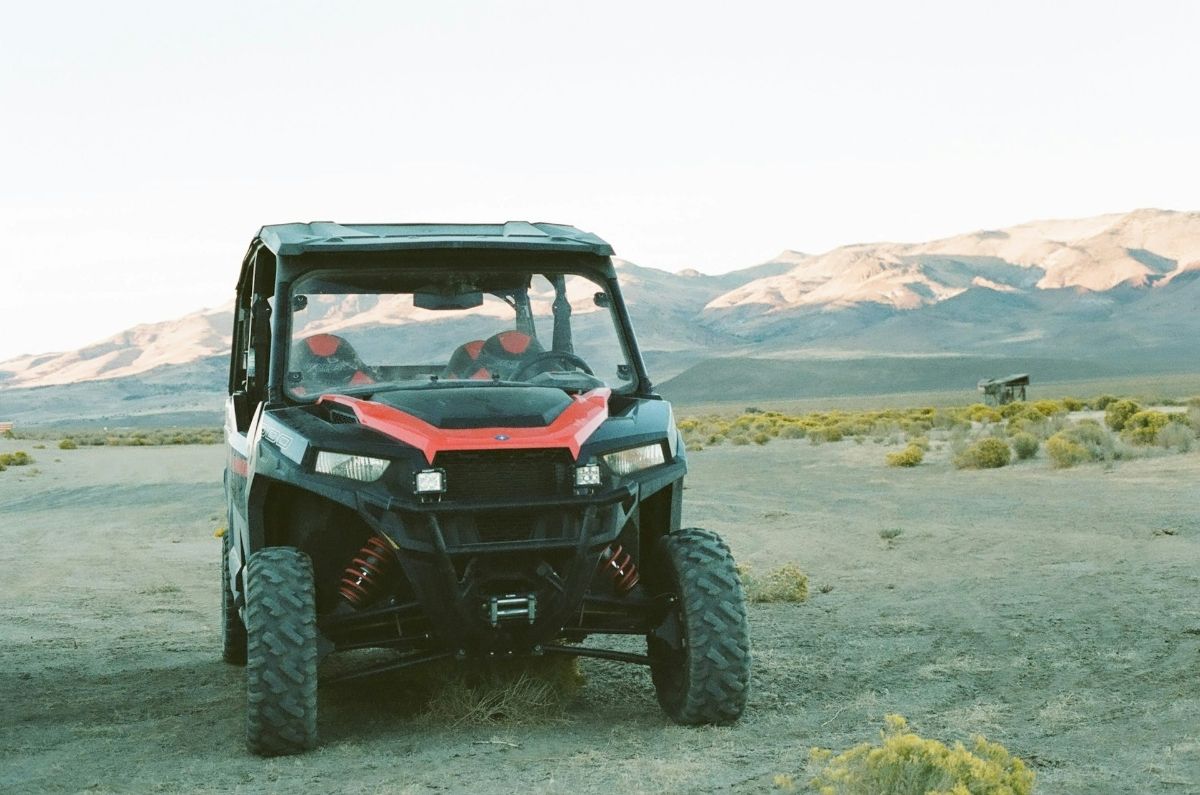
Renting a trailer lets you transport a UTV, ATV, or other off-road vehicle to trails without adding extra mileage to your own vehicle. Most rental companies offer options based on trailer size, weight capacity, and hitch type. Knowing these basics before you book saves time and prevents last-minute problems.
Heber City sits in the Heber Valley of north-central Utah, surrounded by the Wasatch Mountains. The area has cold, snowy winters and mild, dry summers, which makes it a popular base for both winter and summer outdoor recreation. Nearby trai systems, including routes in the Uinta National Forest, draw riders looking for scenic backcountry terrain.
Many visitors planning a trip to this region rely on UTV trailer rentals in Heber, Utah, to move their vehicles between trailheads without putting extra wear on a personal truck or SUV. This article covers everything that you need to know before renting a trailer.
What to Check Before You Rent a Trailer
A trailer rental agreement should spell out weight limits, insurance coverage, and any fees for late returns. Ask about the trailer’s gross vehicle weight rating and compare it to your UTV’s actual weight, including fuel and gear. This step alone can prevent overloading issues on the road.
Before signing, review these details:
- Hitch type and ball size required
- Trailer length and width compared to your UTV
- Tie-down points and included straps
- Tire condition and spare tire availability
- Insurance or damage waiver options
Types of Trailers for Off-Road Vehicles
Open utility trailers are the most common choice for hauling a single UTV. They are lighter, easier to tow, and typically less expensive to rent than enclosed models.
Enclosed trailers protect the vehicle from weather and road debris during longer trips. They cost more to rent but make sense for multi day trips or long highway drives.
How to Choose the Right Trailer Size
Trailer size depends on the number of vehicles you plan to haul and their combined weight. A single UTV usually fits on a trailer between 12 and 16 feet long. Hauling two vehicles or a UTV with extra gear usually calls for a longer, higher-capacity trailer.
Steps to Take When Renting a Trailer
- Measure your UTV’s length, width, and height before contacting a rental company.
- Confirm your tow vehicle’s weight rating and hitch class.
- Reserve the trailer in advance, especially during peak riding seasons.
- Inspect the trailer’s lights, tires, and straps before towing.
- Secure the UTV using proper tie-downs and wheel chocks.
- Return the trailer on time and in the same condition you received it.
Common Trailer Rental Terms to Know
Rental companies often use terms that can be confusing to first time renters. A “GVWR” refers to the gross vehicle weight rating, or the maximum safe weight for the trailer and its load. A “tongue weight” refers to the downward force the trailer places on the hitch, which affects towing stability.
Understanding the agreements of the UTV trailer rentals in Heber, Utah, also means knowing the difference between a damage waiver and standard insurance coverage. A damage waiver typically limits your financial responsibility for minor wear, while insurance may cover accidents or theft. Ask the rental company to explain both options clearly before signing.
Tips for a Smooth Rental Experience
- Check tire pressure on both the trailer and tow vehicle before departure
- Pack a basic tool kit and spare tie-down straps
- Confirm the trailer’s turn signals and brake lights work with your vehicle
- Plan your route in advance, including a parking space at the trailhead
- Ask about weight distribution if towing a heavier UTV
Key Takeaways
- Confirm weight limits and hitch compatibility before renting a trailer.
- Open trailers work well for single UTVs, while enclosed trailers suit longer trips.
- Trailer size should match your UTV’s dimensions and total weight.
- Reserve trailers early during peak riding seasons.
- Inspect lights, tires, and straps before every trip.
- Learn the difference between a damage waiver and standard insurance.
- Understand key terms like GVWR and tongue weight before signing a rental agreement.