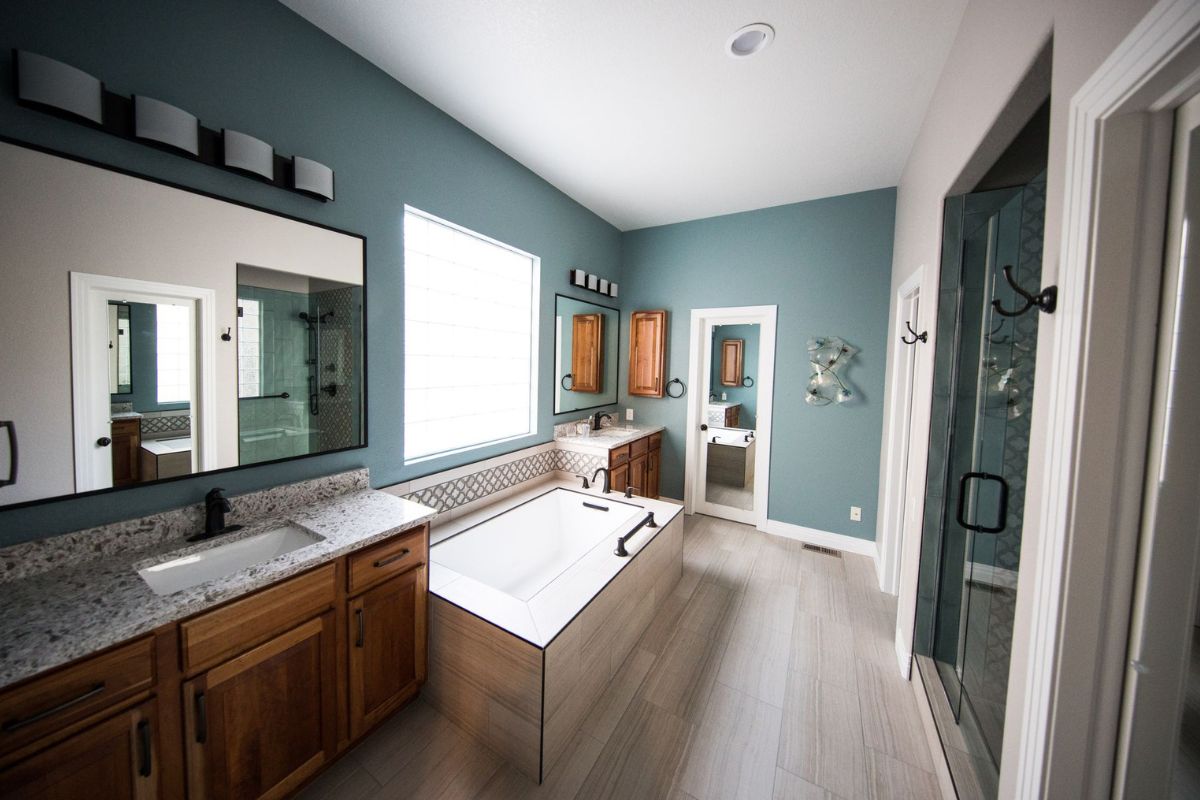
A bathroom remodel can start with something as simple as wanting a better shower or replacing a tired vanity, but the decisions quickly go deeper. In Rochester, where many homes have been standing for decades, renovation can also be an opportunity to address aging materials, moisture concerns, and layouts that no longer suit everyday life. The most worthwhile remodels balance appearance with comfort, durability, and function, creating a room that feels better without spending money on changes that add little practical value.
Start With What Is Not Working
Before choosing tile, fixtures, or paint colors, spend some time thinking about how the existing bathroom actually performs. A room can look dated without being particularly inconvenient, while another may look perfectly acceptable but have poor storage, inadequate lighting, an awkward layout, or a shower that is difficult to use.
Those everyday frustrations are useful because they tell you where the remodeling budget can make the greatest difference. A household sharing one bathroom may value additional storage and counter space, while a compact room may benefit more from a better shower configuration or a less bulky vanity.
Starting with function also makes design decisions easier. Instead of collecting attractive products and hoping they work together, you can choose each feature according to a clear purpose.
Let the Existing Room Guide the Project
Not every bathroom needs to be completely rebuilt. If the basic layout works and the underlying systems are in reasonable condition, targeted improvements may deliver better value than moving plumbing or redesigning the entire room.
If you’re exploring bathroom remodels in Rochester, consider how the condition of the existing bathroom should shape the scope of the project. Older spaces may need closer attention to moisture, ventilation, plumbing, and deteriorated materials before decisions are made about showers, tubs, wall systems, or other visible improvements. Understanding what genuinely needs attention can help prevent a straightforward upgrade from becoming unnecessarily complicated.
The biggest remodel is not automatically the best one. A well-planned project focuses spending where it will make the room safer, easier to use, and more durable.
Look Beyond the Cosmetic Changes
New hardware, fresh paint, and an updated mirror can transform the appearance of a bathroom without requiring major construction. However, cosmetic improvements should not distract from problems that may be developing beneath the surface.
Bathrooms regularly deal with water, steam, condensation, and frequent cleaning. Damaged caulk, recurring mildew, deteriorated flooring, weak ventilation, or signs of leakage deserve attention before decorative finishes consume the budget. Covering those problems with new materials may produce an impressive reveal, but it can also make future repairs more disruptive.
A worthwhile remodel considers both what you can see and what you cannot. Waterproofing, plumbing condition, ventilation, and the integrity of walls and flooring are less exciting than choosing finishes, but they have a much greater influence on how well the remodeled bathroom holds up.
Give Your Budget Some Breathing Room
Bathrooms are relatively small spaces, but a surprising number of systems come together inside them. Plumbing, electrical work, waterproofing, ventilation, flooring, cabinetry, fixtures, and finishing work can quickly compete for the same budget.
Hidden conditions can also appear once old materials are removed. Water damage, deteriorated subflooring, aging plumbing connections, or previous repairs may change the scope of the work. Leaving some flexibility in the budget makes those discoveries easier to handle without sacrificing more important parts of the remodel.
It helps to separate necessities from preferences before construction begins. Waterproofing and ventilation should generally take priority over a premium faucet or decorative feature. You can still create a beautiful bathroom without choosing the most expensive version of everything.
Choose Materials for Everyday Life
A bathroom showroom cannot fully reproduce what materials experience at home. Water splashes, humidity rises, toiletries spill, and surfaces are cleaned repeatedly. Materials should therefore be judged on maintenance and durability as well as appearance.
Highly detailed surfaces or extensive grout lines may require more regular cleaning, while smoother materials can simplify upkeep. Flooring deserves particular attention because occasional water exposure is unavoidable. The right choice depends partly on how much maintenance you are comfortable doing after the remodel is complete.
There is no single material that works best for everyone. The smarter approach is understanding the trade-offs before installation. A surface that looks beautiful but constantly demands special care may eventually feel like a poor choice in a room used every day.
Take Moisture Control Seriously
Good ventilation is easy to overlook because it does not create the same visual impact as a new shower or vanity. Yet it can have a much greater effect on the long-term condition of the room.
Useful guidance for managing moisture during remodeling emphasizes dealing with leaks and moisture problems while also making sure bathroom exhaust fans vent outdoors. A remodel is an ideal time to evaluate these details because walls or ceilings may already be accessible.
If the existing bathroom stays damp long after showers, regularly develops condensation, or has recurring mildew, those signs should be investigated rather than simply covered with fresh paint. Good moisture management helps protect the materials you are spending money to install.
Think About How Your Needs May Change
A bathroom that works well today should ideally remain comfortable as circumstances change. That does not mean turning every remodel into a specialized accessible design. It simply means avoiding unnecessary obstacles where practical.
Features such as a low-threshold shower, handheld showerhead, slip-resistant flooring, easier-to-operate fixtures, and reinforcement for future grab bars can blend naturally into an attractive bathroom. Thoughtful bathroom accessibility guidance also highlights the importance of maneuvering space and usable fixture placement when designing bathrooms for a wider range of needs.
Making these decisions while the room is already under construction can be easier than modifying it again later. They can also improve convenience for children, guests, or someone temporarily dealing with limited mobility.
Plan the Room Before Buying the Products
One of the easiest ways to create an awkward bathroom is to fall in love with individual products before confirming that they work together. A large vanity can reduce comfortable walking space, while a shower door may interfere with another fixture when opened.
Think through how the room will actually be used. Consider where towels will hang, where toiletries will be stored, how doors and drawers open, and whether frequently used items will be easy to reach. Lighting should also be planned around real tasks rather than treated as a final decorative detail.
These choices may seem small compared with selecting a tub or shower, but they often determine whether the finished bathroom feels effortless or frustrating.
Build for the Years After the Reveal
A dramatic before-and-after photograph is satisfying, but the real test begins once the bathroom returns to everyday use. A worthwhile remodel should be easier to maintain, comfortable to move through, capable of managing moisture, and durable enough to handle years of regular use.
That is why value is about more than expensive finishes or following the latest design trend. The strongest projects combine attractive choices with sensible planning and improvements that solve genuine problems.
When every major decision has a practical reason behind it, the finished bathroom can offer something more valuable than a temporary visual transformation: a space that continues to work better long after the remodel feels new.