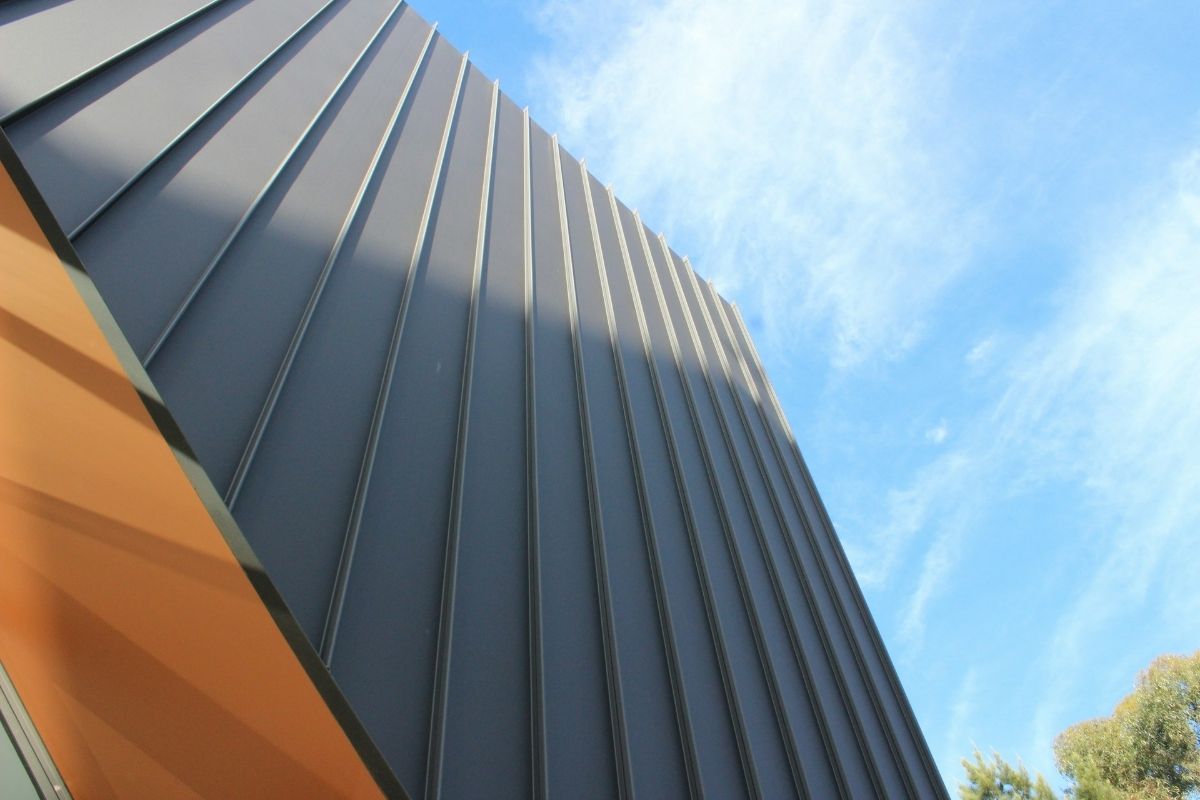
Creating a home that perfectly balances style and function is a goal many homeowners strive for. Every space within a home serves a purpose, yet it also tells a story about the people who live there. Designing a home that captures beauty while offering practicality requires thoughtful planning, attention to detail, and an understanding of how design elements interact with everyday living.
Whether you are starting from scratch or renovating an existing space in Port Ludlow, WA, the key is to create harmony between aesthetic appeal and livability.
A Roof That Reflects Durability and Design
When it comes to achieving both style and functionality in a home, the roof plays a pivotal role. It protects the structure, contributes to energy efficiency, and defines the overall character of the building. Homeowners often overlook the visual and structural significance of a well-designed roof.
Selecting materials that complement the architectural design while providing long-term resilience ensures that the home remains as beautiful as it is secure. For instance, during a roof replacement in Port Ludlow, homeowners often choose materials that not only withstand local weather conditions but also enhance curb appeal.
A carefully designed roof complements the home’s overall aesthetic and adds an unmistakable sense of completion to the structure.
A roof’s color, texture, and shape should flow naturally with the rest of the home’s exterior design. Beyond appearance, the roof must be functional, ensuring proper insulation and ventilation. These elements work together to maintain interior comfort while reducing energy use.
The Importance of a Thoughtful Layout
A stylish and functional home starts with a well-planned layout. The arrangement of rooms dictates how easily one can move through the space and how natural light flows. A functional layout maximizes usability while reflecting the homeowner’s lifestyle.
For example, open-plan living areas encourage interaction and make spaces appear larger and brighter. Conversely, private zones such as bedrooms and studies benefit from being placed away from high-traffic areas.
Designers often begin by assessing the needs of the occupants. Do they entertain often? Do they work from home? Are there children or elderly family members in the household? Each factor influences layout decisions.
Lighting That Shapes Mood and Function
Lighting is one of the most influential aspects of home design. It determines how spaces feel and function at different times of the day. Natural light brings warmth and openness, while artificial lighting allows control over ambiance. A combination of ambient, task, and accent lighting ensures that every corner serves a purpose.
Stylish lighting fixtures such as pendant lamps, recessed lighting, and wall sconces can elevate the appearance of a room. However, their placement and intensity should be guided by functionality.
Color Schemes that Inspire and Comfort
Color has a profound effect on how a home feels. A stylish design relies heavily on color choices that create a sense of unity and warmth. Functional design, on the other hand, considers how colors affect perception and mood.
Light, neutral tones make spaces feel open and calm, while deeper hues add richness and depth. The best approach is to select a palette that reflects personal taste while maintaining harmony across rooms.
An effective color scheme connects one area of the home to another. Consistent undertones tie the spaces together, while accent colors can define individual zones.
Furniture that Marries Form and Purpose
Furniture selection defines the balance between aesthetics and usability. While visually appealing pieces enhance style, they must also serve practical needs. The best interiors blend comfort with sophistication. Modular and multi-functional furniture allows spaces to adapt to different purposes without appearing cluttered. For instance, a stylish ottoman with hidden storage adds character while providing extra space for essentials.
Furniture should also respect the proportions of a room. Oversized pieces can overwhelm smaller areas, while undersized items may leave large rooms feeling sparse.
Integrating Natural Elements for Timeless Appeal
Bringing natural materials into the home adds warmth and authenticity. Wood, stone, and natural fibers offer textures that feel inviting and enduring. These materials not only enhance style but also contribute to function through durability and ease of maintenance. Incorporating indoor plants further connects interior spaces with nature, improving air quality and adding vitality to design.
A balanced use of natural elements prevents spaces from feeling sterile or artificial. For example, combining wood tones with neutral walls creates a serene environment, while subtle greenery softens sharp lines and introduces life to minimalist interiors.
Smart Storage Solutions for Seamless Design
Functional design thrives on organization. A stylish home remains uncluttered when storage is integrated thoughtfully. Built-in cabinets, concealed shelving, and custom storage units maintain a clean look while maximizing space. Every item should have a designated place, reducing visual noise and enhancing the home’s sense of order.
Designers often blend storage features with decorative elements. Floating shelves, for instance, display treasured objects without overcrowding a room. Storage benches and under-stair compartments provide practicality without compromising beauty.
The Balance Between Comfort and Elegance
True design success lies in achieving comfort without compromising elegance. Soft furnishings, textured fabrics, and ergonomic layouts contribute to an inviting atmosphere. Yet, these must coexist with refined details that express style. The choice of curtains, rugs, and upholstery should complement architectural lines and color schemes, creating visual continuity.
Comfort also depends on spatial awareness. Thoughtful spacing ensures easy movement, while layered textures prevent rooms from feeling flat. A well-balanced home encourages relaxation and pleasure in daily routines. It feels curated, not crowded, and lived-in without appearing disorganized.
Creating a Cohesive Flow Between Indoor and Outdoor Spaces
Modern home design increasingly emphasizes the connection between interior and exterior environments. Large windows, glass doors, and open patios blur boundaries, making the home feel more expansive. Outdoor living spaces, when styled consistently with the interior, extend the home’s functional area and create harmony with nature.
A home that embodies both style and function is more than a showcase of design; it is a reflection of thoughtful living. Every element, from the roof to the smallest decorative detail, plays a part in shaping comfort and beauty.
When design decisions are guided by purpose and refined taste, the result is a home that not only looks exceptional but also supports the rhythms of everyday life.