Category: Uncategorized

  • How High-Quality Post-Production Makes or Breaks Your Fashion Brand’s Lookbook

    Whilst someone flips through a fashion brand’s lookbook, they’re no longer just browsing images. They’re moving into a visible tale, one which showcases fashion, mood, life-style, and identification. A lookbook isn’t just about clothing; it’s about notions. And the fact is, regardless of how gifted your photographer is or how lovely the fashions and clothing can be, the very last impression frequently comes down to post manufacturing. That is in which fashion photo editing, additionally referred to as fashion photography editing, becomes a defining thing.

    In a world wherein tendencies flow fast and purchaser interest spans are quick, post-production can mean the difference between a lookbook that captivates and one which receives scrolled past. allow’s to destroy down why put up-manufacturing topics so much and the way the proper editing approach elevates your brand instead of overpowering it.

    The Purpose of a Lookbook Isn’t Just to Show Clothes

    A well-crafted lookbook helps buyers, clients, and followers imagine themselves in your pieces. It communicates:

    • Lifestyle
    • Attitude
    • Season or collection themes
    • Brand values and mood

    However uncooked photos directly from the digicam hardly ever attain that on their own. Even the pleasant fashion photos can be affected by lighting fixtures inconsistencies, pores and skin blemishes, shadows, history distractions, and shade mismatches. These issues, even though small individually, can together stupid the whole brand presentation.

    This is wherein professional fashion image editing steps in. The technique ensures that every image in your lookbook feels cohesive, polished, and emotionally aligned together with your emblem identification.

    Why publish-manufacturing subjects a lot within the style enterprise

    Style clients purchase what they experience. That feeling is sparked by visual harmony, consistent tones, textures, and presentation. Editing is the bridge that transforms good photos into a powerful narrative.
    Here’s what great editing achieves:

    1. Consistency

    Your collection should feel unified. If one image looks overly warm and the next looks cool and flat, the narrative breaks. Editing standardizes:

    • Lighting tone
    • Color temperature
    • Highlights and shadows
    • Overall contrast and mood

    A constant visible aesthetic is one of the most powerful markers of a professional brand.

    2. Style Identity

    Editing isn’t just correction, it can be seasoning. It helps bring out the brand’s unique visual flavor. For example:

    • Minimalist brands lean in the direction of neutral palettes and easy traces.
    • High-glam brands emphasize shine, formidable shadows, and evaluation.
    • Vintage-inspired collections may lean into softer tones and grain.
    • The editing style becomes part of your brand signature.

    3. Focus on the Garment

    Distractions are the enemy of product storytelling. An out of place hair strand, choppy fabric fold, or background clutter can shift attention away from what you surely need to sell. Editing helps bring attention back to:

    • Texture
    • Silhouette
    • Fit
    • Details like stitching, buttons, or embroidery

    When the clothing takes center stage, the brand message lands clearly.

    Natural vs. Artificial Where Brands Go Wrong

    MistakeResult
    Over-editingFake, plastic-looking models and unrealistic fabric texture
    Under-editing
    Dull images that fail to inspire or attract buyers

    The goal is balance. High-quality fashion photo editing should enhance, not transform. Skin should look smooth but not airbrushed like glass. Fabrics should look flattering but not altered beyond their actual appearance.

    Authenticity sells. Editing should be invisible; the viewer should feel impact, not notice the process behind it.

    Expert Techniques That Elevate Fashion Lookbooks

    The most effective fashion photography editing workflows typically include:

    • Skin retouching that maintains pores and natural texture
    • Color grading to achieve a cohesive mood across all images
    • Wrinkle and crease control for garments to look their best
    • Stray hair cleanup to maintain polish
    • Background enhancement or cleanup without distracting from the model
    • Shadow shaping to add depth and dimension
    • Detail enhancement to highlight prints, materials, or embroidery work

    These steps ensure that the images feel refined, modern, and intentional.

    Why Consider Professional Editing Services?

    For many fashion brands, in-house editing is either:

    • Too time-consuming
    • Too inconsistent
    • Or lacking the specialized skill needed for high-end finishing

    This is in which outsourcing to professional editors will become valuable. Groups experienced in glamour photo editing and style visual refinement can convey fresh eyes, technical knowledge, and performance in your workflow..

    Professional editors ensure:

    • The lookbook is completed on time
    • Every image aligns with a unified style direction
    • Your brand looks polished and market-ready

    This frees your creative group to cognizance on approach, styling, and storytelling instead of spendingendless hours adjusting shadows and coloration curves.

    A strong Lookbook Builds long-term emblem identity

    clients nowadays apprehend high-quality right away. whilst your visible presentation is polished, cohesive, and emotionally compelling, your logo will become memorable publish-manufacturing:

    • Strengthens buyer trust
    • Improves perceived product value
    • Enhances brand credibility
    • Boosts engagement and shareability

    In short: your lookbook is not just marketing its reputation.

    Final Thoughts

    Fashion is a visual language and post-production is the grammar that makes the message clear. Your brand’s lookbook has one job: to create desire. When done right, photography and editing work together to deliver a story people want to step into.

  • A Fresh Look for Your Home: Simple Exterior Ideas That Shine

    beautiful home garden

    image credit

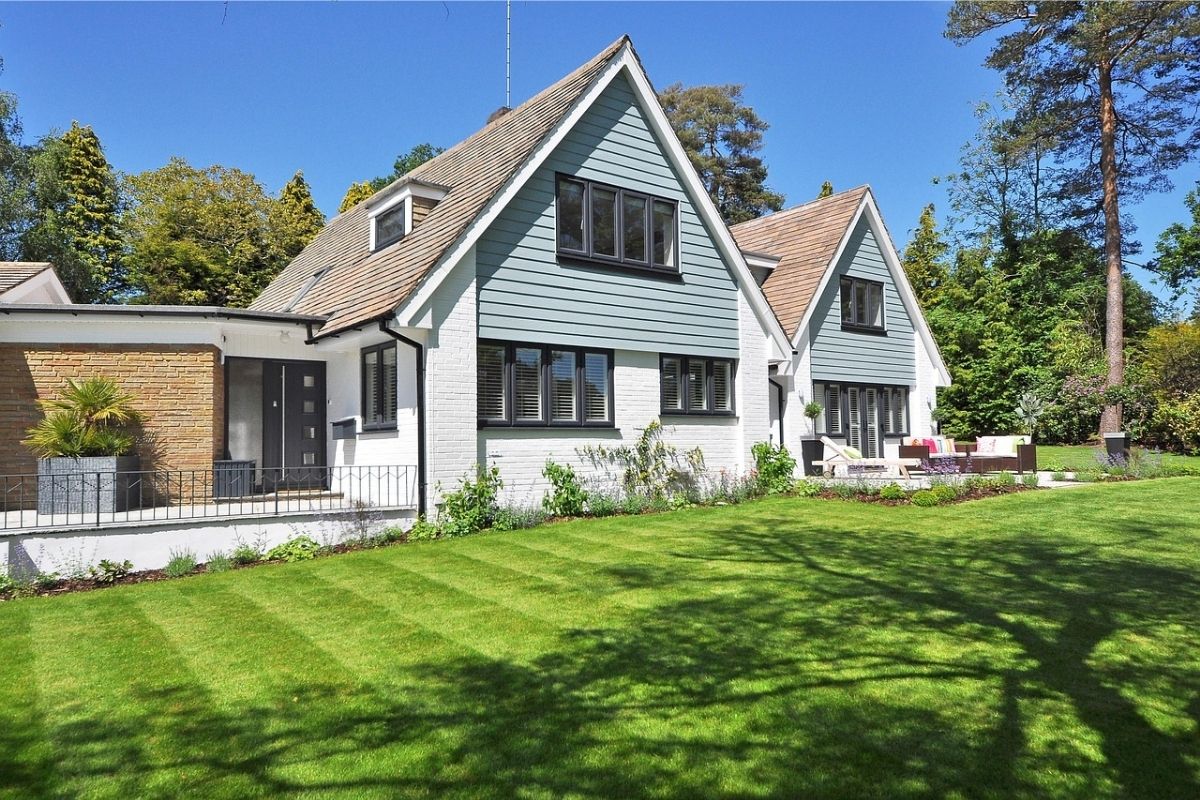
    Your home’s exterior is more than just its outer shell; it’s the first impression people get before they even step inside. Whether you live in a quiet suburb or a bustling Pittsburgh neighborhood, the outside of your home tells a story about care, style, and comfort. Many homeowners spend time perfecting the interior, but the exterior often gets overlooked. The truth is, even small exterior updates can make your home look refreshed, cared for, and full of personality.

    If your home feels a little outdated or lacks curb appeal, don’t worry. You don’t have to start from scratch or spend a fortune to make a noticeable difference. Sometimes, simple upgrades like new siding, fresh paint, or better lighting can give your home the boost it needs. When you invest in the look and function of your home’s exterior, you’re not just improving its appearance; you’re also increasing its value, efficiency, and longevity. Let’s explore some easy yet effective ideas to help your home shine from the outside in.

    Upgrade Your Siding for a Modern Makeover

    One of the most effective ways to refresh your home’s exterior is by upgrading the siding. It not only defines your home’s style but also provides essential protection against shifting weather conditions, something especially important in areas like Pittsburgh, where homes experience frequent rain, snow, and humidity. Over time, older siding can fade, crack, or warp, making even a well-kept home appear tired and outdated.

    If you’re planning to modernize your home’s exterior and strengthen it against the elements, hiring a trusted Pittsburgh siding company can help you choose the right materials and finishes for your style and budget. They specialize in durable, energy-efficient siding solutions that enhance curb appeal while reducing upkeep.

    Modern options like vinyl and fiber cement siding offer the perfect blend of beauty and practicality. Vinyl siding is known for its affordability and minimal maintenance, while fiber cement delivers a more refined, wood-like appearance that resists rot, pests, and warping. You can also play with color lighter tones for a clean, classic look or darker hues for a bold, contemporary finish. The right siding installation can completely transform your home, giving it a crisp, modern identity that lasts for years.

    Refresh with Paint and Trim Accents

    A fresh coat of paint can do wonders for your home’s appearance. Whether you’re brightening up old walls or changing the entire color scheme, paint gives you the chance to redefine your home’s personality. Choose colors that complement your surroundings and your roof for a balanced, appealing look. Neutral tones like beige, gray, and white remain timeless, while subtle greens or blues can add charm without feeling overwhelming.

    Don’t forget about the details. Trim accents like window frames, shutters, or door edges can highlight architectural features and add contrast. Painting your front door in a bold color such as deep red, navy, or even a rich charcoal gray can instantly boost your home’s curb appeal. It’s a small project that makes a big statement, especially when paired with clean, well-maintained siding.

    Enhance Lighting for Warmth and Security

    Lighting plays a powerful role in how your home looks and feels, especially after the sun goes down. Exterior lighting not only adds charm but also improves safety and visibility. Start with the front entry wall sconces, pendant lights, or lanterns can create a welcoming glow. For pathways or gardens, consider low voltage LED lights that guide visitors safely while emphasizing your landscaping.

    Warm white lighting gives a cozy, inviting feel, while cooler tones highlight architectural lines and modern features. You can even install motion-sensor lights for added security without sacrificing style. With thoughtful placement, your home will stand out beautifully at night while keeping your property safe and bright.

    Landscape with Intention

    Landscaping can instantly elevate your home’s exterior, framing it like a work of art. You don’t need a large yard or expensive plants to make an impact, just thoughtful choices. Start with the basics: trim overgrown bushes, edge your walkway, and add fresh mulch to garden beds for a neat, finished look.

    Consider layering plants to create depth: taller shrubs in the back, medium-sized greenery in the middle, and colorful flowers or ground cover up front. Hanging planters, window boxes, or potted plants near your entryway can also add charm and color. If you’re short on time, opt for low-maintenance plants that thrive in your region’s climate. Even simple improvements like new grass, a small flower border, or an updated mailbox area can make your home look more inviting.

    Add Personal Touches That Reflect Your Style

    Your home’s exterior should reflect your personality just as much as your interior does. Small, personalized touches can make your house stand out in a sea of look-alike homes. Update your house numbers with modern, easy-to-read fonts or materials that match your home’s overall design. Replace an old mailbox with something stylish and functional.

    Outdoor décor, like a cozy bench, a seasonal wreath, or even a few statement planters, can give your front porch a welcoming vibe. If you love entertaining, consider adding string lights or a small seating area to your front or back yard. These small details show that you care about your home and give visitors a warm impression before they even step inside.

    Refreshing your home’s exterior doesn’t have to mean a major renovation. With a few smart updates like upgrading your siding, adding new paint, improving lighting, and refreshing your landscaping, you can completely transform the way your home looks and feels. Every small change adds up to a big impact, creating an exterior that’s both beautiful and functional.

    Your home is one of your biggest investments, and it deserves to shine. Whether you’re preparing to sell or simply want to enjoy a more inviting space, focusing on the exterior is a simple, rewarding way to breathe new life into your property. Start with one project, take it step by step, and you’ll be amazed at how quickly your home’s look transforms from ordinary to outstanding.

  • How Modern Home Upgrades Support a Sustainable Lifestyle

    man painting a house

    image credit

    Homeowners today are rethinking the way they live, build, and maintain their spaces. Modern living no longer focuses solely on comfort and convenience; it also considers how everyday choices influence the planet. The demand for energy-efficient designs, eco-friendly materials, and smarter systems reflects a broader shift toward sustainability.

    Modern home upgrades help create spaces that work with nature rather than against it. Whether through improved insulation, renewable energy systems, or water-saving technologies, these upgrades make it possible to live responsibly without sacrificing comfort.

    What Sustainability Means for Today’s Home

    Sustainability is about making choices that meet present needs without compromising those of the future. When applied to homes, it involves reducing waste, conserving resources, and designing spaces that remain efficient over time.

    A sustainable home uses less energy, limits water consumption, and minimizes its carbon footprint. It’s built with materials that last longer and demand less maintenance, offering both environmental and economic benefits. Remember, each small improvement plays a part in creating homes that are healthier for families and for the planet.

    Smarter Choices in Building Materials

    The journey toward a sustainable home often starts with the materials used to build or renovate it. Traditional materials like concrete or asphalt can have a heavy environmental cost due to high energy consumption during production. Eco-friendly alternatives such as bamboo, reclaimed wood, recycled steel, and low-carbon concrete provide durable solutions that are better for the environment.

    Making eco-conscious upgrades, such as installing new roof materials designed for energy efficiency, can significantly reduce your home’s environmental impact. Advanced roofing systems now reflect sunlight more effectively, keeping interiors cooler and reducing reliance on air conditioning.

    Powering Homes with Clean Energy

    Energy use is one of the largest factors influencing a home’s sustainability. Modern renewable energy solutions allow homeowners to produce their own clean power. Solar panels, for example, have become more affordable and efficient in recent years. They convert sunlight into electricity, reducing dependence on nonrenewable sources like coal or gas.

    Wind turbines and geothermal systems are also becoming practical options for some areas. These technologies generate steady energy while minimizing greenhouse gas emissions. Many homeowners now combine renewable systems with battery storage, allowing them to store excess energy and use it during high-demand hours.

    Water Saving Upgrades That Make a Difference

    Water conservation is essential to sustainable living, especially in regions facing shortages or drought. Simple upgrades can dramatically reduce waste while keeping homes comfortable and functional. Low flow showerheads, dual-flush toilets, and aerated faucets cut water use without affecting performance.

    Smart irrigation systems monitor weather conditions and adjust watering schedules automatically, ensuring that plants receive the right amount of water without excess. Rainwater harvesting systems collect runoff that can be reused for gardening or outdoor cleaning. These updates help protect valuable freshwater supplies while lowering household costs and supporting a more sustainable community.

    Better Insulation for Efficient Living

    Heating and cooling account for a major portion of household energy use. Improving insulation is one of the simplest yet most effective ways to enhance a home’s efficiency. When walls, roofs, and windows are properly sealed, indoor temperatures stay more consistent throughout the year.

    High-quality insulation materials reduce heat loss in winter and limit heat gain during summer, lowering the need for constant air conditioning or heating. Energy-efficient windows with double or triple glazing prevent drafts and improve comfort. Smart thermostats further enhance efficiency by learning household routines and automatically adjusting temperatures. These upgrades create a comfortable, quiet living environment that feels stable and welcoming no matter the season.

    Homes Designed for Light and Air

    A well-planned home takes advantage of natural elements to enhance comfort and efficiency. Sunlight and fresh air can transform how a space feels and functions, and thoughtful design makes both more accessible. Large windows, glass doors, and open floor layouts allow sunlight to fill rooms, cutting down the need for artificial lighting during the day. Light-colored surfaces and reflective materials further amplify brightness, creating an inviting and cheerful atmosphere.

    Proper ventilation also supports a healthier home. Strategically placed windows and vents promote natural airflow, reducing indoor humidity and improving air quality. When a home is designed to breathe, it stays cooler in summer and requires less energy for climate control. Skylights, solar tubes, and operable windows are popular additions that bring light and air deeper into living spaces. These design choices contribute to both well-being and sustainability, turning natural forces into valuable home assets.

    Smart Technology for Greener Living

    Technology now plays a central role in shaping sustainable homes. Smart systems make it easier to monitor and manage energy use with precision. Devices such as automated thermostats, motion-sensor lighting, and smart plugs allow homeowners to control power consumption without constant attention. These systems track patterns and make small adjustments that add up to significant energy savings over time.

    Smart appliances also support eco-friendly living by operating more efficiently. Washing machines that regulate water levels, refrigerators that optimize cooling, and ovens that use precise heating all reduce waste. Home energy monitors display real-time data, showing where improvements can be made.

    Everyday Habits That Support Sustainability

    A truly sustainable lifestyle depends on daily actions as much as on structural upgrades. Modern home improvements set the foundation, but personal habits keep the change consistent. Simple routines can have a meaningful impact when practiced regularly. Using reusable containers, reducing plastic waste, and choosing energy-efficient appliances all contribute to the larger goal of conservation.

    Composting food scraps and garden waste reduces landfill contributions and creates nutrient-rich soil for plants. Selecting eco-friendly cleaning products limits the release of harmful chemicals into the environment. Even small gestures, like switching off unused lights or unplugging devices, make a difference when done consistently.

    Modern home upgrades show that sustainability can be practical, stylish, and deeply rewarding. Each improvement brings tangible benefits for both the environment and everyday comfort. These changes lower energy bills, improve air and water quality, and create spaces that feel more connected to nature.

    A sustainable home grows through thoughtful decisions, careful planning, and ongoing awareness. The key is to start with achievable steps and expand over time. Every choice, from material selection to energy use, contributes to a healthier planet and a more mindful way of living.

    Adopting sustainable upgrades turns a house into more than just a place to live, it becomes a reflection of personal values and environmental care. Living in such a home means participating in a future where comfort, technology, and responsibility work together for lasting harmony.

  • Designing a Home That’s Both Stylish and Functional

    a close up of a building with a blue sky in the background

    image credit

    Creating a home that perfectly balances style and function is a goal many homeowners strive for. Every space within a home serves a purpose, yet it also tells a story about the people who live there. Designing a home that captures beauty while offering practicality requires thoughtful planning, attention to detail, and an understanding of how design elements interact with everyday living.

    Whether you are starting from scratch or renovating an existing space in Port Ludlow, WA, the key is to create harmony between aesthetic appeal and livability.

    A Roof That Reflects Durability and Design

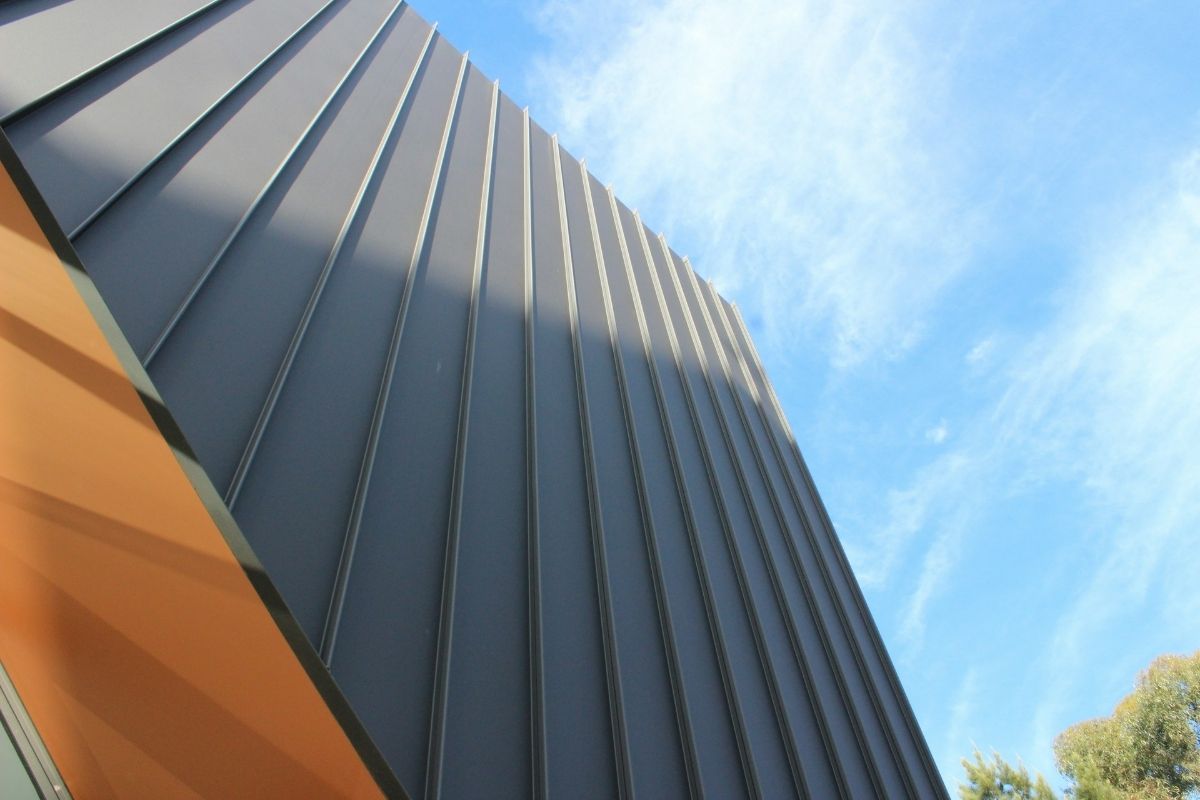
    When it comes to achieving both style and functionality in a home, the roof plays a pivotal role. It protects the structure, contributes to energy efficiency, and defines the overall character of the building. Homeowners often overlook the visual and structural significance of a well-designed roof.

    Selecting materials that complement the architectural design while providing long-term resilience ensures that the home remains as beautiful as it is secure. For instance, during a roof replacement in Port Ludlow, homeowners often choose materials that not only withstand local weather conditions but also enhance curb appeal.

    A carefully designed roof complements the home’s overall aesthetic and adds an unmistakable sense of completion to the structure.

    A roof’s color, texture, and shape should flow naturally with the rest of the home’s exterior design. Beyond appearance, the roof must be functional, ensuring proper insulation and ventilation. These elements work together to maintain interior comfort while reducing energy use.

    The Importance of a Thoughtful Layout

    A stylish and functional home starts with a well-planned layout. The arrangement of rooms dictates how easily one can move through the space and how natural light flows. A functional layout maximizes usability while reflecting the homeowner’s lifestyle.

    For example, open-plan living areas encourage interaction and make spaces appear larger and brighter. Conversely, private zones such as bedrooms and studies benefit from being placed away from high-traffic areas.

    Designers often begin by assessing the needs of the occupants. Do they entertain often? Do they work from home? Are there children or elderly family members in the household? Each factor influences layout decisions.

    Lighting That Shapes Mood and Function

    Lighting is one of the most influential aspects of home design. It determines how spaces feel and function at different times of the day. Natural light brings warmth and openness, while artificial lighting allows control over ambiance. A combination of ambient, task, and accent lighting ensures that every corner serves a purpose.

    Stylish lighting fixtures such as pendant lamps, recessed lighting, and wall sconces can elevate the appearance of a room. However, their placement and intensity should be guided by functionality.

    Color Schemes that Inspire and Comfort

    Color has a profound effect on how a home feels. A stylish design relies heavily on color choices that create a sense of unity and warmth. Functional design, on the other hand, considers how colors affect perception and mood.

    Light, neutral tones make spaces feel open and calm, while deeper hues add richness and depth. The best approach is to select a palette that reflects personal taste while maintaining harmony across rooms.

    An effective color scheme connects one area of the home to another. Consistent undertones tie the spaces together, while accent colors can define individual zones.

    Furniture that Marries Form and Purpose

    Furniture selection defines the balance between aesthetics and usability. While visually appealing pieces enhance style, they must also serve practical needs. The best interiors blend comfort with sophistication. Modular and multi-functional furniture allows spaces to adapt to different purposes without appearing cluttered. For instance, a stylish ottoman with hidden storage adds character while providing extra space for essentials.

    Furniture should also respect the proportions of a room. Oversized pieces can overwhelm smaller areas, while undersized items may leave large rooms feeling sparse.

    Integrating Natural Elements for Timeless Appeal

    Bringing natural materials into the home adds warmth and authenticity. Wood, stone, and natural fibers offer textures that feel inviting and enduring. These materials not only enhance style but also contribute to function through durability and ease of maintenance. Incorporating indoor plants further connects interior spaces with nature, improving air quality and adding vitality to design.

    A balanced use of natural elements prevents spaces from feeling sterile or artificial. For example, combining wood tones with neutral walls creates a serene environment, while subtle greenery softens sharp lines and introduces life to minimalist interiors.

    Smart Storage Solutions for Seamless Design

    Functional design thrives on organization. A stylish home remains uncluttered when storage is integrated thoughtfully. Built-in cabinets, concealed shelving, and custom storage units maintain a clean look while maximizing space. Every item should have a designated place, reducing visual noise and enhancing the home’s sense of order.

    Designers often blend storage features with decorative elements. Floating shelves, for instance, display treasured objects without overcrowding a room. Storage benches and under-stair compartments provide practicality without compromising beauty.

    The Balance Between Comfort and Elegance

    True design success lies in achieving comfort without compromising elegance. Soft furnishings, textured fabrics, and ergonomic layouts contribute to an inviting atmosphere. Yet, these must coexist with refined details that express style. The choice of curtains, rugs, and upholstery should complement architectural lines and color schemes, creating visual continuity.

    Comfort also depends on spatial awareness. Thoughtful spacing ensures easy movement, while layered textures prevent rooms from feeling flat. A well-balanced home encourages relaxation and pleasure in daily routines. It feels curated, not crowded, and lived-in without appearing disorganized.

    Creating a Cohesive Flow Between Indoor and Outdoor Spaces

    Modern home design increasingly emphasizes the connection between interior and exterior environments. Large windows, glass doors, and open patios blur boundaries, making the home feel more expansive. Outdoor living spaces, when styled consistently with the interior, extend the home’s functional area and create harmony with nature.

    A home that embodies both style and function is more than a showcase of design; it is a reflection of thoughtful living. Every element, from the roof to the smallest decorative detail, plays a part in shaping comfort and beauty.

    When design decisions are guided by purpose and refined taste, the result is a home that not only looks exceptional but also supports the rhythms of everyday life.