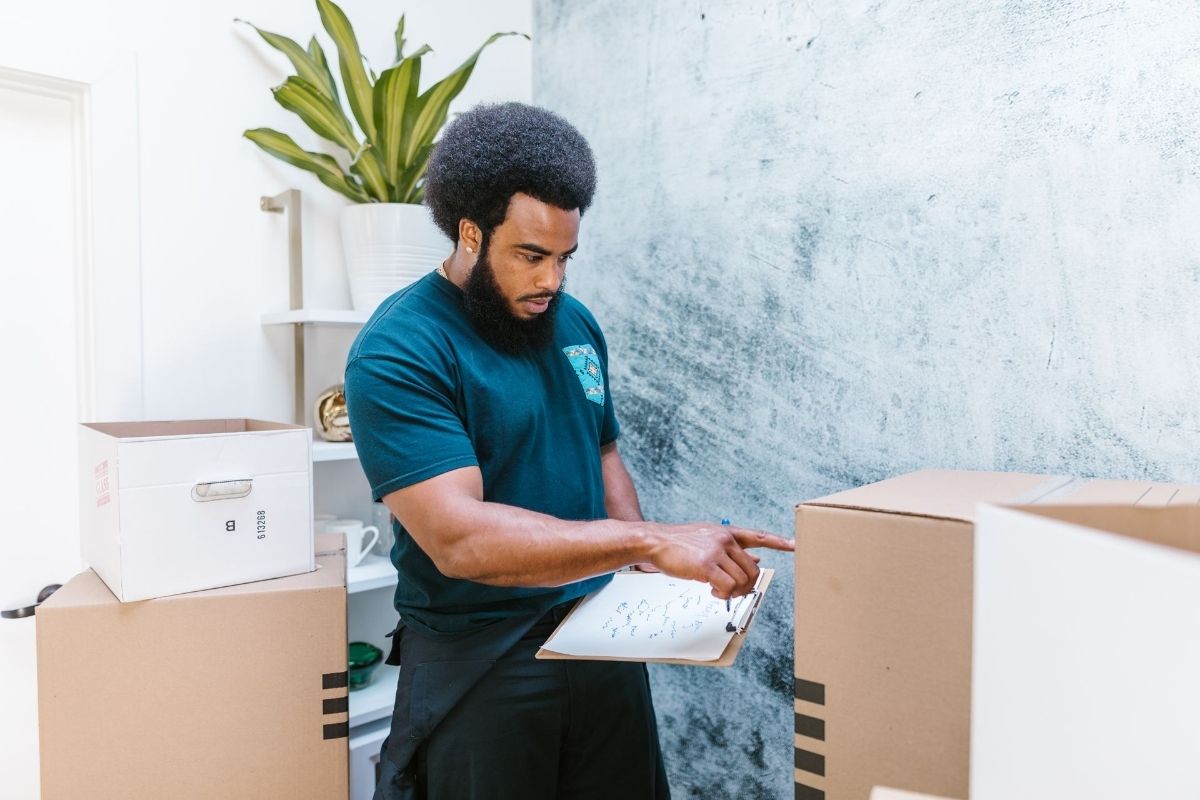
Moving to or from Kansas City often means coordinating more than just packing boxes. Whether you’re relocating for a new job, family, or a change of pace, longer moves require careful planning, flexible scheduling, and plenty of organisation. Starting early and tackling one task at a time can help make the process far less stressful, no matter how far you’re travelling.
Start with support
Long-distance moves are tougher than local ones because there’s less room for winging it. If your old home and new home are hours apart, you can’t easily drive back for forgotten items or fix a bad plan with a quick extra trip.
That’s why getting help early matters so much. Choosing reliable movers can save you from schedule chaos, damaged furniture, and last-minute panic. If you’re planning a cross-country relocation or a move to places like Alaska or Hawaii, Kansas City long distance movers can help manage the extra logistics that come with transporting your belongings over much greater distances.
Good moving help does more than carry boxes. It helps you lock in dates, understand timing, and avoid the classic “wait, who’s transporting the couch?” moment. The sooner you decide who’s helping, the sooner the rest of your plan starts to click into place.
Plan your moving timeline
A moving timeline keeps your brain from turning into mashed potatoes. Start about six to eight weeks before moving day if you can. First, choose your move date and book movers. Popular dates fill up fast, especially in summer.
Next, begin collecting records you may need. That includes school paperwork, medical files, lease documents, and moving contracts. Keep them together in one folder so you’re not hunting through random drawers later.
About a month before the move, set packing deadlines by room. For example, guest rooms and storage spaces can usually be packed first. Kitchens and bathrooms should wait longer because you still use them every day. In the final two weeks, confirm your mover, check arrival details, and make sure utility start dates match your move. A simple calendar can work wonders.
Declutter before packing
Moving is the perfect time to ask one important question: do you really want to pay to move that broken lamp and five mystery cords? Probably not. The less you move, the easier and often cheaper the whole process becomes.
Go room by room and sort items into keep, donate, sell, and toss piles. Try to be honest, not sentimental about every single object. If you haven’t used something in years and it doesn’t have real value, it may be time to let it go.
Clothes are usually the easiest place to start. Then move to books, toys, kitchen extras, and duplicate items. Selling a few things online or through a yard sale can also help cover moving costs. Decluttering now means fewer boxes, less unpacking, and a new home that feels fresh instead of stuffed like an overpacked suitcase.
Pack with less stress
Packing gets messy fast when you treat it like one giant weekend job. It’s usually better to pack in short bursts. A little each day is far less painful than an all-night box marathon fueled by snacks and regret.
Label every box by room and add a quick note about what’s inside. “Kitchen” is helpful. “Kitchen – coffee mugs and toaster” is even better. That tiny extra effort saves serious time when you unpack.
Keep essentials separate. Pack a bag or box with chargers, medications, toiletries, basic clothes, pet supplies, and anything you’ll need right away. For fragile items, use towels, paper, or bubble wrap and don’t overfill boxes. Heavy boxes are sneaky little villains. It’s smarter to keep them smaller and manageable so nobody throws out their back trying to move your book collection.
Budget for the basics
Long-distance moving costs can sneak up on you if you only think about the truck. There’s usually more involved than the main moving fee. Supplies, fuel, travel meals, cleaning costs, and utility deposits can all join the party.
You may also need money for temporary hotel stays, storage, parking fees, or extra insurance. If your new place isn’t ready right away, costs can pile up faster than laundry on vacation. That’s why it helps to make a simple list of expected expenses before moving week.
Add a cushion for surprises. Even a small emergency fund can help when plans shift or prices come in higher than expected. Aim for a little breathing room instead of budgeting down to the last dollar. Moving is stressful enough without getting blindsided by an unexpected bill for tape, gas, or a very determined pizza delivery night.
Prepare for moving week
The final week is when your planning starts to pay off. Focus on the small but important tasks that make a moving day smoother. Confirm arrival times with your movers, double-check addresses, and make sure your phone stays charged.
Clean out the fridge, finish laundry, and pack an overnight bag with clothes, toiletries, medications, and important documents. Keep that bag with you, not buried in the truck under seventeen boxes labeled “misc.” That word is always troublesome.
This is also a good time to gather keys, ID cards, payment info, and any paperwork you’ll need during the trip. If you have kids or pets, plan for snacks, entertainment, and a calm place for them during loading. The goal isn’t perfection. It’s making sure the basics are handled so moving day feels organized instead of like a scavenger hunt.
Settle in smoothly
When you arrive, resist the urge to unpack everything at once like a reality show challenge. Start with the essentials first. Set up beds, bathroom supplies, basic kitchen items, and anything you need for the first day or two.
Check that utilities are working right away. Test lights, water, heat or air, internet, and appliances. It’s much easier to fix a problem early than discover it at bedtime with no hot water and one flashlight rolling around in a box.
After that, take a little time to learn your new area. Meet neighbors if the moment feels right, find the nearest grocery store, and create a quick routine. Even something simple like morning coffee in the same spot can help the new place feel familiar. Home doesn’t happen in one day, but a few smart steps can help it feel comfortable much faster.
A long-distance move will always involve plenty of moving parts, but it does not have to feel overwhelming. By planning ahead, staying organised, decluttering before you pack, and getting the right support, you can avoid many of the common headaches that come with relocating. Focus on one step at a time, and before long you’ll be settling into your new home with less stress and more confidence, ready to enjoy the next chapter.