Blog

  • What Does The Bible Say About Modesty: How To Dress As A Christian

    Discover the most popular scriptures explaining modesty in the Bible, and how it translates to our dressing as Christians in today’s world.

    Should I wear tight shorts? Does my dress reflect my values as a Christian? Showing a little cleavage isn’t so bad now, is it? Is this dress too short?

    You can ask yourself all these questions while standing in front of the mirror, usually in the morning.

    And all of them are common questions that can arise in relation to the world we live in today and its daily dressing.

    Modesty is a very controversial topic in today’s world, especially when God and His Word are mixed up. It gets pretty complicated when the lines between what the world accepts as modesty and what God says are blurred.

    In this article you will learn the true origins of biblical modesty and learn what the Bible does and does not say about it. You’ll also discover some Bible verses about dressing modestly and how to put this wisdom into practice in your wardrobe.

    What Does The Bible Say About Modesty?

    When the word ‘Modesty’ is said, a lot of people are quick to think about the appearance of a person. This is mostly centered around their choice of clothes, hairstyle, jewelry or shoes.

    However, the dictionary meaning of modesty refers to the quality of it; freedom from vanity, pride, etc. It also means respecting propriety in behavior, speech or dress. It speaks of simplicity; in moderation.

    Modesty, according to the Bible, is the intentional art of reflecting more of God and less of self in every aspect of your life.

    It is freedom from the world’s ideologies and definitions. In order to live a life of humility and self control, it is a kind of decision that can only be ordered by God.

    It reflects itself in the way you treat people at school or your workplace. It shows in your thoughts and even the manner in which you speak.

    Being loud or rude, using cuss words, speaking inappropriately or being found in the company of pervasive people, these are all minute things that can make up an immodest life that doesn’t please God.

    Related Content: 9 Benefits of Dressing Modestly

    What Does It Mean For A Woman To Be Modest?

    According to the scriptures, the Bible explains that this is an honest and peaceful attitude of humility.

    It is this attitude that is later effortlessly expressed as decency in dressing, handling, how you speak and how you act.

    Christian modesty has a lot to do with your motives, intentions, thoughts, and what you have decided in your heart to do. The Holy Scripture says: as a man thinketh in his heart, so is he.

    If a woman chooses to wear tight shorts to the mall in order to draw attention to the back of her head and encourage men to lust after her, that is inherently displeasing to God.

    The believer is the expressed image of Christ and how He would appear if He were physically on earth. It gives the believer a set standard for how she should dress.

    Christian modesty does not seek attention. It’s not arrogant or hypersexual. Her motives are pure and he only seeks to glorify God.

    Your body is the house of the Holy Spirit, and it should be beautifully, gloriously, and decently clothed.

    5 Things The Bible Does (And Doesn’t Say) About Modesty

    1. The Bible doesn’t teach that our bodies are shameful

    Our bodies aren’t shameful and they weren’t made with such intent. God defines our bodies to be holy and sacred because it is a temple.

    In 1 Corinthians 3:16-17, people are reminded that God lives inside of us and so, our bodies should be treated with honor and respect. This is quite the opposite of shame or disgrace.

    2. The Bible does not teach that the victim is guilty

    When you hear a rape case or an issue of a man looking lustfully upon a woman, it’s common for the blame to be put on what the woman was wearing. And that is not biblical.

    Even with women who dressed decently, they are still cases of rape and sexual harassment reported by them.

    While God expects you to dress with Him in mind and do your part, you are not responsible for the sin of another.

    3. The Bible doesn’t teach to blame others for our own sin

    You are responsible for your own conduct (Gal 6:5) and if you sin, own up and confess to your wrongdoing.

    4. The Bible doesn’t teach a dress code

    Instead, scripture gives us guidelines on how women should appear in 1 Timothy 2:9-10 below:

    “And I want women to be modest in their appearance. They should wear decent and appropriate clothing and not draw attention to themselves by the way they fix their hair or by wearing gold or pearls or expensive clothes. For women who claim to be devoted to God should make themselves attractive by the good things they do.”

    5. The Bible does teach mutual and self respect

    Always do well to respect those around you and also respect your body.

    The Bible says in 1 Thessalonians 4:4-5 through MSG translation:

    “Learn to appreciate and give dignity to your body, not abusing it, as is so common among those who know nothing of God.”

    The common tagline that urges you to do what you want when you want it is mostly indulging selfish concerns and isn’t of God.

    Do the things that please God. Use that as your standard. Also be considerate of the people around you. This is where culture can be relative with modesty.

    How Does God Want Us To Dress?

    God tells us to not draw unnecessary attention to our bodies, especially our innermost, most sacred body parts that aren’t meant for just any eye to see.

    Instead, women are to focus on making themselves attractive by the good things they do to the glory of God.

    The Bible urges us to focus on beauty from within, and not the kind the world is fixated on. Christian women are called to be the opposite of vain, boastful and obsessed with their outward appearance.

    The Holy Spirit is the first guide in supporting modesty verses you see in His word. He’s always speaking and He will tell you what doesn’t please Him.

    There may be certain clothes in your wardrobe that don’t glorify Him. Whenever you put them on, God calls you out and gently tells you about them. His word will always support what He says to you on your inside.

    Even while shopping for Christmas or first communion gifts, be sensitive to God. Pay attention to the true definition of dressing modestly in the Bible.

    Why Does Modesty Matter?

    Modesty is important to God and should be so to those who love Him and want to please Him. Humility and decency are a way of life born of a true and consistent relationship with a loving and holy God.

    In today’s world of declining moral values, it is the believer’s responsibility to model, promote, and internalize God’s original plan of behavior.

    Be brave and bold. A Christian woman is not of this world. Her way of life and every outward expression of her should reflect the very essence of God.

    Scriptures on Modesty

    1 Peter 3:3-4

    “Your adornment must not be merely external—braiding the hair, and wearing gold jewelry, or putting on dresses; but let it be the hidden person of the heart, with the imperishable quality of a gentle and quiet spirit, which is precious in the sight of God.”

    Proverbs 31:30

    “Charm is deceptive, and beauty is fleeting; but a woman who fears the LORD is to be praised.”

    1 Corinthians 6:19-20

    “Or do you not know that your body is a temple of the Holy Spirit within you, whom you have from God? You are not your own, for you were bought with a price. So glorify God in your body.”

    1 Corinthians 12:23

    “And on those parts of the body that we think less honorable we bestow the greater honor, and our unpresentable parts are treated with greater modesty.”

    Final Thoughts

    Christian modesty is completely different from what the world says. The believer is called to a higher standard of beauty and lifestyle based on God’s word.

    Today you can take an honest look at your life. Do your clothes and accessories look like the clothes and accessories of the women of the world, or are you truly expressing God in what you wear?

    Even on social media, can people tell you’re a child of God just by looking at your feed, or are you the other way around?

    Modesty is not just what you wear to church or church meetings on Sundays. It’s also all you are from Monday to Saturday. What you post on social media and your personal entertainment that no one sees.

    To help prepare your mind for biblical modesty, turn your eyes and heart to verses about modesty. Let your life conform to God’s word and let it flow naturally into your actions.

  • Top 6 Sustainable Clothing Materials To Look Out For

    To help combat climate change, you’re probably looking for ways to reduce your carbon footprint. One thing you can do is seek out sustainable materials when buying your new threads.

    We’ve got just the thing for you! To help you on your quest to better the environment, we rounded up some of the best sustainable clothing materials available.

    We’ll also tell you which ones you should avoid because of their negative impact on the ecosystem.

    Read on to find out more about sustainable clothing materials.

    The Best Sustainable Clothing Materials

    Some of the most sustainable fabrics to look out for are hemp, linen, cork, wool, lyocell, and cotton. Continue reading to learn about each of these!

    Organic Hemp

    close-up look at hemp fabric

    Hemp is one of the oldest fabrics known to man. If you look at the history of human civilization, you’ll discover many cultures that relied heavily on this material to craft their clothing.

    Because it’s derived from the Cannabis plant, hemp has been associated with a negative stigma for decades.

    This became especially true when growing cannabis became a criminal offense thanks to the 1937 Marijuana Tax Act.

    However, as the cannabis laws in the US have become more relaxed in recent years, hemp has made a huge comeback, and for good reason.

    This material is extremely strong and versatile. Additionally, it has a soft texture that feels smooth and luxurious on the skin.

    Not only that, but it’s also a crop that doesn’t need much water to grow. Plus, it’s naturally pest-resistant, making the use of chemical pesticides unnecessary.

    These are just some of the factors that make hemp highly environmentally friendly.

    Related Content: Differences Between Slow Fashion vs Fashion

    Organic Linen

    Another great material for eco friendly clothing is organic linen. The key word here is “organic” since regular linen is treated with harsh chemicals that harm the environment during the manufacturing process.

    When you take these chemicals out of the equation, you’re left with a plant-based material that can grow practically anywhere.

    Linen is derived from the flax plant, which is extremely apt at obtaining the nutrients it needs without the help of synthetic fertilizers.

    Not only that, but organic linen is completely biodegradable. This significantly reduces its negative impact on the environment.

    In a similar fashion to hemp, this material will feel amazing on your skin. It’s why so many people opt for linen sheets when they’re buying their bedding supplies.

    Recycled Wool

    sustainable recycled wool fabric

    When the cold winter months roll along, who doesn’t love a cozy wool sweater to keep them warm?

    Unfortunately, traditional wool consumes tons of energy to harvest and process.

    It’s also harmful to sheep since farmers have the incentive to over-shed them to keep up with the high demands of the clothing industry.

    This is where recycled wool comes in. It gives you all the softness and warmth of conventional wool minus the lingering environmental impact and ethical concerns.

    Recycled wool is made out of the leftovers of wool that are already in circulation.

    It has all the qualities of virgin wool. Plus, it’s highly versatile in the sense that it can be combined with other types of fiber.

    Cork

    When you think of cork, clothing fabrics are probably not the first thing that comes to mind.

    However, this material that we typically use for wine bottles and bulletin boards is actually highly sustainable.

    So, what makes cork so great for the environment?

    The answer is that it’s a plant-based material that can be easily harvested from cork oak trees and transformed into a fabric without any chemical treatment.

    In fact, cork is simply the bark shavings of cork oaks. Contrary to what you may think, shaving these barks doesn’t harm them. In fact, it makes them live longer.

    Other than extending the lifespan of trees, harvesting cork also helps the environment by prompting cork oak trees to absorb carbon dioxide at a significantly faster rate.

    Turning this dense wood-based material into fabric is as easy as letting it dry in the sun, then adding water to it.

    Lyocell

    lyocell blue denim pattern

    Lyocell is a more modern, yet lesser-known, option to consider when you’re on the hunt for clothing made from sustainable clothing material.

    In a similar fashion to cork fabric, this material is wood-based. The main difference is that it’s derived from wood pulp as opposed to bark shavings.

    Additionally, the production process of transforming it into a form suitable for clothing fabric isn’t as natural. Lyocell needs to be treated with certain chemicals along with water to acquire fibrous properties.

    However, the chemicals used are recyclable and don’t pose any harm to the environment. Furthermore, because lyocell is a plant-based material, it’s fully biodegradable.

    To put the icing on the cake, lyocell clothing has anti-bacterial properties. It was given its name by Austrian Company Lenzing.

    Organic Cotton

    Cotton uses a lot of chemicals and pesticides, so you definitely want to make sure that your cotton is organic.

    It’s best to find sustainable clothing brands that have the Global Organic Textile Standard (GOTS) label on their clothes and fabric that is Organic Content Standard certified.

    This means that it is fabric made from certified organic cotton.

    Materials to Avoid

    woman holding her hand up in front of her face

    Here are a couple of materials to steer clear of if you’re looking to make environmentally conscious decisions when it comes to your choice of clothing.

    You’ll see these a lot in fast fashion in the fashion industry, but not in sustainable fashion.

    Polyester

    Polyester is a synthetic polymer that’s manufactured as a derivative of crude oil. This makes it a big no-no right off the bat.

    The manufacturing process of polyester consumes enormous amounts of energy and requires the use of harmful dyes and chemicals.

    Furthermore, polyester isn’t biodegradable at all. In fact, it’s responsible for creating tons of waste each year that makes its way into rivers, lakes, and oceans.

    Nylon

    Nylon is yet another polymer derived from petroleum.

    Despite the fact that it has its merits as a durable material suitable for all kinds of clothing, the havoc it wreaks on the environment simply isn’t worth it.

    This is because it’s non-biodegradable. It creates waste that fills up oceans and landfills, which has a detrimental effect on the ecosystem.

    Not only that, but the manufacturing process of nylon is highly energy-intensive.

    Then, if all that weren’t enough, nylon emits nitrous oxide, which is an extremely potent greenhouse gas that accelerates climate change.

    Conclusion

    If you’re looking to reduce your carbon footprint by making more environmentally conscious decisions when buying clothes, there are plenty of fabric options to choose from.

    These options include organic hemp, organic linen, cork, recycled wool, lyocell, and organic cotton.

    All of these materials are used to make comfortable, high-quality clothing that’s great for the environment.

    Other options you can consider are bamboo, pineapple leather, and qmonos (made from synthetic spider silk genes).

    Recycled materials are another option, like recycled cotton fabric and recycled polyester (made from recycled plastic water bottles). You’ll want them to have the Global Recycled Standard certification.

    On the flip side, try to stay away from synthetic polymers. These non-biodegradable materials, like polyester and nylon, don’t break down, thus increasing the amount of pollution and waste.

    Pin this image so you can find this post with sustainable fashion materials later!

    sustainable clothing materials
  • Slow Fashion vs Fast Fashion: What Are the Main Differences?

    Oftentimes, the latest fashion trends heavily influence people’s wardrobe choices. However, some fashionistas prefer sustainable clothing for durability over style. This is where the slow fashion vs. fast fashion debate comes into play.

    In this article, we’ll discuss all of the key differences between slow fashion vs fast fashion, including their pros and cons, so stick around!

    Key Differences Between Slow Fashion and Slow Fashion

    yellow umbrella standing out from among a bunch of black umbrellas

    Fast fashion focuses on the number of products that make it to the market in a short period of time. Some brands that adopt this approach include Zara, SHEIN, and H&M.

    In contrast, slow fashion is a countermovement of fast fashion. It’s a business model in the fashion industry where they have a cautious and sustainable approach to fashion. Sustainable fashion cares about quality over quantity. Slow fashion brands include Quince, Reformation, and Eileen Fisher.

    Aside from that, here are the major aspects that differentiate slow and fast fashion:

    1. Goal

    The main goal of fast fashion is to produce and sell a huge number of items in a short period of time. Fast fashion brands want to make as much profit as they can, regardless of the number of hours and amount of labor they have to put into the production.

    Slow fashion companies do the opposite. Slow fashion garments are produced more ethically and sustainably. The production of the slow fashion industry takes longer because there is clothing made by hand or locally produced.

    2. Materials

    sustainable cotton fabric material

    Typically, fast fashion companies use synthetic materials, like petroleum-based fibers. Some examples are polyester, nylon, and acrylic. These are cheap materials and they’re also made from nonrenewable fossil fuels.

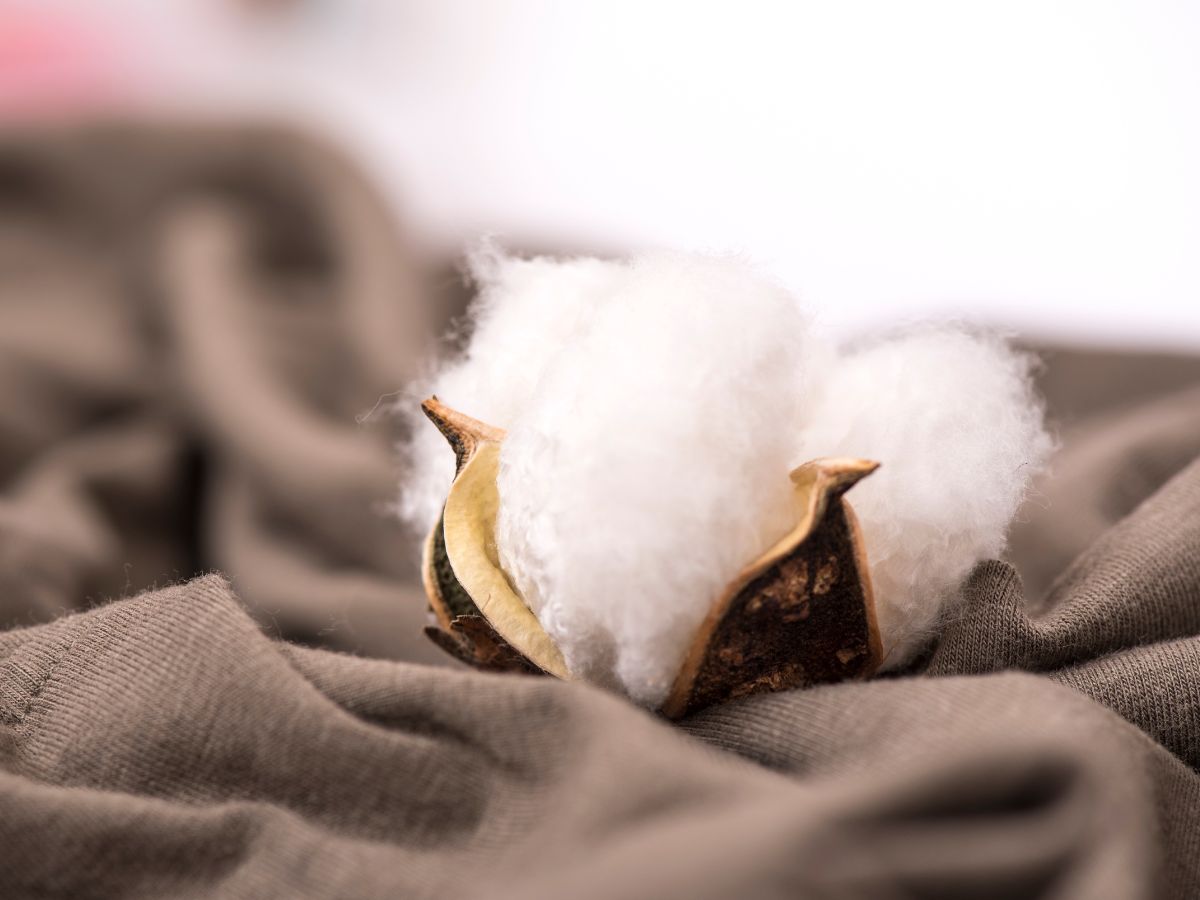
    In comparison, slow fashion aims for high-quality materials for production. Most brands use natural fibers like cotton, sheep’s wool, silk, and cashmere.

    Related Content: Top 6 Sustainable Clothing Materials To Look Out For

    3. Production

    When it comes to production, fast fashion companies produce more items compared to their slow fashion counterparts. They often have an extensive target market and an overabundance of inventory.

    In the present day, fast fashion firms produce approximately 52 micro-seasons yearly, which is equivalent to one new collection every week.

    On the other hand, slow fashion has slower production. In fact, most brands produce at least one capsule collection per year because they embrace designing seasonless fashion. For instance, Ouisa annually releases two six-piece capsule collections.

    Related Content: 4 Tips For Building A School Capsule Wardrobe That’s Cute And Comfy

    4. Effects on the Environment and Consumers

    factory impact on the environment

    Since the fast fashion industry uses fibers made from crude oil, it poses a negative impact on the environment. Petroleum-based fibers can emit significant amounts of carbon dioxide during production. Consequently, it increases greenhouse gas emissions.

    Fast fashion firms are also responsible for water pollution because the fibers are released into the ocean as microplastics.

    Aside from that, they also use hazardous chemicals such as PFAS, Azo dyes, and phthalates. Some of them have milder effects like eye and skin irritation. Unfortunately, chemicals like PFAS have carcinogenic effects.

    In contrast, slow fashion is considered environmentally friendly because they opt out of synthetic materials. For instance, cork fabric has become a popular material for vegan shoes and bags.

    The cork plantation is considered a carbon sink because the fabric is harvested from cork oaks by shaving away their bark. Then, while the trees are regrowing their barks, they absorb more carbon dioxide, which can help reduce climate change.

    Moreover, other natural materials like organic hemp and peñatix also consume carbon dioxide in the atmosphere. That’s why they’re one of the most eco-friendly fibers in the industry.

    5. Impact on Human Labor

    clothing worker making clothes

    The fast fashion industry has an increasing demand for delivery dates and short production cycles. This mostly puts pressure on its workers.

    For instance, due to the competition in the market, garment factories need to keep up with the high demand at the expense of their workers. Some examples of its negative effects are low income and poor working conditions. In fact, some lead to tragic fires and accidents.

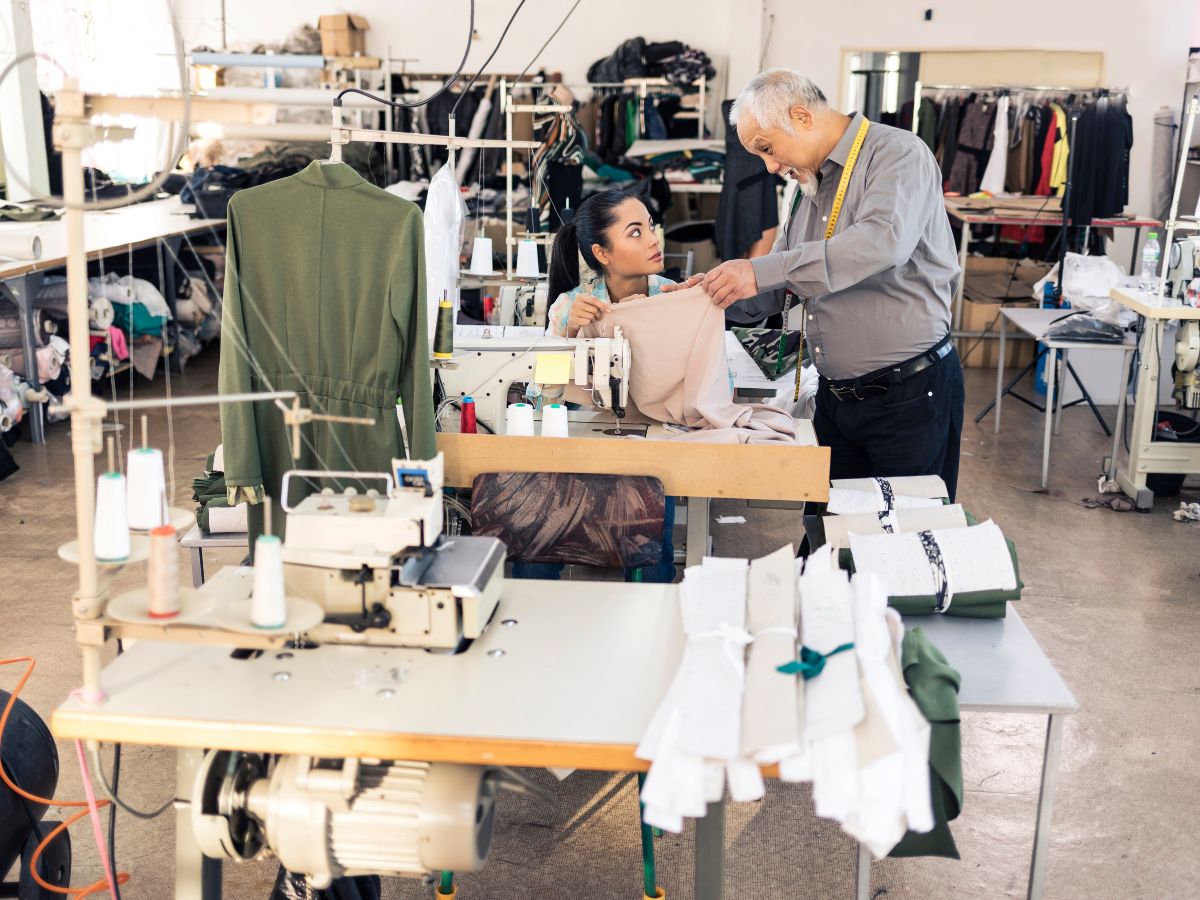
    In comparison, slow fashion firms produce fashion often with regard to its effect on their workers and human rights. They counteract the methods of their fast fashion counterparts by treating their workers fairly.

    6. Style and Quality

    Usually, fast fashion products are trendy and stylish. Unfortunately, the pieces aren’t designed to last more than one to two washes. Some consumers even throw them away after a couple of wears. Fast fashion looks quickly go out of style because of the rapid trend cycles.

    Slow fashion, on the other hand, releases garments that you can wear far longer because of their good quality materials. However, companies keep their designs simple. Although some fashionistas might find them dull, they’re more durable and better in quality. This helps you not have to buy new clothes as often since their life cycle is much longer.

    7. Affordability

    girl holding money and thinking to herself

    Due to the more affordable materials of fast fashion products, they usually come at extremely low prices. However, even if items are cheap, consumers’ excessive shopping tends to add up to a significant cost.

    Plus, people try to keep up with the constant changes in fashion trends. As a result, they spend more on clothes. However, these garments only end up in landfills after a few wears.

    Studies show that 85% of fast fashion clothes end up as solid waste sent to landfills per year, amounting to nearly 80 pounds of garments per American.

    In contrast, slow-fashion clothing costs more than fast-fashion items. However, they’re not necessarily expensive in the long run. You can save more because you won’t have to replace them constantly.

    This is one of the most obvious differences in slow fashion vs fast fashion that people notice.

    8. Consumption

    Fast fashion offers several collections that eventually go out of style. While affordability allows more access for those fashionistas with lower incomes, it often leads to over-consumption or excessive shopping.

    In comparison, consumers who purchase from slow fashion, get more sustainable items. Companies release clothing with less trendy designs and high-quality materials. As a result, they last for a long time. This way, consumers buy less and decrease consumption.

    What’s more, the slow fashion movement also advocates clothes manufactured with respect to the environment, animals, and workers.

    9. Availability

    The fast fashion industry is known for its mass production. In just a few months, they release seasonal collections that are available in just weeks.

    The large quantities make the items more accessible even to young consumers because they offer more sizes, colors, prices, and styles. Although the pieces are the current trend in the fashion world, they typically become disposable once the trend dies out.

    In comparison, slow fashion has timeless designs, so consumers can purchase them regardless of the latest trend. Unlike fast fashion though, they’re available in smaller local stores rather than in large chain enterprises.

    What Are the Pros and Cons of Fast Fashion?

    According to the Fast Fashion Global Market Report in 2021, the size of the fast fashion market is expected to increase from $30.58 billion to $39.84 billion in 2025.

    So, before you head to the biggest fashion retailers, it’s important that you know these pros and cons of fast fashion:

    Pros

    • More affordable
    • Trendy/Stylish
    • Accessible            
    • Quick production

    Cons

    • Negative impact on human labor
    • Contributes to climate change
    • Low quality

    What Are the Pros and Cons of Slow Fashion?

    Kate Fletcher, a design activist and journalist, coined the term ‘slow fashion’ as an antithesis of fast fashion. She also outlined the need to reevaluate the way consumers and manufacturers look at the fashion industry. Since then, the slow fashion movement has earned its popularity.

    Here are the pros and cons of slow fashion:

    Pros

    • Environmentally friendly supply chain
    • Durable
    • Cost-efficient
    • High quality
    • Fair treatment of workers
    • Fair wages

    Cons

    • Simple Designs
    • More Expensive

    Wrapping Up

    The major differences between fast fashion vs. slow fashion are its goal, materials used in production, effects on the environment and its consumers, impact on human labor, Style, and quality.

    It’s also worth noting that they’re also different when it comes to availability, consumption, and affordability. Therefore, it’s important that you inspect their pros and cons before you decide on your fashion choices.

    Pin this image so you can find this post about slow fashion vs fast fashion for later!

    slow fashion vs fast fashion
  • How To Choose The Perfect Sneakers For You

    Disclosure: Some of the links below are affiliate links. At no cost to you, I will earn a commission if you click through and make a purchase. 

    Sneakers have become a massive wardrobe staple, and most of us have at least one or two pairs. They have quickly become the most-worn style of shoe, and they are no longer reserved for just walking or exercise.

    You can wear them with pretty much anything, and to almost anywhere, unless it’s a black-tie event or a club with a strict dress code.

    With more of us working from home at least some of the week, and many workplaces adopting a casual dress code, wearing sneakers to work is becoming the norm too.

    If you want to buy a new pair, then there are lots of options to choose from and it’s easy to get overwhelmed. Here are some of the main things to consider to help you find the best pair of sneakers for you.

    Where You’ll Wear Them

    First of all, consider where you are going to be wearing your sneakers. If you are looking for something that you can wear every day to work, then an understated and classic style like these High Tops Converse from SSENSE might be an ideal choice for you.

    They are versatile, can be dressed either up or down, and look amazing paired with a variety of different outfits. On the other hand, if you want a pair of sneakers to wear casually, then the latest chunky trainer trend might be suitable.

    If you’re looking for something for working out, walking, or running, then go for a pair of sneakers that are designed for exercise, like running shoes.

    Related Content: 8 Chelsea Boot Outfits That’ll Surely Make A Statement

    Comfort Levels

    While all sneakers are designed to be comfortable, some are just that bit more comfortable than others. If comfort is a huge deal to you when it comes to the sneakers that you wear, then you will want to look out for some of the easiest to wear options that are designed for comfort rather than style.

    For example, while the chunky trainer trend is huge right now and the sneakers certainly look comfortable to wear, there is some research to suggest that it might be bad for your feet in the long run.

    If you want something that you can wear every day and that will offer the best support for your feet, then trainers with additional support for your arches and a cushioned sole might be an ideal choice.

    Your Budget

    Another factor to consider when you are choosing a pair of sneakers to buy is how much you want to spend on them. The price of sneakers can vary a lot depending on the brand that you are purchasing and where you purchase them from.

    You can get lots of unbranded sneakers very cheaply but bear in mind that these are often made cheaply too, and probably won’t last as long as a more expensive pair.

    If you’ve got a lot of money to spend on your next pair of sneakers and want to really treat yourself, then you might be interested in sneakers with a designer label.

    Fit in or Stand Out?

    When it comes to the sneakers that you buy and wear, you really can decide if you want to fit in with the crowd or really stand out.

    Of course, there is nothing wrong with doing either – it’s completely up to you to go with whatever makes you the most comfortable.

    If fitting in is more your thing, then you might want to go for a classic style like Nike Air Force 1, Converse High-Tops or Adidas Originals trainers in an understated yet classic color like white, gray or beige.

    On the other hand, if you like standing out from the crowd and want some shoes that nobody else has, then you may want to consider a custom-designed pair.

    Brands like Nike allow you to choose from a range of colors and materials to build some of their classic shoe styles exactly to your preferences.

    Longevity

    Last but not least, think about how often you are going to be wearing the sneakers and how long they might last you.

    If you’re looking for a new pair to wear every day for as long as possible, then investing in a quality build and materials is key.

    On the other hand, if you just want a pair of sneakers that you can wear to one event and aren’t too bothered about them lasting you through heavy wear, then you can probably find cheaper options that will do the job just fine.

    It’s also worth finding out more about maintaining your sneakers correctly, especially if you’ve gone with a material like leather or suede.

    With so many different sneaker styles available, finding the right pair for you can be tricky.

    Keep these different factors in mind to help you find your perfect new shoes whether you want them for everyday wear, work, or special occasions.